
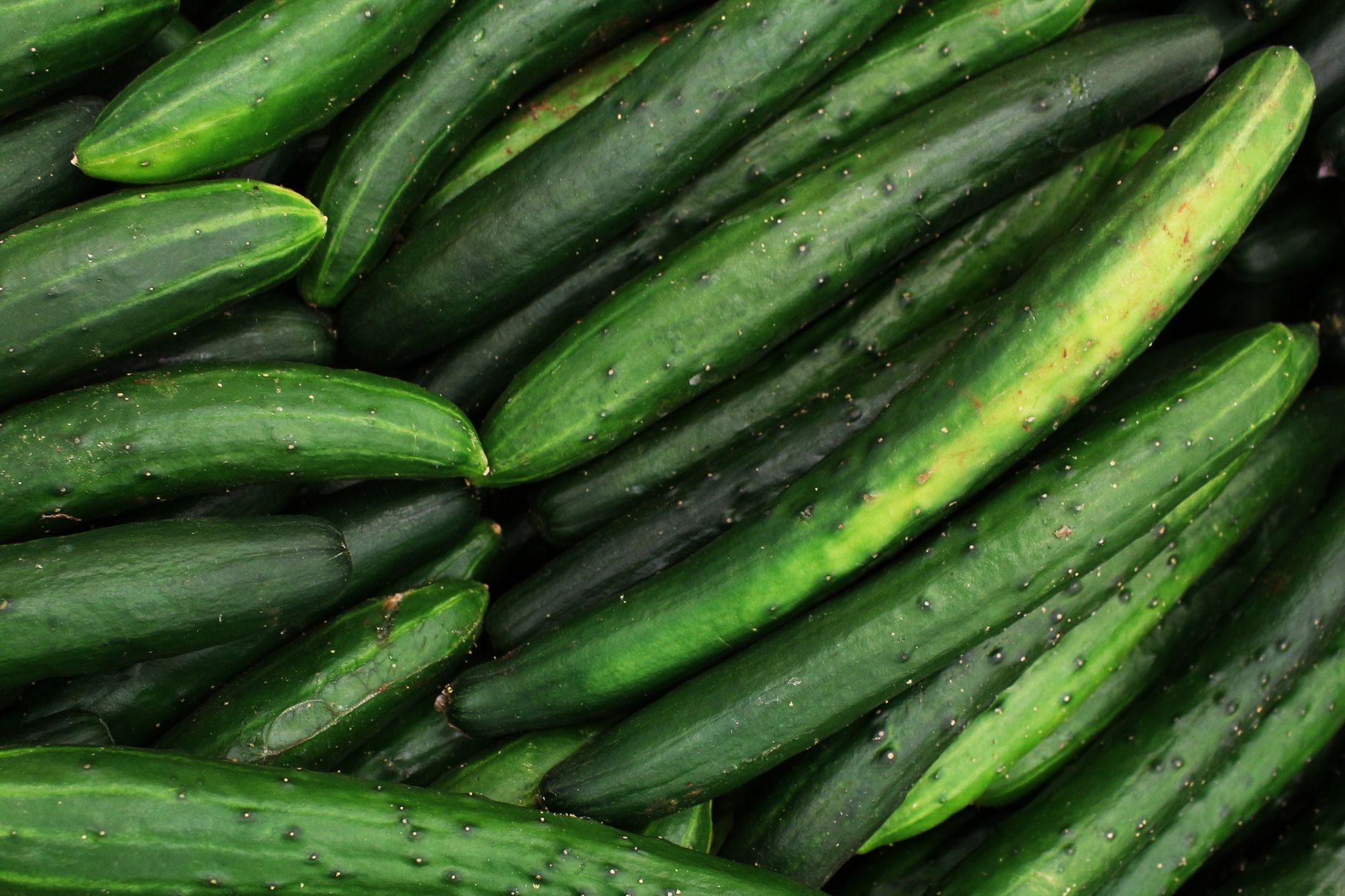
Cucumbers are one of the most recognizable produce items found in salads, garnishes, and even deliciously refreshing drinks. But there often lies confusion about what category they belong to. Are they scientifically categorized as vegetables, or should they be considered fruits? Understanding this distinction can be essential not only for culinary purposes but also for nutrition and cooking techniques.
This article will explore the classification of cucumbers, their culinary uses, preparations, and practical tips to incorporate them into your meals. By the end, you will have a comprehensive understanding of cucumbers and how to use them effectively in your kitchen.
Is A Cucumber A Vegetable?
Yes, a cucumber is often referred to as a vegetable in culinary terms, although it is technically a fruit in botanical classification. Botanically, fruits develop from the flower of a plant and contain seeds, while vegetables are other edible parts of plants. Cucumbers are the immature fruits of the plant Cucumis sativus, belonging to the gourd family.
Culinary Classification
In the kitchen, fruits and vegetables are regularly classified based on their flavor and use, rather than their botanical definition. Cucumbers are typically used in savory dishes, aligning them more closely with vegetables. Their mild flavor and crisp texture make them a fantastic ingredient in salads, dips, and garnishes.
Varieties of Cucumbers
Understanding the different types of cucumbers can enhance your culinary experience. Here are some popular varieties:
- English Cucumbers: Long, slender, and with thin skins. They have fewer seeds and a milder flavor, making them ideal for salads and wraps.
- Japanese Cucumbers: Known for their smooth skin and crunchy texture, they are often used in Asian dishes and salads.
- Pickling Cucumbers: Shorter and bumpy, these cucumbers are specifically designed for pickling due to their firm texture.
- Kirby Cucumbers: Another type ideal for pickling, these are crisp and slightly tangy and can also be enjoyed raw.
- Garden Cucumbers: The classic variety, easily found in grocery stores, used for salads, sandwiches, and snacking.
Nutritional Value of Cucumbers
Cucumbers are low in calories and high in water content, making them an excellent addition to a balanced diet. Here’s a nutritional breakdown per 100 grams of cucumber:
- Calories: 16
- Water: 95%
- Carbohydrates: 3.6 g
- Fiber: 0.5 g
- Protein: 0.7 g
- Fat: 0.1 g
- Vitamins & Minerals: Small amounts of potassium, vitamin K, and magnesium
Due to their hydration benefits and low calorie count, cucumbers are often recommended in weight-loss diets and they can help with maintaining hydration levels.
Buying and Storing Cucumbers
When purchasing cucumbers, select firm, brightly colored fruits without any dark spots or wrinkling. Fresh cucumbers are typically sold with their skins intact, and organic options are a great choice to avoid pesticide residues.
To store cucumbers, keep them in the vegetable crisper drawer of your refrigerator with a paper towel in a plastic bag. This helps absorb moisture and extends their freshness. Cucumbers can last up to a week when stored properly. However, it’s best to consume them as soon as possible for peak flavor and crunch.
Preparation Techniques
Cucumbers can be used in various ways, from raw to cooked or pickled. Below are some common preparation techniques:
Slicing
Thinly sliced cucumbers are excellent in salads and sandwiches. Use a mandoline for consistent thickness, or a knife for a more rustic approach.
Shredding
Shredded cucumbers can be used to add texture to salads or as a base for toppings. This technique is often used in dishes like cucumber salad.
Dicing
Diced cucumbers are great for salsa or relishes. A uniform cut helps with even taste distribution.
Pickling
Cucumber pickling is a popular method that enhances flavor and extends shelf life. A basic pickling solution starts with vinegar, sugar, salt, and spices.
Cooking
While cucumbers are most often eaten raw, they can also be lightly sautéed or grilled for a warm dish. Cooking should be brief to retain their crispness.
Culinary Uses for Cucumbers
Cucumbers are incredibly versatile and can be featured in various dishes. Here are some ideas to incorporate cucumbers into your meals:
Salads
Cucumbers add crunch to salads. They can be the star of the dish in refreshing cucumber salads or featured alongside lettuces, tomatoes, and other vegetables.
Dips and Spreads
In dishes like tzatziki, cucumbers are key to creating creamy, flavorful dips. Simply combine diced cucumber with yogurt, garlic, lemon juice, and herbs.
Sandwiches and Wraps
Use cucumbers as a crunchy layer in sandwiches or wraps. They can add a refreshing twist to classic deli options.
Soups
Chilled cucumber soup is a delightful summer dish. Blend cucumbers with yogurt, garlic, and herbs for a light appetizer.
Drinks
Cucumber-infused water or cocktails are fantastic for hydration and a refreshing taste. Add cucumber slices to your favorite drink for a spa-like experience.
Recipe: Refreshing Cucumber Salad
This refreshing cucumber salad is perfect for summer gatherings or as a side dish for any meal. It takes about 15 minutes to prepare and serves four people.
Ingredients
- 2 large cucumbers, thinly sliced
- 1 cup cherry tomatoes, halved
- 1/2 red onion, thinly sliced
- 1/4 cup fresh dill, chopped
- 1/2 cup feta cheese, crumbled
- 1/4 cup olive oil
- 2 tablespoons red wine vinegar
- Salt and pepper to taste
Equipment
- Large mixing bowl
- Cutting board
- Sharp knife or mandoline
- Whisk
Method
- In a large mixing bowl, combine the sliced cucumbers, cherry tomatoes, red onion, and dill.
- In a separate bowl, whisk together olive oil, red wine vinegar, salt, and pepper.
- Pour the dressing over the salad and toss well to combine.
- Top the salad with crumbled feta cheese just before serving for a fresh touch.
Tips
- Add sliced bell peppers or avocados for additional flavor and texture.
- Substitute feta cheese with goat cheese or omit for a vegan option.
- Let the salad sit for 10 minutes before serving to allow flavors to meld.
Common Mistakes When Using Cucumbers
While cucumbers are generally easy to work with, there are some common pitfalls to avoid:
Overcooking
If you choose to cook cucumbers, be mindful not to overdo it, as they can become mushy and lose their crispness. Quick sautéing or grilling is advised.
Ignoring Seeds
Seeds can sometimes create bitterness in cucumbers. If using older or larger cucumbers, consider removing the seeds before preparing them.
Storing Improperly
Storing cucumbers in plastic can lead to condensation, making them spoil faster. Instead, use a paper towel to absorb moisture.
Conclusion
Cucumbers are versatile fruits often used in a vegetable capacity. Their refreshing flavor, low calorie count, and variety of culinary uses make them a staple in many kitchens. Understanding them from both a botanical and culinary perspective can open doors to new dishes and preparations. Enjoy incorporating cucumbers into your meals and take advantage of their crisp texture and hydrating qualities.
Explore related recipes and cooking tips to enhance your meals, such as our viral cucumber salad recipe or the refreshing Thai cucumber salad recipe.