
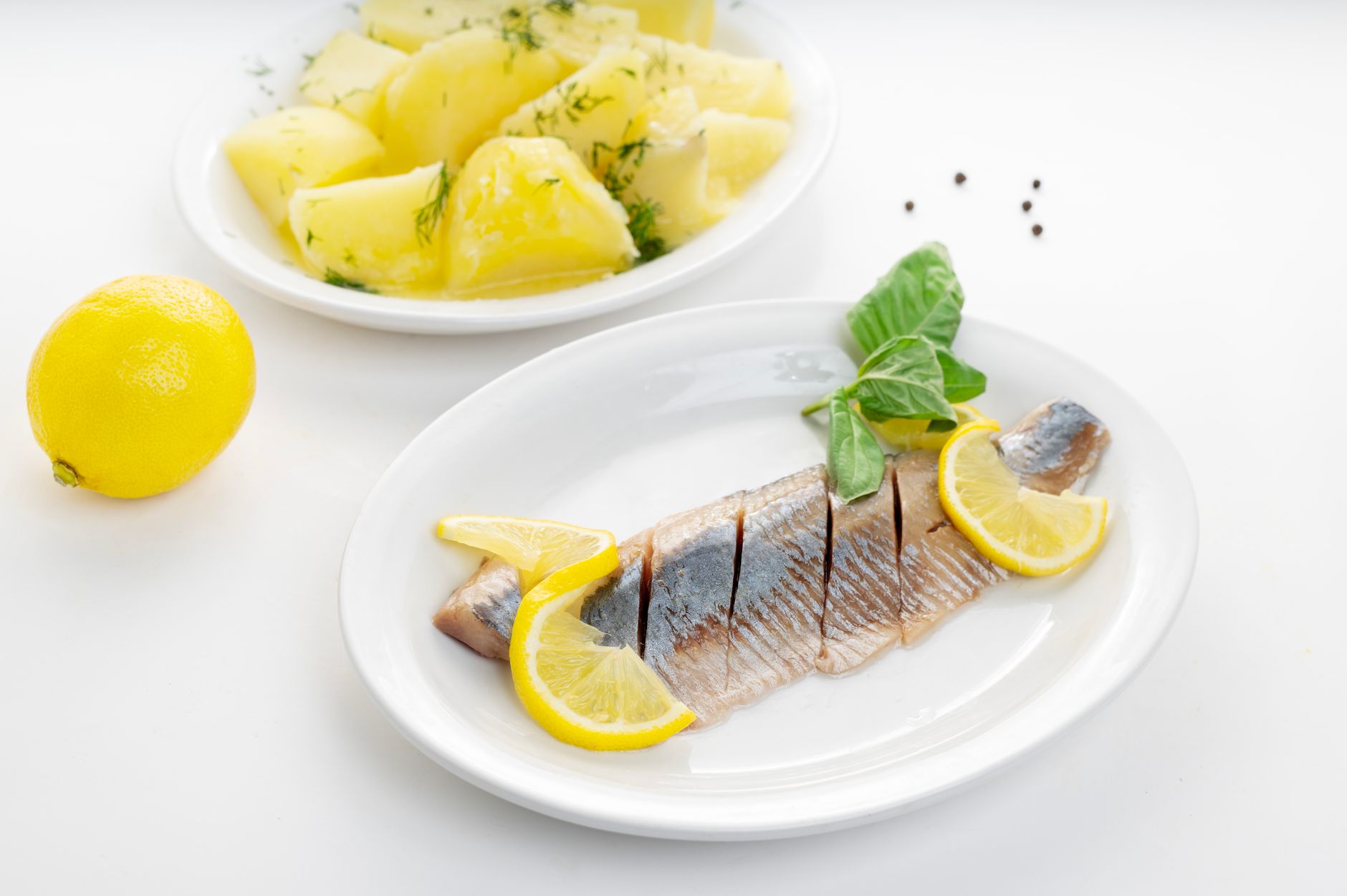
Herring is a small, oily fish that is both flavorful and versatile, making it a favorite in various cuisines around the world. Known for its rich taste and high omega-3 fatty acid content, herring can be prepared in numerous ways, including pickling, smoking, and frying. This article delves into what herring is, its culinary uses, and how to incorporate it into your diet.
Whether you are curious about how to cook herring, looking for recipe ideas, or wanting to understand its nutritional benefits, this comprehensive guide will help. You will also learn about its various preparations, cultural significance, and suggestions for storage and serving.
What Is Herring?
Herring is a common name for several species of small, migratory fish belonging to the Clupeidae family. Most well-known species include Atlantic herring, Pacific herring, and the more recently popularized Bering herring. Herring typically measures 8-15 inches in length and is distinguished by its silver scales and streamlined body.
This fish is predominantly found in the North Atlantic, particularly in coastal and estuarine waters. Herring thrives in large schools, often swimming in the upper layers of water. They are an important food source for many marine animals, including larger fish, seals, and seabirds.
Nutritional Value of Herring
Herring is not only delicious but also packed with nutrients. A 100-gram serving of herring can provide the following:
- Calories: 230
- Protein: 25 grams
- Fat: 13 grams (of which most are heart-healthy omega-3 fatty acids)
- Vitamins: Rich in Vitamin D and B12
- Minerals: Contains selenium, calcium, and phosphorus
These attributes have made herring a staple food in health-conscious diets. The omega-3 fatty acids found in herring can contribute to improved heart health, better brain function, and anti-inflammatory effects. It is possible to enjoy herring in moderation as part of a balanced diet, but as always, consult with a healthcare provider if you have concerns.
Culinary Uses of Herring
Herring can be enjoyed in various forms, offering different flavors and textures. Here are some popular ways to prepare and consume herring:
1. Pickled Herring
One of the most traditional methods of preparing herring, especially in Scandinavian and Eastern European countries, is by pickling. The fish is soaked in a mixture of vinegar, sugar, and spices, which preserves and intensifies its flavor. Pickled herring can be served as an appetizer or part of a smorgasbord.
2. Smoked Herring
Smoking herring adds a distinct flavor and aroma to the fish. Often found in grocery stores, smoked herring can be enjoyed as-is, in salads, or used to enhance the flavor of soups and spreads.
3. Fried Herring
Fried herring is popular in many cultures. The fish is often coated in flour or breadcrumbs, then pan-fried until crispy. This preparation allows the fish’s natural flavors to shine, providing a satisfying texture.
4. Raw Herring Sashimi
In some cuisines, raw herring is enjoyed as sashimi, often served with soy sauce and wasabi. Freshness is crucial for this style of preparation, so sourcing high-quality fish is essential.
How to Choose and Store Herring
When selecting herring, whether fresh or packaged, consider the following:
- Fresh Herring: Look for firm flesh, bright eyes, and a clean sea smell. Avoid any fish that appears dull or has a strong odor.
- Packaged Herring: Check the packaging date and ensure it is properly sealed. Choose options that do not contain any additives or preservatives if possible.
For storing herring:
- Fresh Herring: Keep it in the coldest part of your refrigerator and use it within 1-2 days.
- Pickled or Smoked Herring: Typically has a longer shelf life; follow the specific storage instructions on the package.
- Freezing: You can freeze herring for up to three months. Ensure it is tightly wrapped to prevent freezer burn.
Simple Herring Recipes
Below, you’ll find a couple of straightforward recipes to enjoy herring in its different preparations. These recipes allow you to experience the unique flavors of herring in a variety of ways.
Pickled Herring Recipe
This classic pickled herring recipe is simple and can be customized to your taste.
Yield: About 4 servings
Preparation Time: 20 minutes, plus marinating time
Total Time: At least 24 hours
Ingredients:
- 2-3 herring fillets (fresh or thawed)
- 1 cup apple cider vinegar
- 1 cup water
- ½ cup sugar
- 1 small red onion, thinly sliced
- 1 teaspoon black peppercorns
- 2-3 bay leaves
- Optional: 1 teaspoon mustard seeds or allspice berries
Essential Equipment:
- Glass jar with tight-sealing lid
- Small saucepan
- Whisk or spoon
Method:
- In a small saucepan, combine apple cider vinegar, water, sugar, and spices. Heat over medium heat, stirring until the sugar dissolves. Do not boil.
- In a glass jar, layer the herring fillets with the onion slices.
- Pour the vinegar solution over the herring and onions, ensuring the fish is fully submerged.
- Seal the jar tightly and let it cool to room temperature, then transfer it to the refrigerator.
- Allow the herring to marinate for at least 24 hours before serving. The flavors will intensify the longer it sits.
Serve pickled herring with rye bread, boiled potatoes, or on a salad. It also pairs wonderfully with a shot of vodka!
Smoked Herring Spread
This smoked herring spread is an excellent addition to a cheese board or as a dip for crackers and vegetables.
Yield: About 6 servings
Preparation Time: 10 minutes
Total Time: 10 minutes
Ingredients:
- 1 cup smoked herring, skin and bones removed
- 1/2 cup cream cheese, softened
- 2 tablespoons yogurt or sour cream
- 1 tablespoon lemon juice
- 1 tablespoon fresh dill, chopped (or 1 teaspoon dried dill)
- Salt and pepper, to taste
Essential Equipment:
- Mixing bowl
- Fork or spatula for mixing
Method:
- In a mixing bowl, combine smoked herring, cream cheese, yogurt, and lemon juice.
- Mix well with a fork until smooth and creamy. Stir in dill, and season with salt and pepper.
- Transfer the mixture to a serving dish. Cover and refrigerate for at least 30 minutes to allow flavors to meld.
Serve the smoked herring spread with crackers, pita chips, or fresh vegetables for a delightful appetizer.
Cooking Techniques for Herring
Herring can be prepared in various ways, each method enhancing its natural flavor.
Grilling Herring
Grilling herring is best done with whole fish, as it protects the delicate flesh from the grill’s heat:
- Preheat the grill to medium heat.
- Make sure the fish is cleaned and scaled, then season with salt, pepper, and a drizzle of oil.
- Place the fish directly on the grill or on a grilling mat.
- Cook for 5-7 minutes per side, depending on thickness; the fish is done when it flakes easily with a fork.
Broiling Herring
Broiling is another great method to prepare herring, especially fillets:
- Preheat your broiler.
- Place herring fillets on a broiler-safe pan and season them as desired.
- Broil for about 3-5 minutes or until the flesh is opaque and flakes easily.
Be sure to monitor closely; broiling can cook quickly!
Common Mistakes When Cooking Herring
Cooking herring can be straightforward, but a few common mistakes can affect the result:
- Overcooking: Herring cooks very quickly, and overcooking can lead to dry, tough fish. Monitor cooking times closely.
- Not seasoning: Due to its rich flavor, herring requires adequate seasoning to highlight its taste. Don’t skip adding salt, herbs, or marinades.
- Ignoring freshness: Since herring is oily, freshness is crucial for the best flavor. Always buy from reputable sources and ensure proper storage.
Serving Suggestions and Pairings
Herring can shine on its own, but it also pairs beautifully with various foods:
- Serve pickled herring with boiled potatoes and sour cream for a hearty meal.
- Pair smoked herring spread with crusty bread, pickles, and a selection of cheeses for an elegant appetizer.
- Incorporate herring into salads with greens, beets, and a dressing of lemon and olive oil for a light and refreshing dish.
Conclusion
Herring is a versatile, nutritious fish that can enhance various dishes in your cooking repertoire. By exploring its different preparations—from pickling to smoking—you gain insight into the culinary possibilities this fish offers. Whether for a festive gathering or a simple home-cooked meal, herring can be a flavorful addition to your kitchen.
For more delicious seafood recipes, check out our lox recipe and learn how to make a flavorful lox bagel for breakfast or brunch!