
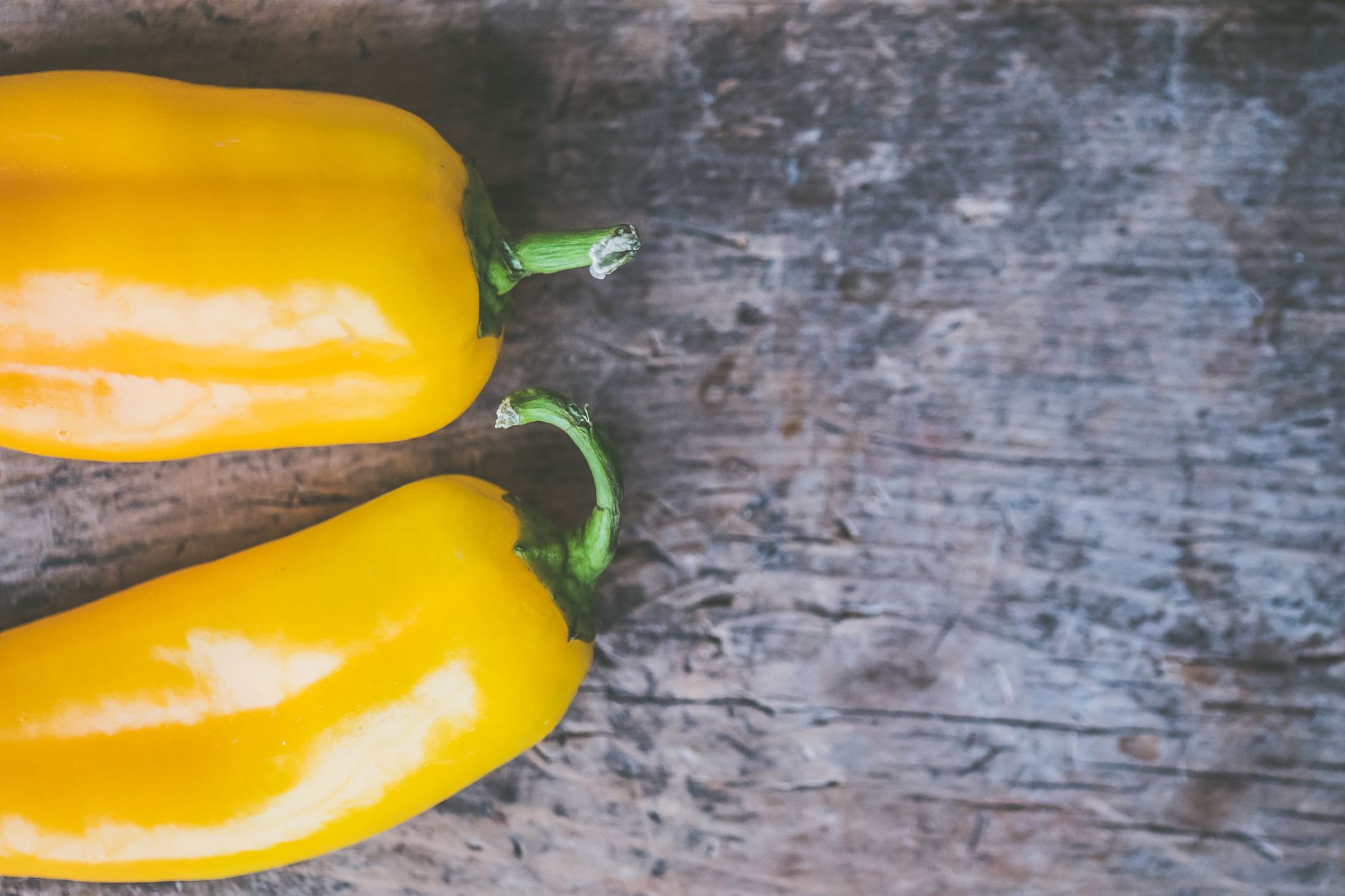
The anti-inflammatory diet has gained popularity as a potential way to combat chronic inflammation, which is believed to contribute to various health conditions. But how safe is this diet, and what does it entail? Exploring these questions can lead to a better understanding of how to approach this dietary choice effectively and safely.
This article will delve into what an anti-inflammatory diet includes, its benefits, potential risks, and practical tips to incorporate it into daily life. We aim to provide you with the knowledge you need to make informed decisions about your eating habits.
Is Anti Inflammatory Diet Safe?
Yes, an anti-inflammatory diet is generally considered safe for most people. It focuses on whole foods rich in antioxidants and healthy fats while minimizing processed foods. However, individual responses to certain foods may vary, warranting some caution and personalized adjustments.
What is an Anti-Inflammatory Diet?
An anti-inflammatory diet emphasizes consuming foods that can help reduce inflammation in the body. It typically includes fruits, vegetables, whole grains, lean proteins, healthy fats, and herbs and spices known for their anti-inflammatory properties.
Foods Commonly Included
- Fruits: Berries, cherries, oranges, and apples.
- Vegetables: Leafy greens, broccoli, cauliflower, and peppers.
- Whole grains: Brown rice, quinoa, and oats.
- Lean proteins: Fish, poultry, beans, and legumes.
- Nuts and seeds: Almonds, walnuts, chia seeds, and flaxseeds.
- Healthy fats: Olive oil, avocados, and fatty fish such as salmon.
- Herbs and spices: Turmeric, ginger, garlic, and cinnamon.
Foods to Avoid
- Processed foods high in sugar and unhealthy fats.
- Refined carbohydrates like white bread and pastries.
- Excessive salt and sodium-rich foods.
- Soda and sugary beverages.
Benefits of an Anti-Inflammatory Diet
Following an anti-inflammatory diet can offer numerous health benefits. Research suggests it may help with weight management, reduce the risk of chronic diseases, and enhance overall well-being.
1. Weight Management
Many anti-inflammatory foods are nutrient-dense, which means they provide a lot of nutrition without excessive calories. Incorporating these foods can support weight loss or maintenance.
2. Chronic Disease Prevention
Regularly consuming anti-inflammatory foods may reduce the risk of chronic diseases such as heart disease, diabetes, and even certain cancers. Studies indicate a link between inflammation and these health issues.
3. Improved Digestive Health
A diet rich in fiber from fruits, vegetables, and whole grains can support digestive health. A healthy gut can play a key role in overall inflammation levels in the body.
4. Enhanced Mood and Mental Health
Emerging research suggests that an anti-inflammatory diet can positively impact mental health. Foods rich in omega-3 fatty acids, for example, are linked to improved mood and cognitive function.
5. Greater Energy and Well-being
Incorporating a variety of colorful, nutrient-rich foods can enhance energy levels and improve overall feelings of well-being. Proper nutrition fuels the body and helps manage inflammation effectively.
Potential Risks and Considerations
While the anti-inflammatory diet is generally safe, there are a few considerations to keep in mind.
1. Individual Food Sensitivities
Each person may respond differently to certain foods. For instance, while most people benefit from fish, those with seafood allergies should avoid it. Understanding individual sensitivities is key.
2. Nutritional Balance
Though the anti-inflammatory diet encourages healthy eating, individuals should ensure they are consuming a balanced diet with adequate amounts of protein, fats, and carbohydrates.
3. Supplement Use
Some people may opt for supplements to enhance their anti-inflammatory efforts. However, it’s crucial to consult a healthcare professional to avoid interactions and ensure safety.
4. Chronic Conditions
Individuals with certain medical conditions should seek medical advice before starting an anti-inflammatory diet. For example, those with kidney disease must be cautious about protein intake.
How to Implement an Anti-Inflammatory Diet Safely
Transitioning to an anti-inflammatory diet can be simple and enjoyable. Here are practical tips for implementing it safely:
1. Start Slow
Gradually introduce more anti-inflammatory foods into your meals instead of making sudden, drastic changes to your diet. This approach can make the transition easier.
2. Educate Yourself
Understanding which foods to embrace and which to avoid is essential. Familiarize yourself with the anti-inflammatory principles, and keep a list of recommendations handy.
3. Meal Planning and Prep
Plan your meals weekly to ensure you include a variety of anti-inflammatory foods. Prepping meals in advance can help you stay on track with your dietary goals.
4. Experiment with Recipes
Discover new recipes that incorporate anti-inflammatory ingredients. Try dishes featuring vibrant vegetables, spices, and healthy fats to keep your meals exciting.
5. Stay Hydrated
Proper hydration is crucial. Opt for water, herbal teas, or infused waters with fruits and herbs to complement your anti-inflammatory diet.
Sample Meal Plan to Introduce an Anti-Inflammatory Diet
Below is a simple one-week meal plan designed to help you integrate anti-inflammatory foods into your diet.
| Day | Breakfast | Lunch | Dinner | Snack |
|---|---|---|---|---|
| Monday | Overnight oats with berries and chia seeds | Salad with mixed greens, chickpeas, and olive oil | Grilled salmon with quinoa and steamed broccoli | Sliced apple with almond butter |
| Tuesday | Smoothie with spinach, banana, and flaxseed | Whole grain wrap with turkey and avocado | Vegetable stir-fry with tofu and brown rice | Carrot sticks with hummus |
| Wednesday | Greek yogurt with walnuts and honey | Lentil soup with whole grain bread | Baked chicken with sweet potatoes and green beans | Berries with chia pudding |
| Thursday | Chia seed pudding with coconut milk | Quinoa salad with black beans and bell peppers | Fish tacos with cabbage slaw and avocado | Handful of mixed nuts |
| Friday | Oatmeal with banana and cinnamon | Tuna salad over mixed greens | Stuffed bell peppers with ground turkey and brown rice | Orange slices |
| Saturday | Avocado toast on whole grain bread | Grilled vegetable wrap with hummus | Chicken curry with spinach and brown rice | Sliced cucumbers with tzatziki |
| Sunday | Fruit smoothie bowl topped with granola | Roasted vegetable salad with quinoa | Savory oatmeal with eggs and avocado | Dark chocolate with almonds |
Common Mistakes When Following an Anti-Inflammatory Diet
While transitioning to an anti-inflammatory diet, people often encounter pitfalls. Here are some common mistakes to avoid:
1. Over-relying on Supplements
Relying solely on supplements can lead to nutrient imbalances. Focus primarily on obtaining nutrients from whole foods.
2. Inconsistent Variety
Failing to incorporate a wide variety of foods can limit the benefits. Aim for colorful plates filled with different fruits and vegetables.
3. Ignoring Food Quality
Not all processed foods are created equal. While reducing processed foods is key, it’s also important to prioritize high-quality, minimally processed options.
4. Skipping the Consultation
Not consulting a healthcare professional before making significant dietary changes can lead to unintended consequences, especially for individuals with pre-existing conditions.
5. Neglecting Lifestyle Factors
Diet is just one aspect of a healthy lifestyle. Regular physical activity, adequate sleep, and stress management also play vital roles in reducing inflammation.
Storage Tips for Anti-Inflammatory Foods
1. Store Whole Grains and Nuts in Cool, Dark Places
2. Use Produce Wisely
3. Properly Store Seafood
Conclusion
The anti-inflammatory diet can be a safe and beneficial option for many people. By focusing on whole, nutrient-rich foods, it can support overall health and help manage inflammation. Pay attention to your body’s individual responses, consult professionals when necessary, and enjoy the diverse flavors that come with this healthy eating style.
For those looking to embrace healthy eating, consider checking out our chia pudding recipe for a nutritious breakfast, or learn if moringa is good for you as a supplement to your meals at chia pudding recipe and is moringa good for you.