
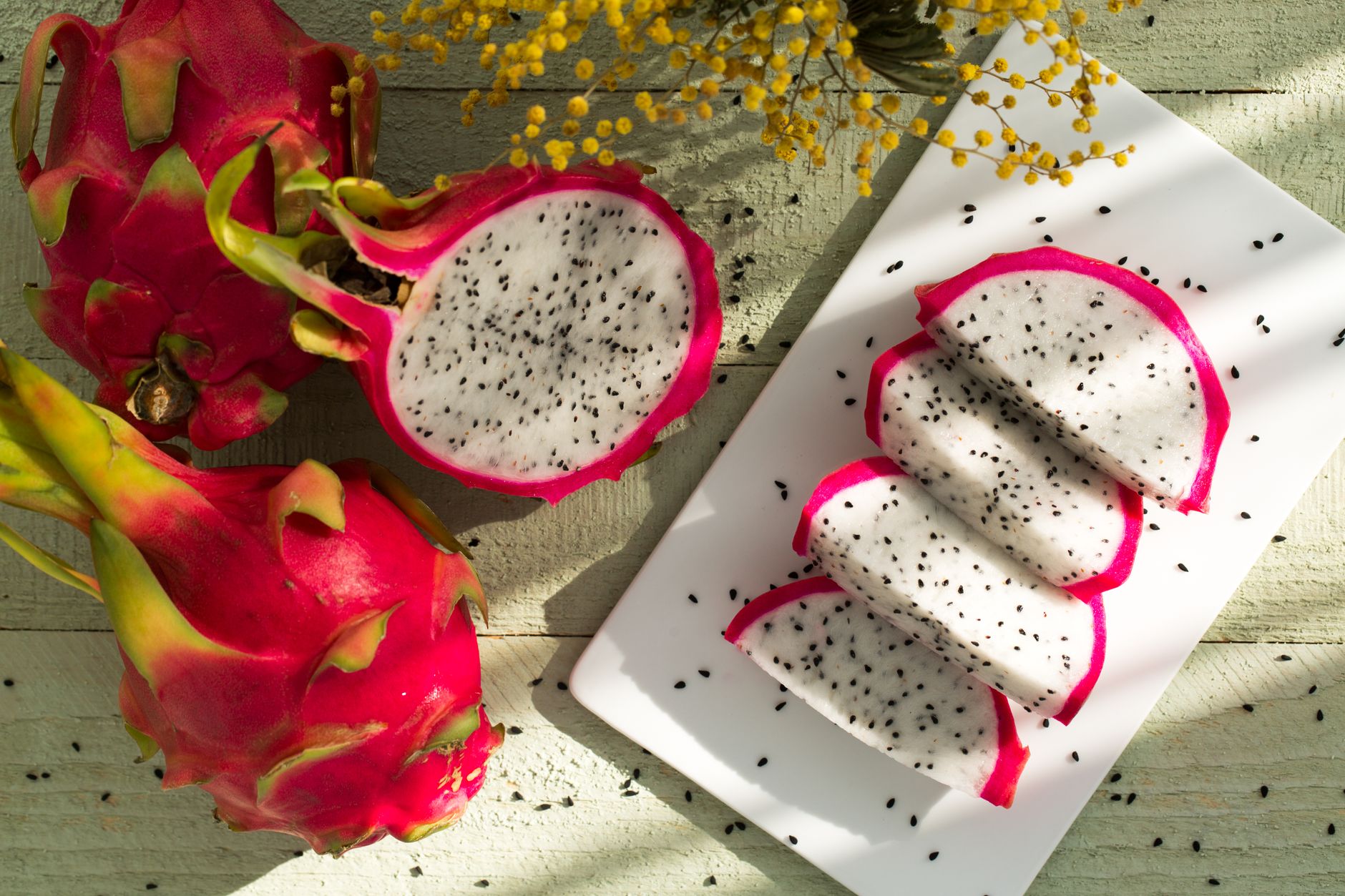
Dragon fruit, also known as pitaya, is a vibrant and exotic fruit that has gained popularity for its unique appearance and refreshing taste. With its bright pink or yellow skin and green, scale-like tips, this tropical fruit offers both visual appeal and a subtly sweet flavor. Learning how to cut a dragon fruit properly is essential to enjoy its delicate flesh and make the most out of its culinary potential.
This guide will take you through the steps to cut a dragon fruit effectively, detailing the chosen tools, proper techniques, and tips to maximize both safety and flavor. Whether you want to chop it for a fruit salad, add it to smoothies, or serve it as a beautiful garnish, you’ll be well-equipped to handle this exotic fruit.
How Do You Cut A Dragon Fruit?
To cut a dragon fruit, first wash the fruit, then slice it in half lengthwise. You can scoop out the flesh with a spoon or cut it into cubes straight from the skin. The interior can be enjoyed fresh or added to various dishes.
Choosing Your Dragon Fruit
Before cutting, it’s essential to select a ripe dragon fruit. Here’s what to look for:
- Color: Choose a fruit that has a bright, even color. Pink skin should be vivid, while yellow varieties should be uniform and free of blemishes.
- Texture: Ripe dragon fruit will give slightly when pressed, similar to a ripe avocado. If it feels very hard, it may not be ready.
- Tips: The green tips or scales should be fresh and vibrant, not brown or wilted.
Essential Tools for Cutting Dragon Fruit
Gather the following tools before you start:
- Sharp Knife: A chef’s knife works best for cutting through the skin.
- Cutting Board: A clean, stable surface is crucial for safe cutting.
- Spoon: If you plan to scoop the flesh from the skin, a regular spoon or a grapefruit spoon will work well.
- Paper Towels: To keep your hands and work area clean.
Step-by-Step Instructions on How to Cut a Dragon Fruit
Follow these steps for cutting your dragon fruit effectively:
- Wash the Fruit: Rinse the dragon fruit under cold water to remove any dirt or residues. Pat it dry with a paper towel.
- Trim the Ends: Use your knife to cut about an inch off each tip of the dragon fruit. This ensures a clean opening and removes any tough or dried-out parts.
- Slice in Half: Place the dragon fruit on the cutting board. Hold it steady and slice it in half lengthwise. You should see the striking white or red flesh studded with tiny black seeds.
- Scoop or Slice:
- If you prefer scooping: Use a spoon to gently scoop the flesh away from the skin. Be sure to get as much as possible without breaking the skin.
- If you prefer slicing: Make vertical and then horizontal cuts in the flesh of each half while still in the skin, creating cubes. Then use the spoon to pop out the cubes into your serving bowl.
- Remove the Skin: If you’ve scooped the flesh, discard the skin. If you’ve cut it into cubes, simply enjoy the pieces as desired.
Using Dragon Fruit in Your Culinary Creations
Dragon fruit is not just visually appealing but also adds a light, refreshing flavor to various dishes. Here are some ways to use it:
- Smoothies: Blend pieces of dragon fruit with yogurt, banana, and a splash of coconut milk for a creamy smoothie.
- Fruit Salad: Incorporate dragon fruit cubes into a colorful fruit salad alongside watermelon, pineapple, and kiwi.
- Garnish: Utilize the visually striking fruit as a garnish on desserts or in cocktail drinks for added flair.
- Salsa: Mix chopped dragon fruit with diced cucumber, red onion, and lime juice for a refreshing salsa to enjoy with grilled fish or chicken.
- Frozen Treats: Puree the fruit and mix it with sugar, pour it into molds, and freeze for a healthy popsicle.
Common Mistakes When Cutting Dragon Fruit
A few mistakes can hinder your experience with dragon fruit. Here are some common errors to avoid:
- Not Washing the Fruit: Always wash fruit before cutting to eliminate potential contaminants.
- Using a Dull Knife: A dull knife can make cutting difficult and increase the risk of slipping. Always use a sharp knife.
- Cutting Too Shallow: If you don’t cut deep enough, the flesh might remain attached to the skin, making it harder to scoop out.
- Wasting the Flesh: Make sure to scoop out all of the edible flesh, as dragon fruit has a low yield compared to its size.
Troubleshooting Tips
If you find cutting your dragon fruit challenging, consider these troubleshooting tips:
- If the Fruit Is Unripe: If the dragon fruit feels hard, let it ripen at room temperature for another day or two.
- If the Skin Is Tough: Ensure you are using a sharp knife. If you are still having trouble, you may need to apply more pressure.
- If the Flesh Is Dry: This may indicate that the fruit is overripe. Always choose fruits that feel slightly soft to the touch.
Storage and Preservation of Dragon Fruit
To keep your dragon fruit fresh after cutting or to store whole fruits, consider these guidelines:
- Whole Fruit: Store uncut dragon fruit in a cool, dry place for up to a week. Refrigeration is not necessary until cut.
- Cut Fruit: Store cut dragon fruit in an airtight container in the refrigerator. It should be consumed within 2-3 days for optimum freshness.
- Freezing: Dragon fruit can be frozen for use later in smoothies or snacks. Slice the flesh into cubes, spread on a baking sheet to freeze individually, and then transfer to a freezer-safe bag.
Health Benefits of Dragon Fruit
Beyond its delicious flavor, dragon fruit offers various health benefits:
- Rich in Antioxidants: Dragon fruit contains antioxidants which may help reduce inflammation and promote overall health.
- High in Fiber: The fruit is a good source of dietary fiber, promoting digestive health.
- Low in Calories: With its high water content, dragon fruit is low in calories, making it a guilt-free snack option.
- Boosts Immune System: Its vitamin content, especially vitamin C, may help strengthen the immune system.
Creative Uses for Dragon Fruit Skin
Do not throw away the skin after cutting! The vibrant outer layer of the dragon fruit can be used in creative, sustainable ways:
- Edible Decorations: Use the skin to create bowls or serve as unique garnishes for fruit salads.
- Natural Dyes: The vivid color of dragon fruit skin can be used to dye fabrics naturally.
- Compost: If you’re not using the skin in food preparation, consider composting it to enrich your garden.
Summary
Cutting a dragon fruit is a straightforward process that enhances your culinary adventures. By selecting the right fruit, using proper techniques, and exploring the many ways to enjoy its flavor, you can elevate your meals to new heights. Remember to experiment with different recipes or uses, from smoothies to salads, and consider using the skin creatively.
For more culinary tips and guidance on a variety of ingredients and techniques, explore our collections on different ways to use fruits, healthy smoothie recipes, and more exciting cooking methods. Enjoy your dragon fruit adventure!