
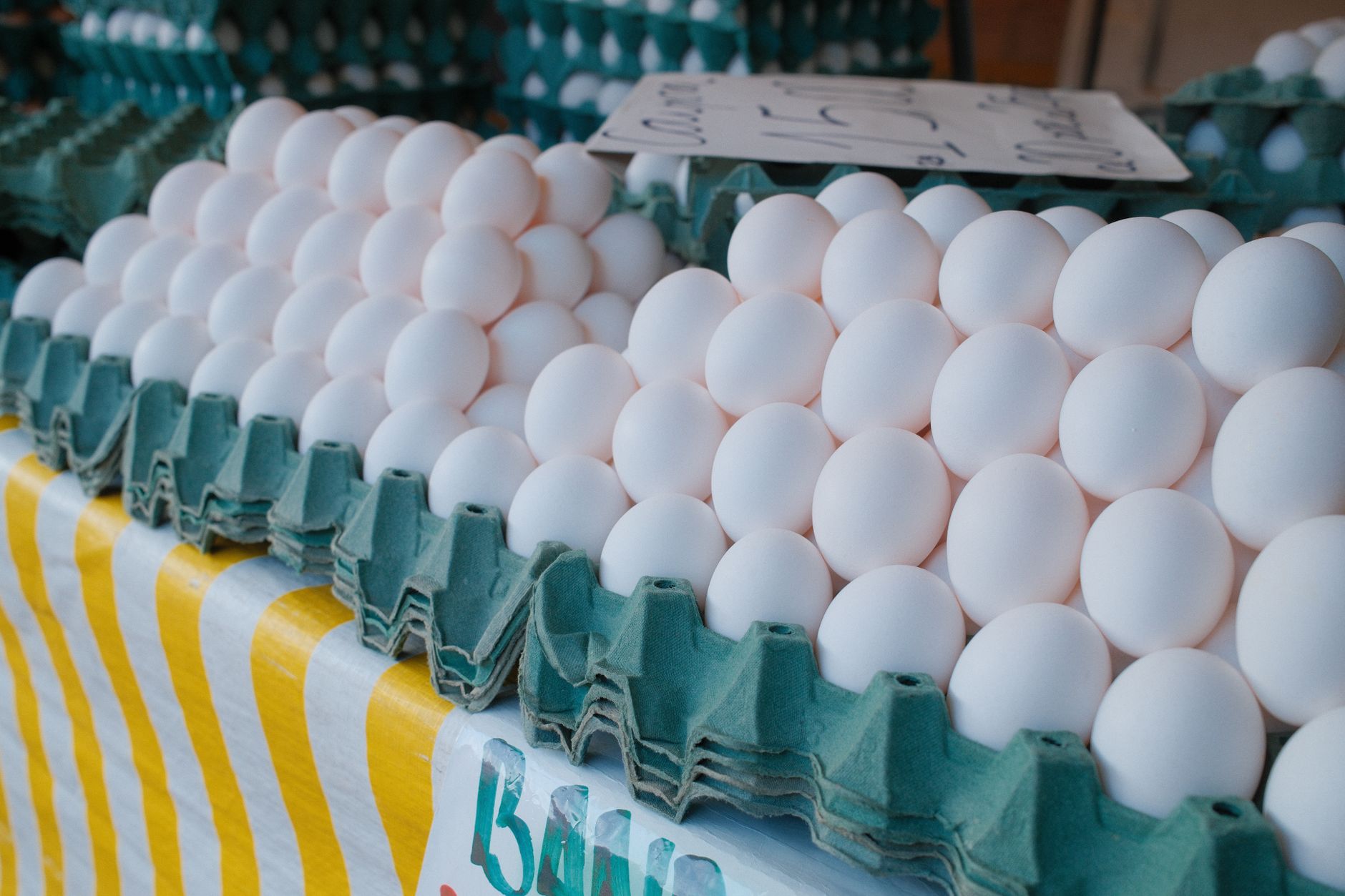
Understanding the shelf life of eggs is essential for both food safety and meal planning. Many people often wonder how long eggs last after the sell-by date indicated on the carton. This guide provides detailed information on egg expiration, storage methods, and tips for ensuring your eggs remain fresh for as long as possible.
In this article, we will delve into the science behind egg shelf life, how to properly check the freshness of your eggs, culinary uses for older eggs, and how to best store them at home. Let’s get started!
How Long Do Eggs Last After Sell By Date?
Typically, eggs can be used safely for 3 to 5 weeks after the sell-by date if stored correctly. However, their freshness can be assessed using several methods. Factors such as storage conditions and the way eggs are handled can also influence their longevity.
Understanding Sell By, Best By, and Expiration Dates
Egg cartons often contain various dates that can add to the confusion regarding freshness:
- Sell By Date: This date tells retailers how long to display eggs for sale. It’s not an indicator of safety but rather a guideline for quality.
- Best By Date: This date suggests when eggs will be at their best quality in terms of taste and texture.
- Expiration Date: This is the final date that should be considered for safe consumption.
Understanding these dates can help you make informed decisions about your eggs. Note that quality can last well beyond the sell-by date if eggs are stored correctly.
Factors Affecting Egg Freshness
Several factors can influence the freshness of eggs, which helps determine how long they will last after the sell-by date:
- Storage Temperature: Keeping eggs at a consistent and cold temperature (ideally below 40°F/4°C) is crucial for extending their shelf life.
- Shell Integrity: Cracks or breaks in the eggshell can lead to bacterial contamination, reducing the egg’s safe lifespan.
- Humidity Levels: High humidity can compromise eggs by encouraging bacterial growth.
- Overall Handling: The way eggs are handled during transportation, purchase, and storage significantly impacts their longevity.
How to Check the Freshness of Eggs
Before using eggs approaching or past their sell-by date, it’s important to check their freshness. Here are some reliable methods:
The Float Test
One of the most common methods to determine if eggs are still fresh is the float test:
- Fill a bowl or glass with water.
- Gently place the egg in the water.
- Observe:
- If the egg sinks and lays flat on the bottom, it is fresh.
- If it stands upright on the bottom, it is still safe to eat but should be used soon.
- If it floats to the top, it has gone bad and should be discarded.
Crack and Smell Test
If an egg passes the float test, crack it open and check the following:
- Appearance: Fresh eggs have a clear, thick egg white and a firm yolk. If the whites appear watery or the yolk is flattened, the egg is no longer fresh.
- Smell: A foul odor is a sure sign that an egg has spoiled. If you detect any unusual smells, discard the egg.
Storage Tips for Extending Egg Freshness
Proper egg storage not only preserves their quality but also minimizes food waste. Here are effective storage tips:
- Refrigerate Promptly: Store eggs in their original carton in the refrigerator right after purchase to reduce the risk of bacterial contamination.
- Keep Them in the Original Carton: The carton protects the eggs from absorbing strong smells and flavors from other foods.
- Store in the Coldest Part of the Refrigerator: The best storage location is typically towards the back of the fridge, not in the door where temperatures fluctuate.
- Do Not Wash Eggs: Washing eggs can remove a protective coating, making them more susceptible to bacteria.
Culinary Uses for Older Eggs
Even if eggs are past their sell-by date but still show signs of freshness, there are many culinary uses:
- Hard-Boiled Eggs: Older eggs peel more easily, making them excellent for hard-boiling.
- Baking: Older eggs can be used in baking, where they are incorporated into batters or doughs, as they will be cooked thoroughly.
- Scrambled or Fried Eggs: If visually and olfactory checks indicate freshness, these forms are suitable for less exact uses.
Common Mistakes When Storing or Using Eggs
While handling eggs, several common mistakes can shorten their shelf life or lead to food safety issues:
- Leaving Eggs at Room Temperature: Eggs can spoil quickly when left unrefrigerated, especially in warm conditions.
- Cross-Contamination: Introduce bacteria into the eggs by using contaminated surfaces or utensils.
- Ignoring Visual Cues: Failing to assess the egg’s appearance and smell can lead to using spoiled eggs.
Freezing Eggs for Longer Storage
If you have excess eggs that you cannot use in time, freezing is an effective way to extend their shelf life:
How to Freeze Eggs
- Crack the eggs into a bowl.
- Beat the eggs gently until just combined.
- Pour the eggs into an ice cube tray or freezer-safe container, leaving space for expansion.
- Label the container with the date.
- Freeze until solid. Transfer the frozen egg portions to a freezer bag for long-term storage.
Frozen eggs can last up to a year in the freezer. Note that while freezing does alter the texture, they are perfect for baking or cooking where texture is less critical.
Thawing Frozen Eggs
When you’re ready to use thawed eggs, follow these steps:
- Thaw overnight in the refrigerator.
- Use them within 24 hours after thawing for best quality.
Summary and Key Takeaways
Knowing how long eggs last after the sell-by date involves understanding their shelf life, proper storage, and freshness checking methods. Generally, eggs can last 3 to 5 weeks past the sell-by date when stored correctly in the refrigerator.
Both the float test and checking for off smells are effective ways to determine freshness. Properly stored eggs can be used in various culinary applications, even if they are slightly past their prime. If uncertain, always err on the side of caution and discard eggs that show signs of spoilage.
For those with surplus eggs, freezing them can be a smart solution to prolonging their shelf life while preventing waste. As a golden rule, always handle eggs with care to maximize their freshness and safety.
For more information on egg safety and storage, you may also find these articles helpful: When Do Eggs Go Bad? and How Long Can You Keep Eggs in the Refrigerator?.