
Baking chicken is a versatile and rewarding cooking method, capable of producing a wide range of delicious meals. One of the most common questions when preparing chicken is determining the ideal baking temperature. Getting this right not only ensures that the chicken cooks evenly but also helps to retain moisture and flavor.
This article will explore the best temperatures for baking chicken, the nuances of different cuts, and tips for achieving perfectly cooked poultry every time. Understanding these elements will help elevate your chicken dishes to a new level.
What Temperature Should You Bake Chicken?
The ideal temperature to bake chicken is typically between 375°F and 425°F (190°C – 220°C). At this range, chicken will cook evenly, develop a golden-brown surface, and remain juicy inside. However, the specific temperature can depend on the cut of chicken and the desired result.
Understanding Chicken Cuts and Their Cooking Temperatures
Various chicken cuts can require slightly different temperatures and cooking times. Here’s a breakdown of how different cuts perform at various baking temperatures:
Whole Chicken
For a whole chicken, the best baking temperature is around 375°F (190°C). This lower temperature allows for even cooking throughout the bird, ensuring the breast does not dry out before the thighs are fully cooked. Bake a whole chicken for approximately 1.5 to 2 hours, depending on its size.
Chicken Breasts
Boneless, skinless chicken breasts are best baked at a higher temperature of about 425°F (220°C). This temperature allows for quicker cooking while also helping to retain moisture. Bake for 20 to 30 minutes, or until the internal temperature reaches 165°F (74°C).
Chicken Thighs and Drumsticks
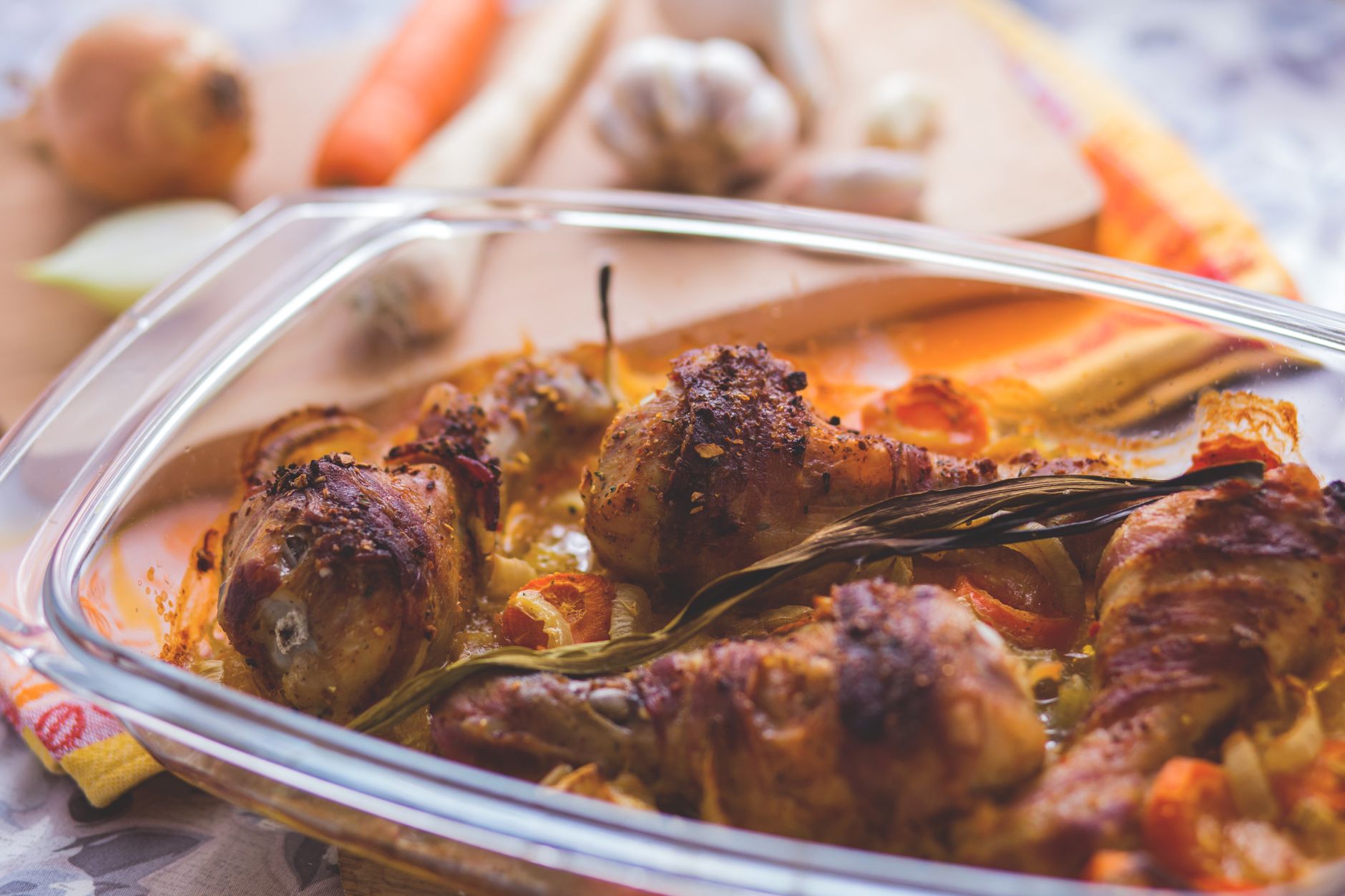
Chicken thighs and drumsticks benefit from baking at 400°F (200°C) for optimal flavor and juiciness. The slightly higher temperature helps render the fat and achieve a crispy skin. Bake for 35 to 45 minutes until reaching the safe internal temperature.
Chicken Wings
For crispy chicken wings, a temperature of 425°F (220°C) is recommended. This allows the skin to become crispy while retaining moisture inside. Wings should be baked for approximately 30 to 40 minutes, turning halfway through for even cooking.
Using a Meat Thermometer for Perfect Results
Regardless of the chicken cut or baking temperature, it’s crucial to use a meat thermometer to check for doneness. The internal temperature of chicken should reach 165°F (74°C) to ensure it is safe to eat. Insert the thermometer into the thickest part of the chicken without touching the bone for the most accurate reading.
Preparing Chicken for Baking
Preparation plays a significant role in the final result. Here are some tips to ensure your chicken turns out perfectly baked:
- Pat Dry: Before seasoning, pat the chicken dry with paper towels. This helps achieve a crispy skin.
- Season Generously: Use salt, herbs, and spices to enhance flavor. Marinating the chicken beforehand can also add depth to the dish.
- Bring to Room Temperature: For more even cooking, let the chicken sit at room temperature for about 30 minutes before baking.
Tips for Baking Chicken
Here are additional tips for ensuring your chicken turns out delectable:
- Use a Roasting Pan: A roasting pan allows for adequate air circulation, ensuring the chicken cooks evenly.
- Baste for Moisture: If desired, baste the chicken with its juices halfway through cooking to enhance flavor and moisture.
- Let It Rest: Allow the chicken to rest for about 10 minutes after baking. This helps the juices redistribute, resulting in succulent meat.
Common Mistakes When Baking Chicken
Even seasoned cooks can make errors in the kitchen. Here are some common mistakes to avoid:
- Not Using a Thermometer: Trusting visual cues can be misleading; always check the internal temperature.
- Overcrowding the Pan: This can trap steam and hinder the browning process, leading to soggy skin.
- Baking Cold Chicken: Placing cold chicken directly into the oven can cause uneven cooking.
Common Variations and Substitutions
There are many ways to personalize your chicken dish when baking. Here are a few substitutions and variations:
- Spices: Experiment with different spice blends such as cajun, Italian seasoning, or lemon pepper.
- Fat: Instead of butter or olive oil, consider using avocado oil or ghee for a different flavor profile.
- Vegetable Additions: Place vegetables around the chicken, such as carrots, potatoes, or bell peppers, to create a one-pan meal.
Creative Baking Techniques for Chicken
While straightforward baking is popular, there are other creative cooking techniques that can yield impressive results:
Spatchcocking
Spatchcocking is a method where you remove the backbone of the chicken, allowing it to lay flat. This technique reduces cooking time and promotes even browning. Spatchcock a whole chicken and roast it at 425°F (220°C) for approximately 45 minutes.
Stuffing
Stuffing chicken can introduce flavors from vegetables, herbs, or even fruits. Stuff a whole chicken with lemons, garlic, and fresh herbs, and bake at 375°F (190°C) for 1.5 hours.
Storage and Reheating Tips
Proper storage is essential to maintain chicken’s safety and quality:
- Refrigeration: Store leftovers in an airtight container in the refrigerator, where they can last for up to four days.
- Freezing: For longer storage, freeze cooked chicken in a freezer-safe bag or container, where it can last for up to four months.
- Reheating: Reheat chicken in the oven at 350°F (175°C) until warmed through, avoiding microwaves that may dry out the meat.
Conclusion
Understanding the best temperatures and techniques for baking chicken can significantly enhance your culinary results. Whether you’re preparing a whole chicken, breasts, thighs, or wings, ensuring you follow the right guidelines can help you achieve delicious, juicy, and satisfying meals. Take the time to prep your chicken, use the right temperatures, and enjoy the flavorful outcomes.
Explore more recipes and cooking techniques to further your kitchen skills. Learn how long to bake chicken legs at 400 degrees for deliciousness or discover how long to cook chicken per pound for perfect results.