
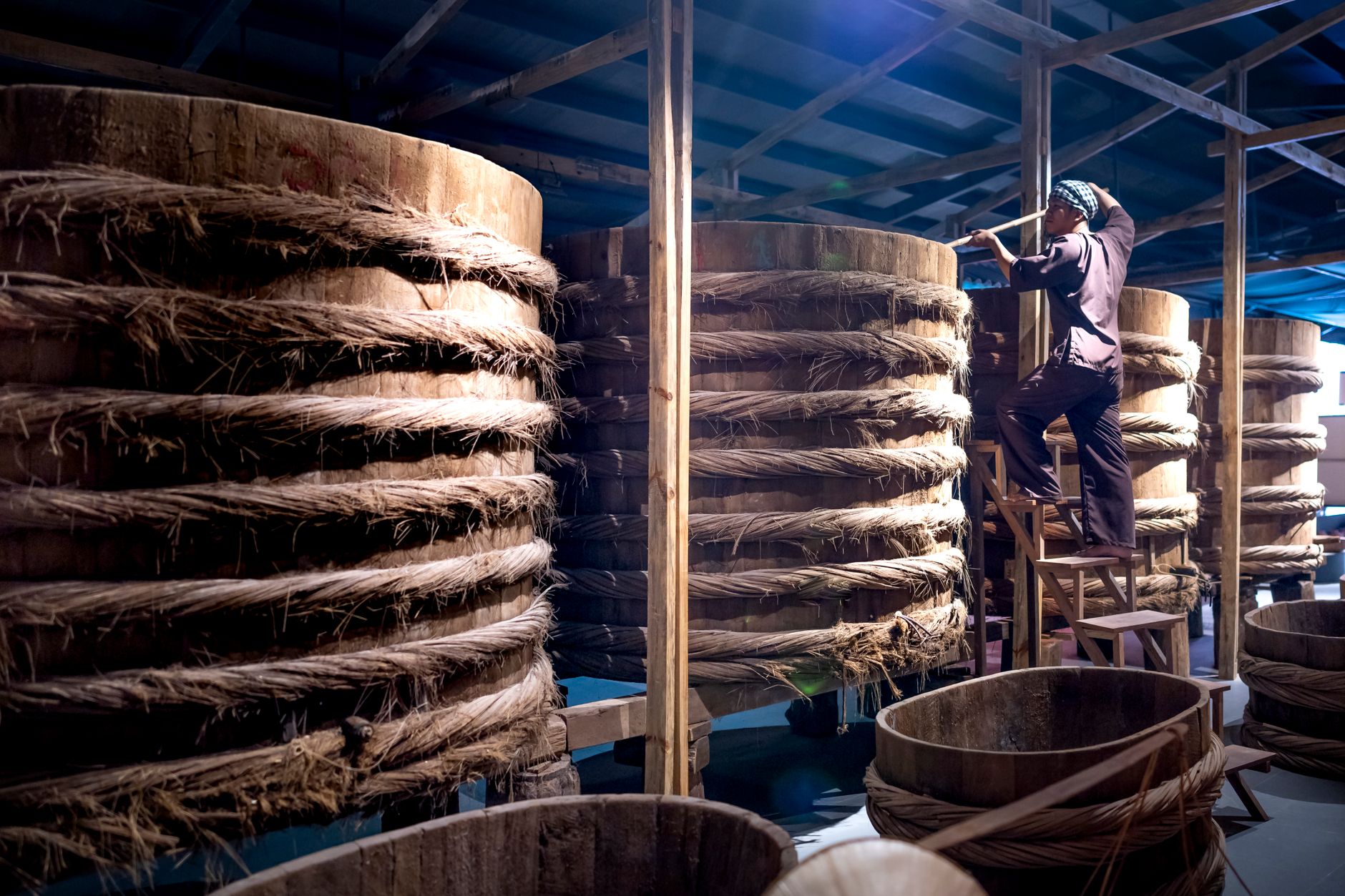
Soy sauce is a beloved condiment and ingredient in many culinary traditions, particularly in Asian cuisine. Its rich, umami flavor enhances a wide range of dishes, from stir-fries to sushi. Understanding how soy sauce is made not only demystifies this staple but also helps one appreciate its complex taste.
This guide will take you through the intricate process of soy sauce production, from the key ingredients to the fermentation techniques that develop its unique flavor profile. By the end, you’ll have a thorough understanding of how soy sauce is crafted.
How Is Soy Sauce Made?
Soy sauce is made through the fermentation of soybeans and wheat, resulting in a savory liquid that adds depth and complexity to dishes. The process can vary depending on the style and region of soy sauce, but the basic principles remain the same.
The Key Ingredients in Soy Sauce
The primary ingredients required for making soy sauce are relatively simple. A traditional recipe typically includes:
- Soybeans: The main protein source, which provides the foundation for flavor.
- Wheat: Usually roasted and ground, it contributes to the sauce’s sweetness and complexity.
- Salt: Essential for flavor and serves as a preservative.
- Water: Used to create the brine and facilitate fermentation.
Optional Ingredients
Depending on the specific type of soy sauce, additional ingredients may be included, such as:
- Koji mold (Aspergillus oryzae): This is used in some methods to help break down starches and proteins.
- Fermentation cultures: Specific bacteria and yeasts that can vary by regional recipes.
The Soy Sauce Production Process
The soy sauce-making process can be divided into several key stages: soaking and cooking, fermentation, and aging. Here’s a step-by-step breakdown of each stage.
1. Soaking and Cooking Soybeans
- Soaking: Start by soaking the soybeans in water for about 12 to 24 hours to rehydrate them.
- Cooking: After soaking, steam or boil the soybeans until they are soft. This typically takes around one to two hours.
2. Roasting and Grinding Wheat
- Roasting: Roast the wheat grains at around 300°F (about 150°C) for 30 to 40 minutes until they are golden brown.
- Grinding: Once roasted, the wheat is cooled and then ground into a coarse powder.
3. Mixing the Ingredients
Combine the cooked, crushed soybeans with the ground wheat in a fermentation vessel. Once combined, add salt and water to create a thick paste called “koji.”
4. Fermentation
Fermentation is the heart of soy sauce production, as it allows the ingredients to transform into the flavorful liquid people enjoy today. The process can differ based on whether you are making naturally brewed soy sauce or chemically produced soy sauce.
Natural Fermentation
In natural fermentation, the koji mixture is inoculated with a specific mold and was allowed to ferment for several days. This koji helps break down proteins and starches into amino acids and sugars, gradually developing the umami flavors characteristic of quality soy sauce. Following this, the mixture is transferred to a fermentation tank where it is mixed with brine (water and salt).
This brine acts to support the growth of beneficial bacteria and yeasts that will contribute to the fermentation process. This stage usually lasts from 6 months to several years. The longer the fermentation, the richer the flavor of the soy sauce.
Chemical Production
Conversely, chemical production employs hydrolysis to speed up the process, only taking from several hours to a few days. This method results in a soy sauce that lacks depth and complexity compared to naturally brewed varieties. Ingredients such as hydrochloric acid are added to alter protein and starch, resulting in a product that mimics the flavors of natural soy sauce.
Aging the Soy Sauce
After fermentation, the soy sauce mixture goes through an aging process. This step not only allows flavors to meld but also contributes to the final aroma and color. Traditionally, the mixture would be left in wooden barrels for several months. Today, stainless steel tanks are often used for consistency and hygiene.
Filtration and Pasteurization
Once aging is complete, the soy sauce undergoes filtration to remove solids, yeast, and other residues. The liquid is then pasteurized to kill any remaining bacteria, ensuring the sauce is shelf-stable. This step involves heating the soy sauce to about 176°F (80°C) for a short period.
Bottling and Storage
After pasteurization, the soy sauce is cooled and ready to be bottled. Depending on regional preferences, soy sauce may be sold as a raw product or aged further in bottles.
To store soy sauce, keep it in a cool, dark place. While it can last for years due to its high salt content, refrigeration is recommended once opened to maintain optimal flavor.
The Different Types of Soy Sauce
Understanding the various types of soy sauce can enhance your cooking and ability to pair them with specific dishes.
1. Light Soy Sauce
Light soy sauce is thin and salty, commonly used in stir-frying and dipping. It’s key for seasoning dishes without changing their color drastically.
2. Dark Soy Sauce
Dark soy sauce is thicker and sweeter, often utilized to add color and richness to sauces and marinades. It has a more robust flavor profile compared to light soy sauce.
3. Tamari
Tamari is a gluten-free option primarily made from soybeans, often used as a substitute in various recipes. It has a richer flavor and can include trace amounts of wheat, so check labels.
4. Sweet Soy Sauce
Common in Indonesian and Thai cuisine, sweet soy sauce has added sugar, giving it a thick, syrupy consistency. It’s essential in marinades and dipping sauces.
Cooking with Soy Sauce
Using soy sauce in your cooking opens up a world of flavors. Here are some practical tips for incorporating it into your dishes:
- Use light soy sauce for everyday cooking, stir-fries, or marinades.
- Opt for dark soy sauce when you want to add color and a richer flavor to braises and stews.
- In dips and dressings, tamari is a great choice for a gluten-free option.
- Sweet soy sauce works well in glazes and as a drizzle over grilled meats.
Common Mistakes to Avoid
Here are some pitfalls to watch out for when cooking with soy sauce:
- Overusing soy sauce can make dishes overly salty. Start with less and adjust to taste.
- Don’t confuse light and dark soy sauce; use them appropriately in terms of flavor and color.
- Storing soy sauce improperly can lead to loss of flavor over time.
Substitutions for Soy Sauce
If you’re out of soy sauce or need a replacement for dietary reasons, here are some suitable substitutions:
- Coconut aminos: A soy-free, lower-sodium alternative that adds sweetness.
- Liquid aminos: Made from soy protein, it mimics the flavor closely, though it’s often lower in sodium.
- Homemade soy sauce substitute: Combine vegetable broth with a bit of apple cider vinegar and a pinch of salt for a quick fix.
Nutrition and Health Considerations
While soy sauce offers profound flavor to many dishes, it’s important to use it in moderation due to its high sodium content. For individuals on low-sodium diets, choosing reduced-sodium options may be beneficial.
Some people also experience allergies to soy, making it crucial to check labels when purchasing soy sauce or its alternatives. Always consult with a healthcare provider or nutritionist regarding dietary concerns.
Conclusion
The process of making soy sauce is a fascinating blend of traditional craftsmanship and fermentation science. Understanding how soy sauce is made gives you a greater appreciation for its role in cooking and allows you to choose the right type for any dish. Explore various soy sauce options and incorporate them into your culinary repertoire to enhance your meals.
To dive deeper into related flavors, consider exploring how to make homemade oyster sauce or try your hand at a bibimbap sauce for a delightful addition to your meals.