
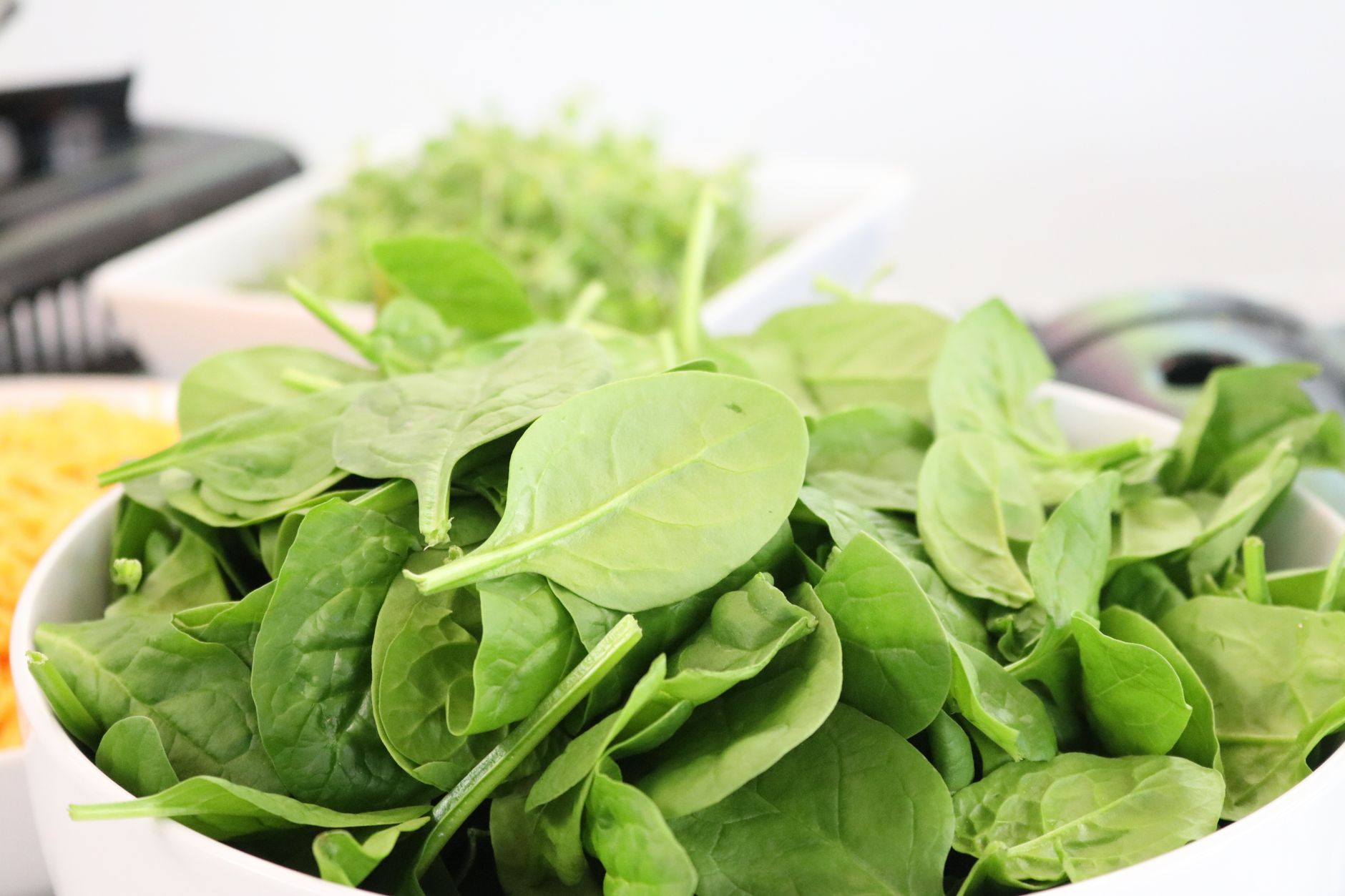
When it comes to nutritious leafy greens, spinach often tops the list thanks to its vibrant color and versatile culinary applications. Rich in vitamins and minerals, many health enthusiasts also wonder about its protein content, especially those following vegetarian or plant-based diets.
Understanding how much protein is in spinach can help you make informed dietary choices, whether you’re looking to boost your protein intake or simply enjoy a healthy meal. In this article, we will explore the protein content of spinach, its nutritional profile, culinary uses, and ways to incorporate it into your meals.
How Much Protein Is in Spinach?
Spinach contains approximately 2.9 grams of protein per 100 grams when raw. However, it’s essential to note that the cooking process can affect the protein content due to the loss of moisture and the concentration of nutrients.
When cooked, spinach yields about 3.6 grams of protein per 100 grams, as it reduces in volume significantly. Therefore, incorporating cooked spinach into your diet can effectively increase your overall protein intake.
The Nutritional Profile of Spinach
In addition to its protein content, spinach is a powerhouse of vitamins and minerals. Here are some key nutritional highlights:
- Vitamins: Spinach is rich in Vitamin A, Vitamin K, Vitamin C, and several B vitamins, offering various health benefits, including good vision, blood clotting, and immune support.
- Minerals: It provides essential minerals such as iron, calcium, magnesium, and potassium, which are important for bone health, muscle function, and blood pressure regulation.
- Fiber: With 2.2 grams of fiber per 100 grams, spinach can promote digestive health and help regulate blood sugar levels.
- Antioxidants: Spinach is packed with antioxidants, including lutein and zeaxanthin, which support eye health.
How to Incorporate Spinach into Your Diet
Spinach’s mild flavor and tender texture make it a versatile ingredient in various dishes. Here are some popular ways to include spinach in your meals:
1. Smoothies
Adding a handful of fresh spinach to your smoothies is an excellent way to sneak in nutrients without altering the flavor significantly. Pair it with fruits like bananas, berries, or mangoes for a nutritious breakfast or snack.
2. Salads
Fresh spinach makes a delightful base for salads. Combine it with ingredients like nuts, berries, cheese, and your favorite dressing for a healthful and satisfying meal.
3. Sautéed Spinach
Sauté spinach with garlic and olive oil as a simple side dish. This cooking method helps enhance its flavor while providing a delicious complement to many main courses.
4. Soups and Stews
Adding spinach to soups or stews provides not only nutrition but also a pop of color. Simply stir in fresh or frozen spinach towards the end of cooking for added health benefits.
5. Omelets and Frittatas
Incorporating spinach into breakfast dishes like omelets or frittatas adds flavor and nutrition. Mix chopped spinach with eggs and your choice of vegetables and cheese for a hearty meal.
Protein Sources in Comparison to Spinach
While spinach does offer a decent amount of protein for a vegetable, it’s helpful to compare its protein content with other food sources, particularly for those focused on building muscle or increasing protein intake.
| Food Item | Protein Content (per 100g) |
|---|---|
| Spinach (cooked) | 3.6g |
| Chicken breast, cooked | 31g |
| Lentils, cooked | 9g |
| Tofu | 8g |
| Quinoa, cooked | 4g |
As you can see, while spinach provides protein, other options like chicken, lentils, and tofu offer significantly higher amounts. Therefore, spinach should complement other protein sources in a well-rounded diet, especially if you are looking to meet specific protein targets.
Cooking Techniques that Preserve Nutritional Value
When cooking spinach, the goal is to retain as much nutritional value as possible. Here are some effective cooking techniques to keep in mind:
1. Steaming
Steaming spinach briefly helps preserve its nutrients while removing some of its water content. Steam spinach for 2-3 minutes until wilted but still vibrant in color.
2. Sautéing
Sautéing in a small amount of oil allows you to enhance flavor without excessively cooking the spinach. A few minutes over medium heat is usually sufficient.
3. Blanching
Blanching spinach quickly in boiling water and then immersing it in ice water stops the cooking process and preserves color and nutrients. This method is great for salads or freezing.
4. Raw Consumption
Consuming spinach raw in salads or smoothies maximizes its nutrient availability. This way, you also consume its fiber, contributing to digestive health.
Storage Tips for Fresh Spinach
Proper storage of spinach can extend its shelf life and maintain nutritional quality:
- Refrigeration: Store fresh spinach in the refrigerator crisper drawer in a perforated plastic bag. Avoid washing before storing, as moisture can speed up decay.
- Freezing: To store spinach long-term, blanch it first, then cool and drain. Pack it into airtight containers or freezer bags to prevent freezer burn.
- Use Quickly: Fresh spinach is best consumed within 3 to 5 days of purchase for optimal freshness and quality.
Common Misconceptions about Spinach
Despite its popularity, there are several misconceptions about spinach that are worth clarifying:
1. Spinach is High in Calcium
While spinach contains calcium, the presence of oxalates in spinach can inhibit calcium absorption, making it less effective for bone health compared to other sources like dairy or fortified products.
2. Spinach Contains More Protein than Meat
Many people believe that spinach offers comparable protein content to animal proteins. This misconception can lead to inadequate protein intake if relied upon solely.
3. Cooked Spinach is Less Nutritious
While some nutrients are lost when cooking spinach, this process also increases the bioavailability of certain minerals, making cooked spinach a valuable part of the diet.
Conclusion
Spinach serves as a delicious and nutritious addition to various meals, offering a modest protein contribution alongside its rich array of vitamins and minerals. By leveraging different cooking methods and pairing spinach with protein-rich ingredients, you can create balanced meals that cater to your dietary needs.
Experience the diverse culinary possibilities of spinach, and don’t hesitate to incorporate this vibrant green into your weekly meal plans.
Explore more about protein-rich options with our delicious protein brownies or sweeten your day with our tempting protein cookies.