
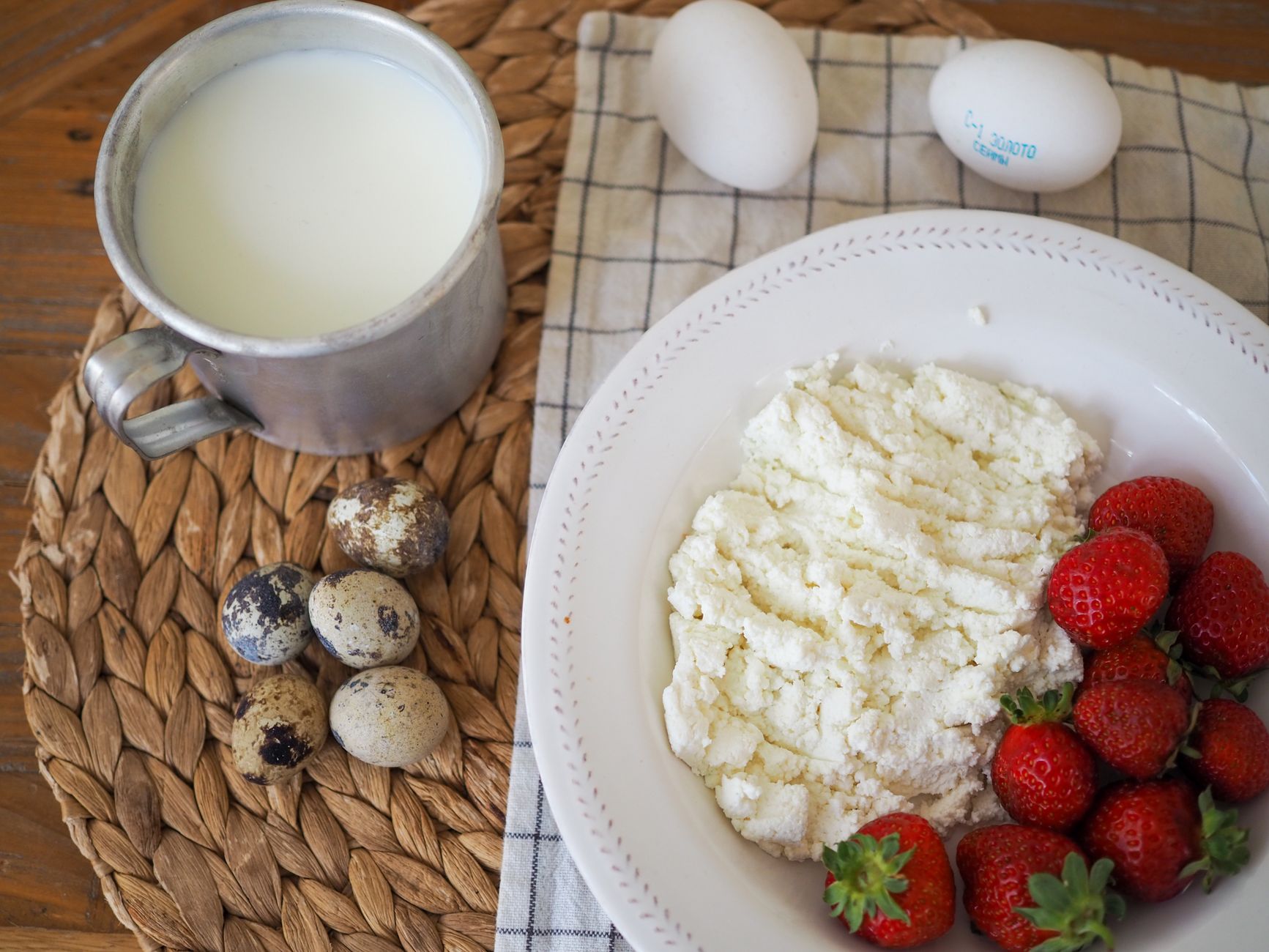
Cottage cheese is a versatile and delicious ingredient often found in many kitchens. Its creamy texture and slightly tangy flavor make it suitable for both sweet and savory dishes. However, once you open a container of cottage cheese, you may wonder how long it will last and how best to store it. Proper storage is key to minimizing waste and ensuring food safety.
This guide will unpack the shelf life of cottage cheese after opening, how to properly store it, and tips to extend its freshness. Let’s explore everything you need to know about cottage cheese and how to keep it delicious for as long as possible.
How Long Does Cottage Cheese Last After Opening?
Once opened, cottage cheese typically lasts about 5 to 7 days in the refrigerator. The actual shelf life can depend on several factors, including the expiration date on the packaging, storage conditions, and the way you handle the cheese. Always check the product for the best-by date before consuming.
Factors Affecting Cottage Cheese Shelf Life
Understanding what impacts the shelf life of cottage cheese can help you maximize its freshness. Here are the main factors:
- Expiration Date: Always begin by checking the expiration date on the container. If there’s a date within the upcoming week, plan to use it as soon as possible after opening.
- Storage Temperature: Ensure your refrigerator is set to 40°F (4°C) or below. Keeping cottage cheese at the right temperature is vital for its longevity.
- Cross-Contamination: Use clean utensils when scooping cottage cheese. Never dip into the container with dirty utensils to avoid introducing bacteria.
- Packaging: Reseal the container tightly after use. If the original packaging is damaged, transfer it to an airtight container.
How to Store Cottage Cheese After Opening
The proper storage of cottage cheese can significantly impact how long it lasts once opened. Here are essentials for effective storage:
Refrigeration
Cottage cheese should always be stored in the refrigerator. Keep it on a shelf rather than in the door—this area has fluctuating temperatures that can affect freshness. Make sure the lid is tightly sealed to prevent exposure to air, which can lead to spoilage.
Airtight Containers
If your cottage cheese comes in a tub that is not resealable, transfer it to an airtight container. This will help preserve its flavor and prevent it from absorbing other odors from your fridge.
Maintaining Freshness
To maintain the best quality of your cottage cheese after opening:
- Store it away from foods with strong odors, as cottage cheese can absorb scents.
- Keep it at the back of the fridge where the temperature is the most consistent.
- Avoid touching the cheese with your fingers to minimize bacteria transfer.
Signs of Spoilage
Knowing the signs of spoilage is essential for food safety. Here are some indicators that your cottage cheese has gone bad:
- Off Smell: A sour or off-putting odor is an immediate sign that the cottage cheese is no longer good.
- Texture Change: If you find excessive liquid separated from the curds or if the cheese appears lumpy and dry, it may have spoiled.
- Flavor: If the cottage cheese tastes off or has an overly sour taste, err on the side of caution and discard it.
- Mold: Any visible mold should immediately prompt disposal of the entire container, as mold can contain harmful bacteria.
Using Cottage Cheese Before It Spoils
To make the most of your cottage cheese, here are some creative ways to incorporate it into your meals:
Cooking and Baking
Cottage cheese can work wonders in various recipes. Try using it in the following ways:
- Pancakes: Substitute cottage cheese for some of the milk in pancake batter for extra fluffiness.
- Baking: Use it in baked goods like cottage cheese brownies for a unique texture. Check out this cottage cheese brownie recipe.
- Cheesecakes: Incorporate it into cheesecake recipes for a lighter, protein-packed option.
- Dips: Blend cottage cheese with herbs and spices for a creamy dip.
In Salads and Snacks
Cottage cheese pairs well with both sweet and savory toppings. Here are some ideas:
- Fruit and Honey: Top cottage cheese with fresh fruits and a drizzle of honey for a sweet snack or breakfast.
- Vegetable Salad: Mix cottage cheese with chopped vegetables, herbs, and a squeeze of lemon for a nutritious salad.
- Veggie Dips: Use cottage cheese as a base for savory dips, perfect for vegetable platters.
- Cottage Cheese Dip: A quick mix of cottage cheese, salsa, and spices makes a great dip. Check this cottage cheese dip recipe for inspiration.
Cottage Cheese Alternatives
If you find yourself out of cottage cheese, there are several alternatives you can consider:
- Ricotta Cheese: This creamy cheese is similar in texture and can work in many of the same applications.
- Greek Yogurt: Offers a similar tangy flavor and is high in protein, making it a healthy substitute.
- Tofu: For a dairy-free option, soft tofu can mimic the texture of cottage cheese, especially in smoothies or dips.
- Paneer: This Indian cheese provides a similar texture and can be used in savory dishes.
Freezing Cottage Cheese
If you know you won’t be able to consume your cottage cheese before it spoils, freezing is an option. However, be mindful that freezing may affect the texture:
How to Freeze Cottage Cheese
- Transfer cottage cheese into a freezer-safe container. Consider separating it into smaller portions for easy use later.
- Leave some space in the container, as cottage cheese will expand as it freezes.
- Label the container with the date and use it within 3 months for the best quality.
Thawing Frozen Cottage Cheese
When ready to use frozen cottage cheese, thaw it in the refrigerator overnight. The texture may change, so it’s best to use it in cooking or baking rather than as a direct topping.
Recap and Summary
In summary, cottage cheese can last about 5 to 7 days after opening when stored correctly in the refrigerator. Always check for signs of spoilage—such as smell, texture, flavor, and mold—before use. With its versatility, cottage cheese can be enjoyed in various dishes, from pancakes to dips.
Next time you open a container of cottage cheese, follow the storage tips and explore the delightful ways to incorporate it into your meals, ensuring you get the best out of it while minimizing waste.
For more delicious recipes and food tips, consider exploring our recipes for cottage cheese dip or cottage cheese brownies.