
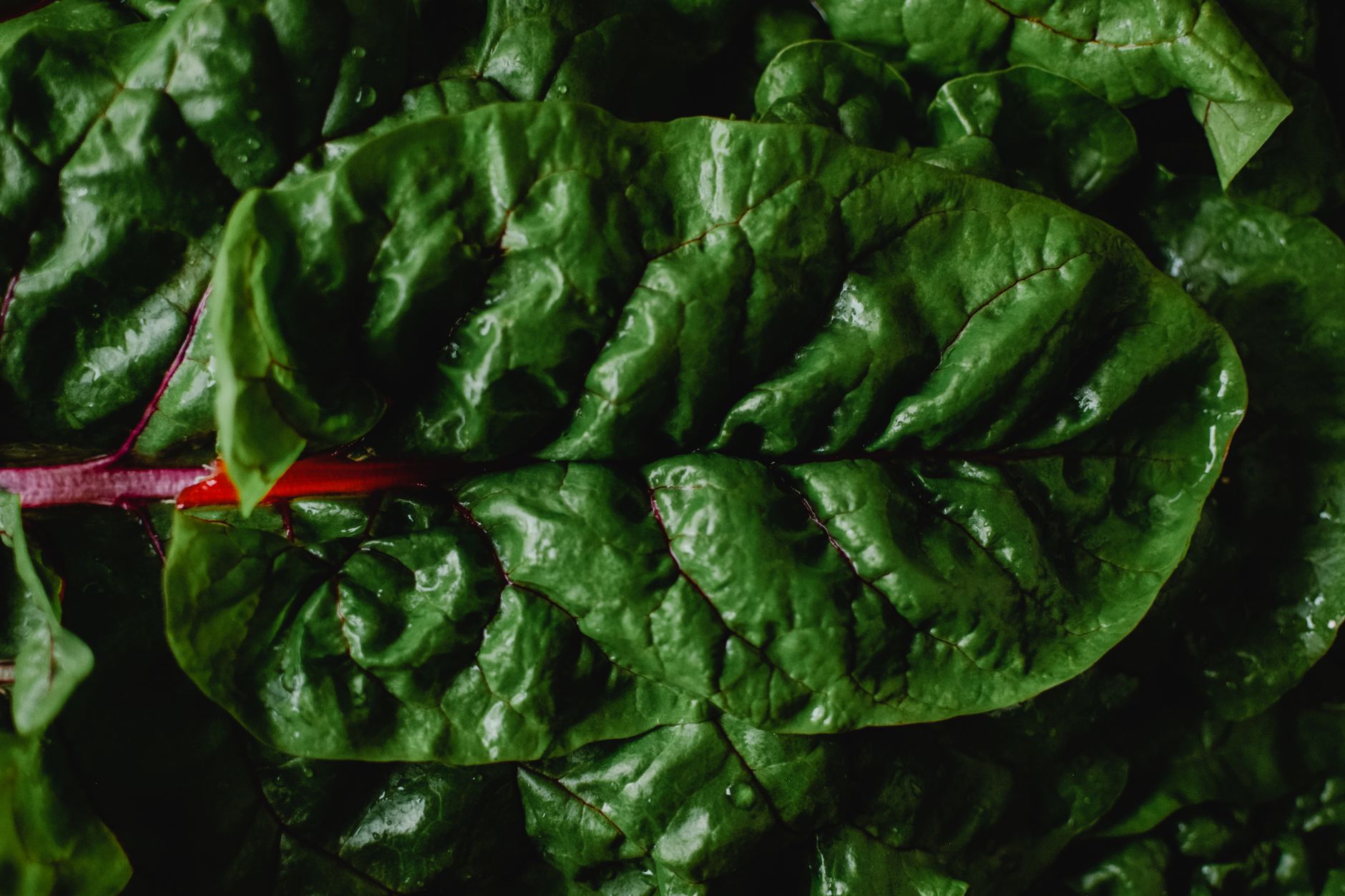
Chard, often referred to as Swiss chard, is a leafy green vegetable known for its vibrant colors and nutrient-rich profile. With broad, crinkled leaves and thick, crunchy stems, chard adds visual appeal and a mild, slightly earthy flavor to a variety of dishes. This article explores chard’s characteristics, culinary uses, health benefits, and tips for cooking and storing it effectively.
As a versatile ingredient, chard can be incorporated into salads, stir-fries, soups, and more. Whether you’re a seasoned cook or new to the kitchen, understanding chard will enhance your cooking repertoire and contribute to a healthier diet.
What Is Chard?
Chard is a member of the beet family (Amaranthaceae) and is cultivated for its edible leaves and stalks. It comes in various varieties, with the most common being green chard, rainbow chard, and Swiss chard. The vibrant, colorful stems of rainbow chard make it particularly popular in salads and garnishes.
Its flavor can be described as mildly sweet and slightly bitter, similar to spinach, but with a unique peppery undertone. Chard is prized for its nutrients, including vitamins A, C, and K, as well as minerals like magnesium, potassium, and iron.
Types of Chard
While all chard varieties share a similar base flavor profile, they each offer unique aesthetic qualities:
- Green Chard: This variety features dark green leaves and white stems. It is the most common and can be used in a wide range of dishes.
- Rainbow Chard: Known for its vibrant stalks in colors like red, yellow, and pink, rainbow chard is visually striking and adds a pop of color to meals.
- Ruby Chard: This type has deep red stems and veins, which can be quite stunning when cooked or added raw to salads.
Nutritional Benefits of Chard
Chard is loaded with nutrients and offers numerous health benefits. Here are some notable aspects:
- High in Vitamins: Chard is rich in vitamins A, C, and K. Vitamin K is essential for blood clotting and bone health, while vitamin A supports vision and immune function.
- Mineral Content: It provides essential minerals such as magnesium, potassium, and iron, which are vital for muscle and nerve function, blood pressure regulation, and overall energy levels.
- Antioxidant Properties: Chard contains antioxidants, which help in reducing oxidative stress in the body, promoting overall health and potentially lowering the risk of chronic diseases.
Selecting and Storing Chard
When choosing chard, look for fresh, vibrant leaves without any signs of wilting, yellowing, or spotting. The stems should be firm and crisp. Here are some tips for storing chard:
- Keep chard in a perforated plastic bag in the refrigerator to maintain freshness. It typically lasts about 3 to 7 days when stored properly.
- Rinse the leaves gently under cold water before use to remove any dirt or grit. Pat dry or spin in a salad spinner.
- For longer storage, chard can be blanched and frozen. Simply blanch for 2 to 3 minutes, cool in ice water, drain, and place in airtight containers for up to six months.
How to Cook Chard
Cooking chard is simple, and you can adjust cooking methods based on how you intend to use it. Here are some common cooking techniques for preparing chard:
Sautéing Chard
Sautéing is a quick and popular method that helps retain chard’s vibrant color and nutrients.
- Heat a tablespoon of olive oil in a large skillet over medium heat.
- Add minced garlic (optional) and cook for 30 seconds until fragrant.
- Add chopped chard leaves and stems. Cook for 4-6 minutes or until the leaves are wilted and tender.
- Season with salt, pepper, and a squeeze of lemon juice before serving.
Steaming Chard
Steaming helps preserve the nutrients while softening the chard.
- Fill a pot with about an inch of water and bring it to a boil.
- Place chard in a steaming basket over the pot. Cover and steam for 4-5 minutes or until tender.
- Transfer to a plate and season as desired.
Adding Chard to Soups and Stews
Chard can enhance soups or stews with flavor and nutrition. Here’s how to add it seamlessly:
- Prepare your soup or stew base as usual.
- Add chopped chard leaves in the last 5-10 minutes of cooking. Stir until wilted.
- Serve immediately for best texture and flavor.
Flavor Pairings with Chard
Chard has a mild flavor that pairs well with various ingredients:
- Citrus: Lemon and orange juice enhance chard’s flavor and add brightness.
- Garlic: Fresh or roasted garlic complements the earthiness of chard perfectly.
- Nuts: Toasted pine nuts, almonds, or walnuts add crunch and richness.
- Other Greens: Chard can be mixed with spinach, kale, or arugula for diverse textural contrasts.
- Cheese: Feta, goat cheese, or Parmesan can add creaminess and umami to chard dishes.
Recipe Ideas Featuring Chard
Now that you understand chard’s selection, storage, and cooking methods, here are some useful recipes that highlight this delicious vegetable:
Chard and Ricotta Stuffed Shells
This dish combines cheesy stuffed pasta with sautéed chard for a flavorful meal. Makes about 4 servings.
- Ingredients:
- 12 large pasta shells
- 2 cups ricotta cheese
- 2 cups cooked chard, chopped
- 1 cup marinara sauce
- 1 cup mozzarella cheese, shredded
- Salt and pepper to taste
- 1 tablespoon olive oil
Instructions:
- Preheat the oven to 375°F (190°C).
- Cook the pasta shells according to package instructions and drain.
- In a bowl, mix ricotta, cooked chard, salt, and pepper.
- Stuff the shells with the ricotta-chard mixture.
- Spread half the marinara sauce on the bottom of a baking dish.
- Place the stuffed shells on top and cover with remaining sauce and mozzarella cheese.
- Bake for 25-30 minutes until bubbly and golden.
Chard and Potato Frittata
This hearty breakfast option is perfect for any time of day. Yields about 4 servings.
- Ingredients:
- 1 cup chopped chard
- 2 medium potatoes, diced
- 6 large eggs
- 1/2 cup feta cheese, crumbled
- 1 small onion, chopped
- Salt and pepper to taste
- 2 tablespoons olive oil
Instructions:
- Preheat the oven to 350°F (175°C).
- In an oven-safe skillet, heat olive oil over medium heat. Add potatoes and onions, cooking until soft.
- Add chopped chard and cook for about 5 minutes until wilted.
- In a bowl, whisk the eggs with salt and pepper. Pour over the vegetables in the skillet.
- Sprinkle feta cheese on top. Cook until the edges are set, then transfer to the oven to bake for 15-20 minutes until the center is firm.
Common Mistakes When Cooking Chard
Even experienced cooks can face challenges when preparing chard. Here are some common pitfalls to avoid:
- Not Washing Thoroughly: Chard can often harbor dirt between its leaves. Always rinse well before cooking.
- Overcooking: Chard cooks quickly, and overcooked leaves can become mushy. Watch for wilted but still vibrant leaves.
- Ignoring Stems: Many cooks discard the stems, but they are edible and flavorful. Cook them longer than the leaves for the best texture.
Chard Substitutions
If you’re unable to find chard, several other greens can serve as suitable substitutes:
- Spinach: Milder in flavor, spinach can be used in similar quantities but will wilt more quickly.
- Kale: A heartier green, kale requires longer cooking but offers a robust flavor.
- Collard Greens: With a similar texture, collards can replace chard in soups and stews with adjustments in cooking time.
- Beet Greens: These have a similar flavor profile and are a direct alternative to chard.
Conclusion
Chard is a versatile and nutrient-dense leafy green that can elevate various dishes. Understanding its characteristics, selecting fresh leaves, and knowing how to cook it will help you reap the many benefits of this vegetable. With its mild flavor and colorful appearance, chard is sure to become a favorite in your culinary adventures.
Explore our related recipes for more inspiration, including a delicious dandelion greens recipe and a flavorful sautéed cabbage recipe.