
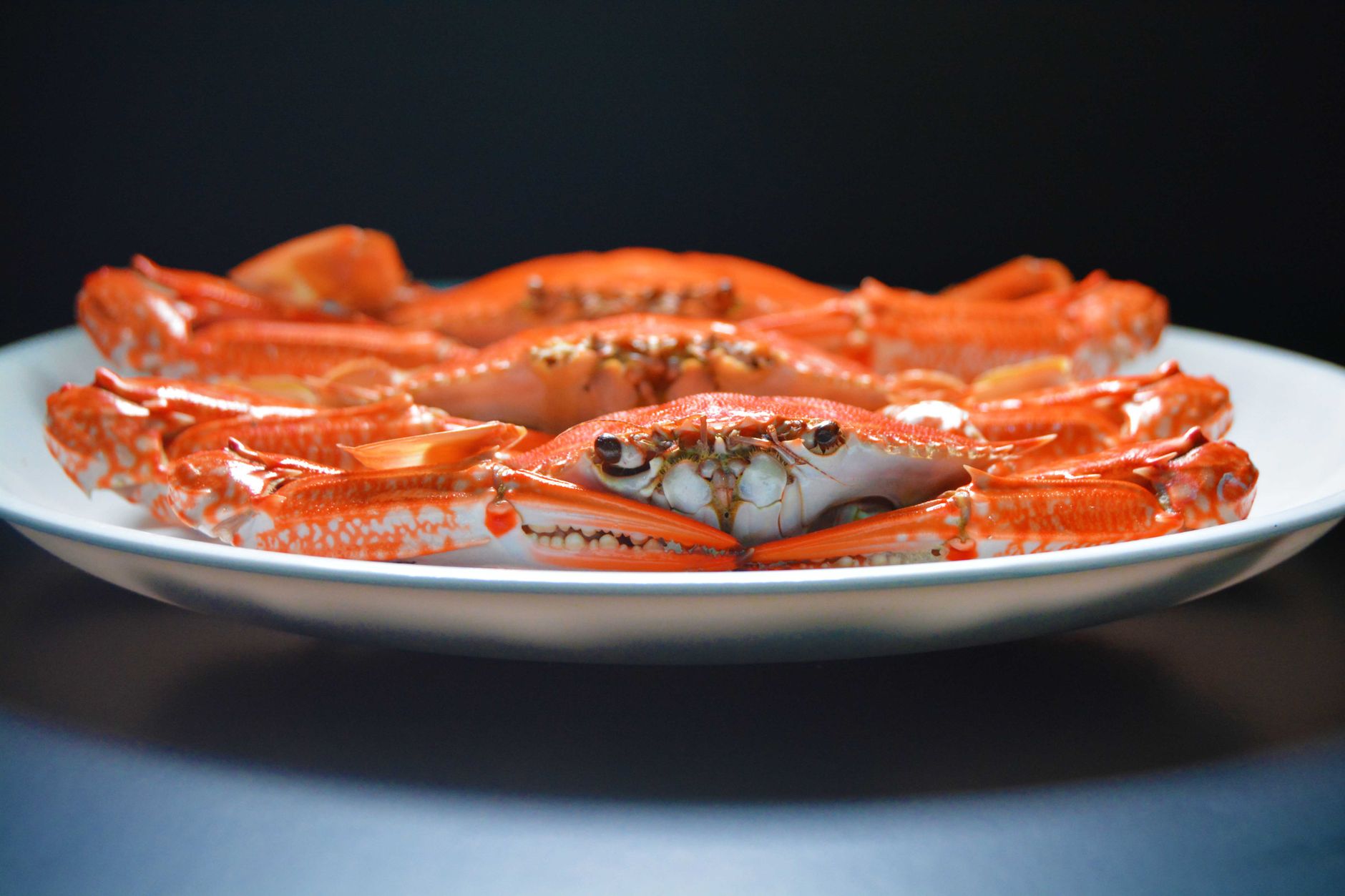
Crab is a beloved seafood delicacy, enjoyed for its sweet, briny flavor and succulent texture. With a range of species available, each offering distinct taste profiles, understanding what crab actually tastes like can enhance your appreciation and culinary experimentation with this versatile ingredient.
In this guide, we’ll explore the various flavors and textures of crab, how to best prepare and cook it, and different culinary applications. We’ll also touch upon buying, storing, and pairing crab with other ingredients to create delicious meals.
What Does Crab Taste Like?
Crab has a unique taste that can be described as sweet and oceanic with a hint of saltiness. The flavor profile varies between species, but in general, crab meat is tender and flaky. The different types of crab, such as Dungeness, King, and Snow, offer their distinct variations in sweetness and richness.
Exploring Different Types of Crab
There are many species of crab, each bringing its own flavor and texture. Here are some of the most popular types you might encounter:
Dungeness Crab
Dungeness crab is known for its sweet meat and tender texture. It has a mildly briny taste, making it a favorite for crab cakes and boiled dishes. The meat is juicy, with a slightly firm texture, which holds up well in various recipes.
King Crab
King crab is often considered the gourmet choice due to its rich, sweet meat and large, succulent claws. The flavor is more intense compared to Dungeness, with a hint of umami that makes it perfect for extravagant dishes. Its meat is also firmer, and many appreciate the fresh, ocean flavor.
Snow Crab
Snow crab has a lighter taste, with a sweet and somewhat delicate flavor. The meat is flaky and tender, making it versatile for numerous recipes, from simple steaming to more complex dishes. Its mildly briny taste complements various sauces and dips.
Soft-shell Crab
Soft-shell crab offers a unique texture and flavor, as the entire crab is edible. The flavor is milder and often described as sweet and buttery. Soft-shell crabs are usually fried or sautéed, providing a delicious crunch that contrasts with their tender meat.
Flavor Comparison of Crab Species
| Crab Type | Flavor Profile | Texture |
|---|---|---|
| Dungeness Crab | Sweet with mild briny notes | Tender, juicy |
| King Crab | Rich, sweet, intense umami | Firm, succulent |
| Snow Crab | Mildly sweet and delicate | Flaky, tender |
| Soft-shell Crab | Slightly sweet and buttery | Soft, with crunchy shell |
Cooking Techniques for Crab
How you prepare crab can significantly affect its taste and texture. Here are some popular cooking methods:
Steaming
Steaming crab is one of the best methods to preserve its natural sweetness and moisture. The process is simple and allows the crab to cook evenly without becoming tough. To steam crab:
- Fill a pot with water and add a steaming basket.
- Bring the water to a boil.
- Add the crab to the basket and cover with a lid.
- Steam for 10-20 minutes, depending on the size of the crab.
Boiling
Boiling crab is another popular method, especially for whole crabs. This technique infuses seasoning flavors into the meat. To boil crab:
- Fill a large pot with water and add salt and seasoning (like Old Bay).
- Bring to a vigorous boil.
- Add the crab and cook for 10-15 minutes.
- Remove and let drain before serving.
Grilling
Grilling crab adds a smoky flavor and a unique char. Split the crab in half or use crab legs, and brush with butter or oil. Grill on medium heat for a few minutes on each side, until they are heated through.
Baking
Baking crab is an excellent option for creating dishes like crab cakes. Mix crab meat with various seasonings, binders, and form patties. Bake in the oven at 375°F for 20-25 minutes until golden and crispy.
Pairing Crab with Other Ingredients
Crab’s sweet and delicate flavor pairs well with a variety of ingredients. Consider these pairings:
- Citrus: Lemon and lime enhance the crab’s natural sweetness.
- Herbs: Parsley, dill, and tarragon add freshness and complexity.
- Spices: Garlic, paprika, and cayenne can add depth and warmth.
- Rich Ingredients: Cream and butter complement the crab’s sweetness.
- Vegetables: Corn, asparagus, and bell peppers provide crunch and texture.
Buying and Storing Crab
When selecting crab, freshness is key. Here’s how to ensure you choose the best:
Buying Fresh Crab
Look for crabs that are lively, with a hard shell and a clean ocean smell. Avoid crabs that appear dry, cracked, or have an off-putting odor.
Storing Crab
Fresh crab should be cooked the same day or kept in the refrigerator for up to two days. When storing cooked crab, place it in an airtight container, and consume it within three days.
Common Mistakes When Cooking Crab
Here are some pitfalls to avoid when cooking crab to ensure the best flavor and texture:
- Overcooking: This can lead to tough meat. Ensure you follow cooking times closely.
- Using too much seasoning: Enhance the natural flavor without overpowering it.
- Not cleaning properly: Rinse crab to remove sand and impurities.
- Ignoring freshness: Always choose the freshest crab possible.
Serving Suggestions
Crab can be served in many ways, depending on the occasion. Here are some ideas:
- Classic crab boil with potatoes and corn.
- Crab cakes served with a zesty remoulade.
- Chilled crab salad with avocado and citrus dressing.
- Grilled crab legs brushed with garlic butter.
- Crab pasta with a creamy parmesan sauce.
Make-Ahead Tips and Meal Planning
Crab can be a refreshing addition to your meal prep. Here are some strategies:
- Cook crab in bulk and store in the fridge for salads and sandwiches throughout the week.
- Make crab cakes ahead of time and freeze them. Simply bake from frozen when ready to serve.
- Prep a crab dip or crab salad that enhances in flavor while sitting in the fridge.
Conclusion
Crab is a versatile and delectable seafood option that brings a distinct flavor and texture to various dishes. Whether you opt for the sweet Dungeness, rich King, or light Snow crab, understanding the taste and best cooking methods can elevate your culinary experiences.
To expand your cooking repertoire, explore related recipes and culinary tips that can inspire new meals, such as the crab apple jelly recipe or recreate a luxurious dish with the Trader Joe’s lobster bisque pasta recipe.