
You bought a bag of chia seeds months ago, used a few tablespoons in smoothies, and now you’re staring at the rest wondering if they’re still safe to eat. Chia seeds can indeed go bad, but their high oil content and natural shelf stability give them a surprisingly long lifespan when stored properly. This guide will show you how to tell if your chia seeds have spoiled, how long they last under different storage conditions, and the best ways to keep them fresh for months or even years.
Chia seeds are packed with omega-3 fatty acids, fiber, and protein, making them a pantry staple for smoothies, puddings, baked goods, and grain bowls. Because these tiny seeds contain oils, they can eventually turn rancid, but understanding their shelf life and storage needs will help you use them confidently and avoid waste.
Do Chia Seeds Go Bad?
Yes, chia seeds can go bad, primarily through rancidity caused by the oxidation of their natural oils. Whole chia seeds stored in a cool, dry place typically last one to two years past their printed date, while ground chia seeds spoil faster due to increased surface exposure. Proper storage in an airtight container away from heat, light, and moisture significantly extends their usable life and preserves their nutritional value and mild, nutty flavor.
How Long Do Chia Seeds Last?
The shelf life of chia seeds depends on whether they’re whole or ground and how you store them. Whole chia seeds have a protective outer shell that shields their oils from air and light, giving them a much longer shelf life than ground versions.
Unopened packages of whole chia seeds stored in a cool pantry generally remain fresh for two to four years from the production date. Once opened, they’ll stay good for one to two years if kept in an airtight container away from heat and humidity.
Ground chia seeds or chia meal oxidize much faster because grinding breaks the protective seed coat and exposes the oils to air. Use ground chia within three to six months when stored in the pantry, or refrigerate them to extend freshness up to a year.
Refrigerating or freezing whole chia seeds can push their shelf life even further. In the refrigerator, they’ll keep for two to three years, and in the freezer, they can last four years or more without significant quality loss.
Signs That Chia Seeds Have Gone Bad
Recognizing spoiled chia seeds is straightforward once you know what to look for. Fresh chia seeds have a mild, slightly nutty aroma and neutral taste, while rancid seeds develop distinct off-flavors and smells.
Smell Test
The most reliable indicator of rancidity is a sour, musty, or paint-like odor. Fresh chia seeds should smell clean and faintly nutty or have almost no smell at all. If you detect any unpleasant or chemical-like scent when you open the container, the oils have likely oxidized.
Taste Check
If the smell test is inconclusive, taste a small pinch of seeds. Rancid chia seeds will have a bitter, sour, or off flavor that’s immediately noticeable. Fresh seeds taste mild and slightly nutty with no bitterness or strange aftertaste.
Visual Inspection
Look for any visible mold, which appears as fuzzy white, green, or black spots. Mold growth indicates moisture contamination and means the seeds should be discarded immediately. Also check for clumping, which suggests moisture has entered the container and compromised the seeds.
Texture Changes
Fresh chia seeds should be dry and free-flowing. If they feel sticky, damp, or have hardened into clumps, moisture has gotten in and they’re no longer safe to use.
What Causes Chia Seeds to Spoil?
Understanding why chia seeds go bad helps you prevent spoilage and maximize their shelf life. The primary culprits are oxidation, moisture, heat, and light.
Chia seeds contain about 30 percent fat by weight, much of it in the form of omega-3 fatty acids. These polyunsaturated fats are highly susceptible to oxidation when exposed to oxygen, which breaks down the oils and creates rancid flavors and odors.
Moisture is another major threat. Chia seeds naturally absorb liquid and form a gel, which is useful in recipes but disastrous for storage. Even small amounts of humidity can cause the seeds to clump, stick together, and develop mold.
Heat accelerates the oxidation process, causing oils to break down faster. Storing chia seeds near the stove, in direct sunlight, or in a warm pantry shortens their usable life significantly.
Light, particularly direct sunlight, also speeds up oil degradation. This is why chia seeds are often sold in opaque or dark-colored packaging.
How to Store Chia Seeds Properly
Proper storage is the single most important factor in keeping chia seeds fresh. Follow these guidelines to preserve quality and extend shelf life.
Pantry Storage
For everyday use, store whole chia seeds in an airtight container in a cool, dark pantry or cupboard. Glass jars with tight-fitting lids, vacuum-sealed bags, or food-grade plastic containers with secure seals all work well. Keep them away from the stove, dishwasher, or any heat source.
Choose a spot that stays below 70°F (21°C) if possible. Avoid storing chia seeds above the refrigerator or in cabinets that get warm from appliances.
Refrigerator Storage
Refrigeration significantly extends the life of both whole and ground chia seeds. Transfer them to an airtight container or resealable bag, pressing out as much air as possible before sealing. This cold environment slows oxidation and keeps the seeds fresh for years.
Make sure the container is completely dry before adding the seeds, and avoid opening it frequently, which introduces warm, moist air.
Freezer Storage
Freezing is the best long-term storage method for chia seeds. Place them in a freezer-safe, airtight container or heavy-duty freezer bag. Remove excess air to prevent freezer burn and oxidation.
Chia seeds don’t freeze solid due to their low moisture content, so you can scoop out what you need without thawing the entire batch. They’ll maintain quality for four years or longer in the freezer.
Ground Chia Storage
If you grind chia seeds at home for easier digestion or to use as an egg substitute, store the meal in the refrigerator or freezer immediately. Ground seeds have a much shorter shelf life and should be used within a few weeks at room temperature or up to a year when refrigerated.
Can You Use Chia Seeds After the Expiration Date?
The date printed on a package of chia seeds is typically a “best by” or “use by” date, not a hard expiration. This date indicates when the manufacturer expects the seeds to be at peak quality, but it doesn’t mean they’re automatically unsafe to eat afterward.
Whole chia seeds stored properly can remain perfectly good for one to two years past the printed date. Always rely on your senses rather than the date alone. If the seeds pass the smell, taste, and visual tests, they’re safe to use.
Ground chia seeds are more time-sensitive. If they’re past the printed date, refrigerate them and use them within a few months, checking carefully for any signs of rancidity before adding them to recipes.
Health and Safety Considerations
Eating rancid chia seeds won’t cause food poisoning in the traditional sense, but consuming oxidized oils isn’t ideal for your health. Rancid fats can contribute to inflammation and digestive discomfort, and they taste unpleasant enough that you’ll likely notice and stop eating them.
If you see mold or detect a musty smell that suggests bacterial or fungal growth, discard the seeds immediately. Mold can produce harmful toxins, and no amount of rinsing or heating will make them safe again.
Chia seeds are generally safe for most people, but they absorb liquid rapidly and expand up to twelve times their dry size. Always soak them before eating or drink plenty of water when consuming them dry to avoid any risk of choking or digestive blockage.
Tips for Keeping Chia Seeds Fresh Longer
A few simple habits will help you get the most out of every bag of chia seeds and reduce waste.
- Buy in quantities you’ll use within six months to a year unless you plan to refrigerate or freeze them.
- Transfer seeds from their original packaging to an airtight container as soon as you open them.
- Label containers with the purchase or opening date so you can track freshness.
- Keep a small jar in the pantry for daily use and store the bulk supply in the fridge or freezer.
- Use a clean, dry spoon every time you scoop out seeds to avoid introducing moisture.
- Avoid buying pre-ground chia unless you’ll use it quickly, or grind small batches at home as needed.
- Store chia seeds away from strong-smelling foods, as they can absorb odors over time.
How to Use Chia Seeds Before They Expire
If you have a large quantity of chia seeds nearing the end of their shelf life, there are plenty of ways to use them up quickly while they’re still fresh.
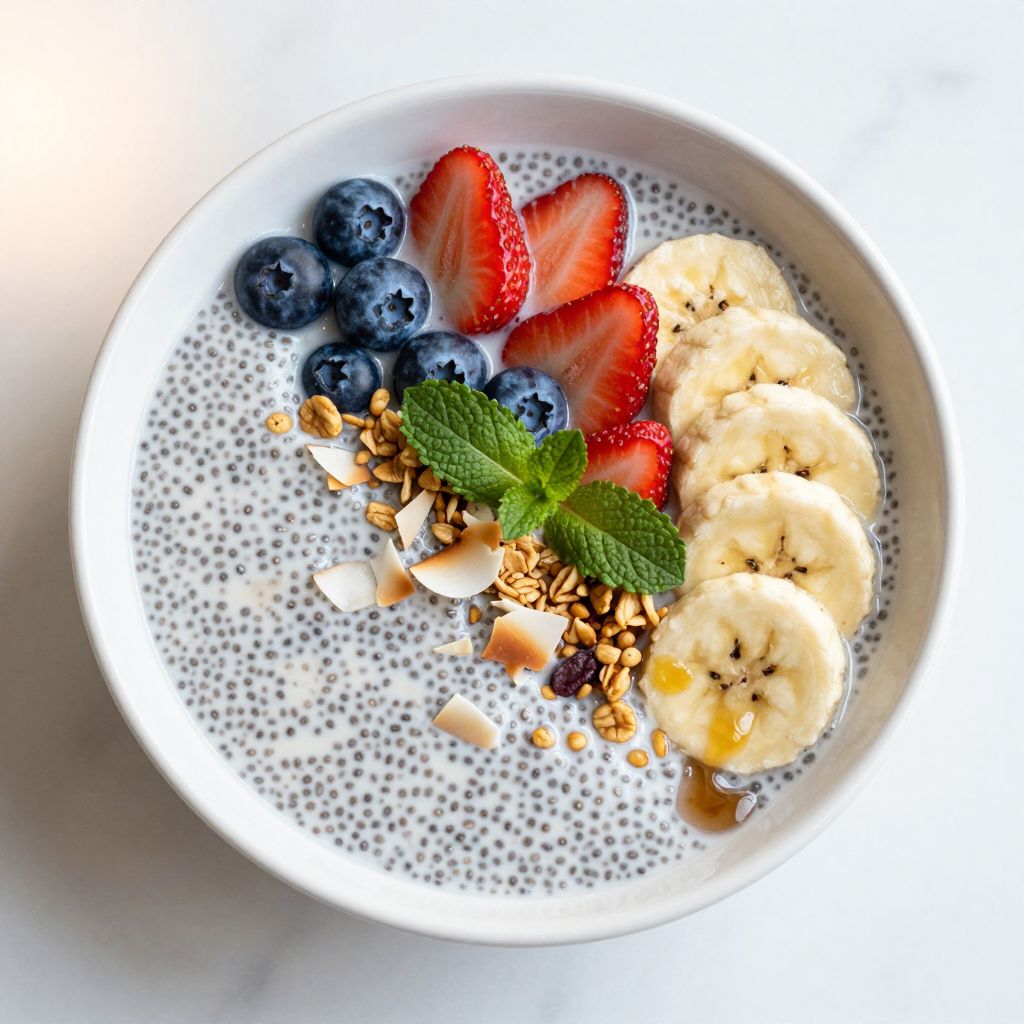
Make chia pudding by mixing three tablespoons of chia seeds with one cup of milk or plant-based milk, sweetening to taste, and refrigerating overnight. This creates a creamy, nutritious breakfast or snack that keeps for up to five days.
Add chia seeds to smoothies for extra fiber and omega-3s. They blend in without altering the flavor and help thicken the texture naturally.
Use chia seeds as an egg substitute in baking. Mix one tablespoon of ground chia with three tablespoons of water, let it sit for five minutes until it forms a gel, and use it in place of one egg in muffins, pancakes, or quick breads.
Stir chia seeds into oatmeal, yogurt, or cottage cheese for added nutrition and a slight crunch. They work well in both sweet and savory dishes.
Sprinkle them on salads, roasted vegetables, or grain bowls for a nutrient boost. They add a mild nutty flavor and a pleasant texture contrast.
Mix chia seeds into homemade granola or energy bars. They help bind ingredients together while adding healthy fats and protein. For more inspiration, explore this peanut butter granola recipe that works beautifully with chia seeds.
Frequently Asked Questions
Can you eat chia seeds raw?
Yes, chia seeds are safe to eat raw, either dry or soaked. Soaking them in water, milk, or juice for at least ten minutes makes them easier to digest and reduces the risk of choking. Many people prefer the gel-like texture that forms after soaking.
Do chia seeds need to be refrigerated after opening?
Refrigeration isn’t required for whole chia seeds, but it extends their shelf life significantly. If you use them frequently and will finish the bag within a few months, pantry storage in an airtight container is fine. For long-term storage or ground chia, refrigeration is recommended.
What’s the difference between black and white chia seeds?
Black and white chia seeds are nutritionally almost identical and have the same shelf life and storage requirements. The color difference comes from natural variation in the plant. Both types can be used interchangeably in recipes.
Can you freeze chia seeds to extend their life?
Yes, freezing is an excellent way to preserve chia seeds for years. Store them in an airtight, freezer-safe container and they’ll maintain quality for four years or longer. You can scoop out what you need without thawing the rest.
How do you know if chia gel has gone bad?
Chia gel made by soaking seeds in liquid should be used within five to seven days when refrigerated. It’s gone bad if it develops an off smell, slimy texture beyond the normal gel consistency, visible mold, or sour taste. Always store chia gel in a sealed container in the refrigerator.
Is it better to buy whole or ground chia seeds?
Whole chia seeds last much longer and retain more nutrients due to their protective outer shell. Grinding them just before use gives you the best of both worlds: extended shelf life and easier nutrient absorption. If you prefer the convenience of pre-ground chia, buy small quantities and refrigerate them.
Final Thoughts on Chia Seed Freshness
Chia seeds are remarkably shelf-stable when stored correctly, making them a reliable pantry staple for months or even years. By keeping them in an airtight container away from heat, light, and moisture, you’ll preserve their nutritional benefits and mild flavor. Trust your senses to judge freshness, and don’t hesitate to refrigerate or freeze them for maximum longevity. With proper care, your chia seeds will be ready whenever you need them for puddings, smoothies, baked goods, or a quick nutritional boost.
For more practical guidance on food storage and kitchen safety, check out how long chicken can sit out to keep your meals safe and delicious.