
There’s a moment when you bite into crispy tempura and dip it into silky, umami-rich sauce that everything clicks into place. Tempura sauce, or tentsuyu, is the unsung hero that transforms fried vegetables and seafood from good to unforgettable.
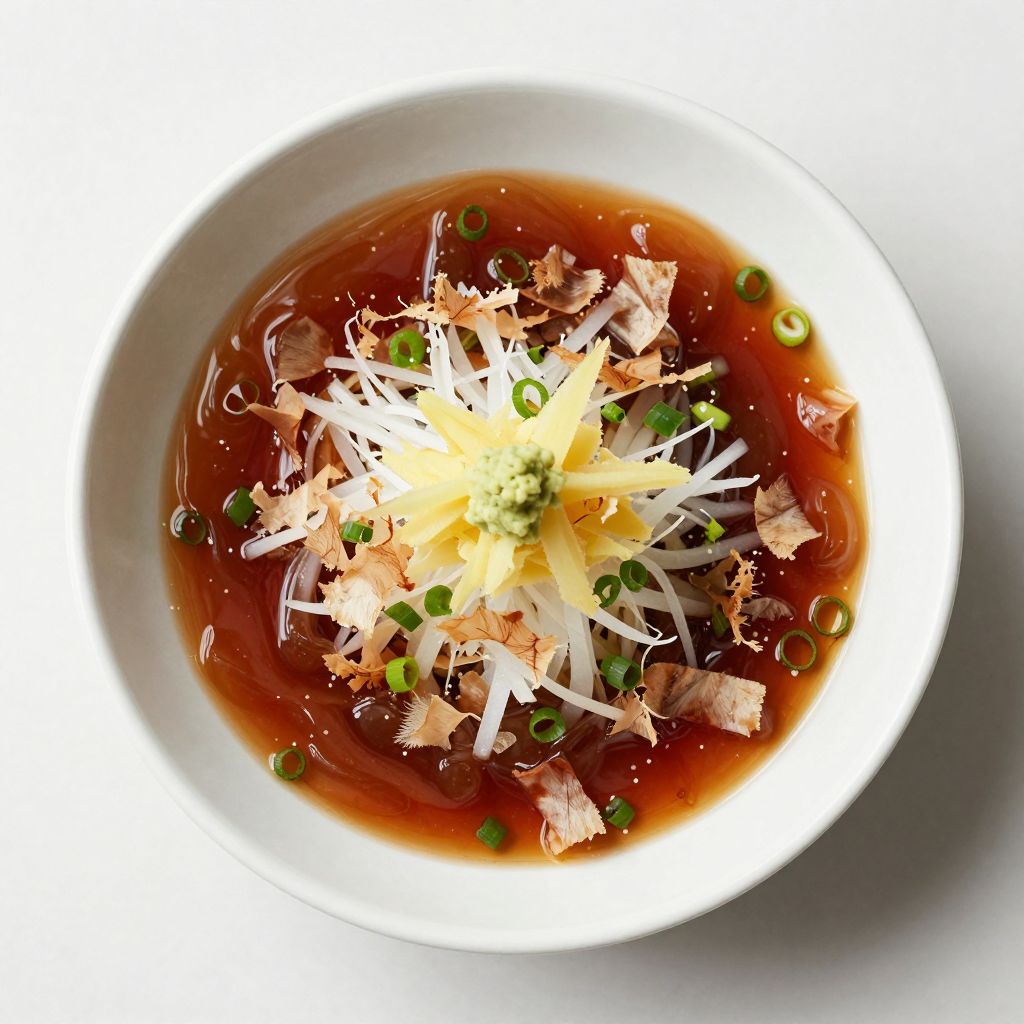
This Japanese condiment is far simpler to make than you’d think, requiring just a handful of pantry staples that come together in minutes. The magic lies in balancing sweet, salty, and savory notes with a touch of heat and freshness from grated daikon and ginger.
Once you taste homemade tempura sauce, you’ll wonder why you ever settled for bottled versions. It’s a game-changer for any fried dish, from shrimp tempura to vegetable fritters.
Why You’ll Love This Recipe
This sauce is a revelation because it comes together in five minutes flat while delivering restaurant-quality flavor that makes your homemade tempura shine. You likely have every ingredient already hiding in your kitchen.
- Ready in under 5 minutes with zero cooking required
- Balances sweet, salty, savory, and spicy notes perfectly
- Uses common pantry ingredients most home cooks have on hand
- Transforms any fried dish into something restaurant-worthy
- Stores beautifully for up to two weeks in the fridge
My Experience Making This Recipe
The first time I made tempura sauce from scratch, I was shocked at how quickly it came together and how much better it tasted than the bottled stuff I’d been using. My kids actually asked for seconds of tempura vegetables, which never happens with takeout.
I’ve since made this sauce dozens of times for dinner parties and casual weeknight meals. People always ask what’s different about my tempura, and when I tell them it’s the sauce, they immediately want the recipe.
The freshly grated daikon and ginger elevate the whole experience with a brightness that bottled versions just can’t match. Once you go fresh, there’s no going back.
Recipe Overview
- Recipe Name: Tempura Sauce (Tentsuyu)
- Servings: Makes about 1.5 cups
- Prep Time: 5 minutes
- Cook Time: 0 minutes
- Total Time: 5 minutes
- Course: Condiment/Sauce
- Cuisine: Japanese
- Calories per Serving: 35 calories per 2 tablespoon serving
Equipment You Will Need
- Small mixing bowl
- Measuring cups and spoons
- Whisk or small spoon for stirring
- Microplane grater or fine box grater
- Skewer or fork for grating daikon and ginger
- Fine mesh strainer (optional, for straining solids)
- Glass jar or container for storage
Ingredients for Tempura Sauce
- Dashi stock (or water with dashi powder): 1 cup
- Mirin (sweet rice wine): 1/4 cup
- Soy sauce: 1/4 cup
- Fresh daikon radish, finely grated: 1/4 cup, lightly packed
- Fresh ginger, finely grated: 1 tablespoon
- Wasabi (optional): 1/2 teaspoon, or to taste
- Bonito flakes (optional garnish): 1 tablespoon
- Scallions, finely sliced (optional garnish): 1 tablespoon
Ingredient Notes and Substitutions
- Dashi stock: This Japanese broth made from kombu and bonito flakes creates the authentic umami backbone of the sauce. If you can’t find it, mix 1 cup water with 1/2 teaspoon dashi powder, or use a light vegetable broth for a milder version.
- Mirin: This sweet rice wine adds subtle sweetness and depth that balances the salty soy sauce. Honey or a pinch of sugar works in a pinch, though the flavor won’t be identical.
- Soy sauce: Use regular soy sauce rather than tamari unless you need a gluten-free option. Tamari works perfectly if dietary restrictions apply.
- Fresh daikon radish: This provides a crisp, slightly peppery bite that lifts the entire sauce. Grated horseradish gives a spicier kick, while a grated apple adds sweetness if you prefer a milder version.
- Fresh ginger: The ginger adds warmth and prevents the sauce from feeling flat or one-dimensional. Ground ginger works if fresh isn’t available, but use only 1/4 teaspoon since it’s much stronger.
- Wasabi: A tiny amount adds a clean, subtle heat that makes you notice all the other flavors. Skip it entirely if you prefer a gentler sauce, or add more if you like a spicier kick.
How to Make Tempura Sauce
Step 1: Gather Your Dashi Base
Start by pouring 1 cup of room temperature dashi stock into your mixing bowl. If you’re using dashi powder, whisk it into water and let it cool slightly before continuing.
Step 2: Add the Mirin
Pour 1/4 cup of mirin into the bowl with the dashi and stir gently to combine. The mirin dissolves instantly and begins to sweeten the base.
Step 3: Pour in the Soy Sauce
Add 1/4 cup of soy sauce to the mixture and whisk until fully incorporated. This creates the salty, savory backbone that makes tempura sauce unmistakable.
Step 4: Grate Fresh Daikon Radish
Use a microplane grater or box grater to finely grate about 1/4 cup of fresh daikon radish into the sauce. The daikon releases its natural juices, which adds moisture and a peppery freshness that bottled sauces lack.
Step 5: Add Freshly Grated Ginger
Grate 1 tablespoon of fresh ginger directly into the sauce using the same grater. The fresh ginger adds a subtle warmth and prevents the sauce from tasting flat.
Step 6: Mix Everything Together
Whisk all ingredients together until the ginger and daikon are evenly distributed throughout the sauce. Make sure no ingredients are clumping at the bottom of the bowl.
Step 7: Taste and Adjust Seasoning
Dip a clean spoon into the sauce and taste it carefully. If you want more umami depth, add another tablespoon of soy sauce; for more sweetness, add another tablespoon of mirin.
Step 8: Add Optional Wasabi (If Using)
If you like a hint of heat, stir in 1/2 teaspoon of wasabi until it disappears into the sauce. Start small because wasabi’s heat builds quickly, and you can always add more.
Step 9: Let It Rest
Allow the sauce to sit for 2 to 3 minutes before serving so the flavors meld together. During this time, the ginger and daikon infuse the liquid, making the sauce taste more cohesive and polished.
Pro Tip: Grate your daikon and ginger right before serving for maximum freshness and crunch. Pre-grated versions turn watery and lose their bright, peppery bite within minutes.
Tips for the Best Tempura Sauce
- Use room temperature or cool dashi rather than hot, as heat can cause the delicate flavors to become muted or unbalanced. Cold sauce also cools down the hot fried tempura nicely when you dip.
- Grate your daikon and ginger immediately before serving to preserve their crisp texture and peppery punch. Grated vegetables oxidize and lose their appeal within minutes.
- Don’t skip the dashi if you can find it, as it creates an authentic umami depth that water simply cannot replicate. The extra 5 minutes to prepare instant dashi is worth it.
- Taste the sauce as you go and adjust the balance to your preference, keeping in mind that the salty soy and sweet mirin should feel equally prominent.
- Strain out excess liquid from the grated daikon if your sauce seems too watery by pressing gently through a fine mesh strainer before serving.
- Make a larger batch and store it in the fridge for up to two weeks, though the fresh daikon and ginger are best within the first few days.
Common Mistakes to Avoid
- Using hot dashi causes the sauce to taste flat and bitter instead of bright and balanced. Let your dashi cool to room temperature before combining with other ingredients.
- Over-grating the daikon or ginger releases too much water, making the sauce soggy and diluting the flavors. Grate just enough to get fine shreds without pressing hard.
- Skipping the optional wasabi seems harmless, but even a tiny amount adds a hidden complexity that makes people ask what’s in your sauce. Don’t leave it out.
- Making the sauce too far in advance causes the ginger and daikon to lose their texture and become mushy. Always prepare it no more than 15 minutes before serving.
- Using low quality soy sauce or mirin creates a flat, one-dimensional sauce no matter what else you add. Invest in good quality versions for noticeably better flavor.
Serving Suggestions
This sauce shines brightest when served alongside hot tempura, but its versatility extends far beyond that classic pairing. Think of it as a universal dipping sauce for any fried or crispy food you want to elevate.
- Crispy shrimp or vegetable tempura with ice-cold sauce for maximum contrast
- Pan-fried gyoza dumplings or potstickers for an unexpected flavor boost
- Crispy fish fillets or fried chicken tenders as a lighter alternative to tartar sauce
- Steamed edamame sprinkled with salt and served with the sauce for dipping
- Cold soba noodles tossed with the sauce and topped with grated daikon and scallions
Variations to Try
- Spicy Tempura Sauce: Add 1 teaspoon of sriracha or a pinch of cayenne pepper for a modern kick that works beautifully with shrimp tempura and adds unexpected depth.
- Citrus-Bright Version: Squeeze in 1 tablespoon of fresh lime or yuzu juice right before serving to add brightness and cut through the richness of fried foods.
- Garlic-Forward Sauce: Grate 1/2 teaspoon of fresh garlic into the base for a more assertive, savory profile that some people prefer with vegetable tempura.
- Milder, Sweeter Version: Increase the mirin to 1/3 cup and reduce the soy sauce to 3 tablespoons for a gentler, less salty sauce that appeals to younger palates.
- Bonito-Infused Sauce: Steep 1/4 cup of bonito flakes in the warm dashi for 5 minutes, then strain before mixing in other ingredients for a deeper umami punch.
Dietary Adaptations
- Gluten-Free: Use tamari or gluten-free soy sauce instead of regular soy sauce, as most traditional soy sauce contains wheat. The flavor remains nearly identical with zero texture changes.
- Dairy-Free: This sauce is naturally dairy-free, containing no milk or cream products of any kind. No modifications are needed.
- Vegan: The sauce is already fully vegan, though some mirin brands contain animal products, so check the label. Use vegan-certified mirin if this matters for your dietary choices.
- Low-Carb or Keto: Replace mirin with a sugar-free sweetener like erythritol at a 1:1 ratio, though the flavor profile will be slightly sharper and less complex than the traditional version.
Storage and Reheating
Refrigerator
Store tempura sauce in a sealed glass jar on a shelf in the refrigerator where it lasts for up to two weeks. The fresh daikon and ginger remain vibrant for about 3 to 4 days before starting to break down and become mushy.
- Pour into a glass jar with a tight-fitting lid immediately after making
- Label with the date so you remember when you made it
- Keep away from strong-smelling foods like onions or fish, as sauce absorbs odors
- Shake gently before each use to redistribute the ginger and daikon
Freezer
Freezing tempura sauce is not recommended because the fresh daikon and ginger lose their crisp texture when thawed, becoming mushy and unappetizing. The sauce base itself freezes fine, but you’d lose the textural appeal that makes it special.
- If you must freeze, prepare the sauce base without ginger and daikon
- Add fresh ginger and daikon after thawing and bringing the sauce back to room temperature
- Frozen sauce base keeps for up to three months in an airtight container
Reheating
Tempura sauce is best served at room temperature or chilled, so reheating isn’t typically necessary. If you’ve stored it cold and want to warm it slightly, do so gently.
- Let refrigerated sauce sit at room temperature for 15 minutes before serving
- Never microwave or heat directly as high temperatures damage the delicate flavors
- If you must warm it, place the jar in a bowl of warm water for 5 minutes, then serve
Nutrition Information
| Nutrient | Amount |
|---|---|
| Calories | 35 |
| Total Fat | 0g |
| Saturated Fat | 0g |
| Carbohydrates | 6g |
| Fiber | 0g |
| Sugar | 4g |
| Protein | 1g |
| Sodium | 610mg |
| Cholesterol | 0mg |
Nutrition values are estimates based on a 2 tablespoon serving size of the finished sauce. Actual values may vary depending on your specific ingredients and brands used.
Frequently Asked Questions
Can I Make Tempura Sauce Without Dashi?
Yes, you can use water or vegetable broth as a substitute, though the flavor becomes lighter and less complex. The sauce will still taste good, just less authentically Japanese and without the deep umami foundation that dashi provides.
How Far Ahead Can I Make This Sauce?
You can prepare the dashi, mirin, and soy sauce base up to 3 days ahead and store it covered in the fridge. Add the fresh ginger and daikon no more than 15 minutes before serving to maintain their crisp texture and bright flavor.
Why Does My Tempura Sauce Taste Watery?
The grated daikon and ginger release a lot of liquid as they sit, diluting the sauce. Grate these ingredients immediately before serving, or strain excess liquid through a fine mesh strainer if your sauce seems too thin.
Can I Use Bottled Daikon or Ginger Instead of Fresh?
Bottled versions lose their crisp bite and become mushy, making the sauce feel less vibrant and fresh. If fresh isn’t available, add a squeeze of lemon juice instead to brighten the sauce without the texture issues.
What’s the Difference Between Tempura Sauce and Ponzu?
Tempura sauce is sweeter and thicker with a focus on umami from dashi, while ponzu is lighter, more acidic, and citrus-forward with a sharper flavor profile. Ponzu works as a dipping sauce for tempura, but the flavors are distinctly different.
Is This Sauce Spicy?
The base sauce is not spicy at all, though the optional wasabi adds a subtle heat that builds as you eat. If you prefer no heat whatsoever, simply skip the wasabi and enjoy the balanced sweet-salty profile.
Can I Use This Sauce on Sushi or Sashimi?
Absolutely, though traditional wasabi and soy sauce are the classic pairing for raw fish. That said, tempura sauce’s umami-rich profile complements both cooked sushi rolls and certain sashimi beautifully.
Final Thoughts
Once you taste homemade tempura sauce, you’ll realize how much better it is than anything you can buy in a bottle. The fresh ginger and daikon create a brightness and texture that transforms simple fried vegetables into something truly special.
This sauce takes five minutes to make and delivers restaurant-quality results that will impress your family and friends without any fuss. Make a batch this week and taste the difference for yourself.
If you loved this recipe, you might also enjoy exploring other dipping sauces that elevate your meals. Check out this dumpling dipping sauce recipe for another Japanese-inspired condiment that’s equally versatile and rewarding to make at home.
Looking for more sauce options to expand your cooking repertoire? Try this hot honey sauce recipe for a completely different flavor profile that works beautifully with fried foods, roasted vegetables, and pizza.
Tempura Sauce (Tentsuyu)
Ingredients
Equipment
Method
- Pour 1 cup room temperature dashi stock into a small mixing bowl.
- Add 1/4 cup mirin and stir gently to combine.
- Pour in 1/4 cup soy sauce and whisk until fully incorporated.
- Finely grate about 1/4 cup fresh daikon radish into the mixture.
- Finely grate 1 tablespoon fresh ginger into the sauce.
- Whisk all ingredients together until the daikon and ginger are evenly distributed.
- Taste the sauce and adjust seasoning, adding more soy sauce or mirin if needed.
- If using wasabi, stir in 1/2 teaspoon wasabi until dissolved.
- Let the sauce rest for 2 to 3 minutes before serving to allow flavors to meld.