
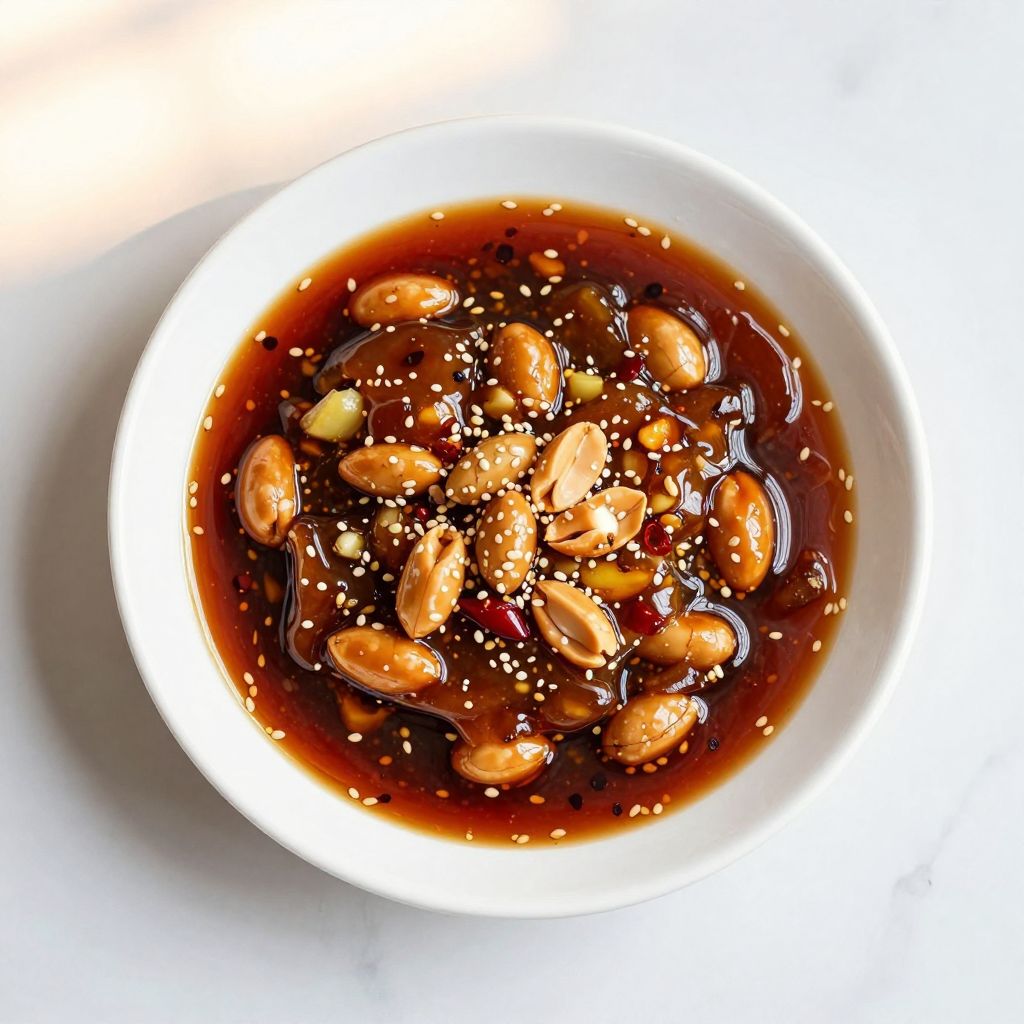
The first time I tasted authentic kung pao sauce, I understood why this tangy, spicy, and slightly sweet condiment has captivated home cooks for decades. Kung pao sauce is the backbone of one of China’s most beloved dishes, and making it from scratch transforms your cooking from ordinary to restaurant-quality in minutes.
This recipe gives you complete control over heat level, sweetness, and that signature numbing tingle that makes kung pao unforgettable. Whether you’re planning a weeknight stir-fry or impressing guests at dinner, this sauce delivers bold flavors that work with chicken, shrimp, tofu, or vegetables.
Once you master this recipe, you’ll find yourself reaching for it constantly because it’s faster than takeout and infinitely more customizable to your taste.
Why You’ll Love This Recipe
This sauce balances heat, tang, and richness in perfect harmony while coming together in under five minutes. You’ll control every ingredient, skip the artificial flavors found in bottled versions, and adapt it exactly to your spice tolerance.
- Ready in less than 5 minutes from start to finish
- Uses pantry staples you likely already have on hand
- Naturally gluten-free with simple substitutions
- Scales easily from a small batch to feeding a crowd
- Works beautifully with any protein or vegetable combination
My Experience Making This Recipe
I first made this sauce on a Tuesday night when my local Chinese takeout was closed, and I needed dinner ready in thirty minutes. The moment I combined the soy sauce with rice vinegar and felt the heat from fresh chilies, I knew I was onto something special.
My partner tasted it on a piece of roasted chicken and immediately asked where I’d ordered from, which honestly felt like winning the cooking lottery. The sauce coated everything beautifully, and leftovers became my secret weapon for lunch bowls all week long.
Now I make a big batch every two weeks because it’s become my go-to sauce for more than just kung pao chicken. I’ve drizzled it on roasted vegetables, mixed it into mayo for sandwiches, and even used it as a marinade for grilled shrimp.
Recipe Overview
- Recipe Name: Kung Pao Sauce
- Servings: Makes approximately 1 cup of sauce
- Prep Time: 5 minutes
- Cook Time: 2 minutes
- Total Time: 7 minutes
- Course: Sauce or Condiment
- Cuisine: Chinese
- Calories per Serving: 45 calories per 2-tablespoon serving
Equipment You Will Need
- Small saucepan or skillet
- Measuring spoons and cups
- Whisk or spoon for stirring
- Garlic mincer or knife and cutting board
- Fine-mesh strainer (optional, for removing chili flakes)
- Glass jar with lid for storage
Ingredients for Kung Pao Sauce
- Soy sauce: 1/2 cup
- Rice vinegar: 3 tablespoons
- Sugar: 2 tablespoons
- Sesame oil: 1 tablespoon
- Garlic: 3 cloves, minced
- Fresh ginger: 1 tablespoon, minced
- Red chili flakes: 1 to 1.5 teaspoons (adjust to taste)
- Peanuts: 1/3 cup roasted unsalted (added at the end)
- Water: 1/4 cup
- Cornstarch: 1 teaspoon mixed with 1 tablespoon water (for thickening)
- Salt and white pepper: to taste
Ingredient Notes and Substitutions
- Soy sauce: This provides the umami backbone and saltiness that defines the sauce. You can swap in tamari for a gluten-free version with nearly identical flavor.
- Rice vinegar: The acidity cuts through richness and adds brightness to balance the sweetness. White wine vinegar works as a substitute, though it’s slightly sharper.
- Sesame oil: This aromatic oil adds depth and nuttiness that bottled versions often lack. Walnut oil gives a different but pleasant earthiness if you’re out of sesame.
- Red chili flakes: These deliver the heat and numbing quality characteristic of kung pao. Fresh sliced chilies or chili paste offer more intense flavor but require adjusting liquid ratios.
- Fresh ginger: This adds warm spice and complexity to the sauce without extra heat. Powdered ginger works in a pinch at 1/2 teaspoon, though fresh is superior.
- Peanuts: Roasted unsalted peanuts are traditional and add crucial texture and protein. Cashews or almonds create a milder, less authentic but still delicious version.
- Cornstarch slurry: This thickens the sauce so it clings to ingredients instead of pooling at the bottom. Arrowroot powder works identically if you’re avoiding corn.
How to Make Kung Pao Sauce
Step 1: Combine Your Wet Ingredients
Pour the soy sauce, rice vinegar, water, and sesame oil into your saucepan and stir them together with a whisk. Combining these first prevents the garlic and ginger from scorching before the liquid has a chance to heat through evenly.
Step 2: Heat the Sauce Base
Place the saucepan over medium-high heat and bring the mixture to a gentle simmer, which should take about 1 minute. You want the sauce warm enough to activate the aromatics but not so hot that it reduces too quickly.
Step 3: Add Garlic and Ginger
Stir in your minced garlic and ginger, whisking continuously for about 30 seconds to distribute them evenly. The heat will bloom these aromatics and fill your kitchen with an incredible fragrance that signals you’re on the right track.
Step 4: Incorporate the Sugar and Chili Flakes
Add the sugar and red chili flakes to the simmering liquid, stirring well to dissolve the sugar and distribute the heat evenly. The sugar balances the acidity and saltiness while the chili flakes add both flavor depth and the signature numbing sensation.
Step 5: Taste and Adjust the Heat Level
Let the sauce simmer for 30 seconds, then carefully taste a tiny spoonful to gauge the spice level and overall flavor balance. If you want more heat, add another quarter teaspoon of chili flakes; if you want less tang, add a touch more sugar.
Step 6: Prepare Your Cornstarch Slurry
In a small bowl, whisk together the cornstarch and 1 tablespoon of cold water until completely smooth with no lumps. This mixture thickens the sauce without creating a starchy taste or cloudiness.
Step 7: Thicken the Sauce
Slowly pour the cornstarch mixture into the simmering sauce while whisking constantly to avoid lumps from forming. Watch as the sauce transforms from thin and watery to glossy and clingy within about 20 to 30 seconds.
Step 8: Season and Finish
Remove the saucepan from heat and stir in the roasted peanuts, then taste once more and adjust the salt and white pepper as needed. The sauce should taste bold and complex with heat, tang, sweetness, and umami all playing equal roles.
Step 9: Cool and Store
Allow the sauce to cool for about 5 minutes before transferring it to a clean glass jar for storage. Cooling prevents condensation from diluting your sauce and gives you a chance to admire how perfectly it turned out.
Pro Tip: Make this sauce at least 30 minutes before serving so the flavors have time to meld and mellow into something truly cohesive.
Tips for the Best Kung Pao Sauce
- Use fresh garlic and ginger rather than pre-minced or powdered versions; the flavor difference is dramatic and worth the extra 30 seconds of prep work.
- Taste your sauce before thickening it so you can adjust heat and sweetness without having to remix the cornstarch slurry.
- Don’t skip the cooling step if you’re making this ahead; it allows the flavors to develop deeper complexity.
- Store your peanuts separately if you prefer them crispy, then add them just before serving rather than storing them in the sauce.
- Roast your own peanuts from raw if you have time; they taste fresher and let you control the salt level perfectly.
- If the sauce becomes too thick after cooling, whisk in water by the teaspoon until you reach your desired consistency.
Common Mistakes to Avoid
- Cooking the sauce too aggressively burns the garlic and ginger, making them bitter instead of fragrant and warm.
- Adding the cornstarch slurry too quickly creates lumps that ruin the smooth texture no matter how much you whisk afterward.
- Using stale peanuts or low-quality ones makes the entire sauce taste flat and unbalanced.
- Skipping the taste test before thickening means you might end up with a sauce that’s too salty or too spicy to fix easily.
- Storing the sauce in a warm place instead of the refrigerator causes the flavors to flatten and the texture to separate over time.
Serving Suggestions
This sauce is naturally versatile and works beautifully over almost any protein-and-vegetable combination you can imagine. Pour it over your favorite stir-fry ingredients and let it coat everything in its glossy, spicy goodness.
- Toss with stir-fried chicken and roasted cashews over jasmine rice
- Drizzle over roasted shrimp with bell peppers and broccoli
- Mix into crispy tofu cubes with snap peas and water chestnuts
- Use as a dipping sauce for crispy spring rolls or potstickers
- Spoon over roasted vegetables like cauliflower, Brussels sprouts, or carrots for a quick vegetarian meal
Variations to Try
- Sichuan Peppercorn Version: Toast 1 teaspoon of Sichuan peppercorns and crush them lightly before adding to the sauce for an intense numbing sensation that’s more authentic to the Sichuan province.
- Spicy Garlic Version: Double the garlic to 6 cloves and reduce the chili flakes to 1/2 teaspoon for a savory sauce where garlic dominates the heat profile.
- Sweeter Version: Increase sugar to 3 tablespoons and decrease chili flakes to 1/2 teaspoon for a sauce that appeals to those who prefer less spice and more sweetness.
- Cashew Version: Replace peanuts with roasted cashews and add 1/2 teaspoon of white miso paste for a richer, creamier sauce with deeper umami.
- Orange-Infused Version: Add the zest and juice of 1/2 orange to brighten the sauce and add complexity that pairs beautifully with duck or pork.
Dietary Adaptations
- Gluten-Free: Swap regular soy sauce for tamari or coconut aminos, which have nearly identical flavor profiles without the wheat.
- Dairy-Free: This recipe is naturally dairy-free, making it perfect for those avoiding dairy or following a vegan diet.
- Vegan and Vegetarian: The sauce is already completely plant-based, so simply use it with your favorite vegetables, tofu, or plant-based proteins.
- Low-Carb and Keto: Reduce the sugar to 1 tablespoon and replace it with erythritol or monk fruit sweetener to keep carbs minimal.
- Nut-Free: Omit the peanuts entirely or replace them with sunflower seeds for similar texture and protein without tree nut or peanut allergens.
Storage and Reheating
Refrigerator
Store your kung pao sauce in an airtight glass jar or container in the refrigerator where it will keep for up to 2 weeks. The flavors actually deepen slightly over the first few days as the ingredients continue to meld.
- Keep it in glass rather than plastic to prevent staining and flavor absorption
- Always use a clean spoon when removing sauce to prevent contamination
- If separation occurs, simply whisk it back together before using
Freezer
This sauce freezes beautifully for up to 3 months, making it perfect for batch cooking and quick weeknight meals. Pour it into ice cube trays for perfectly portioned servings that thaw in minutes.
- Freeze in 2-tablespoon portions using ice cube trays, then transfer frozen cubes to a freezer bag
- Label your container with the date and contents for easy tracking
- Thaw overnight in the refrigerator or quickly in a saucepan over low heat
Reheating
Gently warm the sauce over low heat on the stovetop while stirring occasionally, or microwave it in 30-second intervals until warm. The key is avoiding high heat, which can cause the cornstarch to break down and the flavors to flatten.
- Reheat only the amount you plan to use rather than the entire batch
- If the sauce thickens too much after refrigeration, whisk in a teaspoon of water at a time until it reaches the right consistency
- Never boil the sauce aggressively, as this damages the delicate balance of flavors
Nutrition Information
| Nutrient | Amount |
|---|---|
| Calories | 45 |
| Total Fat | 2g |
| Saturated Fat | 0.3g |
| Carbohydrates | 4g |
| Fiber | 0.5g |
| Sugar | 2.5g |
| Protein | 1.5g |
| Sodium | 920mg |
| Cholesterol | 0mg |
These values represent a 2-tablespoon serving and are calculated using standard nutritional databases. Your actual values may vary slightly depending on the exact brands and portion sizes you use.
Frequently Asked Questions
Can I make this sauce without cornstarch?
Yes, you can skip the cornstarch slurry and serve the sauce thinner, almost like a glaze, if you prefer. Simply simmer it for an extra minute or two to reduce it slightly and achieve a thinner consistency that still coats your food beautifully.
How spicy is this sauce?
With 1 teaspoon of chili flakes, this sauce delivers moderate heat that most adults enjoy, but feel free to adjust to your tolerance. Start with 1/2 teaspoon if you’re sensitive to spice, or go up to 2 teaspoons for serious heat lovers.
Can I make this ahead of time?
Absolutely, and I recommend making it at least 30 minutes ahead so the flavors meld and mellow into something more complex. It actually tastes better the next day after the ingredients have had time to get to know each other.
What’s the difference between this and store-bought kung pao sauce?
Homemade sauce lets you control every ingredient and avoid artificial thickeners, preservatives, and excess sodium found in commercial versions. You also get fresh garlic and ginger flavor that bottled sauces simply cannot match.
Can I use this sauce on other dishes besides kung pao chicken?
This sauce is incredibly versatile and works on any stir-fry, roasted vegetables, grilled meats, or even as a dipping sauce for spring rolls and dumplings. I’ve even mixed it into mayo for sandwiches with great success.
Is this sauce naturally vegan?
Yes, this sauce is completely plant-based as long as you use soy sauce or tamari rather than other condiments. All the main ingredients come from plants, making it perfect for vegan and vegetarian cooks.
What type of soy sauce works best?
Use a good quality dark or regular soy sauce rather than the thin varieties, as it provides better umami depth and flavor complexity. Avoid soy sauce with additives or sweeteners, as they’ll throw off your carefully balanced sauce.
Final Thoughts
Making kung pao sauce from scratch feels like a small victory in the kitchen because you immediately taste the difference between homemade and takeout. Once you’ve made it once, you’ll wonder why you ever bought bottled versions again.
I encourage you to try this recipe this week and make it your go-to sauce for weeknight stir-fries, grain bowls, and roasted vegetables. The best part is that it takes less time than waiting for delivery, costs a fraction of the price, and tastes infinitely better.
If you love bold, complex sauces like this one, you’ll definitely want to explore more recipes that push your palate in exciting directions. Check out our General Tso sauce recipe for another classic Chinese takeout favorite, or try our gochujang sauce recipe for a Korean-inspired option that brings serious heat and depth to any dish.
Kung Pao Sauce
Ingredients
Equipment
Method
- Combine soy sauce, rice vinegar, water, and sesame oil in a small saucepan and whisk to blend.
- Place over medium-high heat and bring to a gentle simmer, about 1 minute.
- Stir in minced garlic and ginger, whisking continuously for 30 seconds.
- Add sugar and red chili flakes, stirring until sugar dissolves and heat is evenly distributed.
- Let the sauce simmer for 30 seconds, then taste and adjust heat or tang by adding more chili flakes or sugar as desired.
- In a small bowl, whisk together cornstarch and 1 tablespoon cold water to form a smooth slurry.
- Slowly pour the cornstarch slurry into the simmering sauce while whisking constantly until the sauce thickens and becomes glossy, about 20 to 30 seconds.
- Remove the saucepan from heat and stir in roasted peanuts, then season with salt and white pepper to taste.
- Allow the sauce to cool for about 5 minutes before transferring to a clean glass jar for storage.