
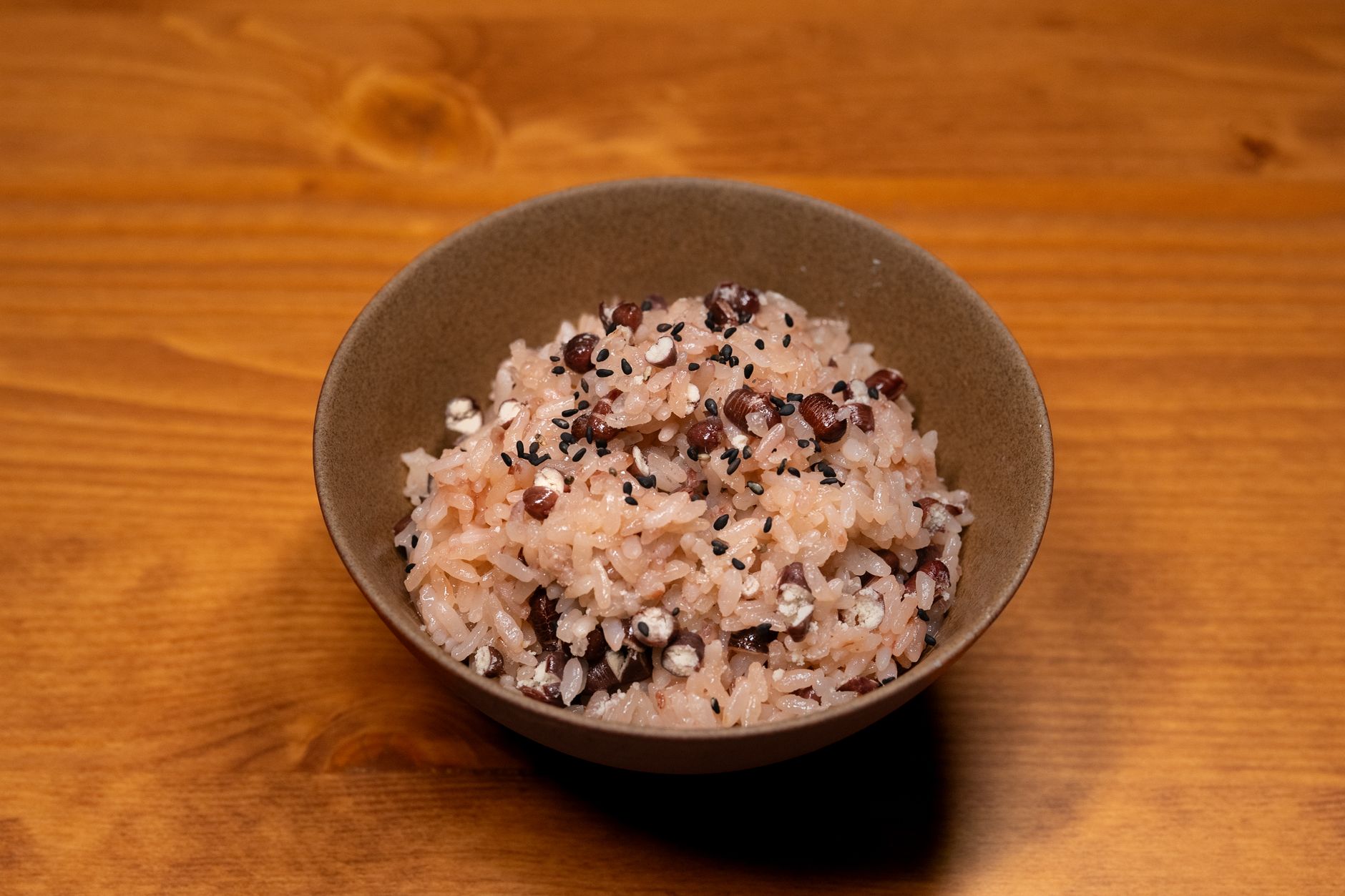
Understanding how much cooked rice you get from dry rice is essential for meal planning and cooking efficiently. Specifically, if you are considering brown rice, you might wonder how much cooked rice one cup of dry brown rice produces. This knowledge not only helps in portioning your meals but also ensures you have the right amount of rice for your recipes.
When it comes to brown rice, cooking yields can differ based on various factors, including the cooking method and water-to-rice ratios. This article will answer the question directly while also providing practical tips on cooking brown rice, nutritional information, and delicious meal ideas for incorporating brown rice into your diet.
1 Cup Dry Brown Rice Yields How Many Cups Cooked?
One cup of dry brown rice typically yields about three cups of cooked rice. This ratio can vary slightly depending on the cooking method and the specific variety of brown rice used, but three cups is a reliable estimate for most cooking practices.
Cooking Brown Rice: What You Need to Know
Cooking brown rice may seem a bit challenging compared to white rice due to its longer cooking time and its outer bran layer. However, with a few simple steps and some tips, you can easily cook perfect brown rice every time.
Understanding Brown Rice
Brown rice is a whole grain that has its bran layer intact, which makes it more nutritious and gives it a nuttier flavor and chewier texture compared to white rice. It is rich in fiber, vitamins, and essential minerals. This makes brown rice an excellent choice for a wide variety of diets.
Essential Cooking Equipment
- Measuring cups
- A pot with a lid (or a rice cooker)
- A wooden spoon or rice paddle
- A fine mesh strainer (for rinsing)
Ingredients for Cooking Brown Rice
- 1 cup of dry brown rice
- 2.5 to 3 cups of water (adjust according to the absorption method)
- Salt (optional, to taste)
Step-by-Step Instructions for Cooking Brown Rice
- Rinse the rice under cold water using a fine mesh strainer to remove excess starch. This will help prevent the rice from becoming gummy.
- In a pot, add the rinsed rice and the appropriate amount of water (2.5 to 3 cups). You can adjust the water based on your texture preference.
- Add a pinch of salt if desired, then bring the mixture to a boil over high heat.
- Once boiling, reduce the heat to low, cover the pot with a lid, and let the rice simmer for about 45 minutes.
- After 45 minutes, remove the pot from heat but keep covered. Let the rice steam in the pot for another 10 minutes. This allows for any additional moisture to be absorbed.
- Finally, fluff the rice with a fork or rice paddle and serve.
Factors Affecting Yield and Cooking Time
While you can usually expect 1 cup of dry brown rice to yield around 3 cups of cooked rice, there are several factors affecting this outcome:
1. Cooking Method
The method you choose can alter the yield. For example, using a pressure cooker can decrease cooking time and might slightly adjust the rice’s fluffiness compared to traditional stovetop methods.
2. Type of Brown Rice
Different varieties, such as long-grain, short-grain, or even basmati brown rice, may have slightly different water absorption rates and yields. It’s best to refer to the package instructions for specific guidance.
3. Water Ratio
The recommended water-to-rice ratio is typically 2.5 to 3 cups of water for each cup of dry rice. If you’re aiming for a more al dente texture, you may use less water. Conversely, more water will make the rice softer.
4. Fluffing and Steaming
Letting the rice sit covered after cooking helps it finish steaming. This can influence its overall texture and yield, as this process allows rice to absorb any remaining moisture.
Common Mistakes When Cooking Brown Rice
Even seasoned cooks can make mistakes when preparing brown rice. Here are some common pitfalls and how to avoid them:
- Not Rinsing the Rice: Always rinse the rice before cooking to remove excess starch, which can lead to a gummy texture.
- Not Measuring Water Accurately: Using too little or too much water can ruin the texture. Always measure accurately based on your chosen method.
- Overcrowding the Pot: If you’re cooking more than 1 cup of rice, use a larger pot to allow for proper expansion and even cooking.
- Peeking Too Often: Opening the lid during cooking releases steam and can increase cooking time.
Serving and Storage Recommendations
Once your brown rice is cooked, it can be enjoyed in various dishes. Here are some serving suggestions:
- As a side dish alongside grilled meats or vegetables.
- In salads, adding a nutrient boost and chewy texture.
- As a base for grain bowls, topped with your favorite proteins and veggies.
- In stir-fries, replacing traditional white rice.
Storing Cooked Brown Rice
Cooked brown rice can be stored in an airtight container in the refrigerator for up to a week. It can also be frozen for longer storage, lasting about three months. When reheating, add a little water to prevent it from drying out.
Delicious Brown Rice Recipes to Try
Now that you know how to cook brown rice and understand its yield, you may want to incorporate it into various meals. Here are some recipe ideas to consider:
Brown Rice Salad
Toss cooked brown rice with chopped vegetables, nuts, and a light vinaigrette for a refreshing salad. Consider adding beans for protein and flavor.
Stir-Fried Brown Rice
A stir-fry is an excellent way to use leftover rice. Add vegetables, eggs, and your choice of protein for a quick dish. Don’t forget soy sauce or teriyaki sauce for flavor!
Brown Rice Bowl
Layer cooked brown rice with sautéed vegetables, avocado, and grilled chicken or tofu for a filling and healthy bowl. Top with your favorite dressing or sauce.
Nutritional Benefits of Brown Rice
Brown rice is a more nutritious choice compared to its white counterpart. Some of the benefits include:
- Higher Fiber Content: Brown rice retains the bran and germ, which contain fiber that aids digestion and promotes fullness.
- Rich in Nutrients: It provides essential minerals such as magnesium, phosphorus, and vitamins like B6.
- Low Glycemic Index: Brown rice has a lower glycemic index, making it a healthier option for maintaining blood sugar levels.
Conclusion
One cup of dry brown rice yields about three cups of cooked rice, making it an excellent choice for various meals and recipes. By understanding the cooking process and how to enjoy brown rice, you can incorporate this nutritious ingredient into your diet effectively. Whether you’re making stir-fries, salads, or hearty grain bowls, brown rice serves as a versatile base for countless dishes.
For more detailed cooking guidance, you can check out the Instant Pot brown rice recipe or learn about the water-to-rice ratio for perfect cooking every time. Explore these links for practical tips to enhance your cooking experience!
Happy cooking!