
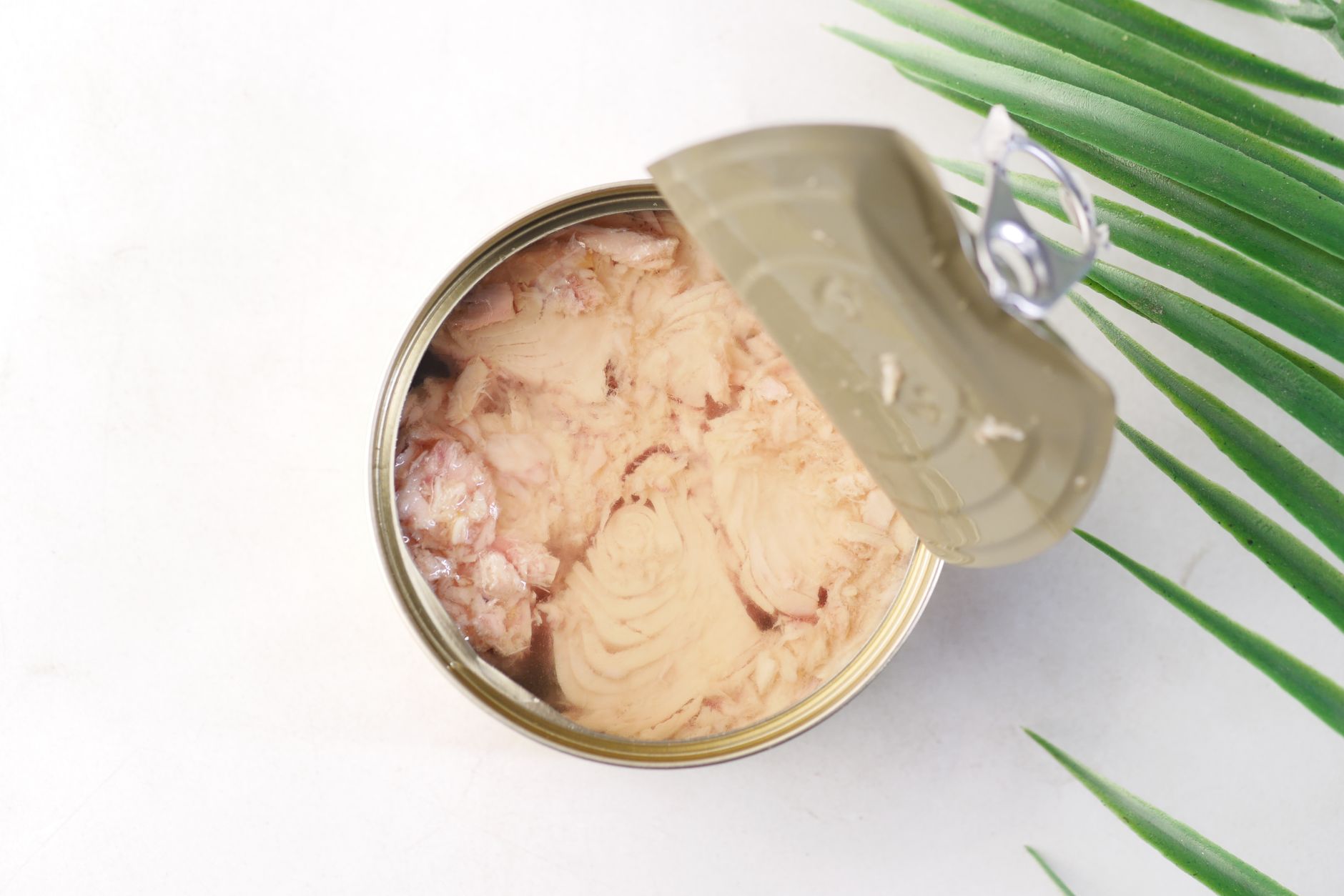
Canned tuna is often a go-to option for many people due to its convenience and nutritional benefits. A single can of tuna provides a substantial amount of protein, making it an ideal ingredient for various meals. Understanding the nutritional facts and recommended serving sizes can help you incorporate this versatile fish into your diet more effectively.
In this article, we will explore everything you need to know about one can of tuna protein, including its nutritional value, benefits, serving suggestions, and potential recipes that utilize this pantry staple.
What Is the Protein Content in One Can of Tuna?
The amount of protein found in a can of tuna varies depending on the type of tuna and the can size. However, a standard 5-ounce can of tuna, drained, generally contains about 30 to 40 grams of protein. This protein content contributes significantly to your daily protein intake, making tuna a powerful option for muscle building and recovery.
Understanding Tuna Varieties
Tuna comes in several varieties, with the most common being albacore, skipjack, and yellowfin. Each variety has slightly different nutritional profiles, but all are rich in protein. Here’s a closer look at each type:
- Albacore Tuna: Also known as white tuna, albacore is known for its higher fat content and a milder flavor. It is often packed in water or oil.
- Skipjack Tuna: This type makes up most canned tuna sold in stores and is known for its robust flavor and lower fat content. It’s highly affordable.
- Yellowfin Tuna: Considered premium, yellowfin has a firm texture and a fresh taste. It is often sold fresh, frozen, or canned.
Nutritional Breakdown of Canned Tuna
When considering canned tuna, it helps to analyze its nutritional content. Below is a typical breakdown for a 5-ounce can of tuna packed in water:
| Nutritional Component | Amount per 5 oz can |
|---|---|
| Calories | 150 |
| Protein | 30-40 g |
| Fat | 1-2 g |
| Carbohydrates | 0 g |
| Sodium | 300-400 mg |
| Omega-3 Fatty Acids | 500-1000 mg |
This nutritional breakdown showcases tuna as an excellent source of protein while remaining low in carbohydrates and fat. It’s also rich in omega-3 fatty acids, which are valuable for heart and brain health.
Health Benefits of Tuna
Dietary protein is vital for maintaining muscle mass, especially for those who are active or looking to manage their weight. In addition to protein, tuna offers other health benefits:
- Heart Health: The omega-3 fatty acids in tuna help reduce the risk of heart disease, lower blood pressure, and keep cholesterol levels in check.
- Rich in Vitamins and Minerals: Tuna contains essential nutrients, including vitamin D, selenium, and B vitamins, promoting various body functions.
- Weight Management: With low calories and high protein, tuna can help maintain satiety, making it easier to stick to a healthy eating plan.
Recommended Serving Sizes
When planning meals with canned tuna, knowing the appropriate serving size can help achieve a balanced diet. Here are some general guidelines for tuna servings:
- A single serving is typically 5 ounces (one can), providing around 30 to 40 grams of protein.
- For a lighter meal, consider a serving size of 2 to 3 ounces, which will still yield approximately 15 to 20 grams of protein.
- In salads or mixed dishes, aim for half a can (or around 2.5 ounces) as it can be combined with other ingredients effectively.
Ways to Use Canned Tuna
Canned tuna’s versatility extends to various dishes, making it easy to incorporate into your meals. Here are some popular applications:
Tuna Salad
Tuna salad is a classic that combines canned tuna with ingredients like mayonnaise, celery, onions, and spices. It can be served as a sandwich, on crackers, or over a bed of greens. Here’s a quick guide to making your simple tuna salad:
- Drain and flake one can of tuna into a bowl.
- Add 2 tablespoons of mayonnaise, diced celery, onion, salt, and pepper.
- Mix thoroughly and serve chilled.
Tuna Melt
A tuna melt is a delightful combination of tuna salad and melted cheese sandwiched between two slices of bread. To make one:
- Prepare your tuna salad as described above.
- Spread the mixture on a slice of bread, top with your choice of cheese, and place another slice of bread on top.
- Grill on a skillet over medium heat for about 3-4 minutes on each side until golden brown and the cheese has melted.
Tuna Casserole
Tuna casserole is a hearty dish that combines pasta, tuna, and creamy sauce topped with breadcrumbs. Here’s how to create a basic version:
- Preheat the oven to 350°F (175°C).
- Cook 8 ounces of pasta according to package instructions, then drain.
- In a bowl, mix the cooked pasta, one can of tuna, one can of cream of mushroom soup, and 1 cup of frozen peas.
- Transfer the mixture to a baking dish, top with breadcrumbs and cheese, and bake for 25-30 minutes until bubbly.
Substitutions for Canned Tuna
There might be instances when canned tuna is not available or suitable for your diet. Here are some options to consider:
- Canned Salmon: A rich source of omega-3s and similar in flavor, it can often replace tuna in recipes.
- Canned Sardines: These pack a punch of flavor and nutrition and can be used in salads or sandwiches.
- Chickpeas: For a plant-based alternative, mashed chickpeas mimic tuna in texture and can be seasoned accordingly.
Common Mistakes When Using Canned Tuna
While incorporating canned tuna is generally straightforward, here are some common missteps to avoid:
- Not Draining Properly: Ensure to drain the water or oil to prevent adding unwanted fat or moisture to your recipes.
- Over-Seasoning: The flavor of tuna is already robust; be cautious with seasonings and dressings that can overpower the dish.
- Using Outdated Canned Tuna: Always check expiration dates; expired tuna can spoil or develop off-flavors.
Storage and Safety Tips
Proper storage of canned tuna can maintain its quality over time. Here are some key points to remember:
- Canned tuna should be stored in a cool, dry place away from direct sunlight.
- Once opened, transfer unused tuna to an airtight container, refrigerate, and use within 3-4 days.
- To reheat tuna dishes, ensure the internal temperature reaches 145°F (63°C) before consumption.
Making Ahead of Time and Meal Prep
Canned tuna makes an excellent option for meal prepping. Here are some tips for making ahead:
- Prepare a batch of tuna salad to store in the fridge for quick meals; it can last up to three days.
- Consider incorporating tuna into grain bowls for balanced lunches, using quinoa or brown rice as a base.
- Make tuna casserole in advance and freeze in individual portions to reheat for easy weeknight meals.
Conclusion
One can of tuna provides an impressive amount of protein along with several health benefits. Its versatility makes it easy to include in various meals, showcasing both nutritional value and delightful flavors. Whether you’re looking for a quick salad, a comforting casserole, or something to spread on a sandwich, canned tuna can be a fantastic ingredient in your kitchen.
For more delicious recipes that feature tuna, consider exploring our healthy tuna salad recipe or make something different with a tuna burger recipe.