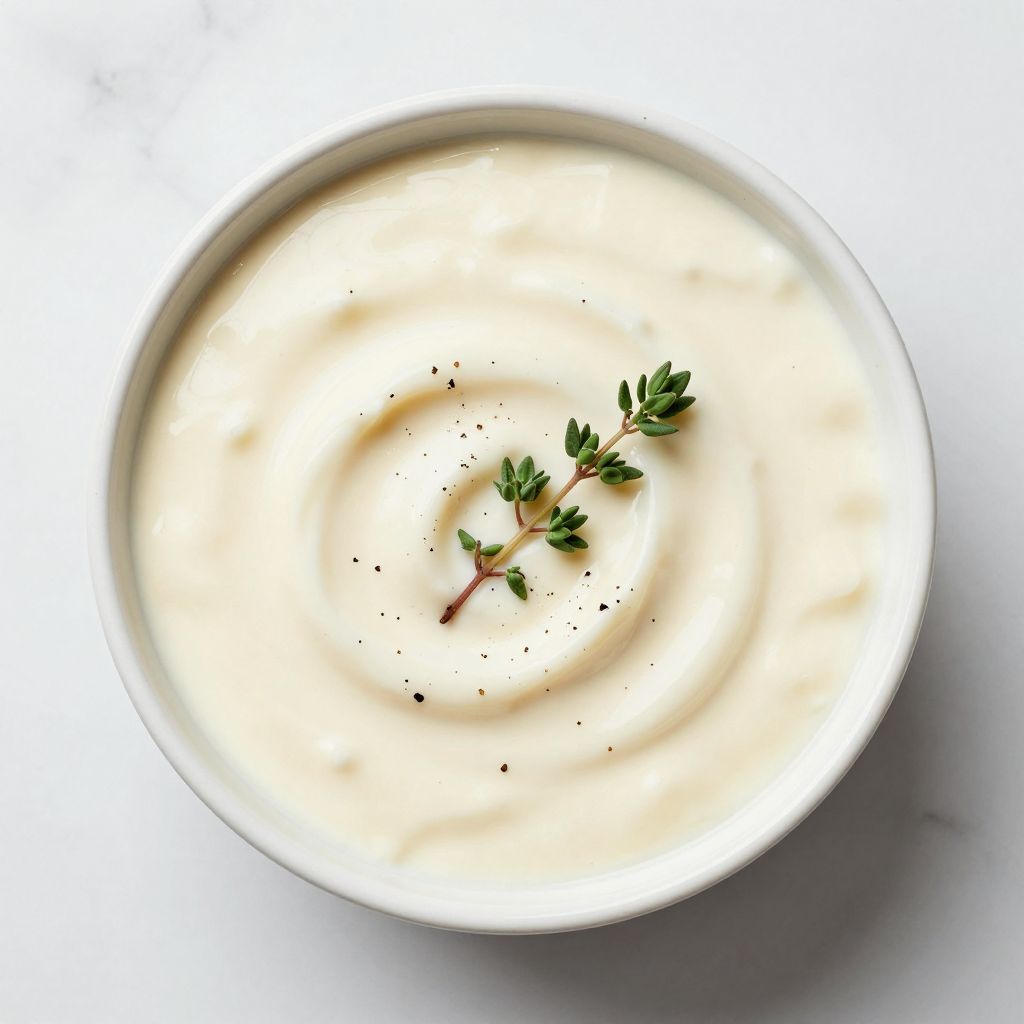
White gravy recipe lovers, this one’s for you. Creamy, peppery, and ridiculously easy to make, this Southern staple transforms biscuits, fried chicken, and breakfast plates into something extraordinary.
Whether you call it country gravy, sawmill gravy, or just “that delicious stuff grandma used to make,” you’re in the right place. Let me walk you through exactly how to nail this classic every single time.
Why You’ll Love This Recipe
This white gravy recipe delivers restaurant quality results with pantry staples you probably already have. It’s the kind of recipe that makes you look like a kitchen pro with minimal effort.
- Ready in under 15 minutes from start to finish
- Uses only 5 simple ingredients
- Perfectly smooth texture without any lumps
- Customizable thickness to match your preferences
- Works beautifully over biscuits, chicken fried steak, mashed potatoes, and more
My Experience Making This Recipe
I’ve made this white gravy more times than I can count, and honestly, it never gets old. The aroma of butter melting in the pan followed by that distinctive flour toasting smell instantly makes my kitchen feel like a cozy Southern diner.
The first time I served this over fresh buttermilk biscuits for my family, the pan was scraped clean before I even sat down. My kids now request “the white stuff” at least twice a week, which I consider a parenting win.
What I love most is how forgiving this recipe is once you understand the basic technique. Even my early attempts that seemed hopeless transformed into silky smooth gravy with a little patience and whisking.
Recipe Overview
- Recipe Name: Classic White Gravy
- Servings: 6 servings (about 2 cups total)
- Prep Time: 5 minutes
- Cook Time: 10 minutes
- Total Time: 15 minutes
- Course: Sauce, Breakfast, Condiment
- Cuisine: American, Southern
- Calories per Serving: 145 calories
Equipment You Will Need
- Medium saucepan or skillet (10 to 12 inch)
- Whisk (absolutely essential for smooth gravy)
- Measuring cups and spoons
- Wooden spoon or spatula
- Ladle for serving
Ingredients for White Gravy
- 4 tablespoons unsalted butter
- 1/4 cup all purpose flour
- 2 cups whole milk, at room temperature
- 1/2 teaspoon salt, plus more to taste
- 1/2 teaspoon freshly ground black pepper, plus more to taste
Optional Flavor Boosters
- 1/4 teaspoon garlic powder
- Pinch of cayenne pepper for heat
- 1/4 teaspoon onion powder
- Cooked crumbled sausage (about 1/2 pound)
Ingredient Notes and Substitutions
- Butter: Provides rich flavor and creates the roux base. Substitute with bacon drippings or sausage grease for a more savory, meaty flavor.
- All purpose flour: Acts as the thickening agent for the gravy. Substitute with gluten free flour blend in equal amounts, though texture may vary slightly.
- Whole milk: Creates the creamy, rich consistency that makes this gravy special. Substitute with 2% milk for lighter gravy, or half and half for extra richness.
- Salt: Brings all the flavors together and prevents blandness. Reduce if using salted butter or salty pan drippings.
- Black pepper: The signature flavor in country style white gravy. Use freshly cracked pepper for the best flavor and visible specks.
How to Make White Gravy
Step 1: Melt the Butter
Place your saucepan over medium heat and add the butter. Let it melt completely until it starts to foam slightly, which takes about 1 to 2 minutes.
You want the butter hot enough to cook the flour but not so hot that it browns. Browning would change both the color and flavor profile of your gravy.
Step 2: Add the Flour
Sprinkle the flour into the melted butter all at once. Immediately start whisking to combine the two ingredients into a smooth paste called a roux.
The flour needs to be fully incorporated with no dry spots visible. This is the foundation of lump free gravy, so take your time here.
Step 3: Cook the Roux
Continue cooking the roux while whisking constantly for about 1 to 2 minutes. The mixture will become slightly golden and smell nutty, almost like pie crust.
This step cooks out the raw flour taste that can make gravy taste pasty and unpleasant. Don’t skip it or rush through it.
Step 4: Warm Your Milk
Here’s a tip that changed my gravy game forever. Using room temperature or slightly warmed milk prevents the temperature shock that causes lumps.
If your milk is cold, just microwave it for 30 to 45 seconds before adding. This small step makes a surprisingly big difference.
Step 5: Add Milk Gradually
Remove the pan from heat briefly and pour in about 1/2 cup of milk while whisking vigorously. The mixture will seize up and look like a thick paste initially.
Keep whisking until smooth before adding more milk. Patience here is what separates silky gravy from lumpy disappointment.
Step 6: Continue Adding Milk
Return the pan to medium heat and add the remaining milk in two or three additions. Whisk constantly between each addition until the mixture is completely smooth.
The gradual addition lets the flour absorb the liquid evenly without forming clumps. Rushing this step is the number one cause of gravy failure.
Step 7: Simmer and Thicken
Bring the gravy to a gentle simmer while continuing to stir frequently. You’ll notice the gravy starting to thicken after about 3 to 5 minutes of simmering.
The gravy is ready when it coats the back of a spoon nicely. It will thicken more as it cools, so aim for slightly thinner than your final desired consistency.
Step 8: Season and Serve
Remove from heat and stir in the salt and black pepper. Taste and adjust seasoning as needed since everyone’s preference varies.
Serve immediately while hot and pourable. Gravy waits for no one, so have your biscuits or protein ready to receive this creamy goodness.
Pro Tip: If your gravy gets too thick, simply whisk in a splash of milk until you reach your desired consistency. If it’s too thin, let it simmer for another minute or two while stirring.
Tips for the Best White Gravy
- Use a whisk, not a spoon. A whisk breaks up potential lumps far better than any other utensil and incorporates air for lighter texture.
- Keep the heat at medium. High heat causes the milk to scorch on the bottom and creates an unpleasant burnt taste.
- Season at the end. Flavors concentrate as liquid evaporates, so seasoning too early often results in overly salty gravy.
- Make gravy in the same pan you cooked meat. Those browned bits at the bottom add incredible depth of flavor that butter alone cannot match.
- Let cold ingredients warm up. Room temperature milk incorporates more smoothly than ice cold milk straight from the fridge.
- When in doubt, go thinner. Gravy continues thickening as it sits, so slightly thin gravy becomes perfect gravy in minutes.
Common Mistakes to Avoid
- Adding all the milk at once. This creates lumps that are nearly impossible to whisk out, ruining the smooth texture.
- Not cooking the roux long enough. Raw flour taste makes gravy unappetizing and pasty on the tongue.
- Using low fat milk. Skim milk produces thin, watery gravy that lacks the rich body and flavor of the original.
- Walking away from the stove. Gravy requires constant attention to prevent scorching and ensure even thickening.
- Underseasoning. Bland gravy is a tragedy since this sauce needs adequate salt and generous pepper to shine.
Serving Suggestions
White gravy is ridiculously versatile and makes almost any comfort food better. Here are my favorite ways to enjoy it.
- Poured generously over fresh, warm buttermilk biscuits
- Smothered on chicken fried steak or chicken fried chicken
- Ladled over crispy fried pork chops
- Drizzled on top of fluffy mashed potatoes
- Served alongside scrambled eggs and breakfast sausage
Variations to Try
- Sausage Gravy: Brown 1/2 pound of breakfast sausage first, then make the gravy in the same pan using the drippings instead of butter. The meaty, savory flavor is unbeatable.
- Bacon Gravy: Replace butter with 4 tablespoons of bacon drippings for smoky, rich flavor that pairs perfectly with eggs.
- Herb Gravy: Add 1 teaspoon of fresh thyme or sage at the end for an aromatic twist that works wonderfully with poultry.
- Spicy Gravy: Include 1/4 teaspoon cayenne and a few dashes of hot sauce for gravy with a kick.
- Mushroom Gravy: Saute 1 cup sliced mushrooms in the butter before adding flour for an earthy, umami packed variation.
Dietary Adaptations
- Gluten Free: Use a 1:1 gluten free flour blend in place of all purpose flour. The gravy may be slightly thinner, so use a bit more flour.
- Dairy Free: Substitute butter with vegan butter and use unsweetened oat milk or coconut milk. The flavor differs but remains tasty.
- Vegetarian: This basic recipe is already vegetarian. Just ensure you use butter rather than meat drippings.
- Lower Calorie: Use 2% milk and reduce butter to 3 tablespoons. The gravy will be lighter but still satisfying.
Storage and Reheating
Refrigerator
White gravy stores well in the refrigerator for up to 4 days. It thickens significantly when cold, which is completely normal.
- Transfer to an airtight container
- Press plastic wrap directly onto the surface to prevent skin formation
- Label with the date for reference
Freezer
Freezing is possible but not ideal since dairy based gravies can separate when thawed. If you must freeze, expect some texture changes.
- Freeze in ice cube trays for portion control
- Transfer frozen cubes to freezer bags
- Use within 2 months for best quality
Reheating
Reheat gently over medium low heat on the stovetop for best results. The microwave works but can cause uneven heating.
- Add a splash of milk to thin the gravy
- Whisk constantly while reheating
- Heat until just simmering, not boiling
Nutrition Information
| Nutrient | Amount |
|---|---|
| Calories | 145 |
| Total Fat | 10g |
| Saturated Fat | 6g |
| Carbohydrates | 10g |
| Fiber | 0g |
| Sugar | 4g |
| Protein | 3g |
| Sodium | 230mg |
| Cholesterol | 30mg |
Nutritional values are estimates based on standard ingredients and may vary based on specific products used and serving sizes.
Frequently Asked Questions
Can I make white gravy ahead of time?
Yes, you can make it up to 2 days ahead and refrigerate. Reheat slowly with extra milk, whisking until smooth.
Why is my gravy lumpy?
Lumps form when flour isn’t fully incorporated into fat before adding milk, or when milk is added too quickly. A fine mesh strainer can rescue lumpy gravy in a pinch.
How do I fix gravy that’s too thick?
Simply whisk in more milk, a tablespoon at a time, until you reach your desired consistency. Warm milk works better than cold for this fix.
Can I use pan drippings instead of butter?
Absolutely, and I highly recommend it. Pan drippings from sausage, bacon, or fried chicken add incredible savory depth.
Why does my gravy taste like flour?
The roux wasn’t cooked long enough before adding milk. Always cook the butter and flour mixture for at least 1 to 2 minutes until it smells nutty.
Final Thoughts
This white gravy recipe is one of those foundational skills that pays dividends for years. Once you master the basic technique, you’ll find yourself making gravy without even thinking about it.
So grab your whisk, gather those simple ingredients, and give this recipe a try this weekend. Your biscuits are waiting, and they deserve better than gravy from a packet.
Classic White Gravy
Ingredients
Method
- Place a medium saucepan or skillet (10–12 inch) over medium heat and melt 4 tablespoons of butter until it foams, about 1–2 minutes.
- Sprinkle 1/4 cup all purpose flour into the melted butter and immediately whisk to form a smooth paste (roux) with no dry spots.
- Continue whisking and cook the roux for 1–2 minutes, until it turns a light golden color and smells slightly nutty; avoid browning.
- Remove the pan from heat and slowly pour in about 1/2 cup of the room-temperature milk, whisking vigorously until the mixture is smooth and loose.
- Return the pan to medium heat and add the remaining milk in 2–3 additions, whisking constantly between each pour to maintain a lump-free consistency.
- Bring the gravy to a gentle simmer while whisking; cook 3–5 minutes until it thickens enough to coat the back of a spoon.
- Stir in 1/2 teaspoon salt and 1/2 teaspoon freshly ground black pepper, then taste and adjust seasoning as desired.
- Serve the gravy immediately while hot over biscuits, fried chicken, or mashed potatoes. If it thickens on standing, whisk in a splash of warm milk to loosen.