
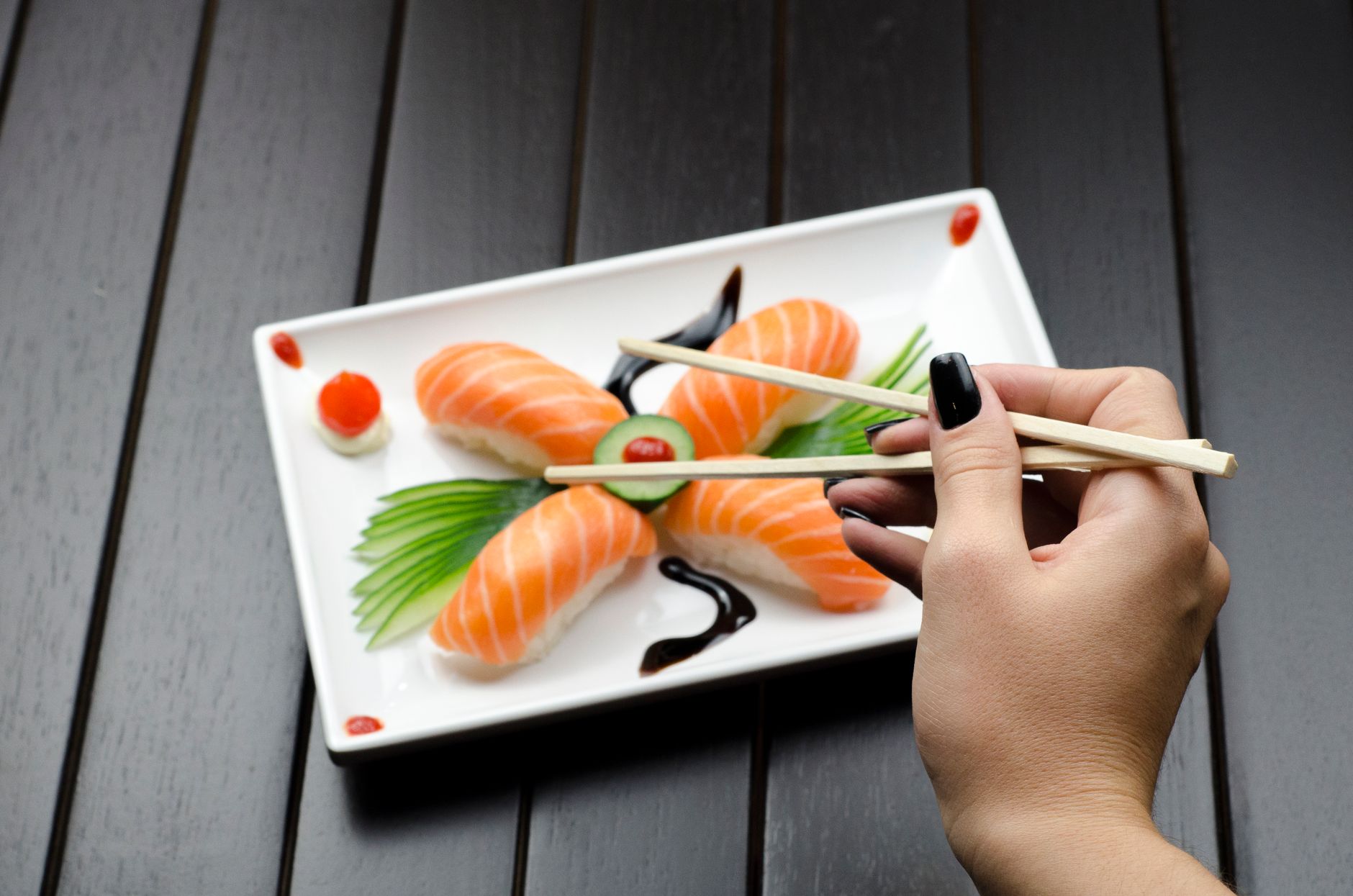
Salmon nigiri is a type of sushi that consists of a hand-formed mound of sushi rice topped with a slice of fresh salmon. This popular dish originates from Japan and showcases the delicate flavors and textures of both the fish and the rice. It’s a favorite among sushi enthusiasts for its simplicity and balance of flavors.
The beauty of salmon nigiri lies not only in its aesthetics but also in its culinary craftsmanship. The combination of the slightly tangy rice and the rich, buttery salmon creates a harmonious bite that resonates with seafood lovers. Understanding the components and preparation methods can elevate your sushi-making skills to new heights.
What Is Salmon Nigiri?
Salmon nigiri is a traditional Japanese dish that features a small, oval-shaped mound of vinegared sushi rice topped with a slice of fresh salmon. The rice is typically flavored with rice vinegar, sugar, and salt, giving it a slightly tangy taste that complements the rich, silky texture of the salmon. Often, it is served with soy sauce, wasabi, and pickled ginger on the side for additional flavor and palate cleansing.
Key Ingredients in Salmon Nigiri
To make salmon nigiri, you will need several key ingredients that contribute to its unique flavor profile and texture. Below are the ingredients typically used:
- Sushi rice: Short-grain Japanese rice specifically used for sushi, renowned for its sticky texture.
- Fresh salmon: Sashimi-grade salmon, which is fresh enough to be eaten raw, usually featuring a slight marbling for added flavor.
- Rice vinegar: Mixed with sugar and salt to season the sushi rice.
- Sugar: For added sweetness in the rice seasoning.
- Salt: Enhances the flavor of the rice.
- Wasabi: A green paste served on the side, offering a spicy kick that pairs well with the salmon.
- Soy sauce: A savory dipping sauce that enhances the flavors of nigiri.
- Pickled ginger: Used as a palate cleanser between bites.
The Taste and Texture of Salmon Nigiri
The flavor profile of salmon nigiri is a delightful balance of sweet, savory, and subtly tangy notes. The sushi rice provides a mild sweetness and acidity, while the salmon offers a rich, buttery flavor with a hint of ocean brininess. The texture is equally important: the rice is sticky yet tender, and the salmon is smooth, melting in your mouth. This combination makes for a satisfying dining experience.
Culinary Uses of Salmon Nigiri
Salmon nigiri can be enjoyed in various culinary contexts, ranging from casual meals to formal dining experiences. Here are some popular ways to serve and enjoy salmon nigiri:
- Sushi platters: Salmon nigiri is often featured on sushi platters alongside other types of nigiri and maki rolls, making it a great choice for sharing at gatherings.
- Sushi restaurants: Typically, salmon nigiri can be found on the menu of most sushi restaurants, served freshly prepared by skilled sushi chefs.
- Home cooking: With the right ingredients and techniques, home cooks can make salmon nigiri to share with family and friends.
- Tasting menus: In high-end dining, salmon nigiri can be part of sophisticated tasting menus, highlighting the quality of the fish and the craft of sushi making.
How to Make Salmon Nigiri: A Step-by-Step Guide
Making salmon nigiri at home may seem daunting, but with a little preparation and the right technique, it can be quite manageable. Here’s a straightforward step-by-step guide:
What You’ll Need
- 2 cups sushi rice
- 2 1/2 cups water
- 1/4 cup rice vinegar
- 2 tablespoons sugar
- 1 teaspoon salt
- 8 ounces sashimi-grade salmon
- Wasabi, soy sauce, and pickled ginger for serving
Essential Equipment
- Rice cooker or pot
- Mixing bowl
- Sushi mat (optional)
- Sharp knife
- Cutting board
Preparation Steps
- Rinse the rice: Rinse the sushi rice under cold water until the water runs clear. This helps remove excess starch.
- Cook the rice: Combine rinsed rice and water in a rice cooker or pot. Cook according to the rice cooker instructions or bring to a boil, then cover and simmer for about 20 minutes until the water is absorbed.
- Season the rice: In a small saucepan, combine rice vinegar, sugar, and salt. Heat gently until sugar dissolves. Once the rice is cooked, transfer to a mixing bowl and pour the seasoned vinegar over it. Mix gently with a spatula to cool without smashing the grains.
- Prep the salmon: Using a sharp knife, slice the sashimi-grade salmon into thin slices, about 1/4-inch thick. Aim for pieces that are long enough to cover the rice mound.
- Shape the rice: Wet your hands to prevent sticking. Take a small amount of seasoned rice (about 2 tablespoons) and form it into an oval mound. Gently compress it to maintain its shape.
- Assemble the nigiri: Place a slice of salmon over the rice mound, pressing gently to adhere the fish to the rice.
- Serve: Arrange the salmon nigiri on a serving platter with wasabi, soy sauce, and pickled ginger on the side.
Common Mistakes to Avoid When Making Salmon Nigiri
While making salmon nigiri is straightforward, there are a few common mistakes to watch out for:
- Using the wrong type of rice: Always use sushi rice, as it has the right texture and stickiness to hold its shape.
- Overcooking or undercooking the rice: Pay attention to water ratios and cooking times for perfectly cooked rice.
- Not seasoning the rice: The flavor of sushi rice is essential; be sure to properly mix in the vinegar seasoning.
- Using subpar salmon: Always choose sashimi-grade salmon for the best taste and safety when eating raw fish.
Variations of Salmon Nigiri
Salmon nigiri can be easily customized with various toppings and accompaniments. Here are some popular variations:
- Salmon nigiri with avocado: A slice of ripe avocado can be added on top for a creamy texture and flavor contrast.
- Spicy salmon nigiri: Mix diced salmon with spicy mayo and place it atop the rice for a kick.
- Salmon belly nigiri: If available, use the belly cut of the salmon for a richer taste and texture.
- Sheeter salmon nigiri: Use a sheeter to create intricate patterns or shapes with the salmon for a stunning presentation.
Storage Tips for Sushi Rice and Salmon
If you’re making salmon nigiri in advance or have leftovers, proper storage is key to maintaining freshness:
- Sushi rice: Store leftover sushi rice in an airtight container at room temperature for up to a day. Do not refrigerate as it will become hard and lose its desirable texture.
- Fresh salmon: Unused sashimi-grade salmon should be refrigerated and consumed within 24 hours. Use a sealed container to prevent contamination.
Serving Suggestions for Salmon Nigiri
Salmon nigiri can be paired with various sides and beverages to enhance your dining experience. Consider these suggestions:
- Sake: This traditional Japanese rice wine complements the flavors of nigiri beautifully.
- Green tea: A warm cup of green tea can cleanse the palate and round out the meal.
- Seaweed salad: A light seaweed salad is a great side dish to accompany sushi.
- Edamame: Steamed edamame adds a simple yet satisfying element to your sushi meal.
Conclusion
Salmon nigiri is a beautiful representation of Japanese cuisine, showcasing the harmony of flavors and textures through minimalism. Its simplicity makes it an accessible yet elegant dish that anyone can enjoy. By following the steps and tips outlined in this guide, you can delight friends and family with homemade salmon nigiri that’s sure to impress.
Explore more related recipes and cooking tips, such as how to tell if salmon is bad or make your own lox at home. Discover these topics to enhance your culinary skills further. Visit how to tell if salmon is bad and lox recipe for more insights.