Sirloin tip roast delivers that special occasion flavor without the special occasion price tag. This lean, budget-friendly cut transforms into something spectacular with the right technique and a bit of patience.
Whether you're feeding a crowd on Sunday dinner or meal prepping for the week, this recipe produces tender, juicy slices every single time. Let me walk you through exactly how to nail it.
Why You'll Love This Recipe
This sirloin tip roast recipe checks all the boxes for a satisfying home-cooked meal. Here's what makes it a winner:
- Budget-friendly cut that tastes like a premium roast when cooked properly
- Hands-off cooking lets you prep sides while the oven does the work
- Impressive presentation perfect for holiday dinners or Sunday suppers
- Leftovers make incredible sandwiches, salads, and stir-fries
- Simple seasoning highlights the natural beefy flavor
My Experience Making This Recipe
I'll be honest with you. My first sirloin tip roast came out like beef-flavored cardboard. I cranked the heat too high and sliced it immediately, watching all those precious juices run onto the cutting board.
After plenty of trial and error, I discovered the magic combination: a screaming hot sear, low and slow roasting, and mandatory resting time. The aroma that fills your kitchen during the last hour of cooking is absolutely intoxicating.
My family now requests this roast for birthdays instead of going out to eat. That's when I knew I'd finally cracked the code.
Recipe Overview
- Recipe Name: Sirloin Tip Roast
- Servings: 8
- Prep Time: 20 minutes
- Cook Time: 2 hours 15 minutes
- Total Time: 2 hours 35 minutes plus resting
- Course: Main Dish
- Cuisine: American
- Calories per Serving: 285
Equipment You Will Need
- Large cast iron skillet or oven-safe heavy pan
- Roasting pan with rack
- Instant-read meat thermometer
- Sharp carving knife
- Cutting board with juice grooves
- Aluminum foil
- Kitchen twine
Ingredients for Sirloin Tip Roast
For the Roast
- 3.5 pounds sirloin tip roast, tied with kitchen twine
- 2 tablespoons olive oil
- 1 tablespoon kosher salt
- 2 teaspoons black pepper, freshly cracked
- 1 tablespoon garlic powder
- 1 teaspoon onion powder
- 1 teaspoon dried thyme
- 1 teaspoon dried rosemary, crushed
For the Pan Sauce
- 2 cups beef broth
- 2 tablespoons butter
- 1 tablespoon Worcestershire sauce
- 2 cloves garlic, minced
Ingredient Notes and Substitutions
- Sirloin tip roast: This lean cut comes from the hindquarters and benefits from slow roasting. Substitute with top round or bottom round roast if unavailable.
- Kosher salt: The larger flakes distribute more evenly and dissolve into the meat surface. Use half the amount if substituting fine table salt.
- Fresh herbs: Dried herbs withstand the long cooking time without burning. Fresh rosemary and thyme work if added during the last 30 minutes.
- Beef broth: Provides the base for a quick pan sauce. Substitute with beef stock or even red wine for deeper flavor.
- Olive oil: Helps the seasoning adhere and promotes browning. Any neutral oil with a high smoke point works fine.
How to Make Sirloin Tip Roast
Step 1: Bring the Roast to Room Temperature
Remove your sirloin tip roast from the refrigerator 60 minutes before cooking. This ensures even cooking from edge to center, preventing that gray ring of overcooked meat around a cold middle.
Step 2: Prepare the Seasoning Rub
Combine the salt, pepper, garlic powder, onion powder, thyme, and rosemary in a small bowl. Mix thoroughly so every bite gets balanced seasoning.
Step 3: Season the Roast Generously
Pat the roast completely dry with paper towels. Rub olive oil all over the surface, then press the seasoning mixture firmly into every side of the meat.
Step 4: Preheat and Prepare
Preheat your oven to 450 degrees Fahrenheit. Place your cast iron skillet over high heat until it just begins to smoke.
Step 5: Sear for a Flavorful Crust
Add the seasoned roast to the screaming hot pan and sear for 2 to 3 minutes per side. This Maillard reaction creates that deeply savory, caramelized crust that makes restaurant roasts taste so incredible.
Step 6: Begin Roasting at High Heat
Transfer the seared roast to your roasting rack and place in the 450 degree oven. Roast for 15 minutes to jumpstart the crust development.
Step 7: Reduce Heat and Slow Roast
Lower the oven temperature to 325 degrees Fahrenheit without opening the door. Continue roasting for approximately 1.5 to 2 hours, or until the internal temperature reaches 130 degrees for medium-rare.
The low temperature gently breaks down the muscle fibers without squeezing out moisture. Check the temperature starting at 90 minutes since ovens vary.
Step 8: Rest Before Slicing
Remove the roast when it hits 130 degrees, tent loosely with foil, and rest for 15 to 20 minutes. The internal temperature will rise another 5 to 10 degrees during this time, and the juices redistribute throughout the meat.
Skipping this step guarantees dry slices and a puddle of juice on your cutting board. Walk away, pour yourself a drink, and exercise patience.
Step 9: Make the Pan Sauce
While the roast rests, place your roasting pan over medium heat. Add the minced garlic and cook for 30 seconds until fragrant.
Pour in the beef broth, scraping up all those flavorful brown bits stuck to the bottom. Simmer until reduced by half, then whisk in butter and Worcestershire sauce.
Step 10: Slice and Serve
Remove the kitchen twine and slice the roast against the grain into thin pieces. Cutting against the grain shortens the muscle fibers, making each bite tender instead of chewy.
Pro Tip: Let your meat thermometer be your guide, not the clock. Internal temperature tells you exactly when your roast reaches perfection regardless of size variations or oven hot spots.
Tips for the Best Sirloin Tip Roast
- Dry the surface thoroughly before searing. Moisture creates steam instead of developing that gorgeous brown crust.
- Invest in a reliable instant-read thermometer. This single tool prevents more cooking disasters than any other gadget in your kitchen.
- Season generously since the exterior carries most of the flavor. What seems like too much salt usually isn't.
- Use the roasting rack to allow air circulation underneath. Meat sitting directly in the pan will steam on the bottom.
- Slice only what you'll serve immediately. Whole roast pieces stay juicier as leftovers than pre-sliced meat.
- Let the pan get properly hot before searing. Placing meat in a lukewarm pan leads to sad, gray exteriors.
Common Mistakes to Avoid
- Cooking straight from the fridge: Cold meat cooks unevenly and spends too long in the danger zone while the center catches up.
- Skipping the sear: Without that initial high-heat browning, you miss out on layers of complex, savory flavor.
- Slicing immediately after cooking: Cutting too soon releases all the juices that should stay in the meat.
- Using a dull knife: Tearing through the roast instead of slicing cleanly destroys the texture you worked so hard to achieve.
- Opening the oven repeatedly: Every peek drops the temperature significantly and extends cooking time unpredictably.
Serving Suggestions
A beautiful sirloin tip roast deserves sides that complement its rich, beefy flavor. These pairings create a complete meal that impresses without overwhelming.
- Creamy mashed potatoes with roasted garlic
- Yorkshire pudding to soak up the pan sauce
- Roasted root vegetables with fresh herbs
- Sauteed green beans with shallots
- Classic Caesar salad for freshness contrast
Variations to Try
- Herb-crusted version: Press a mixture of fresh minced herbs, breadcrumbs, and Dijon mustard onto the seared roast before the second roasting phase.
- Coffee-rubbed roast: Add 2 tablespoons finely ground coffee to your spice rub for an earthy, slightly bitter depth that pairs beautifully with beef.
- Horseradish crust: Spread prepared horseradish mixed with breadcrumbs on top during the last 20 minutes for a spicy kick.
- Red wine braise: For a more forgiving method, braise the seared roast in red wine and beef stock at 300 degrees for 3 hours until fork-tender.
- Asian-inspired: Season with five-spice powder, ginger, and soy sauce for an unexpected twist that makes incredible leftover rice bowls.
Dietary Adaptations
- Gluten-free: This recipe is naturally gluten-free. Verify your Worcestershire sauce brand contains no wheat-based ingredients.
- Dairy-free: Replace the butter in the pan sauce with olive oil or your preferred dairy-free alternative with minimal flavor difference.
- Low-carb and Keto: Sirloin tip roast fits perfectly into keto meal plans. Serve alongside cauliflower mash instead of potatoes.
- Whole30 compliant: Use ghee instead of butter and ensure your beef broth contains no added sugars or non-compliant additives.
Storage and Reheating
Refrigerator
Properly stored leftover roast stays delicious for up to 4 days. Keep it as intact as possible for best moisture retention.
- Wrap tightly in plastic wrap or place in airtight container
- Store slices in a single layer to prevent sticking
- Keep pan sauce in a separate sealed container
Freezer
Sirloin tip roast freezes well for up to 3 months. Slice before freezing for easier portion control later.
- Wrap individual portions in plastic wrap, then foil
- Place in freezer bags with air removed
- Label with date and contents
Reheating
Gentle reheating prevents your tender roast from turning tough. Low and slow wins again here.
- Oven method: 250 degrees in a covered dish with a splash of broth for 15 to 20 minutes
- Slice thin for sandwiches and serve at room temperature
- Add directly to hot gravy or pan sauce and warm gently
Nutrition Information
| Nutrient | Amount |
|---|---|
| Calories | 285 |
| Total Fat | 12g |
| Saturated Fat | 4g |
| Carbohydrates | 2g |
| Fiber | 0g |
| Sugar | 0g |
| Protein | 42g |
| Sodium | 580mg |
| Cholesterol | 120mg |
Nutritional values are estimates based on a 3.5 pound roast serving 8 people. Actual values may vary based on specific ingredients and portion sizes.
Frequently Asked Questions
Can I make sirloin tip roast ahead of time?
Yes, you can sear and season the roast a day ahead, then refrigerate until ready to cook. Allow extra time for the cold roast to come to room temperature before roasting.
What internal temperature should I target for medium doneness?
Pull the roast at 135 degrees for medium, remembering it will rise another 5 to 10 degrees while resting. Medium-rare at 130 degrees yields the juiciest results for this lean cut.
Why is my sirloin tip roast tough?
Overcooking is the most common culprit since this lean cut dries out quickly past medium doneness. Slicing with the grain instead of against it can make properly cooked meat seem tough.
Can I cook vegetables in the same pan?
Absolutely, but add hearty vegetables like carrots and potatoes when you reduce the oven temperature to 325 degrees. Quicker-cooking vegetables should go in during the last 45 minutes.
How do I know which direction is against the grain?
Look for the parallel lines of muscle fiber running across the meat surface. Your knife should cut perpendicular to those lines, shortening the fibers with each slice.
Final Thoughts
Mastering sirloin tip roast opens up a world of impressive dinners without breaking the bank. The technique you've learned here transfers to other roasts, building your confidence in the kitchen.
Give this recipe a shot this weekend and watch your family's reaction when you bring that beautifully browned roast to the table. Trust the thermometer, respect the resting time, and you'll produce restaurant-quality results every single time.
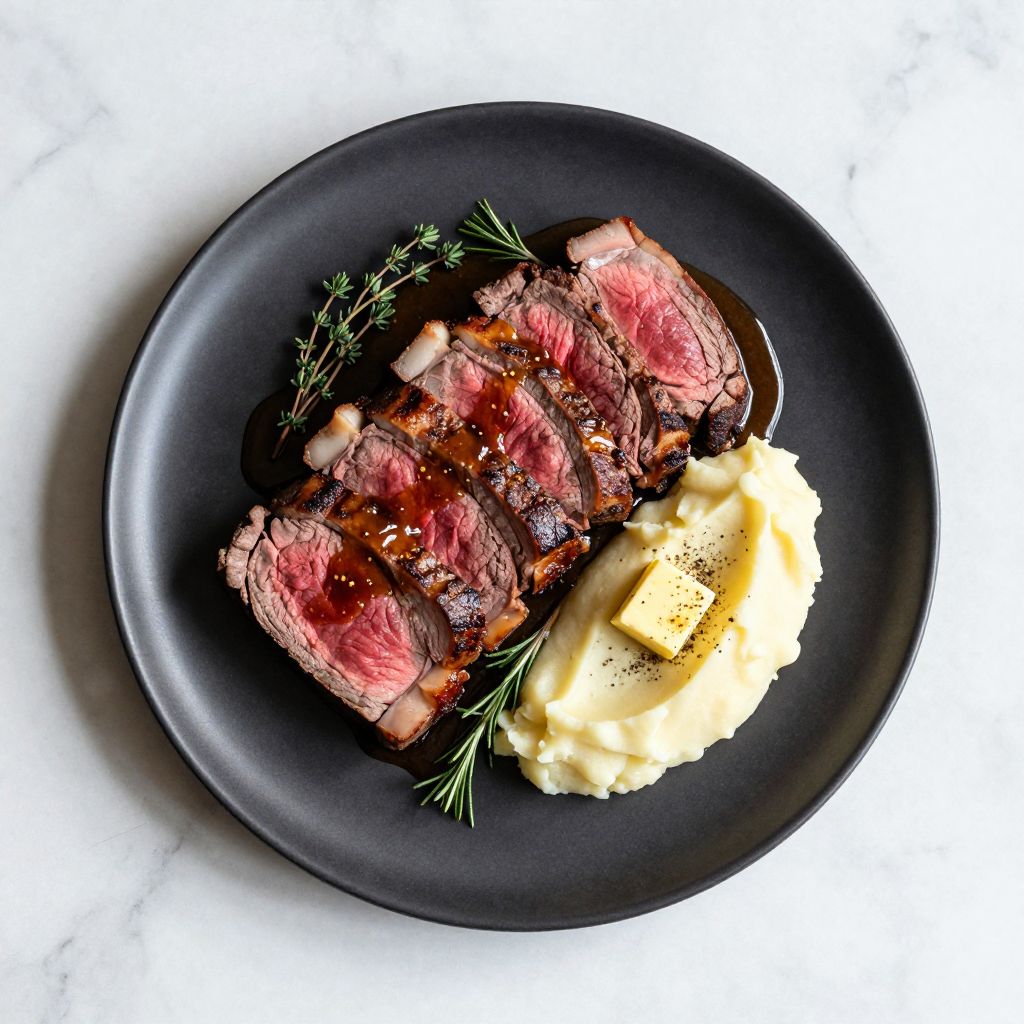
Sirloin Tip Roast
Ingredients
Equipment
Method
- Remove your sirloin tip roast from the refrigerator 60 minutes before cooking to bring it to room temperature. This ensures even cooking from edge to center.
- Combine the salt, pepper, garlic powder, onion powder, thyme, and rosemary in a small bowl. Mix thoroughly so every bite gets balanced seasoning.
- Pat the roast completely dry with paper towels. Rub olive oil all over the surface, then press the seasoning mixture firmly into every side of the meat.
- Preheat your oven to 450 degrees Fahrenheit. Place your cast iron skillet over high heat until it just begins to smoke.
- Add the seasoned roast to the screaming hot pan and sear for 2 to 3 minutes per side to create a deeply savory, caramelized crust.
- Transfer the seared roast to your roasting rack and place in the 450 degree oven. Roast for 15 minutes to jumpstart the crust development.
- Lower the oven temperature to 325 degrees Fahrenheit without opening the door. Continue roasting for approximately 1.5 to 2 hours, or until the internal temperature reaches 130 degrees for medium-rare.
- Remove the roast when it hits 130 degrees, tent loosely with foil, and rest for 15 to 20 minutes. The internal temperature will rise another 5 to 10 degrees during this time.
- While the roast rests, place your roasting pan over medium heat. Add the minced garlic and cook for 30 seconds until fragrant.
- Pour in the beef broth, scraping up all those flavorful brown bits stuck to the bottom. Simmer until reduced by half, then whisk in butter and Worcestershire sauce.
- Remove the kitchen twine and slice the roast against the grain into thin pieces. Serve with the pan sauce.