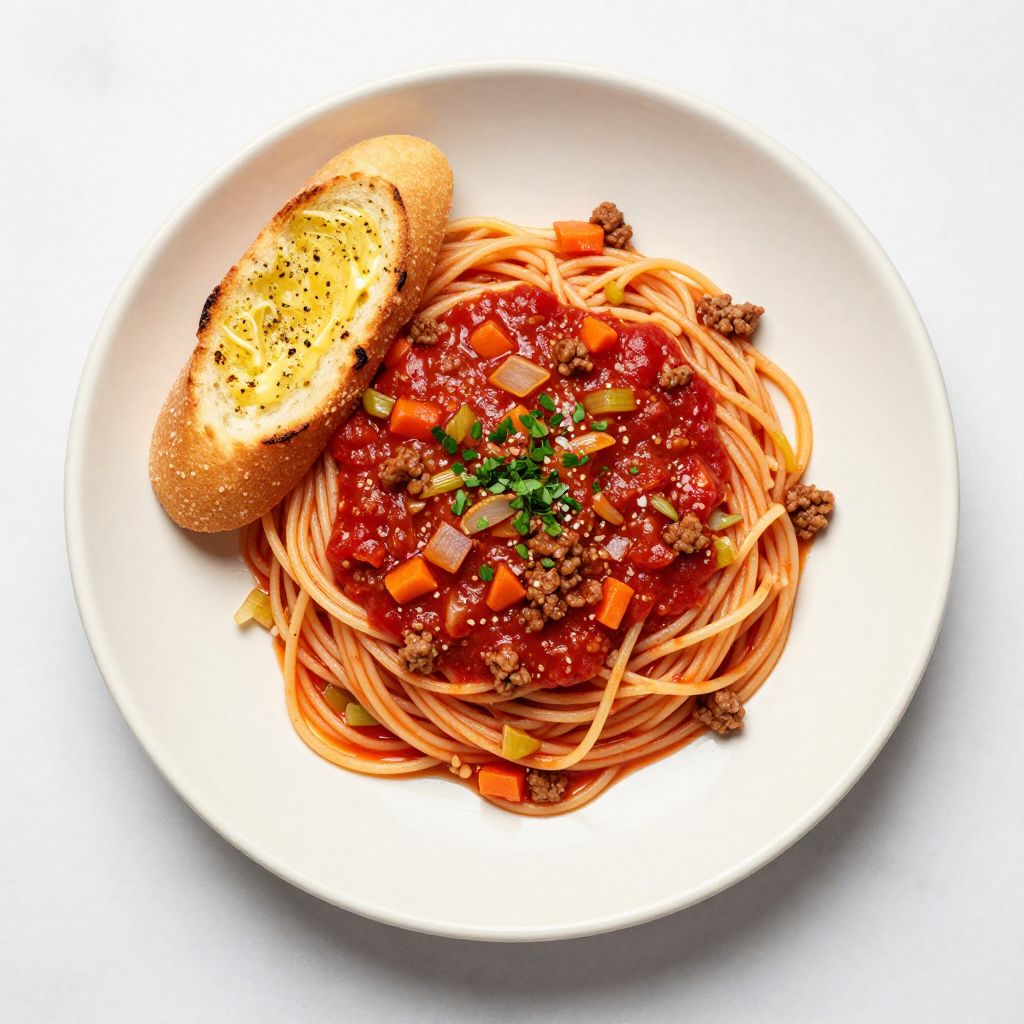
Meat sauce recipe lovers, this one’s for you. Rich, hearty, and loaded with savory depth, this classic sauce transforms simple pasta into a comforting weeknight masterpiece that your whole family will request on repeat.
Whether you’re topping spaghetti, layering lasagna, or stuffing shells, a good meat sauce is the foundation of countless Italian American favorites. This version uses ground beef, aromatic vegetables, and a slow simmer to build layers of flavor that taste like they cooked all day.
Let’s get into exactly how to make the best meat sauce you’ve ever tasted at home.
Why You’ll Love This Recipe
This meat sauce hits all the right notes without requiring culinary school credentials. It’s the kind of recipe that makes you look like a kitchen genius with minimal effort.
- Uses pantry staples you probably already have on hand
- Freezes beautifully for quick future meals
- Works with any pasta shape, from penne to rigatoni
- Fills your kitchen with an incredible aroma while simmering
- Easily doubles for meal prep or feeding a crowd
My Experience Making This Recipe
I’ve made this meat sauce more times than I can count, and it never disappoints. The first time I nailed it, my husband actually put down his phone mid-bite to ask what I did differently.
The secret is patience during the browning phase and letting it simmer until the flavors meld together. You’ll smell the transformation happening as those tomatoes break down and the herbs perfume your entire kitchen.
My kids now request “the red sauce” at least twice a week, which I consider a parenting win. Trust me when I say this recipe earns its spot in your regular rotation.
Recipe Overview
- Recipe Name: Classic Meat Sauce
- Servings: 8 servings
- Prep Time: 15 minutes
- Cook Time: 45 minutes
- Total Time: 1 hour
- Course: Main Course, Sauce
- Cuisine: Italian American
- Calories per Serving: 245 calories
Equipment You Will Need
- Large Dutch oven or heavy bottomed pot
- Wooden spoon
- Sharp chef’s knife
- Cutting board
- Can opener
- Measuring cups and spoons
- Ladle for serving
Ingredients for Meat Sauce
- Ground beef, 1.5 pounds, 80/20 blend preferred
- Olive oil, 2 tablespoons
- Yellow onion, 1 large, finely diced
- Garlic, 4 cloves, minced
- Carrots, 2 medium, finely diced
- Celery, 2 stalks, finely diced
- Crushed tomatoes, 1 can (28 ounces)
- Tomato paste, 3 tablespoons
- Beef broth, 1 cup
- Dry red wine, 1/2 cup (optional)
- Dried oregano, 1 teaspoon
- Dried basil, 1 teaspoon
- Bay leaves, 2 whole
- Sugar, 1 teaspoon
- Salt, 1 teaspoon, plus more to taste
- Black pepper, 1/2 teaspoon, freshly ground
- Red pepper flakes, 1/4 teaspoon (optional)
- Fresh parsley, 2 tablespoons, chopped for garnish
Ingredient Notes and Substitutions
- Ground beef: The 80/20 fat ratio adds moisture and flavor to the sauce. Substitute with ground turkey, pork, or a blend of beef and Italian sausage for different flavor profiles.
- Crushed tomatoes: They break down perfectly while maintaining some texture. San Marzano tomatoes work beautifully, or use diced tomatoes for a chunkier sauce.
- Red wine: Adds depth and acidity that brightens the sauce. Skip it entirely or replace with equal parts beef broth plus a splash of red wine vinegar.
- Carrots and celery: These soffritto vegetables add subtle sweetness and body. Finely dice them so they melt into the sauce rather than remaining distinct.
- Tomato paste: Concentrates the tomato flavor and thickens the sauce. Look for tubes instead of cans so you can use small amounts without waste.
- Sugar: Balances the acidity of the tomatoes without making the sauce sweet. A grated carrot can replace this if you prefer avoiding added sugar.
How to Make Meat Sauce
Step 1: Prepare Your Vegetables
Finely dice the onion, carrots, and celery into pieces roughly the same size. This trio, called soffritto in Italian cooking, forms the aromatic base that gives your sauce incredible depth.
Mince the garlic separately since it cooks faster than the other vegetables. Having everything prepped before you start cooking makes the process smooth and stress free.
Step 2: Brown the Ground Beef
Heat 1 tablespoon of olive oil in your Dutch oven over medium high heat until shimmering. Add the ground beef and break it into small pieces with your wooden spoon, letting it cook undisturbed for 2 to 3 minutes to develop a nice brown crust.
Continue cooking and breaking up the meat until no pink remains, about 7 to 8 minutes total. Proper browning creates those flavorful browned bits called fond that elevate your entire sauce.
Step 3: Drain and Set Aside the Meat
Transfer the browned beef to a plate lined with paper towels using a slotted spoon. Draining excess fat now prevents a greasy sauce later while keeping enough flavor in the pot.
Step 4: Saute the Aromatics
Add the remaining tablespoon of olive oil to the pot. Toss in the onion, carrots, and celery, stirring occasionally for 6 to 7 minutes until softened and the onions turn translucent.
Add the minced garlic and cook for just 60 seconds until fragrant. Garlic burns quickly, so keep it moving and watch for that telltale aroma that says it’s ready.
Step 5: Build the Tomato Base
Push the vegetables to the sides and add the tomato paste to the center of the pot. Let it cook for 1 to 2 minutes, stirring constantly, until it darkens slightly and smells less raw.
This step caramelizes the tomato paste and removes the tinny, harsh flavor that comes straight from the can. Don’t skip this little move because it makes a noticeable difference in the final taste.
Step 6: Deglaze the Pot
Pour in the red wine (or additional broth) and scrape up all those delicious browned bits from the bottom of the pot. Let the wine simmer for 2 minutes until reduced by about half.
Those browned bits contain concentrated flavor that would otherwise get lost. Deglazing redistributes all that savory goodness throughout your sauce.
Step 7: Add Remaining Ingredients and Simmer
Return the browned beef to the pot along with crushed tomatoes, beef broth, oregano, basil, bay leaves, sugar, salt, pepper, and red pepper flakes if using. Stir everything together and bring to a gentle boil.
Reduce heat to low and let the sauce simmer uncovered for 30 to 40 minutes, stirring occasionally. The sauce should thicken and the flavors will marry together beautifully during this time.
Step 8: Adjust Seasoning and Finish
Remove the bay leaves and taste your sauce. Add more salt, pepper, or a pinch of sugar if the tomatoes taste too acidic for your preference.
Stir in fresh parsley just before serving to add a pop of color and brightness. Your meat sauce is now ready to coat your favorite pasta or become the star of your next baked dish.
Pro Tip: Let your sauce rest for 10 minutes off the heat before serving. This allows the flavors to settle and the sauce to reach the perfect coating consistency.
Tips for the Best Meat Sauce
- Don’t crowd the beef when browning. Work in batches if needed to get proper color rather than steamed, gray meat.
- Use a heavy bottomed pot to distribute heat evenly and prevent hot spots that scorch the sauce.
- Resist the urge to rush the simmer. Low and slow develops flavors that a quick boil simply cannot achieve.
- Taste and adjust seasoning at the end since flavors concentrate as liquid evaporate during cooking.
- Add a parmesan rind to the simmering sauce for extra savory depth. Remove it before serving.
- Finish with a knob of butter stirred in at the end for restaurant quality richness and shine.
Common Mistakes to Avoid
- Not browning the meat properly: Pale, steamed beef creates a flat tasting sauce without the deep, savory notes that come from the Maillard reaction.
- Burning the garlic: Garlic goes from fragrant to bitter in seconds. Always add it after the other vegetables have softened and watch it carefully.
- Skipping the tomato paste step: Raw tomato paste tastes metallic and harsh. Taking time to cook it transforms the flavor completely.
- Boiling instead of simmering: A rapid boil breaks down the meat too aggressively and can make the sauce taste acidic rather than mellow.
- Underseasoning: Tomatoes require adequate salt to taste like tomatoes. Season in layers and adjust at the end for the best flavor.
Serving Suggestions
This versatile meat sauce pairs with almost anything in the pasta family and beyond. Think outside the spaghetti box for some truly satisfying meals.
- Tossed with fresh spaghetti or pappardelle and finished with grated Pecorino Romano
- Layered in lasagna with ricotta, mozzarella, and parmesan
- Spooned over creamy polenta for a comforting winter dinner
- Stuffed inside bell peppers or zucchini boats and baked until bubbly
- Served over baked potatoes as an unexpected twist on loaded spuds
Variations to Try
- Italian Sausage Blend: Replace half the ground beef with sweet or spicy Italian sausage for a more complex, fennel scented sauce.
- Mushroom Meat Sauce: Add 8 ounces of finely chopped cremini mushrooms with the vegetables for extra umami and meaty texture.
- Spicy Arrabiata Style: Increase red pepper flakes to 1 teaspoon and add a diced fresh jalapeno for serious heat lovers.
- Bolognese Inspired: Add 1/2 cup of whole milk or cream during the last 10 minutes of simmering for a richer, creamier sauce.
- Garden Vegetable: Stir in diced zucchini, bell peppers, or spinach during the last 15 minutes for added nutrition and color.
Dietary Adaptations
- Gluten Free: This sauce is naturally gluten free. Serve over gluten free pasta, zucchini noodles, or spaghetti squash.
- Dairy Free: The base recipe contains no dairy. Skip the parmesan garnish or use a dairy free alternative.
- Vegan/Vegetarian: Replace ground beef with plant based crumbles or finely chopped mushrooms and walnuts. Use vegetable broth instead of beef broth.
- Low Carb/Keto: Serve over spiralized zucchini, shirataki noodles, or roasted spaghetti squash. Omit the sugar or use a sugar free alternative.
Storage and Reheating
Refrigerator
Meat sauce keeps beautifully in the fridge and often tastes even better the next day. Store in airtight containers for optimal freshness.
- Lasts 4 to 5 days refrigerated
- Cool completely before covering
- Store in glass containers to prevent staining
Freezer
This sauce is a freezer superstar and the perfect meal prep candidate. Portion it out for easy weeknight dinners.
- Freezes well for up to 3 months
- Use freezer safe containers or zip top bags
- Leave 1 inch of headspace for expansion
- Label with date and contents
Reheating
Gentle reheating preserves the sauce’s texture and prevents it from becoming too thick. Add liquid if needed during the process.
- Stovetop: Warm over medium low heat, stirring occasionally, adding a splash of broth or water if too thick
- Microwave: Heat in 1 minute intervals, stirring between each, until warmed through
- From frozen: Thaw overnight in refrigerator before reheating
Nutrition Information
| Nutrient | Amount |
|---|---|
| Calories | 245 kcal |
| Total Fat | 14g |
| Saturated Fat | 5g |
| Carbohydrates | 12g |
| Fiber | 3g |
| Sugar | 7g |
| Protein | 18g |
| Sodium | 520mg |
| Cholesterol | 55mg |
Nutritional values are estimates based on standard ingredients and may vary depending on specific brands and modifications.
Frequently Asked Questions
Can I make meat sauce ahead of time?
Absolutely, and I actually recommend it. The flavors develop and meld together overnight, making day old sauce taste even richer than freshly made.
What can I use instead of red wine?
Substitute with equal parts beef broth plus 1 tablespoon of red wine vinegar or balsamic vinegar. You’ll still get the acidity that brightens the sauce without the alcohol.
Why does my sauce taste too acidic?
Tomatoes vary in acidity depending on the brand and season. Add a pinch more sugar, a splash of cream, or simmer longer to mellow harsh acidic notes.
Can I use ground turkey instead of beef?
Ground turkey works well but produces a leaner, lighter sauce. Use dark meat turkey for more flavor and add an extra tablespoon of olive oil for moisture.
How do I thicken a sauce that’s too watery?
Simply simmer uncovered for an additional 10 to 15 minutes to reduce excess liquid. Alternatively, stir in another tablespoon of tomato paste to thicken things up quickly.
Final Thoughts
A great meat sauce is one of those recipes every home cook should have memorized. Once you make this version a few times, you’ll find yourself adjusting and personalizing it to match your family’s tastes perfectly.
Give this recipe a try this week and watch it become a household favorite. Your future self will thank you for keeping a batch or two stashed in the freezer for those busy nights when only a bowl of saucy pasta will do.
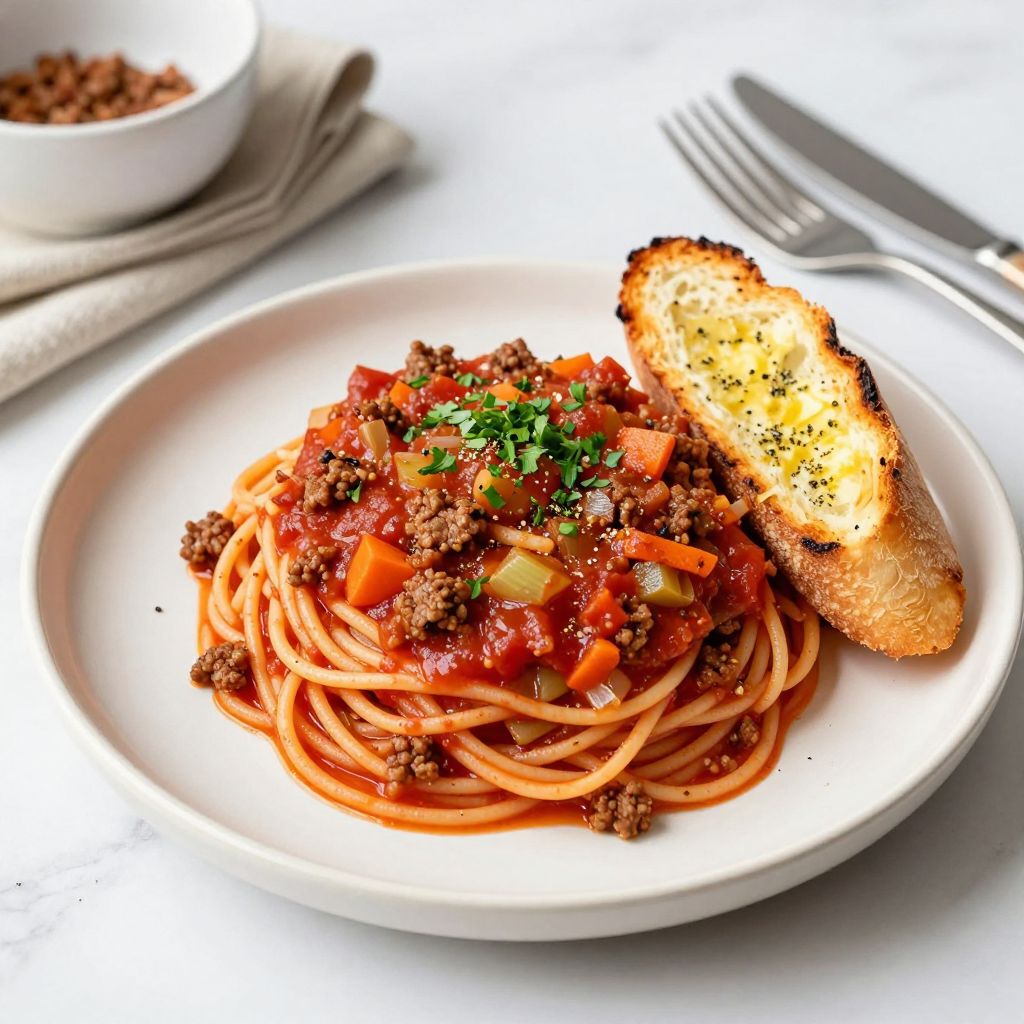
Classic Meat Sauce
Ingredients
Method
- Heat 1 tablespoon olive oil in a large Dutch oven over medium-high heat until shimmering, about 1 minute.
- Add ground beef, break into small pieces, and brown until no pink remains and a deep crust forms, 7–8 minutes. Transfer meat to a paper-towel-lined plate; drain excess fat, leaving about 1 tablespoon in pot.
- Reduce heat to medium, add remaining tablespoon olive oil along with onion, carrots, and celery. Sauté until vegetables are softened and onion is translucent, 6–7 minutes. Stir in minced garlic and cook 1 minute more until fragrant.
- Push vegetables to the sides, add tomato paste to center, and cook, stirring constantly, until paste darkens slightly, 1–2 minutes.
- Pour in red wine (or additional broth) to deglaze, scraping up browned bits. Simmer until wine reduces by half, about 2 minutes.
- Return browned beef to pot; add crushed tomatoes, beef broth, dried oregano, dried basil, bay leaves, sugar, salt, pepper, and red pepper flakes if using. Stir to combine and bring to a gentle boil.
- Reduce heat to low and simmer uncovered, stirring occasionally, until sauce thickens and flavors meld, 30–40 minutes.
- Remove bay leaves, taste, and adjust seasoning. Stir in chopped parsley, let sauce rest off heat for 10 minutes, then serve over pasta or use in desired dishes.