Cottage cheese flatbread is the protein-packed, two-ingredient wonder that has taken quick bread enthusiasts by storm. This easy flatbread combines creamy cottage cheese with flour to create a soft, pillowy bread that works for breakfast, lunch, or dinner.
Whether you need a speedy pizza base, a wrap for your favorite fillings, or a simple side for soups and stews, this recipe delivers in under 20 minutes. Let me show you exactly how to nail this recipe every single time.
Why You’ll Love This Recipe
This cottage cheese flatbread hits different when you realize how few ingredients stand between you and fresh, homemade bread. Here is what makes it special.
- Only 2 main ingredients required, plus salt
- Ready from bowl to plate in about 15 minutes
- Packs roughly 13 grams of protein per serving
- No yeast, no proofing, no waiting around
- Versatile enough for sweet or savory toppings
My Experience Making This Recipe
I was skeptical the first time I blended cottage cheese into dough. Would it taste like cheese? Would the texture be weird? Spoiler alert: neither happened.
The flatbread puffed up beautifully in my hot skillet, filling my kitchen with that irresistible fresh bread aroma. My family devoured them faster than I could cook the next batch, which says everything.
Now I make these at least twice a week, sometimes for taco night, sometimes slathered with butter and honey for breakfast. They have become a genuine staple in my kitchen rotation.
Recipe Overview
- Recipe Name: Cottage Cheese Flatbread
- Servings: 4 flatbreads
- Prep Time: 5 minutes
- Cook Time: 12 minutes
- Total Time: 17 minutes
- Course: Bread, Side Dish
- Cuisine: American, Fusion
- Calories per Serving: 185 calories
Equipment You Will Need
- Food processor or high-powered blender
- Large mixing bowl
- Measuring cups and spoons
- Rolling pin
- Cast iron skillet or non-stick pan
- Spatula
- Clean kitchen towel for keeping cooked flatbreads warm
Ingredients for Cottage Cheese Flatbread
- 1 cup cottage cheese (full fat, about 226 grams)
- 1 cup all-purpose flour (plus extra for dusting, about 125 grams)
- 1/2 teaspoon salt
- 1/2 teaspoon baking powder (optional, for extra fluffiness)
- 1 tablespoon olive oil (for cooking)
Ingredient Notes and Substitutions
- Cottage cheese: Full-fat cottage cheese creates the softest, most flavorful flatbread. Low-fat works but produces a slightly drier result.
- All-purpose flour: This provides the ideal structure and chew for flatbread. Substitute with whole wheat flour for more fiber, though the texture will be denser.
- Salt: Enhances flavor and strengthens the gluten structure. Reduce to 1/4 teaspoon if using salted cottage cheese.
- Baking powder: Adds lift for puffier flatbreads. Skip it entirely if you prefer thin, chewy flatbreads.
- Olive oil: Prevents sticking and adds a subtle richness. Swap with avocado oil or butter for different flavor profiles.
How to Make Cottage Cheese Flatbread
Step 1: Blend the Cottage Cheese
Add the cottage cheese to your food processor and blend for 30 to 45 seconds until completely smooth. This step eliminates the lumpy texture and creates a creamy base that incorporates seamlessly into the flour.
Step 2: Combine Dry Ingredients
Whisk together the flour, salt, and baking powder in a large mixing bowl. Mixing the dry ingredients first ensures even distribution of the leavening agent throughout your dough.
Step 3: Form the Dough
Pour the blended cottage cheese into the flour mixture. Stir with a wooden spoon until a shaggy dough forms, then use your hands to bring it together into a cohesive ball.
Step 4: Knead Briefly
Turn the dough onto a lightly floured surface and knead for about 1 minute. You want a smooth, slightly tacky dough that holds its shape without sticking aggressively to your hands.
Step 5: Divide the Dough
Split the dough into 4 equal portions using a bench scraper or knife. Roll each portion into a ball and cover with a clean kitchen towel to prevent drying while you work.
Step 6: Roll Out the Flatbreads
Working with one ball at a time, roll each piece into a thin circle about 7 inches in diameter. Dust your rolling pin and surface with flour as needed to prevent sticking.
Step 7: Heat Your Pan
Place your cast iron skillet or non-stick pan over medium-high heat and let it get properly hot for 2 minutes. A hot pan is absolutely critical for achieving those gorgeous charred spots and proper puffing.
Step 8: Cook the Flatbreads
Brush the hot pan lightly with olive oil and place one flatbread in the center. Cook for 2 to 3 minutes until bubbles form and the bottom develops golden-brown spots.
Step 9: Flip and Finish
Use your spatula to flip the flatbread and cook the second side for another 1 to 2 minutes. The flatbread should puff slightly and develop those beautiful leopard spots we all love.
Step 10: Keep Warm and Repeat
Transfer the cooked flatbread to a clean towel and fold the towel over to keep it warm and pliable. Repeat with remaining dough balls, adjusting heat as needed.
Pro Tip: Do not press down on the flatbread while cooking. Let those air pockets form naturally for the fluffiest, most tender texture possible.
Tips for the Best Cottage Cheese Flatbread
- Blend the cottage cheese until no lumps remain for the smoothest dough texture.
- Let the dough rest for 5 minutes if it feels too elastic and keeps springing back while rolling.
- Keep rolled flatbreads covered to prevent them from drying out before cooking.
- Test your pan temperature by flicking water droplets on it; they should sizzle and evaporate immediately.
- Work quickly once flatbreads hit the pan to prevent overcooking or burning.
- Stack cooked flatbreads between layers of your kitchen towel to maintain softness.
Common Mistakes to Avoid
- Using lumpy cottage cheese: Unblended curds create an uneven dough that tears easily during rolling.
- Cooking on low heat: A pan that is too cool produces pale, tough flatbreads without any char or puff.
- Rolling too thick: Flatbreads thicker than 1/4 inch will not cook through properly and stay doughy inside.
- Overcrowding the pan: Cook one flatbread at a time so heat distributes evenly across the entire surface.
- Skipping the blend step: Stirring in chunky cottage cheese creates a lumpy, inconsistent dough.
Serving Suggestions
These flatbreads serve as a blank canvas for whatever flavors you crave. Here are some winning combinations to try.
- Top with marinara sauce, mozzarella, and pepperoni for quick personal pizzas
- Spread with hummus, cucumber, tomatoes, and feta for a Mediterranean wrap
- Slather with butter and honey for a simple sweet treat
- Use as a base for breakfast tacos with scrambled eggs and avocado
- Serve alongside soups, curries, or stews for dipping
Variations to Try
- Garlic Herb Flatbread: Add 1/2 teaspoon garlic powder and 1 tablespoon dried Italian herbs to the dough for a savory twist.
- Everything Bagel Flatbread: Brush with butter after cooking and sprinkle generously with everything bagel seasoning.
- Cinnamon Sugar Flatbread: Skip the salt, add 1 tablespoon sugar to the dough, then dust warm flatbreads with cinnamon sugar.
- Cheesy Flatbread: Fold 1/4 cup shredded cheddar or parmesan into the dough before rolling.
- Spicy Flatbread: Add 1/2 teaspoon red pepper flakes and a pinch of cumin for flatbreads with a kick.
Dietary Adaptations
- Gluten-free: Replace all-purpose flour with a 1:1 gluten-free baking flour blend; expect a slightly grittier texture.
- Dairy-free: Substitute cottage cheese with blended silken tofu; the protein content drops but the texture remains similar.
- Higher protein: Use 3/4 cup flour and 1/4 cup protein powder for an extra protein boost.
- Lower carb: Replace half the flour with almond flour; flatbreads will be more delicate and crumbly.
Storage and Reheating
Refrigerator
Cooked flatbreads stay fresh for up to 4 days in the fridge.
- Stack flatbreads with parchment paper between each one
- Store in an airtight container or resealable plastic bag
- Let come to room temperature before reheating for best results
Freezer
Freeze flatbreads for up to 2 months without significant quality loss.
- Flash freeze individually on a baking sheet for 1 hour
- Transfer to freezer bags with parchment between each flatbread
- Label with date and quantity for easy meal planning
Reheating
Proper reheating restores that fresh-from-the-pan softness.
- Skillet method: Heat in a dry pan over medium heat for 30 seconds per side
- Microwave method: Wrap in a damp paper towel and heat for 15 to 20 seconds
- Oven method: Wrap in foil and warm at 350F for 5 minutes
Nutrition Information
| Nutrient | Amount |
|---|---|
| Calories | 185 kcal |
| Total Fat | 5g |
| Saturated Fat | 1.5g |
| Carbohydrates | 24g |
| Fiber | 1g |
| Sugar | 2g |
| Protein | 13g |
| Sodium | 380mg |
| Cholesterol | 15mg |
Nutritional values are estimates based on standard ingredients and may vary depending on specific brands and substitutions used.
Frequently Asked Questions
Can I make the dough ahead of time?
Yes, you can prepare the dough up to 24 hours in advance. Store it tightly wrapped in plastic in the refrigerator, then let it come to room temperature for 15 minutes before rolling.
Why is my flatbread tough and chewy?
Tough flatbreads usually result from overworking the dough or cooking at too low a temperature. Knead just until smooth and make sure your pan is properly hot before cooking.
Can I use Greek yogurt instead of cottage cheese?
Greek yogurt works as a substitute and creates a tangier flavor. Use the same amount and skip the blending step since yogurt is already smooth.
How do I prevent my flatbreads from becoming hard after cooling?
Keep cooked flatbreads wrapped in a clean kitchen towel immediately after cooking. The trapped steam keeps them soft and pliable for hours.
Can I bake these in the oven instead of using a stovetop?
Absolutely, preheat your oven to 450F and bake on a preheated baking sheet for 5 to 7 minutes. Flip halfway through for even browning on both sides.
Final Thoughts
This cottage cheese flatbread recipe proves that incredible homemade bread does not require hours of work or complicated techniques. With just a handful of ingredients and less than 20 minutes, you get warm, protein-rich flatbreads that outshine anything from a package.
Give this recipe a try and watch it become your new go-to for quick meals and snacks. Your future self, staring at a stack of golden, puffy flatbreads, will thank you for learning this simple trick.
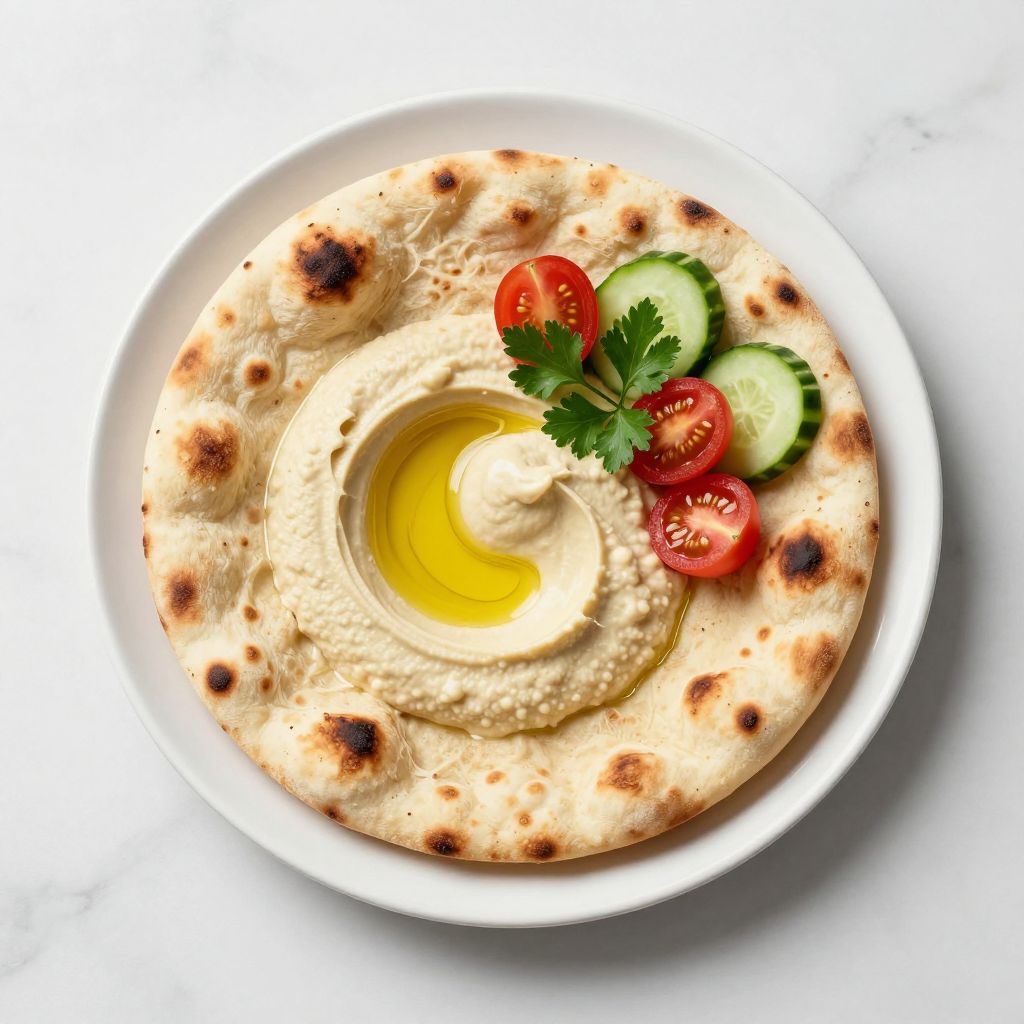
Cottage Cheese Flatbread
Ingredients
Equipment
Method
- Add the cottage cheese to your food processor and blend for 30 to 45 seconds until completely smooth.
- Whisk together the flour, salt, and baking powder in a large mixing bowl.
- Pour the blended cottage cheese into the flour mixture. Stir with a wooden spoon until a shaggy dough forms, then use your hands to bring it together into a cohesive ball.
- Turn the dough onto a lightly floured surface and knead for about 1 minute until smooth and slightly tacky.
- Split the dough into 4 equal portions and roll each into a ball. Cover with a clean kitchen towel.
- Working with one ball at a time, roll each piece into a thin circle about 7 inches in diameter, dusting with flour as needed.
- Place your cast iron skillet or non-stick pan over medium-high heat and let it get properly hot for 2 minutes.
- Brush the hot pan lightly with olive oil and place one flatbread in the center. Cook for 2 to 3 minutes until bubbles form and the bottom develops golden-brown spots.
- Flip the flatbread and cook the second side for another 1 to 2 minutes until it puffs slightly and develops leopard spots.
- Transfer the cooked flatbread to a clean towel and fold over to keep warm. Repeat with remaining dough balls.