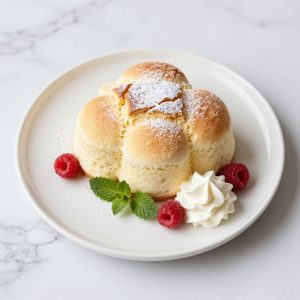
Cloud cake is the lightest, fluffiest dessert you will ever taste. This ethereal sponge cake gets its name from its impossibly airy texture that practically melts on your tongue.
Made with whipped egg whites and minimal flour, this Japanese inspired treat has taken social media by storm for good reason. Whether you want to impress guests or simply treat yourself to something special, this cloud cake recipe delivers pure, pillowy perfection.
Let me walk you through every step to achieve that signature jiggly, cotton soft texture at home.
Why You Will Love This Recipe
This cloud cake stands out from traditional cakes in the best possible ways. Once you make it, you will understand why bakers everywhere have become obsessed.
- Incredibly light texture that wobbles and jiggles like a dream
- Uses simple pantry ingredients you probably already have
- Less sweet than Western cakes, making it perfect for those who dislike overly sugary desserts
- Impressive presentation that looks like it came from a professional bakery
- Versatile base that pairs beautifully with fruit, cream, or enjoyed completely plain
My Experience Making This Recipe
The first time I pulled a cloud cake from my oven, I genuinely gasped. That gentle wobble as I moved the pan told me I had nailed the texture before I even took my first bite.
The aroma filling my kitchen was subtle and inviting, with delicate notes of vanilla and warm eggs. My family gathered around like moths to a flame, mesmerized by how the cake bounced back when gently pressed.
That first slice revealed the most beautiful, uniform crumb I had ever achieved in a cake. The taste was clean, subtly sweet, and absolutely addictive. We finished the entire cake in one sitting, and nobody felt weighed down afterward.
Recipe Overview
- Recipe Name: Cloud Cake
- Servings: 8
- Prep Time: 25 minutes
- Cook Time: 65 minutes
- Total Time: 1 hour 30 minutes
- Course: Dessert
- Cuisine: Japanese Inspired
- Calories per Serving: 185
Equipment You Will Need
- 9 inch round cake pan with removable bottom
- Stand mixer or hand mixer with whisk attachment
- Two large mixing bowls
- Fine mesh sieve
- Rubber spatula
- Small saucepan
- Deep roasting pan for water bath
- Cooling rack
- Parchment paper
- Kitchen thermometer
Ingredients for Cloud Cake
For the Egg Yolk Mixture
- 6 large egg yolks at room temperature
- 60ml vegetable oil or other neutral oil
- 80ml whole milk at room temperature
- 1 teaspoon pure vanilla extract
- 90g cake flour sifted
- 1/4 teaspoon salt
For the Meringue
- 6 large egg whites at room temperature
- 1/4 teaspoon cream of tartar
- 100g granulated sugar
Ingredient Notes and Substitutions
- Cake flour: The low protein content creates the tender crumb. Substitute with all purpose flour mixed with cornstarch at a ratio of 1 cup flour minus 2 tablespoons plus 2 tablespoons cornstarch.
- Vegetable oil: Neutral oil keeps the flavor clean and adds moisture. Melted butter works but creates a denser texture.
- Cream of tartar: This stabilizes the meringue for maximum volume. Replace with 1/2 teaspoon lemon juice or white vinegar.
- Whole milk: The fat content contributes to richness. Low fat milk works but reduces moisture slightly.
- Vanilla extract: Provides subtle flavor depth. Almond extract or citrus zest offer lovely alternatives.
How to Make Cloud Cake
Step 1: Prepare Your Pan and Preheat
Preheat your oven to 150C or 300F. Line the bottom of your cake pan with parchment paper but do not grease the sides.
The ungreased sides allow the batter to cling and rise properly. Greasing would cause the delicate cake to slip down as it bakes.
Step 2: Warm the Milk and Oil
Combine the vegetable oil and milk in a small saucepan over low heat. Warm until the mixture reaches about 65C or 150F, then remove from heat.
Warming these ingredients helps the flour absorb them more evenly. This creates a smoother batter with fewer lumps.
Step 3: Create the Egg Yolk Base
Sift the cake flour and salt into a large mixing bowl. Pour the warm milk and oil mixture over the flour and whisk until completely smooth.
Add the egg yolks one at a time, whisking well after each addition. Stir in the vanilla extract and set this bowl aside.
Step 4: Whip the Meringue
In a completely clean, dry bowl, add the egg whites and cream of tartar. Beat on medium speed until the whites become foamy and opaque.
Gradually add the sugar one tablespoon at a time while continuing to beat. Increase speed to high and whip until you achieve stiff, glossy peaks that hold their shape when the whisk is lifted.
Step 5: Fold the Meringue Into the Batter
Add one third of the meringue to the egg yolk mixture and fold gently with a rubber spatula. This first addition lightens the base and makes subsequent folding easier.
Add the remaining meringue in two batches, folding with a gentle figure eight motion. Stop as soon as no white streaks remain because overmixing deflates the air you worked so hard to incorporate.
Step 6: Pour and Prepare the Water Bath
Pour the batter into your prepared pan and gently tap it on the counter twice to release large air bubbles. Use a chopstick or skewer to run through the batter in a zigzag pattern to pop any remaining bubbles.
Place the cake pan inside a deep roasting pan. Pour hot water into the roasting pan until it reaches about 2 inches up the sides of the cake pan.
Step 7: Bake Low and Slow
Carefully transfer the water bath setup to your preheated oven. Bake for 25 minutes at 150C or 300F.
After 25 minutes, reduce the temperature to 140C or 280F and continue baking for another 40 minutes. The low temperature and steam from the water bath create that signature moist, jiggly texture without cracking the top.
Step 8: Cool Gradually
Turn off the oven and crack the door open about 2 inches. Let the cake cool inside the oven for 15 minutes.
This gradual cooling prevents the dramatic temperature change that causes cakes to collapse or crack. Remove from oven and water bath, then cool completely on a rack before removing from pan.
Step 9: Unmold and Serve
Run a thin knife or offset spatula around the edges of the pan. If using a pan with a removable bottom, push up from below to release the cake.
Gently peel away the parchment paper and transfer to your serving plate. Dust with powdered sugar if desired, then slice with a serrated knife using a gentle sawing motion.
Pro Tip: Room temperature eggs are absolutely critical for this recipe. Cold egg whites will not whip to their full volume, and your cake will be dense instead of cloud like. Set your eggs out at least one hour before baking.
Tips for the Best Cloud Cake
- Separate your eggs while cold since the yolks are less likely to break, but let them reach room temperature before using.
- Ensure your mixing bowl and whisk are completely grease free because even a tiny bit of fat prevents egg whites from whipping properly.
- Do not open the oven door during the first 50 minutes of baking as the temperature fluctuation causes sinking.
- Use a light hand when folding and stop the moment the batter looks uniform.
- The water in your bain marie should be hot but not boiling when you pour it in.
- Let the cake cool completely before slicing or it will compress under the knife.
Common Mistakes to Avoid
- Overwhipping the meringue: Stiff peaks are good but dry, clumpy whites are overwhipped and will not fold smoothly into the batter.
- Overmixing the final batter: This deflates the meringue and results in a dense, flat cake instead of an airy one.
- Baking at too high a temperature: High heat causes the top to crack and the inside to remain raw.
- Skipping the water bath: Without the steam and gentle heat, your cake will be dry and tough rather than moist and tender.
- Removing the cake too quickly from the oven: The sudden temperature change causes dramatic shrinking and potential collapse.
Serving Suggestions
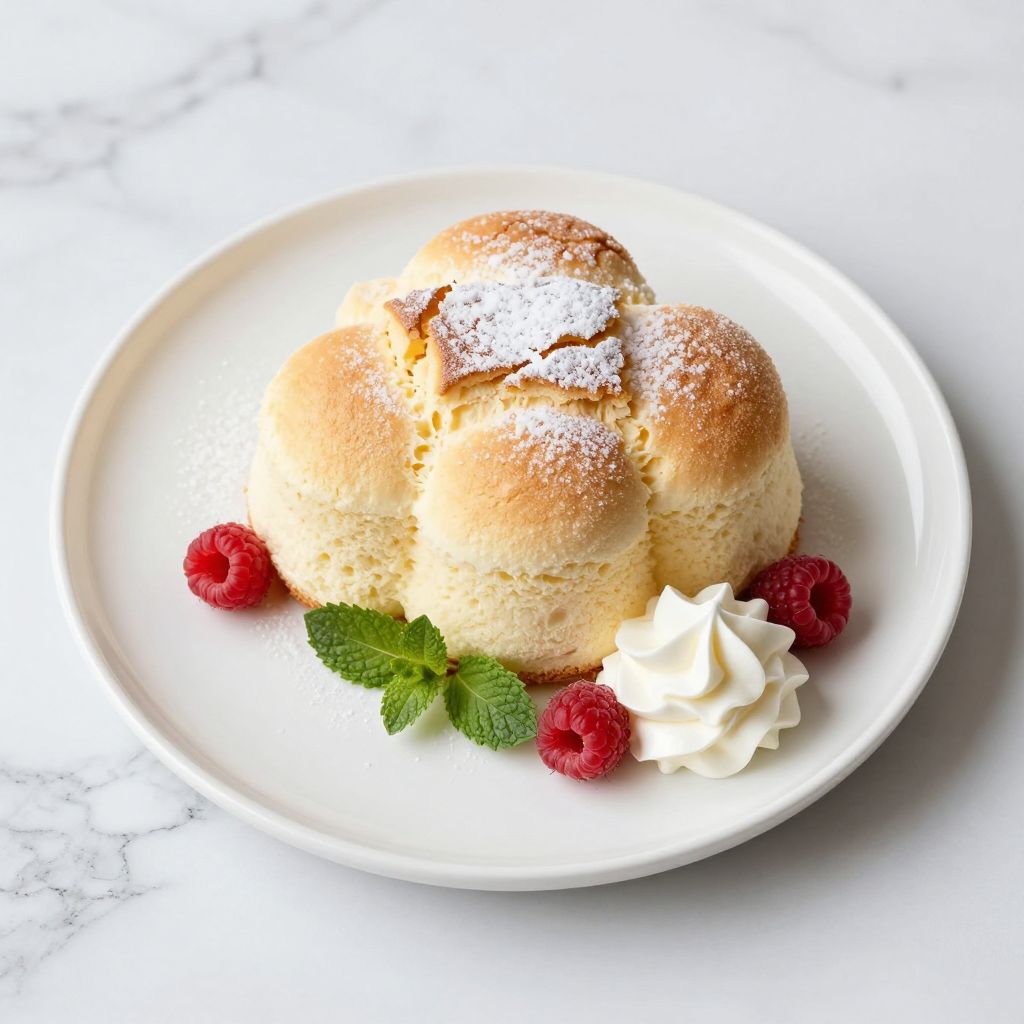
Cloud cake shines when served simply, letting its delicate texture take center stage. A light dusting of powdered sugar is often all you need.
- Fresh whipped cream and seasonal berries
- A drizzle of honey or maple syrup
- Passion fruit curd or lemon curd
- Sliced peaches and a sprinkle of toasted almonds
- Matcha powder dusted on top with a side of red bean paste
Variations to Try
- Chocolate Cloud Cake: Replace 15g of the cake flour with unsweetened cocoa powder for a subtle chocolate version that stays fluffy.
- Matcha Cloud Cake: Add 2 tablespoons of culinary grade matcha to the flour for an earthy, vibrant green variation.
- Citrus Cloud Cake: Add the zest of one lemon or orange to the egg yolk mixture for a bright, refreshing twist.
- Earl Grey Cloud Cake: Steep 2 tablespoons of loose Earl Grey tea in the warm milk for 10 minutes, then strain before using.
- Ube Cloud Cake: Add 2 tablespoons of ube extract to the batter for a striking purple color and unique flavor.
Dietary Adaptations
- Gluten free: Use a 1 to 1 gluten free flour blend, though the texture will be slightly denser than the original.
- Dairy free: Substitute the milk with oat milk or coconut milk for a completely dairy free version with minimal taste difference.
- Lower sugar: Reduce the sugar to 70g for a less sweet cake, but do not go lower or the meringue will not stabilize properly.
- Vegan: Unfortunately, this recipe relies heavily on egg whites for structure, and vegan substitutes will not achieve the same result.
Storage and Reheating
Refrigerator
Cloud cake stays fresh in the refrigerator for up to 3 days. The texture will become slightly denser but remains delicious.
- Store in an airtight container to prevent drying out
- Bring to room temperature for 30 minutes before serving for best texture
- Keep away from strong smelling foods as the cake absorbs odors
Freezer
Freezing is possible but not ideal for maintaining the cloud like texture. The cake keeps for up to 1 month frozen.
- Wrap tightly in plastic wrap, then aluminum foil
- Thaw overnight in the refrigerator
- Expect a slightly denser texture after freezing
Reheating
Gentle reheating can restore some of the original softness. Never microwave cloud cake or it will become rubbery.
- Warm in a 150C or 300F oven for 5 to 8 minutes
- Steam briefly over simmering water to add moisture back
- Serve immediately after reheating
Nutrition Information
| Nutrient | Amount |
|---|---|
| Calories | 185 |
| Total Fat | 10g |
| Saturated Fat | 2g |
| Carbohydrates | 19g |
| Fiber | 0g |
| Sugar | 13g |
| Protein | 5g |
| Sodium | 95mg |
| Cholesterol | 140mg |
Nutritional values are estimates based on standard ingredients and may vary depending on specific products used and portion sizes.
Frequently Asked Questions
Can I make cloud cake ahead of time?
Yes, you can bake it one day in advance and store it in the refrigerator. Bring it to room temperature before serving for the best texture.
Why did my cloud cake crack on top?
Cracking usually happens when the oven temperature is too high or the cake bakes without a water bath. The steam from the water bath keeps the surface moist and prevents cracking.
Why did my cloud cake sink or collapse?
This typically results from underbaking, opening the oven too early, or cooling the cake too quickly. Gradual cooling in the turned off oven prevents dramatic shrinking.
Can I use a springform pan instead?
Yes, a springform pan works well as long as you wrap the outside in aluminum foil to prevent water from seeping in during the water bath. Check the seal carefully before baking.
How do I know when the cloud cake is done?
The cake should be golden on top and spring back when gently pressed in the center. A slight jiggle is normal and expected since it firms up as it cools.
Final Thoughts
Making a perfect cloud cake requires patience and attention to detail, but the results are absolutely worth every careful fold and minute of baking time. The first time you see that signature wobble and taste that impossibly light texture, you will be hooked.
Gather your ingredients, follow these steps carefully, and prepare to create a dessert that looks and tastes like pure magic. Your kitchen is about to become famous among friends and family for producing the fluffiest cake they have ever experienced.
Cloud Cake
Ingredients
Equipment
Method
- Preheat your oven to 150C (300F). Line the bottom of your 9 inch cake pan with parchment paper but do not grease the sides.
- Combine the vegetable oil and milk in a small saucepan over low heat. Warm until the mixture reaches about 65C (150F), then remove from heat.
- Sift the cake flour and salt into a large mixing bowl. Pour the warm milk and oil mixture over the flour and whisk until completely smooth.
- Add the egg yolks one at a time, whisking well after each addition. Stir in the vanilla extract and set this bowl aside.
- In a completely clean, dry bowl, add the egg whites and cream of tartar. Beat on medium speed until the whites become foamy and opaque.
- Gradually add the sugar one tablespoon at a time while continuing to beat. Increase speed to high and whip until you achieve stiff, glossy peaks that hold their shape when the whisk is lifted.
- Add one third of the meringue to the egg yolk mixture and fold gently with a rubber spatula. Add the remaining meringue in two batches, folding with a gentle figure eight motion until no white streaks remain.
- Pour the batter into your prepared pan and gently tap it on the counter twice to release large air bubbles. Use a chopstick or skewer to run through the batter in a zigzag pattern to pop any remaining bubbles.
- Place the cake pan inside a deep roasting pan. Pour hot water into the roasting pan until it reaches about 2 inches up the sides of the cake pan.
- Bake for 25 minutes at 150C (300F). After 25 minutes, reduce the temperature to 140C (280F) and continue baking for another 40 minutes.
- Turn off the oven and crack the door open about 2 inches. Let the cake cool inside the oven for 15 minutes.
- Remove from oven and water bath, then cool completely on a rack before removing from pan.
- Run a thin knife or offset spatula around the edges of the pan. Push up from below to release the cake, gently peel away the parchment paper and transfer to your serving plate.