
Picture golden shrimp swimming in a sauce so silky and coconut-rich that you’ll want to drink it straight from the bowl. Creamy Coconut Shrimp hits that sweet spot between restaurant-quality and weeknight-doable, delivering restaurant sophistication in about 30 minutes flat.
This dish brings together tender shrimp, aromatic garlic and ginger, and a luscious coconut cream sauce that clings to every bite. The combination of sweet, savory, and creamy flavors makes it an absolute crowd-pleaser whether you’re cooking for yourself or impressing guests.
Best of all, it works over rice, noodles, or even crusty bread, and it tastes even better the next day. Ready to make magic happen in your kitchen?
Why You’ll Love This Recipe
This creamy coconut shrimp delivers on flavor without demanding hours in the kitchen. Here’s what makes it special:
- Ready in under 30 minutes from start to finish, perfect for busy weeknights
- Naturally gluten-free and packed with lean protein from fresh shrimp
- Works beautifully with rice, noodles, or vegetables for endless serving options
- Freezer-friendly and reheats without losing its creamy texture
- Impressive enough to serve at dinner parties but simple enough for weekday meals
My Experience Making This Recipe
The first time I made this, I was skeptical that shrimp could cook in under 5 minutes and taste this good. Five minutes later, I was a believer, and my kitchen smelled like a beachside restaurant in Thailand.
My family devoured it in minutes, and my usually picky eater asked for seconds. The sauce coats everything perfectly, and the shrimp stays tender and slightly springy rather than rubbery, which shocked me in the best way.
I’ve made it at least a dozen times since, sometimes with bell peppers, sometimes with spinach, and it never disappoints. The beauty is that the base recipe is flexible enough to adapt to whatever protein or vegetables you have on hand.
Recipe Overview
- Recipe Name: Creamy Coconut Shrimp
- Servings: 4
- Prep Time: 10 minutes
- Cook Time: 15 minutes
- Total Time: 25 minutes
- Course: Main Dish
- Cuisine: Thai-Inspired
- Calories per Serving: 280
Equipment You Will Need
- Large skillet or wok
- Cutting board
- Chef’s knife
- Measuring spoons and cups
- Wooden spoon or silicone spatula
- Garlic mincer or microplane grater
- Small bowl for mixing sauce
Ingredients for Creamy Coconut Shrimp
- 2 pounds large shrimp, peeled and deveined
- 1 can (13.5 ounces) full-fat coconut milk
- 4 cloves garlic, minced
- 1 tablespoon fresh ginger, minced
- 2 tablespoons fish sauce
- 1 tablespoon lime juice
- 1 teaspoon red curry paste
- 2 tablespoons coconut oil
- 1/2 teaspoon salt
- 1/4 teaspoon black pepper
- 2 green onions, sliced (for garnish)
- Fresh cilantro leaves, chopped (for garnish)
Ingredient Notes and Substitutions
- Coconut milk: Full-fat creates that luscious, coating sauce we’re after. Light coconut milk makes the dish thinner and less rich, though it works in a pinch with reduced final volume.
- Fish sauce: This funky-smelling ingredient adds depth and umami that makes the sauce sing. Soy sauce works as a substitute but loses some of that authentic Thai backbone.
- Red curry paste: A spoonful adds warmth and spice without overwhelming heat. Omit entirely if you prefer no heat, or swap in sriracha for a sharper kick.
- Coconut oil: Its high smoke point handles the heat without burning, plus it adds coconut flavor. Neutral oil like vegetable or canola works fine but won’t contribute extra flavor.
- Fresh ginger: Provides bright, peppery notes that contrast the creamy sauce beautifully. Ground ginger works in an emergency but use only 1/2 teaspoon since it’s more concentrated.
How to Make Creamy Coconut Shrimp
Step 1: Prepare Your Shrimp
Pat the shrimp dry with paper towels and set them on a clean plate. Damp shrimp won’t brown properly and will steam instead of sear, so this step actually matters more than it sounds.
Step 2: Make Your Sauce Base
In a small bowl, whisk together coconut milk, fish sauce, lime juice, and red curry paste until smooth. This prevents the curry paste from clumping when it hits the hot pan, ensuring an even sauce.
Step 3: Heat Your Pan
Place a large skillet over medium-high heat and add coconut oil, letting it heat for about 1 minute until it shimmers. A properly heated pan gives you a quick sear on the shrimp while keeping the inside tender.
Step 4: Sear the Shrimp
Add shrimp to the hot pan in a single layer and cook for 1 minute without moving them. Resist the urge to stir; shrimp need contact with the hot surface to develop that slight golden exterior.
Step 5: Flip and Cook Through
Flip each shrimp and cook for another minute until they turn pink and opaque. Shrimp cooks fast, and overcooked shrimp turns rubbery, so watch the clock carefully here.
Step 6: Add Aromatics
Push the shrimp to the sides of the pan and add minced garlic and ginger to the center. Let them toast for about 20 seconds until fragrant, which mellows their raw bite and infuses the oil.
Step 7: Pour in the Sauce
Pour the coconut milk mixture into the pan and stir everything together gently. The residual heat from the pan will warm the sauce without curdling it.
Step 8: Simmer and Finish
Reduce heat to low and simmer for 3 to 4 minutes, stirring occasionally, until the sauce thickens slightly and coats the shrimp. Taste and adjust seasoning with salt, pepper, or lime juice as needed for balance.
Pro Tip: Don’t overcrowd the pan when searing shrimp; work in batches if needed so each piece makes contact with the heat and browns properly instead of steaming.
Tips for the Best Creamy Coconut Shrimp
- Use shrimp that’s truly fresh or properly thawed; frozen shrimp that’s been thawed releases excess water into the pan and prevents browning.
- Don’t skip patting the shrimp dry; this single step is the difference between golden seared shrimp and steamed shrimp.
- Shake the can of coconut milk well before opening, as the cream separates from the liquid over time during storage.
- Add vegetables like bell peppers, snap peas, or baby bok choy in step 6 alongside the aromatics for extra color and nutrition.
- Finish with fresh cilantro and a squeeze of lime juice right before serving to brighten all those rich, creamy flavors.
- Cook over medium-high heat rather than high heat to prevent the coconut milk from breaking or curdling.
Common Mistakes to Avoid
- Skipping the dry step: Wet shrimp won’t sear and will steam instead, resulting in pale, mushy texture rather than tender and slightly browned.
- Overcooking the shrimp: Shrimp continues cooking in the residual heat of the sauce, so pull it off the heat while still slightly underdone in the center.
- Using light coconut milk: It makes the sauce too thin and watery, losing that luxurious coating quality that makes this dish special.
- Overcrowding the pan: Shrimp need room to sear, and a crowded pan causes them to steam, turning out gray and rubbery instead of golden and tender.
- Boiling instead of simmering: High heat after adding the coconut milk can cause the cream to split and look curdled, plus it toughens the shrimp.
Serving Suggestions
Serve this creamy coconut shrimp over jasmine rice, rice noodles, or even cauliflower rice depending on what you’re craving. Each base soaks up the silky sauce and transforms a simple side into part of the star.
- Over jasmine rice with a squeeze of fresh lime and scattered cilantro for the classic approach
- Tossed with rice noodles and roasted vegetables for a complete one-bowl meal
- Served with steamed bok choy or broccoli for a low-carb option that still feels restaurant-quality
- Alongside crusty bread or garlic naan to soak up every drop of that incredible sauce
- Over cauliflower rice for a lighter version that doesn’t sacrifice any flavor or creaminess
Variations to Try
- Thai Green Curry Shrimp: Swap red curry paste for green curry paste and add a handful of fresh basil at the end for a brighter, more herbaceous version.
- Creamy Coconut Shrimp with Vegetables: Stir in bell peppers, snap peas, or mushrooms in step 6 so they cook in the creamy sauce rather than staying separate.
- Spicy Version: Add sliced red chilies or a teaspoon of sriracha to the sauce for heat that builds throughout the meal without overpowering the coconut cream.
- Pineapple Coconut Shrimp: Stir in fresh pineapple chunks or juice for sweetness that balances the savory fish sauce and creates a tropical profile.
- Creamy Coconut Chicken: Swap shrimp for chicken breast chunks, but increase the initial sear time to 3 to 4 minutes per side until cooked through, then simmer for 5 minutes in the sauce.
Dietary Adaptations
- Gluten-Free: This recipe is naturally gluten-free as long as you use tamari or certified gluten-free fish sauce instead of standard fish sauce, which sometimes contains wheat.
- Dairy-Free: Coconut milk is already dairy-free, making this recipe naturally suitable for anyone avoiding dairy without any substitutions needed.
- Low-Carb and Keto: Serve over cauliflower rice or zucchini noodles instead of jasmine rice to keep net carbs under 10 grams per serving while maintaining all the flavor.
- Vegan or Vegetarian: Replace shrimp with extra-firm tofu or chickpeas, and use coconut aminos or soy sauce instead of fish sauce for a completely plant-based version.
Storage and Reheating
Refrigerator
Transfer leftover creamy coconut shrimp to an airtight container and refrigerate for up to 3 days. The flavors actually deepen slightly as it sits, making day-two leftovers taste even better.
- Store shrimp and sauce together in the same container to keep everything moist
- Don’t freeze shrimp and sauce separately; they rehydrate better together
Freezer
Freeze the cooled dish in a freezer-safe container for up to 2 months without quality loss. Thaw overnight in the refrigerator before reheating to ensure even heating throughout.
- Cool completely before freezing to prevent condensation and ice crystals
- Leave a bit of headspace in the container since the sauce expands slightly when frozen
Reheating
Reheat gently over low heat in a skillet, stirring occasionally, for 5 to 7 minutes until warmed through. Avoid the microwave since it can cause the sauce to heat unevenly and the shrimp to toughen.
- Add a splash of coconut milk or broth if the sauce seems too thick after refrigeration
- Stir in fresh lime juice and cilantro after reheating to restore brightness
Nutrition Information
| Nutrient | Amount |
|---|---|
| Calories | 280 |
| Total Fat | 18g |
| Saturated Fat | 14g |
| Carbohydrates | 4g |
| Fiber | 0g |
| Sugar | 1g |
| Protein | 28g |
| Sodium | 620mg |
| Cholesterol | 260mg |
These values are approximate and based on standard ingredient sizes. Actual nutrition will vary based on your specific brands and any additions you make to the recipe.
Frequently Asked Questions
Can I make this dish ahead of time?
Yes, you can prepare the sauce up to 2 days ahead and store it in the refrigerator. Cook the shrimp fresh right before serving, then combine them with the reheated sauce for the best texture and flavor.
What’s the best way to know when shrimp is fully cooked?
Look for shrimp that’s turned completely pink and opaque throughout, with no gray or translucent spots remaining. A fully cooked shrimp also has a slight curve to it rather than laying flat or curling into a tight ball.
Can I use frozen shrimp instead of fresh?
Absolutely, but thaw them completely and pat them extra dry since frozen shrimp releases more water as it defrosts. The rest of the recipe works exactly the same with properly thawed frozen shrimp.
What if I don’t have fish sauce on hand?
Use soy sauce or tamari as a substitute, though you’ll lose some depth and umami flavor. Start with 1 tablespoon and taste as you go, adding a bit more if needed for savory balance.
Why did my coconut milk curdle or separate in the pan?
High heat causes coconut milk to break and curdle, so keep the flame on low to medium once you add it. If it does curdle, add a splash of broth or lime juice and whisk vigorously to help bring the sauce back together.
Can I make this with other proteins like chicken or tofu?
Yes, chicken and extra-firm tofu both work beautifully in this sauce. Increase the cooking time for chicken to ensure it’s cooked through, and handle tofu gently so it doesn’t fall apart.
Final Thoughts
This creamy coconut shrimp recipe proves that impressive meals don’t require hours in the kitchen or complicated techniques. With just a few quality ingredients and 25 minutes, you’ll have a dish that tastes like you spent all afternoon cooking.
Try it this week, experiment with the variations, and watch how quickly it becomes a weeknight staple in your home. Your future self will thank you every single time you make it again.
If you love the tropical flavors in this recipe, you might also enjoy making coconut cookies for dessert or mixing up a refreshing coconut mojito to go alongside your meal. Both pair beautifully with the creamy shrimp and let you build a complete coconut-inspired dinner from start to finish.
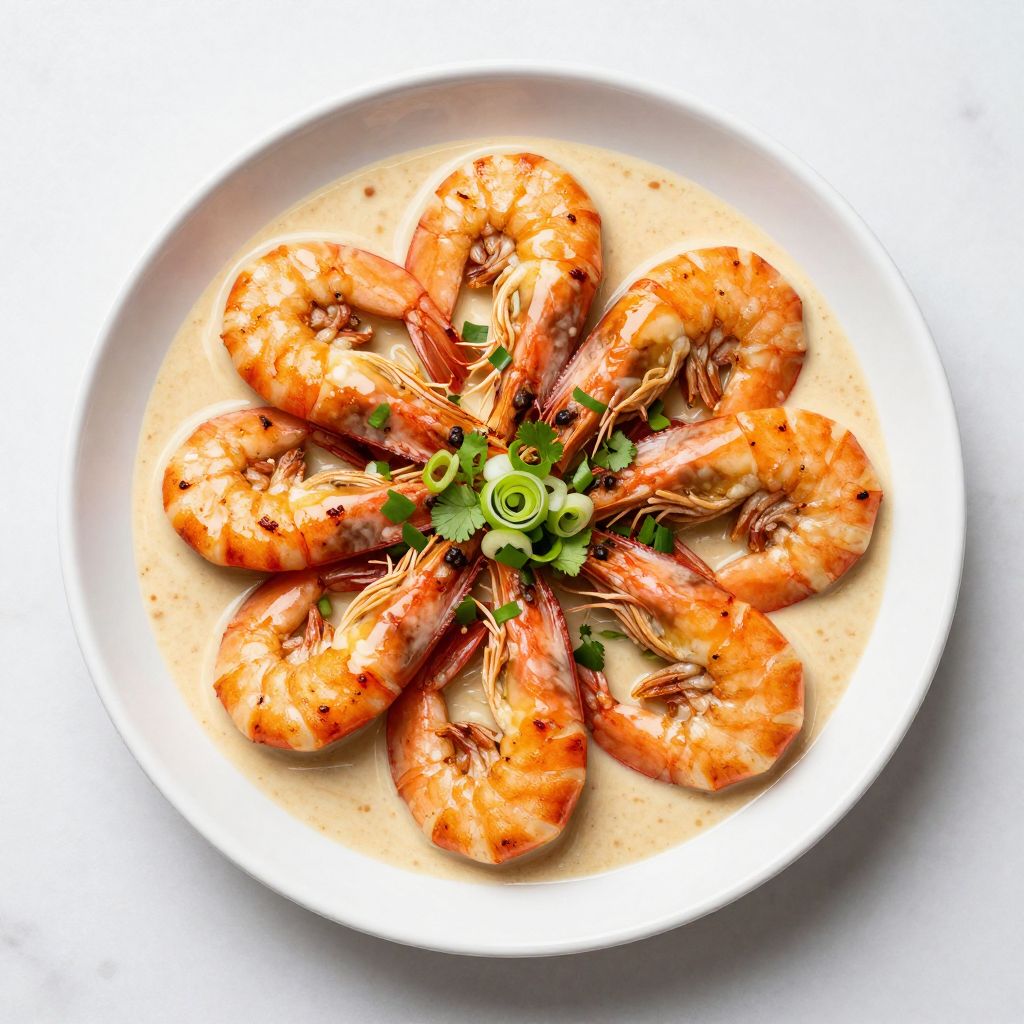
Creamy Coconut Shrimp
Ingredients
Equipment
Method
- Pat the shrimp dry with paper towels and set aside on a plate to ensure proper browning.
- In a small bowl, whisk together the coconut milk, fish sauce, lime juice, and red curry paste until smooth, about 1 minute.
- Heat the coconut oil in a large skillet over medium-high heat until shimmering, about 1 minute.
- Add the shrimp in a single layer and cook without stirring for 1 minute until golden on the bottom.
- Flip the shrimp and cook for another 1 minute until pink and opaque.
- Push the shrimp to the sides of the pan, add the minced garlic and ginger to the center, and cook until fragrant, about 20 seconds.
- Pour in the coconut milk mixture and stir gently to combine, warming the sauce over medium heat.
- Reduce heat to low and simmer for 3 to 4 minutes, stirring occasionally, until the sauce thickens and coats the shrimp. Adjust seasoning with salt, pepper, or extra lime juice if needed.