
There’s something deeply satisfying about pulling a perfectly crusted steak from the oven, its surface glistening and caramelized while the inside stays tender and juicy. Baked steak is the kind of dish that makes you feel like a restaurant chef working in your own kitchen, without requiring any fancy equipment or years of culinary training.
This method solves a common home cook problem: how do you get that restaurant-quality crust without overcooking the inside? By searing the steak on the stovetop and finishing it in the oven, you nail both textures every time.
The beauty of this approach lies in its reliability and the stunning results you’ll achieve with minimal fuss. Your dinner guests will assume you spent hours preparing when in reality you’ll have a gourmet meal on the table in under 30 minutes.
Why You’ll Love This Recipe
This baked steak method delivers restaurant-quality results at home with straightforward technique that works consistently. You’ll love how forgiving the oven finish makes the cooking process once you nail the sear.
- Perfect edge-to-edge doneness without cold centers or overdone edges
- Achieves that coveted caramelized crust through the stovetop sear
- Ready in under 30 minutes from kitchen to table
- Works with any quality steak cut you prefer
- Impresses guests and feels special without complicated steps
My Experience Making This Recipe
I first tried this method after years of struggling with cast iron stovetop cooking and uneven results. The sear created smoke and heat I couldn’t always manage, while the oven finish gave me the control I desperately needed.
The transformation was immediate when I started using this hybrid approach. My steaks went from frustratingly inconsistent to reliably perfect every single time, and my kitchen stayed cleaner without the oil splatter that comes with finishing entirely on the stove.
What surprised me most was how the oven’s gentle, dry heat creates the most incredible crust while the meat cooks through evenly. Now when friends come over, they ask for my steak recipe, and I love telling them just how simple it really is.
Recipe Overview
- Recipe Name: Baked Steak
- Servings: 2
- Prep Time: 10 minutes
- Cook Time: 15 minutes
- Total Time: 25 minutes
- Course: Main Dish
- Cuisine: American
- Calories per Serving: 420
Equipment You Will Need
- Cast iron skillet or heavy-bottomed stainless steel pan
- Oven preheated to 400°F
- Meat thermometer
- Paper towels
- Tongs
- Small cutting board for resting the steak
Ingredients for Baked Steak
- 2 high-quality steaks (ribeye, New York strip, or filet mignon, each 1.5 inches thick), room temperature
- Kosher salt, to taste
- Black pepper, freshly ground, to taste
- 2 tablespoons butter, divided
- 2 cloves garlic, smashed
- 3 sprigs fresh thyme or rosemary
- 1 tablespoon high-heat oil (avocado or vegetable oil)
Ingredient Notes and Substitutions
- High-quality steaks: The quality of your meat makes the biggest difference in the final dish. If you can’t find high-quality cuts, ask your butcher to recommend the best option available that day.
- Room temperature meat: Cold steak cooks unevenly and won’t develop a proper crust. Remove your steaks from the refrigerator 20 minutes before cooking for best results.
- Kosher salt: Its larger crystals season more evenly than table salt. Sea salt works as a one-to-one substitute with similar results.
- Butter with herbs: The dairy solids in butter brown beautifully and carry flavor to the meat’s surface. Ghee works as a substitute but lacks the browning power.
- High-heat oil: You need an oil with a high smoke point to avoid burnt, acrid flavors. Olive oil burns too easily and will taste bitter.
How to Make Baked Steak
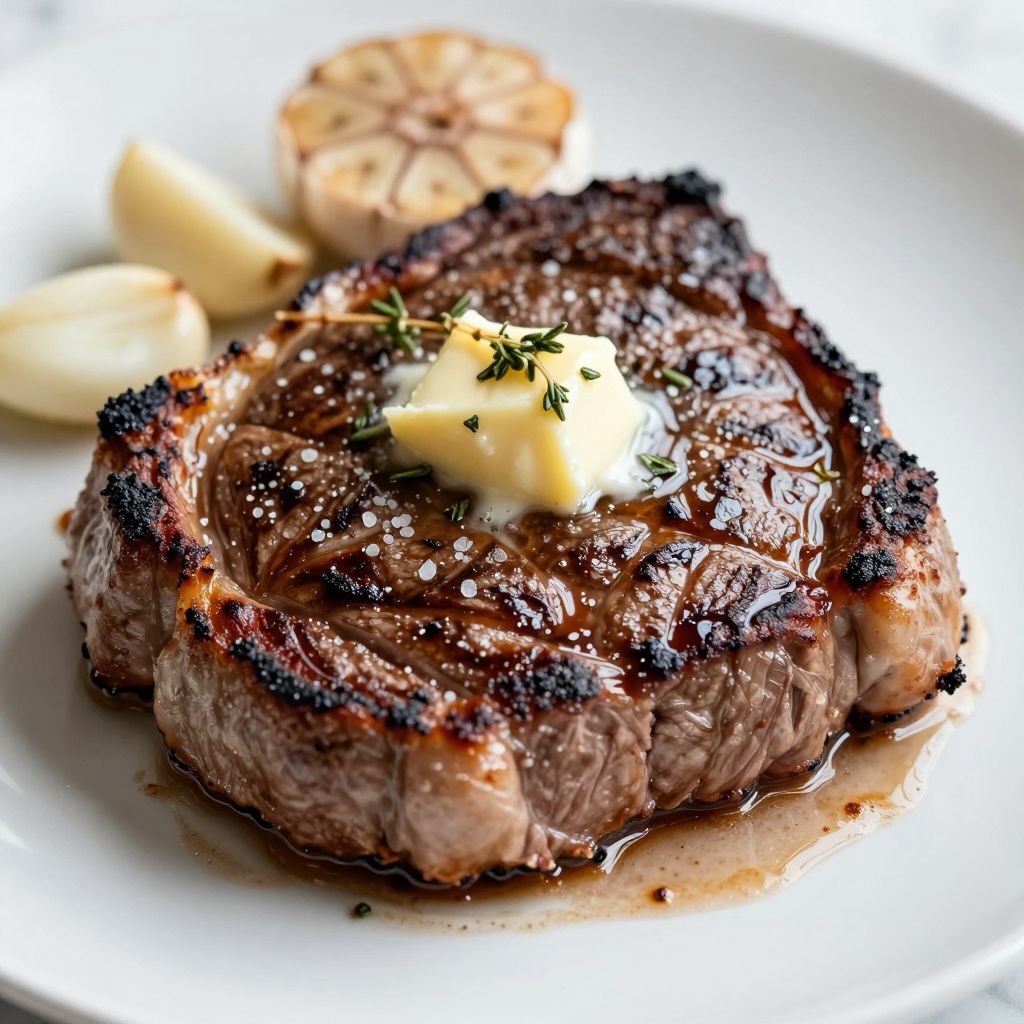
Step 1: Preheat Your Oven and Pan
Set your oven to 400°F and let it reach temperature completely. A fully preheated oven ensures even cooking and helps develop that perfect crust on your steak.
Step 2: Prepare Your Steaks
Pat both steaks dry with paper towels until they feel completely dry to the touch. Moisture on the surface prevents browning, so this step is non-negotiable if you want that restaurant-quality crust.
Step 3: Season Generously
Season each steak with kosher salt and freshly ground black pepper on both sides, pressing the seasoning gently into the meat. Let the seasoning sit for about 5 minutes so it adheres properly.
Step 4: Heat Your Skillet
Place your cast iron or heavy stainless steel skillet over medium-high heat and let it get very hot, about 2 minutes. A properly heated pan is essential for creating that flavorful brown crust through the Maillard reaction.
Step 5: Sear the Steaks
Add your high-heat oil to the pan, then carefully place both steaks in the skillet without moving them. Let them sear untouched for 3 to 4 minutes until a golden crust forms on the bottom.
Flip the steaks and sear the other side for another 2 to 3 minutes until equally browned. You’re not cooking them through at this stage, just building that flavor-packed crust.
Step 6: Add Aromatics and Butter
Add 1 tablespoon of butter, the smashed garlic cloves, and fresh thyme sprigs to the pan. Tilt the pan slightly and use a spoon to baste the steaks with the melting butter, which adds incredible flavor and helps them cook evenly.
Step 7: Transfer to the Oven
Transfer the entire skillet to your preheated 400°F oven. The oven’s dry, gentle heat finishes cooking the steak to perfect doneness without any risk of burning the exterior.
Step 8: Cook to Your Desired Doneness
Bake for 8 to 12 minutes depending on your thickness and desired internal temperature. Use a meat thermometer inserted into the thickest part: 120 to 125°F for rare, 130 to 135°F for medium-rare, or 140 to 145°F for medium.
Step 9: Rest Your Steaks
Remove the skillet from the oven and transfer your steaks to a cutting board to rest for 5 to 7 minutes. Resting allows the juices to redistribute throughout the meat instead of running onto your plate, making every bite more tender and flavorful.
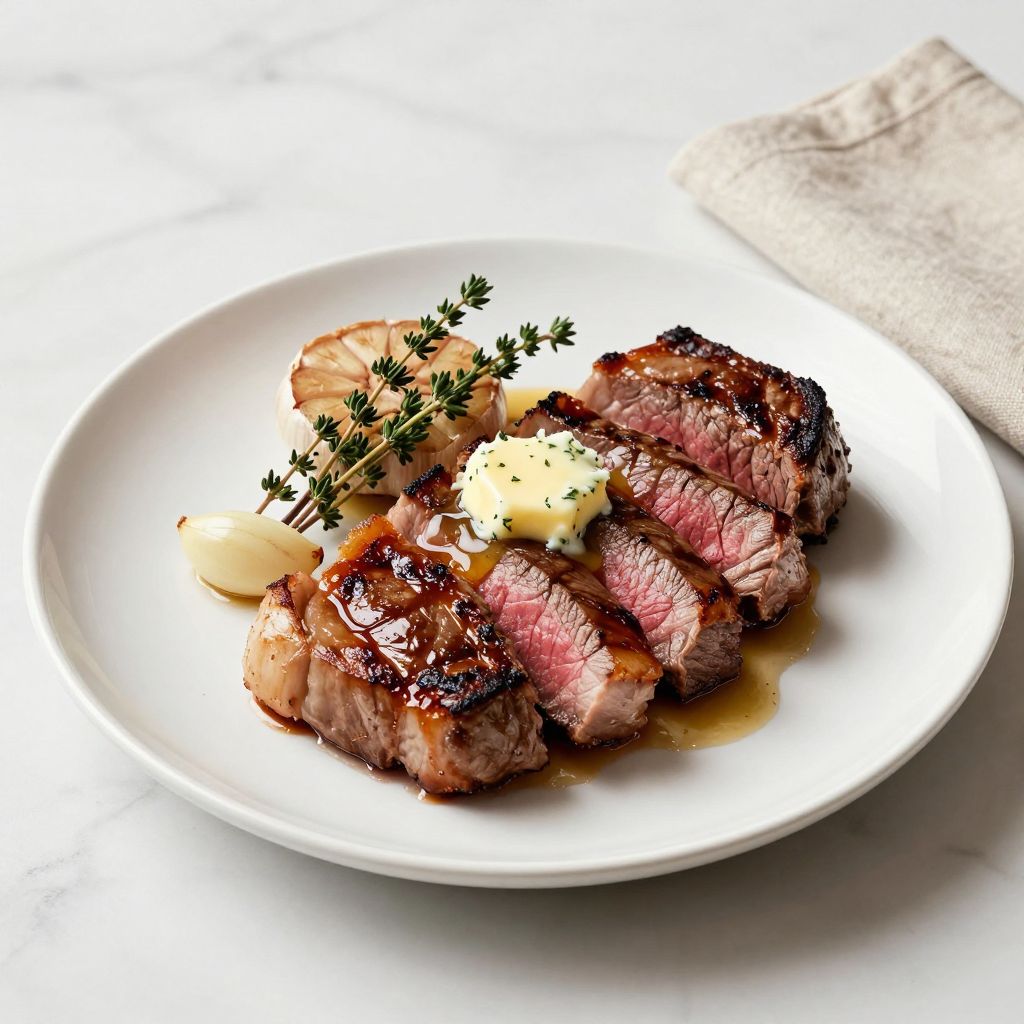
Pro Tip: Use a meat thermometer and pull your steaks about 5 degrees before your target temperature, since carryover cooking continues even after you remove them from heat.
Tips for the Best Baked Steak
- Buy steaks that are at least 1.5 inches thick so they develop a good crust while staying tender inside. Thin steaks cook too quickly and won’t have time to build flavor.
- Let steaks reach room temperature before cooking, which takes about 20 minutes and ensures even cooking throughout. Cold steaks cook unevenly with cold centers.
- Don’t skip the paper towel drying step, which is crucial for achieving a proper sear. Any moisture on the surface converts to steam and prevents browning.
- Use an oven-safe skillet so you can go from stovetop to oven without transferring. Cast iron distributes heat beautifully and keeps your steak warm during the baking process.
- Let the pan get very hot before adding oil, which ensures the oil reaches its smoke point and creates that perfect sear. A cool pan results in a gray, steamed surface instead of a golden crust.
- Don’t crowd the pan or your steaks won’t sear properly. If you’re cooking more than two steaks, work in batches so each one gets proper contact with the hot surface.
Common Mistakes to Avoid
- Cooking cold steak straight from the fridge causes uneven cooking with cold centers and overcooked edges. Always bring steak to room temperature first.
- Skipping the sear step means missing out on the flavorful crust that makes steaks taste amazing. The initial stovetop sear is essential for developing the Maillard reaction.
- Moving the steak too much during searing prevents a proper crust from forming. Let it sit undisturbed so the surface browns instead of steaming.
- Using low-smoke-point oils like olive oil creates bitter, burnt flavors. Stick with avocado, vegetable, or canola oil for high-heat cooking.
- Skipping the rest period causes juices to run out when you cut into the steak. Those 5 to 7 minutes make a huge difference in tenderness and juiciness.
Serving Suggestions
Baked steak pairs beautifully with sides that complement its rich, savory flavor without competing for attention. A simple green salad or roasted vegetables lets your perfectly cooked steak shine as the star of the plate.
- Garlic mashed potatoes topped with chives and a pat of butter
- Roasted asparagus finished with lemon juice and fleur de sel
- Crispy Brussels sprouts tossed in balsamic vinegar
- Simple green salad with vinaigrette and shaved Parmesan
- Creamed spinach with nutmeg for a classic steakhouse pairing
Variations to Try
- Peppercorn Crust Steak: Press crushed peppercorns onto the meat before searing for a spicy kick that pairs wonderfully with the butter basting. This variation adds texture and boldness without changing the cooking method.
- Coffee-Rubbed Steak: Mix finely ground coffee with brown sugar, paprika, and salt, then rub on both sides before searing. The coffee deepens the beef flavor and creates incredible depth of taste.
- Garlic and Herb-Crusted Steak: Mix minced fresh garlic, parsley, thyme, and rosemary with breadcrumbs and butter, then press onto the seared steak before baking. This creates a savory crust that elevates the dish to restaurant status.
- Compound Butter Topping: Top the finished steak with a slice of herb compound butter (mixed with garlic, parsley, and lemon zest) while it rests. The melting butter soaks into the warm meat and creates incredible flavor.
- Blue Cheese and Steak: Crumble blue cheese over the steak during the last 2 minutes of baking so it melts slightly into the meat. The sharp, salty cheese contrasts beautifully with the rich beef.
Dietary Adaptations
- Gluten-free: This recipe is naturally gluten-free as written, making it perfect for anyone avoiding gluten. Just verify your seasonings and butter don’t contain hidden gluten sources.
- Dairy-free: Replace butter with ghee or high-heat oil and skip the butter basting step. Your steak will still be delicious; you’ll just miss the nutty brown butter flavor.
- Vegan/Vegetarian: Use thick-cut portobello mushrooms or cauliflower steaks instead, seasoning and cooking them the same way. The texture won’t match beef, but the method works beautifully for vegetables.
- Low-carb/Keto: This recipe fits perfectly into low-carb eating as written since steak is pure protein and fat. Serve with low-carb sides like cauliflower mash or butter-roasted vegetables.
Storage and Reheating
Refrigerator
Store leftover baked steak in an airtight container for up to 4 days in the refrigerator. Slice the steak after it cools completely so it reheats more evenly.
- Wrap slices individually in foil or parchment paper to prevent drying
- Store with any pan juices to help retain moisture during storage
Freezer
You can freeze baked steak for up to 3 months for future meals. Slice the steak and wrap individual portions tightly in plastic wrap, then place in a freezer bag with the date marked.
- Lay steak slices flat on a baking sheet before freezing to prevent clumping
- Transfer to freezer bags once frozen solid for easier storage
Reheating
Reheat steak gently to prevent drying out and toughening. The best method is slow and low rather than hot and fast.
- Thaw frozen steak in the refrigerator overnight before reheating
- Warm slices in a 275°F oven for 10 to 15 minutes until heated through
- Add a pat of butter on top while reheating to restore moisture
- Slice and warm quickly in a skillet over low heat as an alternative method
Nutrition Information
| Nutrient | Amount |
|---|---|
| Calories | 420 |
| Total Fat | 28g |
| Saturated Fat | 12g |
| Carbohydrates | 0g |
| Fiber | 0g |
| Sugar | 0g |
| Protein | 48g |
| Sodium | 580mg |
| Cholesterol | 105mg |
These values are estimates based on a 1.5-inch ribeye steak weighing approximately 8 ounces per serving. Your specific nutrition will vary depending on the cut of steak and exact weight used.
Frequently Asked Questions
Can I use a different cut of steak?
Yes, any premium steak cut works beautifully with this method. Ribeye, New York strip, filet mignon, and porterhouse all deliver excellent results when cooked this way.
What if I don’t have a cast iron skillet?
Any heavy-bottomed, oven-safe skillet works fine as long as it conducts heat evenly. Stainless steel pans work well, though they don’t retain heat quite as effectively as cast iron.
How do I know when my steak is done without a thermometer?
Use the touch method by pressing your steak and comparing firmness to the fleshy area between your thumb and pinky finger on your relaxed hand. Rare feels soft, medium-rare feels slightly springy, and medium feels firm.
Can I make this recipe with frozen steak?
Frozen steak will cook unevenly and won’t develop a proper sear, so thaw it completely in the refrigerator first. The searing step requires room-temperature meat to work properly.
Why is my steak tough?
Toughness usually comes from overcooking, using a thin cut that cooks too quickly, or skipping the resting period. Ensure you use 1.5-inch steaks, pull them at the right internal temperature, and always rest before serving.
Can I add sauce to my baked steak?
Absolutely, a pan sauce made from the drippings works beautifully. Deglaze your skillet with red wine or beef broth after removing the steak, then finish with a pat of butter and fresh herbs.
Final Thoughts
This baked steak method transforms how you cook beef at home by giving you the control and consistency you’ve been craving. Once you nail this technique, you’ll never look back to your old stovetop-only approach.
The beauty of this recipe lies in its simplicity and reliability, making it perfect for weeknight dinners or when you want to impress guests without stress. Try it this week and discover why restaurant chefs rely on this hybrid cooking method.
Explore More Steak Recipes
Now that you’ve mastered baked steak, explore other delicious beef preparations that showcase different cuts and techniques. Check out our hamburger steak recipe for a budget-friendly option, or try our t-bone steak recipe for an impressive presentation that feeds multiple people.
Baked Steak
Ingredients
Equipment
Method
- Preheat your oven to 400°F (200°C).
- Pat the steaks dry with paper towels until completely dry to the touch.
- Season both sides of the steaks with kosher salt and freshly ground black pepper, pressing the seasoning gently into the meat; let rest for 5 minutes.
- Place a cast iron or heavy-bottomed stainless steel pan over medium-high heat for about 2 minutes until very hot.
- Add the high-heat oil to the pan, then sear the steaks undisturbed for 3 to 4 minutes on the first side until a golden crust forms; flip and sear the other side for 2 to 3 minutes.
- Add 1 tablespoon of butter, smashed garlic cloves, and thyme sprigs to the pan, tilt the pan, and baste the steaks with the melted butter for 1 minute.
- Transfer the skillet to the preheated oven and bake for 8 to 12 minutes, or until a meat thermometer inserted into the thickest part registers 120–125°F for rare, 130–135°F for medium-rare, or 140–145°F for medium.
- Remove the skillet from the oven and transfer the steaks to a cutting board; let rest for 5 to 7 minutes to allow juices to redistribute.
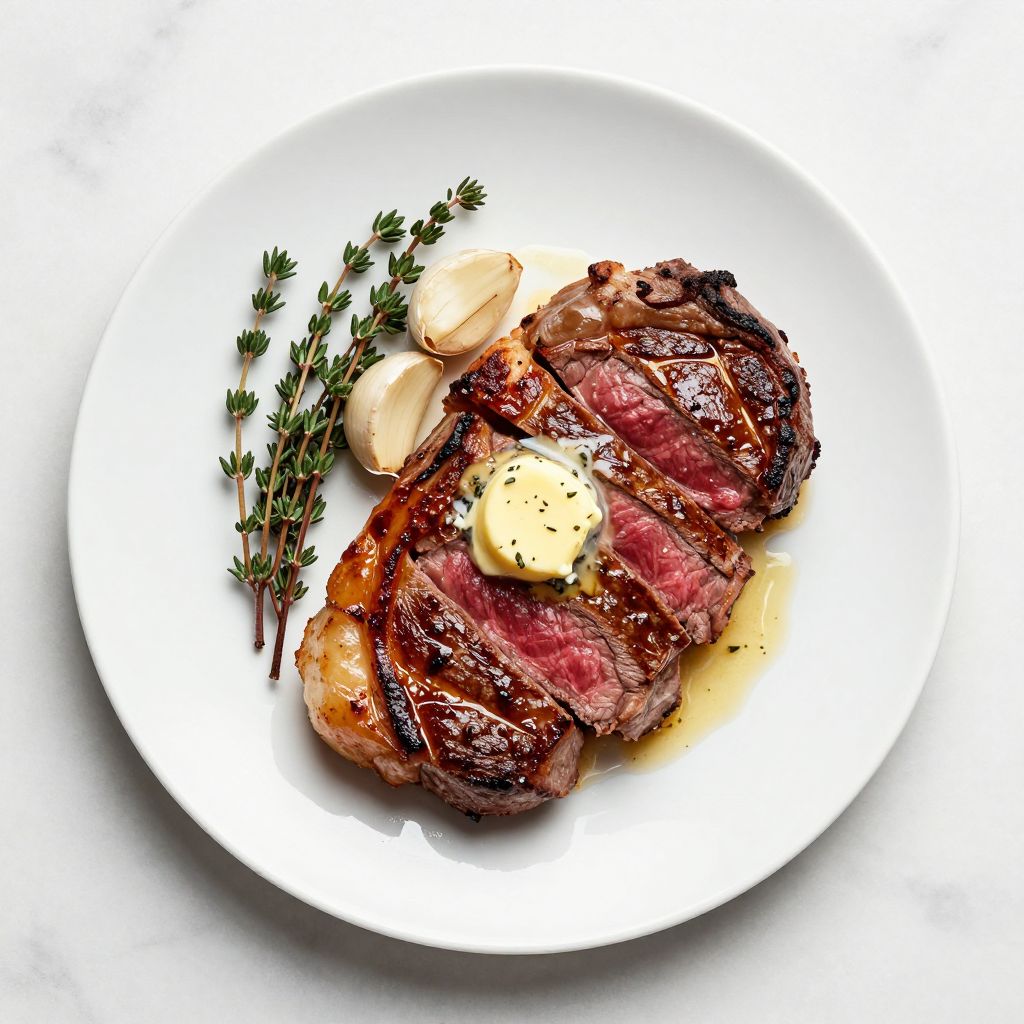
- Slice the steaks against the grain, spoon any pan juices over the top, and serve immediately.