
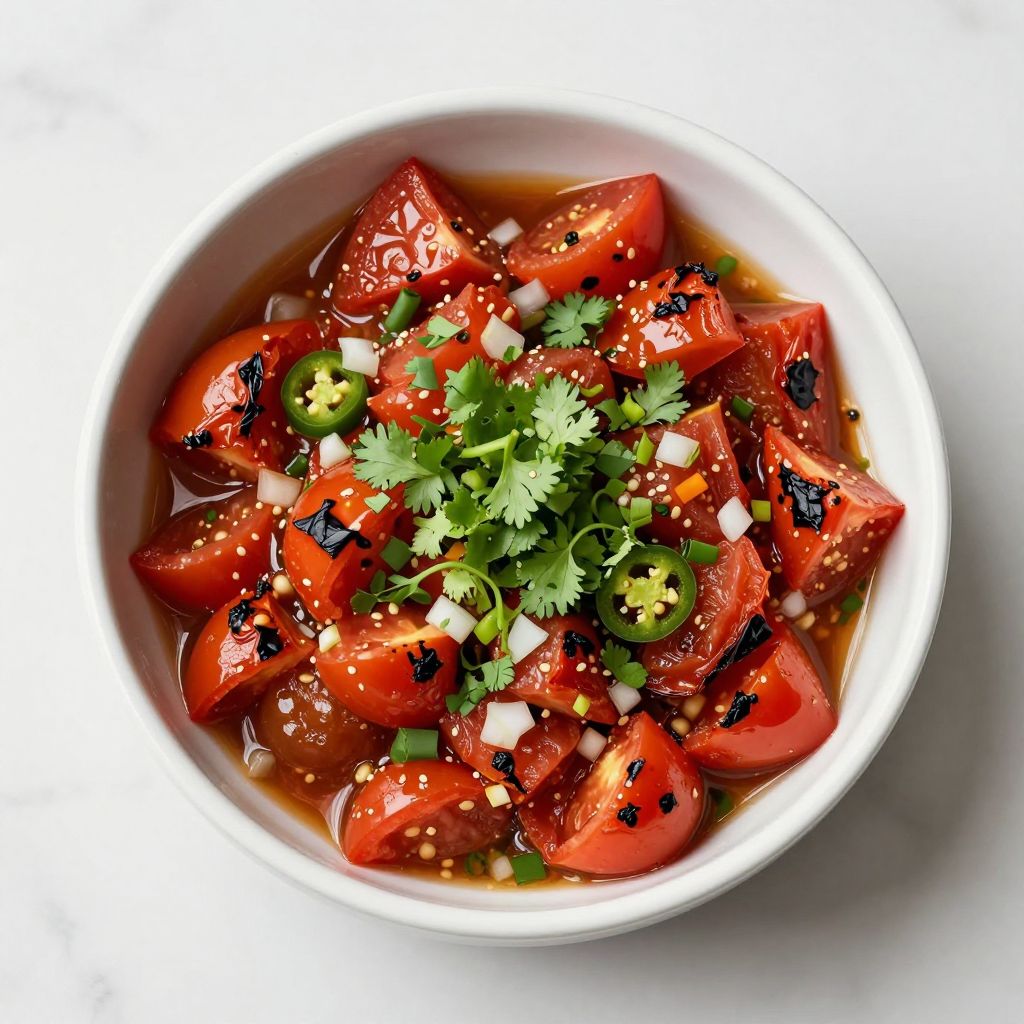
Imagine smoke curling off a hot grill while fresh tomatoes char and blister, releasing their sweetness into the air.
Smoked salsa transforms ordinary ingredients into something extraordinary with just heat and time. This recipe delivers smoky depth, bright acidity, and just enough heat to make every bite interesting without overwhelming your palate.
What makes this version special is how the smoke infuses every element, from the tomatoes to the peppers, creating a cohesive flavor that store-bought salsa simply cannot match. You’ll spend maybe 20 minutes of active time, and your guests will think you spent hours.
Why You’ll Love This Recipe
This salsa works for almost any occasion and requires minimal prep work. Once you taste the difference real smoke makes, you’ll never go back to the jarred stuff.
- Deep, authentic smoke flavor that no other method delivers
- Fresh and bright despite the smoky intensity
- Works as a dip, topping, or sauce across dozens of dishes
- Naturally gluten-free and vegan without any substitutions needed
- Keeps well in the fridge for up to a week
My Experience Making This Recipe
The first time I smoked salsa ingredients, I was skeptical about whether smoke would overpower the fresh tomato flavor. Within seconds of tasting it, I knew I was wrong.
My partner actually said it tasted like “restaurant quality” but somehow better because it was made at home. That single comment made me commit to perfecting this recipe, and I’ve now made it dozens of times with consistently excellent results.
The smoke develops quickly on a hot grill, so timing matters, but nothing about this recipe feels complicated. Even my 12-year-old nephew has made batches of it without any issues.
Recipe Overview
- Recipe Name: Smoked Salsa
- Servings: 8 (about 2 cups total)
- Prep Time: 15 minutes
- Cook Time: 8 minutes
- Total Time: 23 minutes
- Course: Appetizer or Condiment
- Cuisine: Mexican
- Calories per Serving: 28
Equipment You Will Need
- Gas or charcoal grill with lid
- Heat-resistant tongs
- Cutting board
- Sharp chef’s knife
- Medium bowl
- Wooden spoon for mixing
- Measuring spoons
- Serving spoon
Ingredients for Smoked Salsa
- 3 pounds ripe Roma tomatoes, halved lengthwise
- 1 large white onion, cut into thick rings
- 2 jalapeño peppers, whole with stems
- 1 habanero pepper, whole (optional, for extra heat)
- 1/4 cup fresh cilantro, finely chopped
- 2 tablespoons fresh lime juice
- 1 teaspoon kosher salt
- 1/2 teaspoon black pepper
- 1/2 teaspoon cumin (optional)
Ingredient Notes and Substitutions
- Roma tomatoes: These hold their shape during smoking and have fewer seeds than beefsteaks. Use plum tomatoes if Romas are unavailable, but avoid cherry tomatoes as they’ll collapse completely.
- Fresh cilantro: This bright herb balances smoke with freshness and ties all flavors together. Swap it for parsley if cilantro tastes soapy to you, though the flavor will be less authentic.
- Jalapeño peppers: They provide mild to medium heat and a grassy undertone that pairs perfectly with smoke. Bell peppers work if you want no heat, but you’ll lose some complexity.
- Lime juice: Acid brightens the smoke and prevents the salsa from tasting heavy. Lemon juice works in a pinch, though lime is more traditional and slightly sharper.
- Habanero pepper: This adds significant heat and fruity notes if you want a spicy version. Omit it entirely if your crowd prefers mild, or substitute a serrano pepper for something in between.
How to Make Smoked Salsa
Step 1: Prepare Your Grill for Smoking
Heat your grill to high heat (around 450-500 degrees Fahrenheit). High heat creates smoke and chars the vegetables quickly, which prevents them from becoming mushy while infusing maximum smoke flavor.
Step 2: Arrange the Tomatoes on the Grill
Place tomato halves cut-side down on the grates, spacing them so they don’t touch. The cut side will char and caramelize, developing deep flavor that becomes the foundation of your smoked salsa.
Step 3: Position the Onion and Peppers
Arrange onion rings around the tomatoes, and place whole jalapeños and habanero (if using) directly on the grates. Keep all vegetables in a single layer so smoke reaches every surface evenly.
Step 4: Close the Lid and Let the Smoke Develop
Lower the grill lid immediately to trap smoke around the vegetables. This step is crucial because open-grill cooking won’t develop the deep smoke flavor you’re after, even though it looks less dramatic.
Step 5: Monitor the Tomatoes for Charring
After 3 to 4 minutes, lift the lid carefully and check if the tomatoes have blackened spots and begun releasing their juices. You want light to medium charring, not complete blackness, because heavily charred vegetables can taste bitter.
Step 6: Flip and Continue Smoking
Using tongs, carefully flip each tomato half so the skin side now faces down. Return the lid and cook for another 2 to 3 minutes until the skin gets blistered and the flesh softens slightly.
Step 7: Remove Vegetables and Cool Briefly
Transfer all vegetables to your cutting board and let them cool for 5 minutes until you can handle them comfortably. This cooling period lets the flavors set and prevents burning yourself while prepping.
Step 8: Dice the Roasted Vegetables
Remove the charred skin from tomatoes (it’s mostly optional, but peeling it gives a cleaner texture). Finely dice the tomato flesh, onion, and peppers, discarding the jalapeño and habanero stems.
Step 9: Combine and Season
Transfer all diced vegetables to a medium bowl and stir in cilantro, lime juice, salt, pepper, and cumin if using. Taste and adjust seasonings, adding more salt or lime juice as needed because your palate is the final authority here.
Pro Tip: Don’t skip the cooling step after grilling; jumping straight to dicing lets you better feel the texture and catch any large charred bits that might have bitter edges.
Tips for the Best Smoked Salsa
- Cut vegetables into consistent sizes so they smoke at the same rate and create uniform texture in your finished salsa. Uneven pieces lead to some parts being mushy while others stay too firm.
- Use the ripest tomatoes you can find because underripe ones won’t develop enough sweetness to balance the smoke. Gently squeeze tomatoes at the store; they should yield slightly to pressure.
- Let the salsa sit at room temperature for 15 minutes before serving to let flavors meld and marry together. This resting period makes a noticeable difference in how cohesive the flavor becomes.
- Keep onion rings relatively thick because thin slices will disappear into nothing during smoking and won’t contribute to the final texture.
- If your grill flares up, move vegetables to a cooler zone or briefly open the lid to reduce heat. Excessive flames create acrid smoke that tastes burnt rather than pleasantly smoky.
- Make extra batches and freeze them because homemade smoked salsa is addictive and disappears faster than you’d expect.
Common Mistakes to Avoid
- Underestimating prep time by forgetting to account for grill preheating; budget at least 10 minutes for your grill to reach smoking temperature.
- Using green or pink tomatoes that haven’t fully ripened, which results in thin, acidic salsa lacking the sweet caramel notes that balance smoke.
- Leaving vegetables on the grill too long in pursuit of dramatic charring, which makes them mushy and bitter rather than tender and complex.
- Skipping the lime juice or using too little, which lets the smoke flavor become one-dimensional and heavy instead of bright and balanced.
- Chopping vegetables too coarsely or too finely; aim for small, consistent dice that creates pleasant texture without becoming paste-like.
Serving Suggestions
This salsa shines alongside almost any Mexican or Southwestern dish, but it also works beautifully with grilled proteins and casual appetizers. Serve it at room temperature for the best flavor and aroma.
- With warm tortilla chips as a simple appetizer or game-day snack
- Spooned over grilled fish, chicken, or steak for instant restaurant flair
- As a topping for tacos, burritos, or nachos to add smokiness and freshness
- Mixed into scrambled eggs or black beans for breakfast or lunch depth
- Served alongside smoked cream cheese and crackers for an unexpected appetizer
Variations to Try
- Charred Corn Smoked Salsa: Add 1 cup of smoked corn kernels and a diced roasted poblano pepper for sweetness and complexity. This variation adds body and makes the salsa feel more substantial.
- Pineapple Smoked Salsa: Grill 1 pound of fresh pineapple chunks alongside the vegetables and dice them into the final salsa. The tropical sweetness creates a surprising contrast with the smoke that works beautifully with pork and fish.
- Black Bean and Smoked Salsa: Fold in 1 cup of drained black beans and add a pinch of chili powder. This makes a heartier salsa that works as a side dish or light dip with more substance.
- Mango Smoked Salsa: Add 1 diced ripe mango and reduce the lime juice to 1 tablespoon since mango adds acidity. The fruity richness balances smoke beautifully and creates a more complex flavor profile.
- Smoky Garlic Version: Grill 3 to 4 whole garlic cloves alongside the vegetables and mince them into the finished salsa. Smoked garlic adds savory depth that makes this version perfect for topping savory dishes and grilled meats.
Dietary Adaptations
- Gluten-Free: This recipe is naturally gluten-free as written; just verify any cumin you use hasn’t been processed with gluten-containing grains, though most pure spices are safe.
- Dairy-Free: Already dairy-free without modifications, making it perfect for serving alongside dairy-free chips or as a topping for grilled vegetables and proteins.
- Vegan and Vegetarian: This recipe is completely vegan and vegetarian since it contains no animal products of any kind in the base ingredients.
- Low-Carb and Keto: This salsa works beautifully for low-carb diets with only about 6 grams of carbs per serving and minimal sugar; serve with pork rinds or cheese crisps instead of traditional tortilla chips.
Storage and Reheating
Refrigerator
Store finished salsa in an airtight container and refrigerate for up to 7 days. The flavors meld slightly over the first 24 hours, making day-old salsa taste even better than freshly made.
- Keep in glass containers rather than plastic for better flavor preservation
- Stir gently before serving if liquid has accumulated on the bottom
- Let cold salsa sit at room temperature for 10 minutes before serving for optimal flavor
Freezer
Smoked salsa freezes exceptionally well for up to 3 months in freezer-safe containers. The texture changes slightly and becomes softer when thawed, but the flavor remains robust and delicious.
- Leave 1/2 inch of headspace since salsa expands as it freezes
- Thaw in the refrigerator overnight rather than at room temperature to prevent bacteria growth
- Use thawed salsa within 3 days of defrosting
Reheating
Smoked salsa tastes best served cold or at room temperature and doesn’t require reheating. If you want to warm it gently, transfer it to a saucepan over low heat, stirring frequently until just warmed through, about 3 to 5 minutes.
- Never microwave salsa directly in its serving dish; transfer to a microwave-safe container first
- Avoid heating above 120 degrees Fahrenheit since high heat can dull the fresh cilantro flavor
Nutrition Information
| Nutrient | Amount |
|---|---|
| Calories | 28 |
| Total Fat | 0.3g |
| Saturated Fat | 0.1g |
| Carbohydrates | 6g |
| Fiber | 1.2g |
| Sugar | 3.8g |
| Protein | 1g |
| Sodium | 293mg |
| Cholesterol | 0mg |
These values are approximations based on standard USDA nutrient databases and may vary depending on exact ingredient sizes and specific brands used. This salsa is naturally low in calories and fat, making it an excellent choice for anyone watching their intake without sacrificing flavor.
Frequently Asked Questions
Can I make smoked salsa without a grill?
You can use a grill pan on your stovetop or even broil vegetables in your oven, though the smoke flavor won’t be quite as pronounced. If you have access to a grill, use it because the results are noticeably superior.
How spicy is this salsa?
With just jalapeños, it’s mildly spicy with most of the heat coming from the seeds. If you include the habanero, expect significantly more heat; remove habanero seeds if you want flavor without overwhelming spice.
Can I make this ahead of time?
Absolutely, and it actually improves over the first 24 hours as flavors meld together. Make it the day before your event and store it in the refrigerator until you’re ready to serve.
Why is my salsa watery?
Tomatoes release liquid naturally, especially when heated and chopped. If excessive liquid bothers you, drain it through a fine mesh strainer for 5 to 10 minutes before serving, though this liquid contains delicious flavor.
Can I use canned tomatoes instead of fresh?
Fresh tomatoes are worth seeking out because they develop the charred, caramelized flavor that makes this salsa special. Canned tomatoes can’t develop that smoke-infused depth since they’re already cooked and don’t benefit from live-fire cooking.
What’s the best way to cut onions for smoking?
Slice onions into rings that are about 1/2 inch thick so they hold together on the grill without becoming mushy. Thinner slices fall apart through the grates, while thicker rings won’t cook through evenly.
Final Thoughts
Making smoked salsa is one of those cooking moments that feels fancy but actually requires less skill than you’d think. Once you taste the real thing, store-bought salsa will feel like a pale imitation of what salsa can actually be.
Grab your tongs, fire up that grill, and impress yourself and everyone around you. This recipe rewards you with restaurant-quality flavor and a dish that makes you look like a culinary hero with minimal effort.
Explore more delicious recipes and discover new cooking techniques by checking out our collection of smoked and grilled dishes. If you love the smoky intensity here, you’ll adore our habanero salsa recipe for an even spicier take on fresh salsa making.
Smoked Salsa
Ingredients
Equipment
Method
- Heat your grill to high heat (450–500°F) with the lid closed to develop smoke and char the vegetables quickly.
- Place tomato halves cut-side down on the grill grates, spacing them so they don’t touch.
- Arrange onion rings around the tomatoes and place whole jalapeños and habanero on the grates in a single layer.
- Close the lid and smoke vegetables for 3–4 minutes until tomatoes show light to medium charring.
- Using tongs, flip each tomato half so the skin side faces down, then close the lid and cook for another 2–3 minutes until skins blister.
- Transfer all vegetables to a cutting board and let cool for 5 minutes before handling.
- Remove charred tomato skins if desired and discard jalapeño and habanero stems, then finely dice the tomato flesh, onion rings, and peppers.
- Combine diced vegetables in a medium bowl, add cilantro, lime juice, salt, pepper, and cumin, then stir to combine.
- Taste and adjust seasoning with extra salt or lime juice as needed, then serve immediately or refrigerate.