
There’s something magical about opening a Nothing Bundt Cakes box and finding a perfectly moist, delicate cake topped with silky cream cheese frosting. If you’ve ever bitten into one of their signature creations and wondered if you could recreate that bakery magic at home, you’re in for a treat.
Nothing Bundt Cake is famous for its tender crumb, intense flavor, and generous frosting coverage that makes every bite feel indulgent. This homemade version captures that same quality using simple pantry staples and a technique that guarantees a moist, flavorful result every single time.
The secret lies in the batter construction and a light hand with mixing. You’ll create a cake that rivals what the pros bake, and it takes less than an hour from start to finish.
Why You’ll Love This Recipe
This recipe delivers a bakery-quality bundt cake that tastes as good as it looks. The frosting stays creamy and doesn’t harden, and the cake stays moist for days.
- Ultra-moist interior with a tender, delicate crumb
- Simple ingredients you already have in your kitchen
- Silky cream cheese frosting that complements any flavor combination
- Looks impressive but takes minimal effort
- Stays fresh and moist for up to five days
My Experience Making This Recipe
I first attempted this recipe on a Sunday afternoon when a friend mentioned she craved the vanilla cake from Nothing Bundt Cakes. The cake came together quickly, and within two hours, my kitchen smelled like a professional bakery.
What surprised me most was how moist the interior stayed even on day three. The frosting didn’t crack or separate, and each slice looked like it came from a display case.
My family requested this cake for every celebration after that first batch. I’ve now made it in five different flavors, and it performs consistently every single time.
Recipe Overview
- Recipe Name: Nothing Bundt Cake
- Servings: 12 to 14 slices
- Prep Time: 15 minutes
- Cook Time: 35 to 40 minutes
- Total Time: 55 minutes (plus cooling)
- Course: Dessert
- Cuisine: American
- Calories per Serving: 385
Equipment You Will Need
- One 10 to 12 cup bundt cake pan
- Two medium mixing bowls
- One large mixing bowl
- Electric mixer or whisk
- Measuring cups and spoons
- Wooden spoon or spatula
- Cooling rack
- Offset spatula or icing knife
- Cake tester or toothpick
Ingredients for Nothing Bundt Cake
For the Cake:
- All-purpose flour: 2 1/2 cups
- Baking powder: 2 1/2 teaspoons
- Salt: 1/2 teaspoon
- Unsalted butter: 1 cup (2 sticks), softened
- Granulated sugar: 1 3/4 cups
- Large eggs: 4 eggs, room temperature
- Vanilla extract: 2 teaspoons
- Sour cream: 1 cup
For the Cream Cheese Frosting:
- Cream cheese: 12 ounces, softened
- Unsalted butter: 1/2 cup (1 stick), softened
- Powdered sugar: 3 cups
- Vanilla extract: 1 teaspoon
- Salt: Pinch
Ingredient Notes and Substitutions
- Sour cream: Creates tenderness and moisture by adding acid to the batter. Greek yogurt works as a one-to-one substitute but results in a slightly denser crumb.
- Room temperature eggs: These blend smoothly into the batter without creating lumps. Cold eggs make the batter break and create an uneven texture.
- Cream cheese: The tangy backbone of the frosting that balances sweetness. Mascarpone can replace it but will produce a softer, less stable frosting.
- All-purpose flour: Creates the tender but stable crumb you need. Cake flour works and produces an even softer cake, but use only 2 1/4 cups.
- Sour cream frosting alternative: If you want a tangier frosting, swap half the butter for whipped sour cream. The frosting won’t be quite as stiff but tastes incredible.
How to Make Nothing Bundt Cake
Step 1: Prepare the Bundt Pan
Preheat your oven to 350 degrees Fahrenheit. Grease the bundt pan generously with butter or non-stick spray, making sure to coat every curve and crevice so your cake releases cleanly.
Step 2: Mix the Dry Ingredients
In a medium bowl, whisk together flour, baking powder, and salt. Whisking by hand aerates the flour and distributes the leavening agent evenly, which prevents dense spots in your cake.
Step 3: Cream the Butter and Sugar
In a large bowl, beat softened butter and sugar with an electric mixer on medium speed for 3 to 4 minutes until the mixture turns pale and fluffy. This creaming process incorporates air that helps the cake rise and creates a light, tender crumb.
Step 4: Add Eggs One at a Time
Add eggs to the butter mixture one at a time, beating well after each addition. Adding them individually ensures each egg incorporates fully, which keeps the batter emulsified and prevents it from looking curdled or broken.
Step 5: Mix in Vanilla and Dry Ingredients
Stir in vanilla extract, then add the flour mixture in three additions, alternating with the sour cream. Starting and ending with flour prevents the batter from becoming overmixed or too thin.
Step 6: Combine the Final Batter
Mix gently until just combined. Overmixing develops gluten, which makes the cake tough and dense instead of tender and moist.
Step 7: Bake the Cake
Pour the batter into the prepared bundt pan and smooth the top. Bake for 35 to 40 minutes until a cake tester inserted into the thickest part comes out clean with just a few moist crumbs.
Step 8: Cool and Release
Let the cake cool in the pan for 15 minutes, then turn it out onto a cooling rack. This cooling period allows the crumb to set enough to release without crumbling, but it’s still warm enough to come out cleanly.
Step 9: Make the Frosting
While the cake cools completely, beat softened cream cheese and butter together for 2 to 3 minutes until smooth. Add powdered sugar gradually, beating on low speed to prevent a powdered sugar cloud, then beat on medium speed until fluffy.
Step 10: Frost the Cooled Cake
Spread the frosting over the completely cooled cake using an offset spatula, working it into the center hole and draping it over the ridges. The cake must be fully cool or the frosting will melt and slide off.
Pro Tip: Chill the frosted cake for at least two hours before serving so the frosting sets slightly and the cake is easier to slice cleanly.
Tips for the Best Nothing Bundt Cake
- Room temperature ingredients mix more smoothly and create a more uniform batter. Pull eggs, butter, and cream cheese from the fridge 30 minutes before baking.
- Use a light hand when folding the dry ingredients into the wet ingredients. You want just a few flour streaks to remain visible when you stop mixing.
- Fill your bundt pan only two-thirds full. If you overfill, batter spills over the sides and creates a messy presentation.
- Invest in an oven thermometer to verify your oven temperature is accurate. Even a 25-degree difference changes baking time and cake texture.
- Make the frosting while the cake bakes so it’s ready when you need it. Chilled frosting is harder to spread, so timing helps.
- Slice the cake with a thin, sharp knife dipped in hot water and wiped clean between each cut for neat, beautiful slices.
Common Mistakes to Avoid
- Overmixing the batter: This develops gluten and creates a tough, rubbery cake instead of a tender crumb. Mix only until the dry ingredients disappear into the wet ingredients.
- Using cold eggs: Cold eggs don’t blend smoothly and create lumps in the batter, resulting in an uneven crumb and dry spots in the finished cake.
- Frosting a warm cake: Warm cake causes the frosting to melt and slide off, making it nearly impossible to achieve even frosting coverage.
- Skipping the sour cream: Sour cream adds moisture and a subtle tang that makes this cake special. If you leave it out, the cake becomes dry and one-dimensional.
- Opening the oven door before 30 minutes: Cool air causes the cake to collapse or create a sunken center, so resist the urge to peek until at least 30 minutes have passed.
Serving Suggestions
This cake tastes wonderful on its own, but a few simple pairings take it from good to unforgettable. Serve it chilled or at room temperature, depending on your preference.
- With fresh berries arranged on top for color and tartness
- Alongside a cup of strong coffee or espresso
- With a dollop of whipped cream for extra richness
- Paired with a glass of cold milk for a nostalgic treat
- As the star of a dessert board with other pastries and candies
Variations to Try
- Lemon Bundt Cake: Replace vanilla with lemon extract and add 2 tablespoons lemon zest plus 1/4 cup fresh lemon juice to the batter. The citrus creates brightness and cuts through the richness of the frosting.
- Chocolate Bundt Cake: Reduce flour to 2 1/4 cups and add 3/4 cup cocoa powder. The cake becomes decadent and pairs beautifully with chocolate ganache instead of cream cheese frosting.
- Red Velvet Bundt Cake: Add 2 tablespoons cocoa powder, 1 tablespoon white vinegar, 1 teaspoon baking soda, and 1 ounce red food coloring to the batter. Serve with the traditional cream cheese frosting for an elegant presentation.
- Almond Bundt Cake: Replace 1/2 cup flour with almond flour and use almond extract instead of vanilla. The almond flavor is delicate and pairs wonderfully with sliced almonds sprinkled on top.
- Marble Bundt Cake: Divide the batter in half, add 2 tablespoons melted chocolate to one half, then swirl the two batters together in the pan before baking for a striking visual effect.
Dietary Adaptations
- Gluten-free: Use a one-to-one gluten-free flour blend in place of all-purpose flour. The cake may be slightly denser, but the moisture from sour cream keeps it tender.
- Dairy-free: Replace butter with coconut oil, sour cream with dairy-free yogurt, and use vegan cream cheese and vegan butter for the frosting. The flavors shift slightly but the cake remains moist and delicious.
- Vegan: Swap eggs for a flax egg or aquafaba, use plant-based butter and dairy-free cream cheese, and replace sour cream with coconut yogurt. The texture is slightly more delicate than the original.
- Low-carb or keto: Replace all-purpose flour with almond flour, reduce to 1 cup, and use a sugar substitute like erythritol in equal amounts. The cake is lower in carbs but denser than the original version.
Storage and Reheating
Refrigerator
Store the frosted cake in an airtight container on a shelf, not on a door where temperature fluctuates. It stays fresh for up to five days.
- The frosting stays creamy and doesn’t crack
- The cake stays moist and flavorful throughout storage
- Slice directly from the fridge for clean cuts
Freezer
Wrap the unfrosted cooled cake tightly in plastic wrap, then in foil, and label with the date. It freezes for up to three months.
- Thaw at room temperature for 2 to 3 hours before frosting
- Freeze the frosted cake for up to one month, but thaw before serving
Reheating
This cake tastes best served chilled or at room temperature, so reheating is rarely necessary. If you prefer warm cake, microwave a slice for 15 to 20 seconds on half power.
- Avoid heating the frosting or it will melt and separate
- Room temperature brings out the cake’s natural flavor better than heat
Nutrition Information
| Nutrient | Amount |
|---|---|
| Calories | 385 |
| Total Fat | 18g |
| Saturated Fat | 11g |
| Carbohydrates | 52g |
| Fiber | 0g |
| Sugar | 42g |
| Protein | 4g |
| Sodium | 220mg |
| Cholesterol | 85mg |
These values are estimates based on standard USDA ingredients and serving sizes. The exact nutrition content depends on specific brands and preparation methods.
Frequently Asked Questions
Can I make this cake without sour cream?
Sour cream is essential for moisture and tang in this recipe. If you don’t have it, use Greek yogurt or replace it with a mixture of one-half cup milk and one-half cup mayonnaise (sounds odd but works perfectly).
How far in advance can I make this cake?
You can bake the unfrosted cake up to three days ahead, wrap it tightly, and frost it the day before serving. The cake actually tastes better when it sits for a day.
Why did my cake sink in the middle?
A sunken center usually means the cake wasn’t fully cooked, the oven door opened too early, or you overfilled the pan. Make sure the cake tester comes out clean before removing it from the oven.
Can I use a regular cake pan instead of a bundt pan?
You can use two 9-inch round pans or one 9-by-13 rectangular pan, but you’ll need to adjust baking time to 30 to 35 minutes. The frosting won’t look quite as elegant without the bundt shape.
Is there a way to make this cake less sweet?
Reduce the granulated sugar to 1 1/2 cups and the powdered sugar in the frosting to 2 1/2 cups. You’ll have a slightly less sweet cake without losing the tender crumb structure.
What flavoring extracts work best for variations?
Almond, lemon, orange, and coconut extracts all work wonderfully. Use the same amount as you would vanilla extract, and consider adding matching zests or juice for extra flavor depth.
Final Thoughts
This Nothing Bundt Cake recipe proves that bakery-quality desserts don’t require fancy equipment or advanced skills. You have everything you need in your kitchen right now, and the cake comes together faster than you’d expect.
Your next celebration deserves a slice of this tender, moist cake topped with silky frosting. Make it this week and watch how quickly it becomes your go-to dessert for every special occasion.
If you loved this recipe, explore more classic baking options like a buttermilk pound cake recipe or indulge in something rich like a Mississippi mud cake recipe. Each offers its own special charm and delivers the kind of homemade goodness that fills your home with warmth and joy.
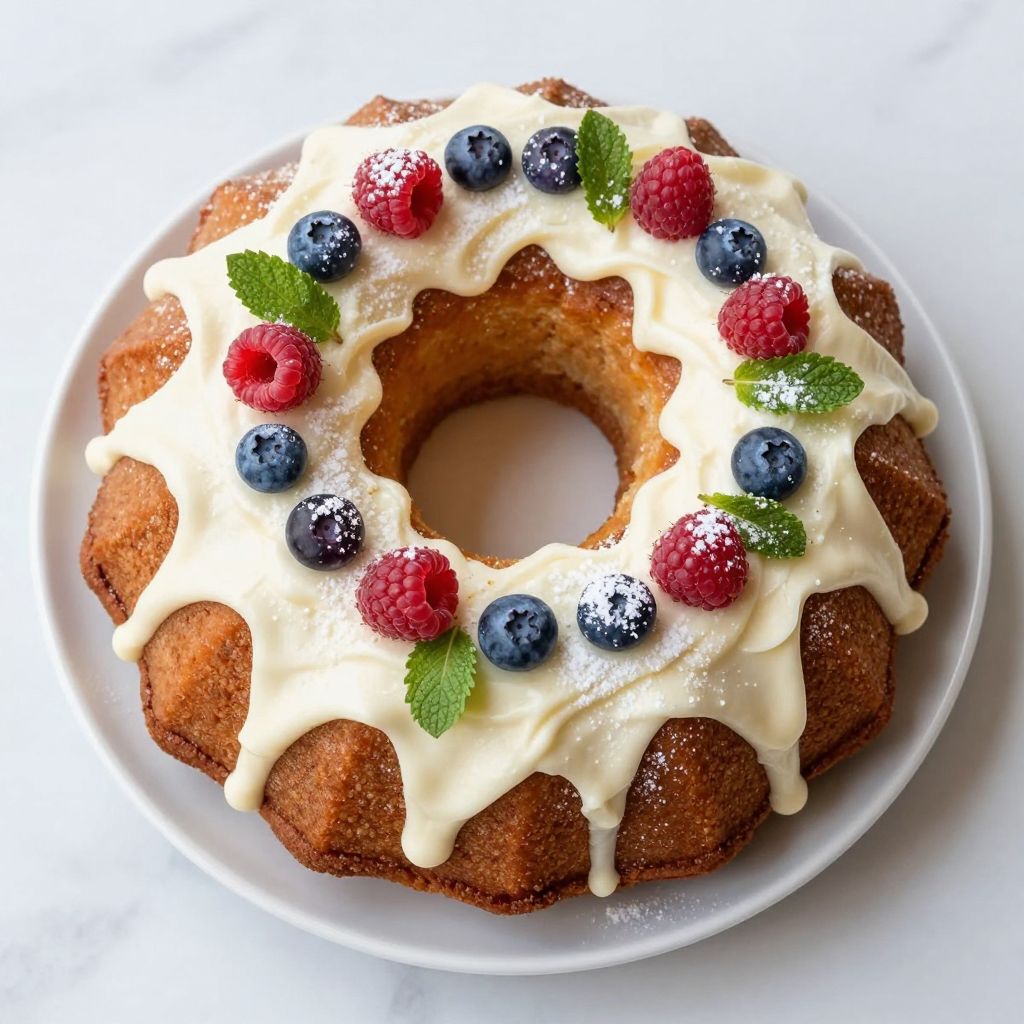
Nothing Bundt Cake
Ingredients
Equipment
Method
- Preheat your oven to 350 degrees Fahrenheit and grease a 10 to 12 cup bundt cake pan.
- In a medium bowl, whisk together flour, baking powder, and salt to aerate the flour and distribute the leavening.
- In a large bowl, beat softened butter and granulated sugar on medium speed for 3 to 4 minutes until pale and fluffy.
- Add eggs one at a time to the butter mixture, beating well after each addition to keep the batter emulsified.
- Stir in vanilla extract until just combined.
- Add the flour mixture and sour cream in three additions, beginning and ending with the flour, mixing gently until just combined.
- Pour the batter into the prepared bundt pan and smooth the top with a spatula.
- Bake for 35 to 40 minutes or until a cake tester inserted into the center comes out clean with a few moist crumbs.
- Allow the cake to cool in the pan for 15 minutes, then invert it onto a cooling rack to cool completely.
- While the cake cools, beat cream cheese and unsalted butter together for 2 to 3 minutes until smooth.
- Gradually add powdered sugar, beating on low speed to combine, then on medium speed until the frosting is fluffy.
- Spread the frosting evenly over the cooled cake using an offset spatula, covering all ridges and the center hole.
- Chill the frosted cake for at least two hours before serving to allow the frosting to set and ensure clean slices.