
The first time I bit into a piece of Nashville hot chicken, my mouth erupted in a perfect storm of heat, sweetness, and crispy coating that made me understand why this Tennessee classic has taken over the country. Nashville hot sauce is the soul of that legendary dish, and making it at home transforms ordinary fried chicken into something genuinely special.
This recipe delivers the authentic fiery kick and complex spice blend that restaurants guard like secrets, but you can nail it in your own kitchen. The sauce coats beautifully, sticks to everything, and brings that signature cayenne-forward heat balanced with brown sugar sweetness that makes you reach for another piece despite the burn.
Whether you are a heat seeker or just curious about what all the fuss is about, this homemade version beats bottled alternatives by miles and costs a fraction of what you would pay for takeout.
Why You’ll Love This Recipe
This Nashville hot sauce recipe hits all the marks for a dish worth making at home. You get restaurant-quality heat and flavor in under fifteen minutes, and it works on fried chicken, drizzled over eggs, or mixed into mayo for sandwiches.
- Ready in minutes with pantry staples you likely already own
- Adjustable heat level so everyone from wimps to spice heads can enjoy it
- Exponentially better than bottled versions at a fraction of the cost
- Works as a marinade, coating, or finishing sauce for endless applications
- Makes enough to keep in your fridge for spontaneous flavor boosts
My Experience Making This Recipe
The first time I mixed this sauce together, the kitchen smelled like a Nashville hot chicken restaurant, and I knew I had something special. My family devoured it on fried chicken within hours, and now I make double batches just to keep it on hand for everything from pizza to pulled pork.
What surprised me most was how forgiving the recipe is. I have made it with different cayenne blends, adjusted the sugar to taste, and even added a touch of paprika for deeper color without losing that signature bite. Every version turned out fantastic, which speaks to how well-balanced the base formula is.
My partner, who normally avoids anything spicy, actually asked for seconds because the heat builds smoothly rather than attacking your mouth all at once. That slow burn followed by the sweet undertone keeps people coming back for more, which is exactly how Nashville hot chicken should work.
Recipe Overview
- Recipe Name: Nashville Hot Sauce
- Servings: Makes approximately 1 cup
- Prep Time: 5 minutes
- Cook Time: 10 minutes
- Total Time: 15 minutes
- Course: Condiment/Sauce
- Cuisine: American (Tennessee)
- Calories per Serving: 45 calories per tablespoon
Equipment You Will Need
- Medium saucepan
- Whisk or wooden spoon
- Measuring spoons and cups
- Heat-safe glass bowl
- Fine-mesh strainer (optional but helpful)
- Glass jar for storage
Ingredients for Nashville Hot Sauce
- Cayenne pepper powder: 3 tablespoons
- Brown sugar: 2 tablespoons, packed
- Paprika: 1 tablespoon
- Garlic powder: 1 teaspoon
- Onion powder: 1/2 teaspoon
- Black pepper: 1/2 teaspoon
- Buttermilk: 1/2 cup
- Hot sauce: 2 tablespoons (Frank’s RedHot recommended)
- Vegetable oil: 1/2 cup
- Honey: 1 tablespoon
- Salt: 1/2 teaspoon, or to taste
Ingredient Notes and Substitutions
- Cayenne pepper: This is the star that defines Nashville hot sauce, delivering the characteristic fiery kick. If you cannot find pure cayenne, you can substitute with 2 tablespoons of cayenne mixed with 1 tablespoon of red pepper flakes, though the texture will be slightly grainier.
- Brown sugar: The brown sugar creates sweetness that balances the heat and helps the sauce cling to chicken. Regular granulated sugar works, but brown sugar adds depth and sticks better due to its molasses content.
- Buttermilk: Buttermilk’s tangy acidity cuts through the richness and adds authenticity to the sauce. Plain milk mixed with a tablespoon of vinegar creates an acceptable substitute in a pinch.
- Vegetable oil: High-heat vegetable oil carries the spices and creates the right consistency for coating. Canola oil or avocado oil work identically.
- Paprika: This adds color and a subtle smoky note without extra heat. Smoked paprika intensifies the flavor if you prefer deeper complexity.
How to Make Nashville Hot Sauce
Step 1: Combine Dry Spices
In a medium saucepan, whisk together the cayenne pepper, brown sugar, paprika, garlic powder, onion powder, and black pepper. Combining these dry ingredients first ensures even distribution of every spice throughout the sauce rather than ending up with clumpy pockets of cayenne.
Step 2: Add Buttermilk Slowly
Pour in the buttermilk while whisking constantly to break up any lumps and create a smooth paste. This gradual addition prevents the spices from clumping, which would create a grainy, unpleasant texture in your final sauce.
Step 3: Heat the Mixture
Place the saucepan over medium heat and stir continuously for about 3 minutes until the mixture becomes warm and fragrant. You are not looking for a boil here; gentle heat helps the flavors meld without cooking off the volatile compounds that make cayenne taste fresh and bright.
Step 4: Add Hot Sauce and Honey
Stir in the hot sauce and honey, whisking until fully incorporated. The hot sauce adds tangy depth while the honey brings additional sweetness and helps the sauce achieve a glossier finish that clings to chicken beautifully.
Step 5: Warm the Oil Separately
In a small skillet, heat the vegetable oil over medium-high heat until it reaches about 350 degrees Fahrenheit (a tiny drop of the spice mixture should sizzle immediately). Hot oil is essential because it carries all the spice flavors into the sauce and creates that characteristic richness that makes Nashville hot sauce so craveable.
Step 6: Temper the Spices
Slowly pour the hot oil into the spice mixture while whisking vigorously to emulsify everything together. This technique, called tempering, prevents the oil from separating and ensures every spoonful contains the right balance of spice, sweetness, and oil.
Step 7: Taste and Adjust Salt
Remove the pan from heat and add salt to taste, whisking well. Salt enhances all the other flavors and prevents the sauce from tasting flat, even though the other ingredients already contain subtle saltiness.
Step 8: Strain for Smoothness (Optional)
If you prefer a completely smooth sauce without any spice particles, pour it through a fine-mesh strainer into a clean bowl. Many prefer this step for dipping sauces, though leaving the texture as-is works perfectly fine for coating chicken.
Pro Tip: Make this sauce ahead and let it sit in the fridge overnight; the flavors deepen and meld into something even more complex and delicious than fresh batches.
Tips for the Best Nashville Hot Sauce
- Use freshly purchased cayenne pepper rather than something sitting in your cabinet for years, as the heat and flavor fade significantly over time. Fresh cayenne makes a noticeable difference in the final punch of the sauce.
- Keep the oil temperature consistent around 350 degrees Fahrenheit for best results. Oil that is too cool will not properly carry the spices, while oil that is too hot can burn them and create a bitter taste.
- Whisk constantly when adding oil to prevent separation and achieve a cohesive, creamy sauce. This extra effort takes only a minute and dramatically improves the texture.
- Taste as you go and adjust heat levels by adding more cayenne a teaspoon at a time if needed. Your tolerance matters more than the recipe, so personalize it without apology.
- Store the sauce in a glass container rather than plastic, as the spices can stain and absorb into plastic over time. Glass keeps your sauce looking fresh and prevents flavor transfer.
- Let hot chicken cool for about 2 minutes before applying the sauce so it adheres properly rather than sliding off while the coating is still steaming hot.
Common Mistakes to Avoid
- Adding oil to spices without whisking can create separated, greasy sauce that pools at the bottom rather than emulsifying properly. Always whisk continuously while pouring.
- Using stale cayenne pepper results in a dull, weak sauce that lacks the vibrant heat Nashville hot sauce is famous for. Buy fresh and replace it every 6 months.
- Skipping the buttermilk creates an overly oily, thin sauce that runs off food rather than coating it richly. The buttermilk provides crucial body and stability.
- Cooking the sauce at too high a temperature burns the spices and creates a bitter, unpleasant flavor. Medium heat is your friend here.
- Adding all the oil at once causes the emulsion to break and leaves you with a greasy, separated mess. Take 30 seconds to add it slowly and your sauce will be silky smooth.
Serving Suggestions
While Nashville hot sauce shines on fried chicken, this versatile condiment deserves starring roles across your entire menu. Brush it onto roasted vegetables, drizzle it over scrambled eggs, or swirl it into cream cheese for a spicy dip that people cannot stop eating.
- Toss with crispy fried chicken pieces for the traditional Nashville hot chicken experience
- Brush onto grilled or fried shrimp for a spicy seafood twist
- Mix into ranch dip or Greek yogurt for a fiery vegetable dip
- Drizzle over deviled eggs or crispy breakfast potatoes for brunch
- Swirl into mayo for spicy sandwiches or drizzle over burgers for an upgrade
Variations to Try
- Garlic lovers version: Double the garlic powder and add 1 tablespoon of minced fresh garlic to the warm buttermilk mixture before adding oil. This creates a more aggressive, savory heat that shifts the sauce toward umami territory.
- Honey heat variation: Increase honey to 2 tablespoons for a sweeter, less aggressive sauce that appeals to milder palates. The sweetness balances the cayenne more dramatically while still maintaining authentic flavor.
- Spicy vinegar version: Replace hot sauce with 2 tablespoons of apple cider vinegar and add an extra 1/2 teaspoon of cayenne. This creates a tangier sauce with slightly more kick that pairs beautifully with pork.
- Smoked paprika upgrade: Swap regular paprika for smoked paprika to add a deeper, woodsy character. This works especially well if you are coating smoked chicken or pulled pork.
- Herb-infused variation: Add 1/2 teaspoon of dried oregano and 1/4 teaspoon of thyme to the dry spice mixture for Mediterranean-inspired heat. The herbs add complexity without changing the essential Nashville character.
Dietary Adaptations
- Gluten-free: This recipe is naturally gluten-free, but verify your hot sauce brand uses gluten-free ingredients, as some brands use wheat-based thickeners. Most common hot sauces are fine, but reading labels takes 30 seconds.
- Dairy-free: Replace buttermilk with unsweetened almond milk mixed with 1 tablespoon of lemon juice or vinegar to create tanginess. The sauce works fine without dairy, though you lose some richness in the final product.
- Vegan: Use plant-based milk as described above, and verify your hot sauce contains no anchovies or other animal products. All other ingredients are naturally vegan.
- Low-carb/keto: Reduce brown sugar to 1 teaspoon and replace with 1 tablespoon of monk fruit sweetener or erythritol for minimal carbs. The sauce tastes slightly less sweet but maintains authentic heat and character.
Storage and Reheating
Refrigerator
Store Nashville hot sauce in an airtight glass container for up to 3 weeks in the refrigerator. The flavors actually improve and deepen over the first week as ingredients continue to meld together.
- Keep the container tightly sealed to prevent the sauce from absorbing odors from other foods
- Stir or shake well before using if the mixture separates slightly during storage
- Spoon out portions with a clean utensil to prevent contamination
Freezer
Nashville hot sauce freezes beautifully for up to 3 months in an airtight container or ice cube trays for portion control. Freezing does not damage the sauce quality, so stock up without worry.
- Fill ice cube trays for easy single-serving portions that thaw quickly
- Label your container with the date so you know how long it has been frozen
- Leave an inch of headspace in containers to allow for slight expansion during freezing
Reheating
Reheat refrigerated sauce gently over low heat, stirring constantly to prevent scorching, or microwave in 30-second intervals. High heat can separate the oil, so patience pays off with better texture and flavor.
- Stove top works best for maintaining emulsification and even heating
- Thaw frozen sauce overnight in the refrigerator before reheating
- Do not add water if the sauce thickens; the consistency is normal as it cools
Nutrition Information
| Nutrient | Amount |
|---|---|
| Calories | 45 |
| Total Fat | 4.5g |
| Saturated Fat | 0.5g |
| Carbohydrates | 2g |
| Fiber | 0g |
| Sugar | 1.5g |
| Protein | 0.2g |
| Sodium | 95mg |
| Cholesterol | 0.5mg |
Nutrition values are approximate based on the full recipe divided into 16 tablespoon servings. Individual results vary based on specific brands and portion sizes used.
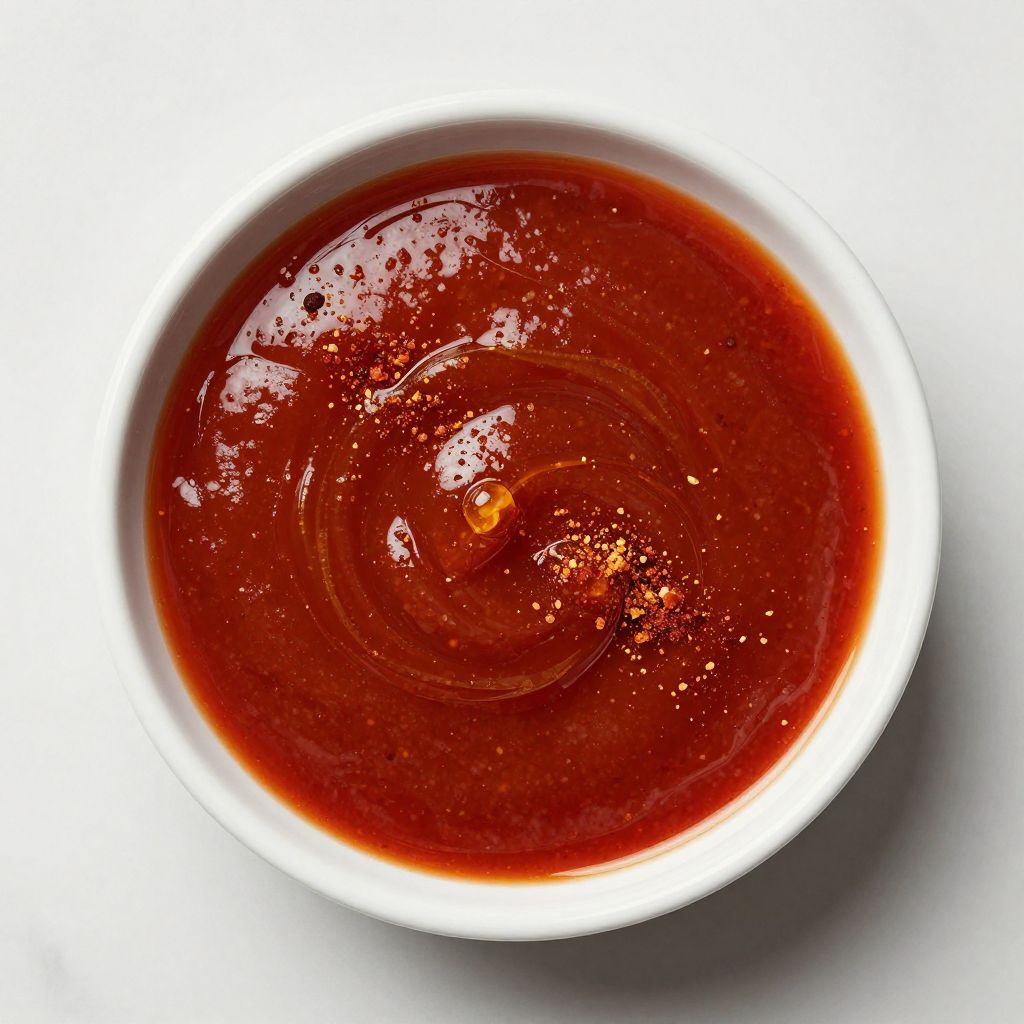
Nashville Hot Sauce
Ingredients
Equipment
Method
- In a medium saucepan, whisk together cayenne pepper, brown sugar, paprika, garlic powder, onion powder, and black pepper until evenly combined.
- Pour in buttermilk slowly while whisking constantly to create a smooth paste without lumps.
- Place the saucepan over medium heat and stir continuously for 3 minutes until the mixture is warm and fragrant, avoiding boiling.
- Stir in hot sauce and honey until fully incorporated and the sauce is glossy.
- In a small skillet, heat vegetable oil over medium-high heat until it reaches 350°F, indicated by a sizzle when a drop of the spice mixture is added.
- Tempering: Slowly pour the hot oil into the spice mixture while whisking vigorously to emulsify the sauce.
- Remove from heat, add salt to taste, and whisk well to balance flavors.
- Optional: Strain the sauce through a fine-mesh strainer into a clean bowl for a completely smooth texture.