
The smell of steaming siomai baskets hitting your nose at a dim sum cart is one of those moments that instantly transports you back to lazy Sunday mornings with family gathered around a table.
Siomai is a Filipino take on Chinese dumplings that’s crispy on the outside, juicy on the inside, and honestly? They’re far easier to make at home than you’d think.
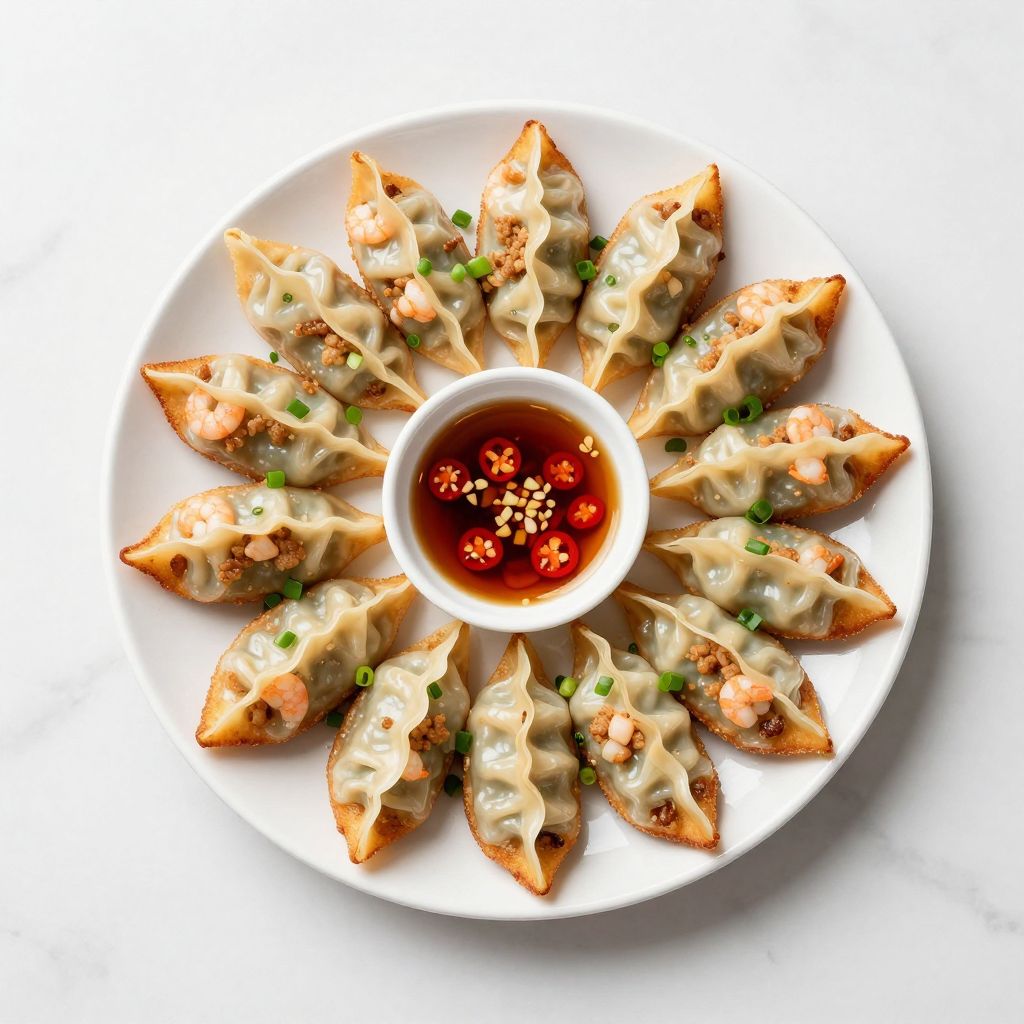
What makes this recipe shine is the combination of ground pork, shrimp, and aromatics wrapped in a thin wonton wrapper, then pan-fried until golden and served with a simple vinegar dipping sauce.
Whether you’re feeding a crowd or meal prepping for the week, these little pockets of flavor deliver restaurant-quality results in your own kitchen.
Why You’ll Love This Recipe
Siomai hits all the marks: they’re customizable, freezer-friendly, and taste even better the next day.
- Crispy exterior with a tender, flavorful filling that stays juicy with every bite
- Ready to serve in under 30 minutes from start to table
- Make a double batch and freeze for quick weeknight meals or unexpected guests
- Uses affordable, accessible ingredients you probably already have on hand
- Works as an appetizer, snack, or light meal alongside rice and vegetables
My Experience Making This Recipe
The first time I made siomai from scratch, I was convinced I’d ruin them. Turns out, wrapping dumplings is less intimidating than it looks once you get the rhythm down.
My kitchen filled with that incredible aroma of toasted garlic and pork hitting the pan, and within minutes I had golden little packets ready to eat. My kids actually asked for seconds, which never happens with store-bought frozen dumplings.
Now I make a batch every two weeks and keep them stashed in the freezer. They’ve become my secret weapon for when I need an impressive appetizer or a protein-packed snack that tastes homemade.
Recipe Overview
- Recipe Name: Pan-Fried Siomai with Ginger and Shrimp
- Servings: Makes 20 to 24 pieces
- Prep Time: 25 minutes
- Cook Time: 12 minutes
- Total Time: 37 minutes
- Course: Appetizer or Light Meal
- Cuisine: Filipino
- Calories per Serving: 85 calories per piece
Equipment You Will Need
- Cutting board
- Sharp knife
- Large mixing bowl
- Spoon for mixing
- Small spoon or dumpling tool for filling
- Large non-stick skillet or wok
- Damp kitchen towel
- Steamer basket (optional, for a lighter version)
- Paper towels
Ingredients for Siomai
For the Filling
- Ground pork: 1/2 pound
- Shrimp: 1/4 pound, peeled, deveined, and finely chopped
- Onion: 1/4 cup, minced
- Garlic: 3 cloves, minced
- Fresh ginger: 1 tablespoon, minced
- Soy sauce: 2 tablespoons
- Sesame oil: 1 teaspoon
- Egg white: 1
- Water chestnuts: 1/4 cup, finely diced (optional but recommended)
- White pepper: 1/4 teaspoon
- Salt: 1/4 teaspoon
For Assembly and Cooking
- Wonton wrappers: 1 package (24 pieces)
- Vegetable oil: 2 tablespoons for pan-frying
- Water: 1/4 cup
For the Dipping Sauce
- Vinegar: 1/4 cup
- Soy sauce: 2 tablespoons
- Fresh chili: 1 small, sliced (optional)
- Garlic: 1 clove, minced
Ingredient Notes and Substitutions
- Ground pork: The backbone of the filling, providing richness and binding structure. Swap for ground chicken or turkey if you prefer leaner meat, though you may need to add 1 extra tablespoon of sesame oil to maintain moisture.
- Shrimp: Adds sweetness and a distinctive umami flavor that elevates the entire filling. Replace with more ground pork or diced scallops if shrimp is unavailable or if you have allergies.
- Water chestnuts: They give a pleasant crunch and help balance the density of the filling. Skip them if you can’t find them, or substitute with finely diced bamboo shoots for a similar texture.
- Wonton wrappers: Thin, delicate, and designed for dumpling-making, they crisp up beautifully when pan-fried. Dumpling wrappers work too but are slightly thicker and will take an extra minute or two to cook.
- Sesame oil: A small amount brings a toasted, nutty depth without overpowering the filling. Regular vegetable oil won’t deliver the same flavor, so don’t skip this.
How to Make Siomai
Step 1: Prepare Your Ingredients
Finely mince your garlic, ginger, onion, water chestnuts, and shrimp so they blend seamlessly into the filling. Uniformly sized pieces cook evenly and disappear into the mixture rather than creating unwanted texture surprises.
Step 2: Combine the Filling
In a large mixing bowl, add the ground pork, chopped shrimp, minced vegetables, soy sauce, sesame oil, egg white, salt, and white pepper. Mix gently with your hands just until the ingredients are combined; don’t overwork the mixture or the siomai will become dense and tough.
Step 3: Taste and Adjust Seasoning
Pinch off a tiny piece of filling, cook it briefly in a pan or microwave for 10 seconds, then taste it. This raw-to-cooked test reveals whether you need more soy sauce, salt, or sesame oil before you wrap everything up.
Step 4: Set Up Your Wrapping Station
Place your wonton wrapper stack on a cutting board with a small bowl of water nearby. Keep a damp towel draped over the unused wrappers so they stay pliable and don’t dry out.
Step 5: Fill the First Wrapper
Lay a single wonton wrapper in front of you in a diamond orientation. Place about 1 teaspoon of filling in the center, leaving a half-inch border all the way around.
Step 6: Wrap and Seal
Wet your finger with water and run it along the top two edges of the diamond. Fold the top point down to meet the bottom point, creating a triangle, then press gently to seal.
Now bring the two side corners up and toward each other, overlapping them slightly, and press to seal. The wrapper will look like a little nurse’s cap, which is exactly what you want.
Step 7: Repeat for All Wrappers
Continue filling and wrapping until you’ve used all your filling or wrappers, whichever comes first. Arrange finished siomai on a plate without letting them touch, or they’ll stick together.
Step 8: Heat Your Skillet
Set a large non-stick skillet over medium-high heat and add 2 tablespoons of vegetable oil, swirling to coat the bottom evenly. The oil should shimmer and move freely, not sit in puddles.
Step 9: Pan-Fry the Siomai
Once the oil is hot, carefully place your siomai flat-side down into the skillet, working in batches if needed so they fit without crowding. Let them cook untouched for 2 to 3 minutes until the bottom turns golden brown, which creates that delicious crispy exterior.
Step 10: Add Water and Steam Finish
Pour 1/4 cup of water into the skillet, staying back slightly to avoid oil splatter, then immediately cover with a lid or even a large baking sheet. Reduce heat to medium and let them steam for 5 to 7 minutes until the filling cooks through and the wrapper softens.
Step 11: Uncover and Crisp the Top
Remove the lid carefully, tilting it away from you to avoid the hot steam. Let any remaining liquid evaporate for 1 to 2 minutes, which will allow the tops to dry out and crisp slightly.
Step 12: Make the Dipping Sauce
While the siomai finish cooking, whisk together the vinegar, soy sauce, minced garlic, and sliced chili in a small bowl. Taste and adjust the balance; more vinegar gives a sharper tang, while more soy adds saltiness.
Step 13: Serve Hot
Transfer the finished siomai to a serving plate lined with paper towels to absorb any excess oil. Serve immediately while they’re still steaming, with the dipping sauce alongside for dunking.
Pro Tip: Don’t skip the water-steaming step after pan-frying; it’s what keeps the filling moist and tender while the bottom stays crispy.
Tips for the Best Siomai
- Keep unused wonton wrappers covered with a damp towel at all times; even 2 minutes of air exposure causes them to dry out and crack.
- Make sure your filling is cold before wrapping by chilling it for 15 minutes; cold filling is easier to handle and wraps more neatly.
- Don’t overfill each wrapper; 1 teaspoon is the sweet spot for clean sealing and even cooking throughout.
- Use a non-stick skillet or well-seasoned wok to minimize sticking and make cleanup faster afterward.
- If the bottoms brown too quickly before the insides cook, lower the heat and increase the steaming time by a minute or two.
- Serve siomai at peak temperature; they lose their textural appeal as they cool, so don’t let them sit more than a few minutes before eating.
Common Mistakes to Avoid
- Overmixing the filling develops the gluten in the egg and makes siomai dense and rubbery instead of light and bouncy.
- Using wrappers that have dried out leaves cracks in the sealed edges, and the filling seeps out during cooking.
- Skipping the water-steaming step results in raw or undercooked filling with a chewy, doughy exterior that never crisps.
- Crowding the skillet drops the oil temperature and causes the bottoms to steam instead of fry, losing that signature golden crunch.
- Not sealing the wrapper edges tightly allows hot steam to escape and filling to leak out, creating flat, flavorless dumplings.
Serving Suggestions
Siomai shine on their own as a snack or appetizer, but they’re equally at home alongside other dishes for a more complete meal.
- Serve with steamed white or jasmine rice and stir-fried vegetables for a quick weeknight dinner
- Pair with a light garlic fried rice and a crisp cucumber salad for a balanced, restaurant-style meal
- Set out as part of a dim sum spread with har gow, siu mai, and spring rolls for a celebratory brunch
- Top a bowl of miso or vegetable broth to create a dumpling soup with extra comfort and warmth
- Package as party appetizers and serve on a platter with the vinegar sauce in small bowls for easy sharing
Variations to Try
- Spicy Siomai: Add 1 to 2 teaspoons of sriracha or chili paste to the filling for a kick of heat that builds with each bite without overwhelming the other flavors.
- Vegetarian Siomai: Swap the pork and shrimp for finely diced mushrooms, tofu, and cabbage, keeping the seasonings and technique identical for a plant-based version that satisfies just as much.
- Shrimp-Forward Siomai: Double the shrimp and reduce the pork to 1/4 pound if you love seafood and want a lighter, brighter filling with more of that briny sweetness.
- Steamed Instead of Pan-Fried: Skip the skillet entirely and steam the siomai in a bamboo basket for 8 to 10 minutes for a softer, less oily version that still delivers full flavor.
- Crab and Ginger Siomai: Swap shrimp for lump crab meat and increase the ginger to 1.5 tablespoons for a more sophisticated, seafood-forward filling.
Dietary Adaptations
- Gluten-Free: Use gluten-free wonton wrappers or dumpling wrappers made from tapioca and rice flour, though they’re more delicate and require extra-gentle handling during wrapping and cooking.
- Dairy-Free: This recipe is naturally dairy-free, containing no butter, cream, or cheese; no changes needed.
- Vegan and Vegetarian: Replace pork with crumbled tofu or finely chopped mushrooms, use aquafaba instead of egg white for binding, and skip the shrimp or swap for diced hearts of palm for a similar texture.
- Low-Carb and Keto: Use cheese wrappers or thinly sliced zucchini in place of wonton wrappers to keep carbs minimal while maintaining structure, though texture and cooking time will differ slightly.
Storage and Reheating
Refrigerator
Store cooked siomai in an airtight container on a paper towel to absorb excess moisture. They keep for 3 to 4 days and taste best within the first 2 days.
- Keep them in a single layer if possible to prevent sticking and shape collapse
- Don’t stack them directly on top of each other unless separated by paper towels
Freezer
Freeze uncooked siomai on a baking sheet for 2 hours, then transfer them to freezer bags for up to 3 months. This way you can cook just a few at a time without thawing the whole batch.
- Label the bag with the date and contents for easy reference later
- Lay them flat in the bag so they don’t get crushed by other items
Reheating
Pan-fry frozen or refrigerated siomai in a hot skillet with a splash of oil for 2 to 3 minutes per side, or steam them for 5 to 6 minutes until heated through. Microwaving works but softens the wrapper texture.
- Thawed siomai reheat faster than frozen ones, so adjust timing accordingly
- For best crispiness, always pan-fry rather than microwave
Nutrition Information
| Nutrient | Amount |
|---|---|
| Calories | 85 |
| Total Fat | 4.5 grams |
| Saturated Fat | 1.2 grams |
| Carbohydrates | 7 grams |
| Fiber | 0.3 grams |
| Sugar | 0.5 grams |
| Protein | 8 grams |
| Sodium | 320 milligrams |
| Cholesterol | 35 milligrams |
The nutrition information provided is approximate and based on standard ingredient portions. Actual values may vary depending on your specific brands and cooking method.
Pan-Fried Siomai with Ginger and Shrimp
Ingredients
Equipment
Method
- Finely mince the garlic, ginger, onion, water chestnuts, and shrimp so they are uniform in size.
- In a large mixing bowl, combine ground pork, chopped shrimp, minced onion, garlic, ginger, soy sauce, sesame oil, egg white, salt, and white pepper; mix gently until just combined.
- Pinch off a small piece of the filling and cook it in a pan for 10 seconds to taste and adjust seasoning as needed.
- Place wonton wrappers on a cutting board and keep them covered with a damp towel to prevent drying.
- Place 1 teaspoon of filling in the center of each wonton wrapper and moisten the edges with water.
- Fold the wrapper into a triangle, seal the edges, then bring the two side corners together and press to form a nurse's cap shape.
- Repeat the wrapping process with the remaining filling and wrappers, arranging each siomai on a plate without touching.
- Heat a large non-stick skillet over medium-high heat and add 2 tablespoons vegetable oil, swirling to coat the pan.
- Place siomai flat-side down in the hot skillet and cook undisturbed for 2 to 3 minutes until the bottoms are golden brown.
- Pour 1/4 cup water into the skillet and immediately cover with a lid; reduce heat to medium and steam for 5 to 7 minutes until filling is cooked through.
- Remove the lid, let any remaining liquid evaporate for 1 to 2 minutes to crisp the tops, then transfer siomai to a plate lined with paper towels.
- In a small bowl, whisk together vinegar, soy sauce, minced garlic, and sliced chili to make the dipping sauce; adjust flavors to taste.
- Serve the siomai hot with the dipping sauce alongside for dunking.