
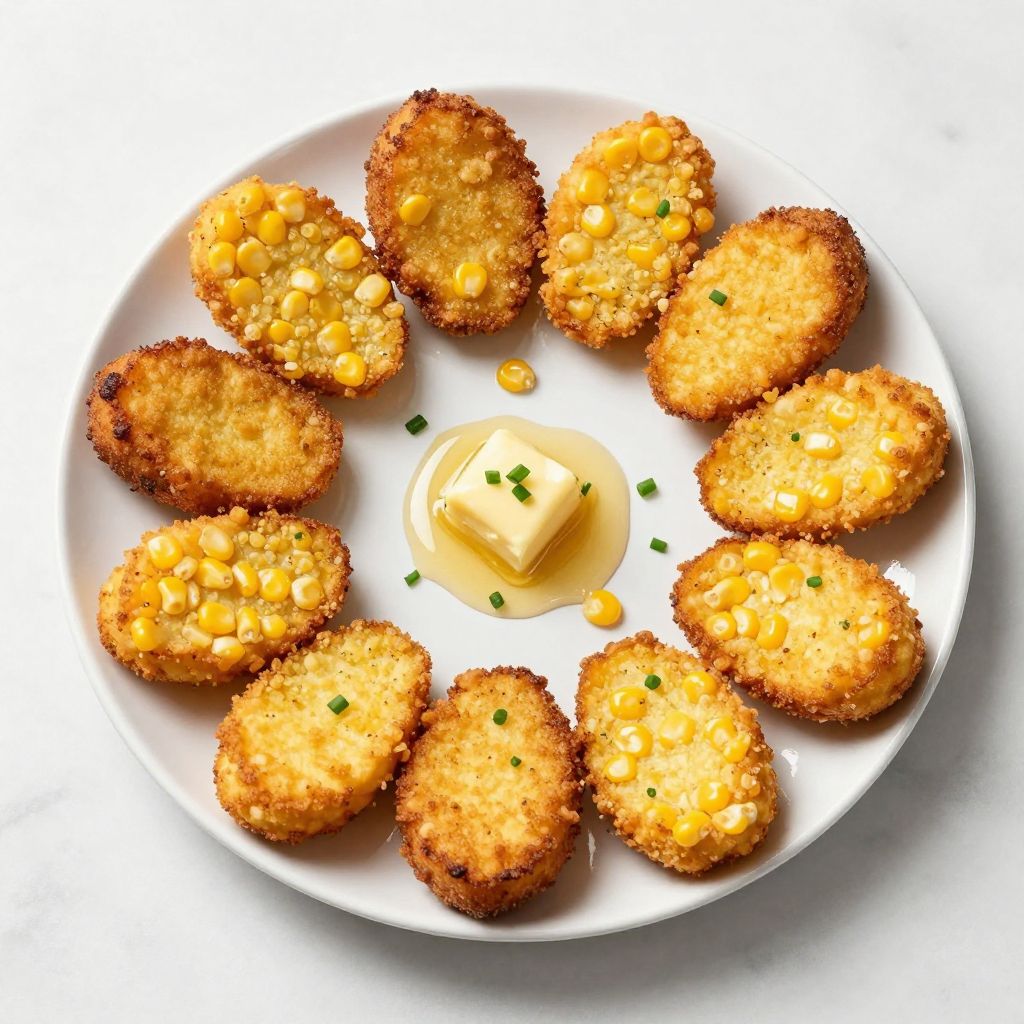
Picture yourself biting into a golden, crispy piece of cornbread that shatters between your teeth, then melts into warm, buttery comfort on your tongue. Fried cornbread takes the classic Southern side dish and transforms it into something irresistibly crunchy on the outside and tender within, making it the ultimate crowd-pleaser for weeknight dinners and potlucks alike.
This recipe delivers restaurant-quality results in under 30 minutes, requires just a handful of pantry staples, and tastes phenomenal on its own or alongside your favorite chili, soup, or barbecue. The beauty of fried cornbread is its versatility: serve it warm with honey butter, crumble it into salads, or enjoy it as a standalone snack that disappears faster than you’d expect.
Why You’ll Love This Recipe
Fried cornbread checks every box for busy home cooks seeking something quick, delicious, and genuinely impressive.
- Ready to serve in under 25 minutes from start to finish
- Crispy exterior with a moist, tender crumb inside
- Works as a side dish, appetizer, or snack
- Feeds a crowd without requiring advanced baking skills
- Budget-friendly using ingredients most kitchens already stock
My Experience Making This Recipe
I first discovered fried cornbread at a small Southern cafe, and I was hooked immediately. The proprietor was kind enough to share the basic technique, which I’ve refined over countless batches.
What struck me most was how forgiving the recipe actually is. Even when I got slightly distracted and the oil temperature drifted a few degrees, the cornbread still came out golden and delicious.
My family now requests this at least twice a month, especially during cooler months when comfort food feels non-negotiable. Watching my kids devour warm pieces dipped in honey butter makes every minute in the kitchen worthwhile.
Recipe Overview
- Recipe Name: Fried Cornbread
- Servings: 12 pieces
- Prep Time: 8 minutes
- Cook Time: 15 minutes
- Total Time: 23 minutes
- Course: Side Dish or Appetizer
- Cuisine: Southern American
- Calories per Serving: 185
Equipment You Will Need
- Large mixing bowl
- Medium mixing bowl
- Whisk
- Measuring cups and spoons
- Deep heavy-bottomed skillet or Dutch oven
- Candy or deep-fry thermometer
- Slotted spoon or spider strainer
- Paper towels
- Wire cooling rack
- Shallow dish or plate for shaping
Ingredients for Fried Cornbread
- Cornmeal (1 1/2 cups, preferably stone-ground)
- All-purpose flour (1/2 cup)
- Baking powder (1 1/2 teaspoons)
- Salt (1 teaspoon)
- Granulated sugar (2 tablespoons)
- Buttermilk (1 cup, at room temperature)
- Large eggs (2, beaten)
- Butter (3 tablespoons, melted)
- Vegetable oil (2 quarts, for frying)
- Fresh corn kernels (1/2 cup, optional but recommended)
Ingredient Notes and Substitutions
- Cornmeal provides the signature texture and flavor, and stone-ground varieties offer deeper corn taste than instant versions. Substitute with polenta cornmeal if stone-ground isn’t available, though cooking time may shift slightly.
- Buttermilk adds tanginess and helps activate the baking powder for a lighter crumb. Regular milk mixed with 1 tablespoon lemon juice or white vinegar works when buttermilk isn’t on hand.
- Fresh corn kernels contribute natural sweetness and textural interest. Frozen corn, thawed and drained, delivers similar results with no quality loss.
- Vegetable oil maintains a neutral flavor and high smoke point needed for frying. Canola oil or peanut oil work identically and heat evenly.
- Baking powder creates the fluffy interior by releasing carbon dioxide when heated. Skip substituting this ingredient, as it’s essential for texture.
How to Make Fried Cornbread
Step 1: Mix Your Dry Ingredients
Combine cornmeal, flour, baking powder, salt, and sugar in a large mixing bowl, whisking thoroughly for about 30 seconds. Whisking distributes the leavening agents evenly so your fried cornbread rises consistently without dense pockets.
Step 2: Prepare Your Wet Ingredients
In a medium bowl, whisk together buttermilk, beaten eggs, and melted butter until completely blended. This mixture needs to be homogeneous so the wet and dry components combine smoothly without overmixing later.
Step 3: Combine Wet and Dry
Pour the buttermilk mixture into your dry ingredients and stir gently with a whisk until just combined, about 15 to 20 strokes. Overmixing develops gluten and creates tough, dense cornbread, so stop as soon as you see no white streaks of flour.
Step 4: Fold In the Corn
Gently fold in fresh corn kernels using a spatula with 4 to 6 careful strokes. The kernels add sweetness and texture without requiring any additional cooking, and gentle folding keeps them evenly distributed.
Step 5: Heat Your Oil to Temperature
Pour vegetable oil into your deep skillet and heat to exactly 350 degrees Fahrenheit using your thermometer. This temperature crisps the exterior quickly while allowing the interior to cook through, preventing greasiness.
Step 6: Form Your Cornbread Pieces
Once oil reaches temperature, drop rounded tablespoons of batter into a shallow dish or onto parchment paper to shape them slightly. You should have roughly 12 pieces, each about the size of a golf ball, which fry evenly and cook through in time.
Step 7: Fry in Small Batches
Carefully slide 4 to 5 pieces into the hot oil using a spoon or spider strainer, avoiding overcrowding which lowers oil temperature and causes uneven cooking. Fry for 2 to 3 minutes, stirring occasionally with your slotted spoon, until deep golden brown on all sides.
Step 8: Drain and Cool
Use your slotted spoon to transfer finished pieces to a wire cooling rack set over paper towels, allowing oil to drip away from the cornbread. The cooling rack prevents soggy bottoms that happen when cornbread sits directly on paper towels where steam becomes trapped.
Step 9: Repeat and Serve
Return oil to 350 degrees between batches if needed, then fry remaining cornbread pieces using the same method. Serve warm, ideally within 10 minutes of frying for the crispiest results.
Pro Tip: Keep finished pieces warm in a 200-degree oven while frying remaining batches, ensuring everyone gets hot, crispy cornbread rather than serving some pieces lukewarm.
Tips for the Best Fried Cornbread
- Use a thermometer religiously. Oil that’s too cool yields greasy cornbread, while oil that’s too hot burns the exterior before the inside cooks through, so precision matters here.
- Room-temperature buttermilk mixes more smoothly with other ingredients and creates a more consistent batter without lumps. Remove yours from the refrigerator 15 minutes before starting.
- Don’t skip the resting period after combining wet and dry ingredients. Let the batter sit 2 to 3 minutes so the cornmeal fully hydrates and the baking powder has time to activate.
- Stone-ground cornmeal delivers superior flavor compared to instant varieties, though it costs slightly more and requires slightly longer to hydrate. The taste difference justifies the investment.
- Have all your ingredients measured and equipment prepped before you begin, since frying happens quickly and you’ll have no time to scramble for measuring spoons. This setup takes 5 minutes and prevents frustration.
- Fresh corn kernels can be raw or cooked, but raw kernels add a pleasant pop and fresher flavor to each bite. Cook them if you prefer softer texture.
Common Mistakes to Avoid
- Overmixing the batter develops gluten and creates dense, tough cornbread with a gritty crumb rather than the tender texture you’re after. Mix only until flour streaks disappear.
- Crowding the skillet during frying drops oil temperature, causing the cornbread to absorb excess oil and emerge greasy instead of crispy. Fry in small batches of 4 to 5 pieces maximum.
- Skipping the thermometer leads to inconsistent results where some batches fry perfectly while others burn or stay pale. This inexpensive tool prevents disappointment.
- Using flour instead of cornmeal or cutting cornmeal too heavily creates a texture more like regular fried dough than cornbread. Stick with the ingredient list for authentic flavor.
- Frying at temperatures below 325 degrees yields excessively greasy cornbread because the exterior doesn’t set quickly enough to form a seal. Maintain 350 degrees for best results.
Serving Suggestions
Fried cornbread shines alongside soups, stews, chili, and barbecue, though it’s equally delicious served solo with honey butter or your favorite dipping sauce. The golden exterior and tender crumb make it versatile enough for casual weeknight dinners or dressed-up entertaining.
- Serve warm with softened honey butter for drizzling and dipping
- Pair alongside a steaming bowl of chili or black bean soup
- Offer as an appetizer with ranch dip or sriracha mayo for guests
- Crumble over salads for a crunchy texture contrast
- Enjoy plain as a snack straight from the cooling rack while still warm
Variations to Try
- Cheesy Cornbread: Add 1 cup shredded sharp cheddar cheese to the batter for a savory, tangy version that pairs beautifully with soups and stews.
- Jalapeño Cornbread: Fold in 1/2 cup diced fresh jalapeños and add a teaspoon of cumin for a spicy kick that wakes up any meal.
- Honey Sweetened: Increase sugar to 1/4 cup and drizzle warm pieces with a thin glaze of honey mixed with melted butter for extra richness.
- Bacon Bits: Crumble 6 strips of cooked bacon and fold into the batter for smoky, savory depth that makes these irresistible.
- Cornbread Hushpuppies: Form the batter into walnut-sized balls instead of tablespoon-sized pieces for smaller, bite-sized portions perfect for appetizers or snacking.
Dietary Adaptations
- Gluten-Free: Substitute all-purpose flour with a one-to-one gluten-free flour blend to keep the same consistency, though the texture may be slightly more crumbly rather than tender.
- Dairy-Free: Replace buttermilk with unsweetened almond milk mixed with 1 tablespoon apple cider vinegar, and use melted coconut oil instead of butter for a dairy-free version.
- Vegan: Use a flax egg (1 tablespoon ground flaxseed mixed with 3 tablespoons water) instead of eggs, plus the dairy-free swaps above, creating a fully plant-based option.
- Low-Carb: This recipe inherently contains more carbohydrates from cornmeal, so traditional adaptations are limited, though reducing the amount to 1 cup and adding almond flour helps lower carb content.
Storage and Reheating
Refrigerator
Store cooled fried cornbread in an airtight container for up to 4 days, keeping pieces in a single layer separated by parchment to prevent sticking. Proper storage maintains crispness and prevents moisture absorption that makes cornbread soggy.
- Place parchment between layers to prevent pieces from sticking together
- Ensure the container is completely airtight to lock out moisture
- Store away from strong-smelling foods that might transfer flavors
Freezer
Freeze fried cornbread in freezer bags or containers for up to 3 months, laying pieces flat to save space and prevent crushing. Properly frozen cornbread reheats beautifully with minimal texture loss when thawed gradually.
- Freeze in a single layer on a baking sheet first, then transfer to freezer bags to prevent sticking
- Label bags with the date and contents for easy reference
- Thaw at room temperature for 30 minutes before reheating
Reheating
Restore crispness by reheating in a 350-degree oven for 5 to 8 minutes, or warm pieces in an air fryer at 325 degrees for 3 to 4 minutes. Avoid the microwave, which makes cornbread rubbery and destroys the texture you worked hard to achieve.
- Oven reheating delivers the most even crispness without drying cornbread out
- Air fryer works wonderfully for small batches and heats faster than the oven
- Stovetop warming in a covered skillet over low heat works when other options aren’t available
Nutrition Information
| Nutrient | Amount |
|---|---|
| Calories | 185 |
| Total Fat | 9 grams |
| Saturated Fat | 2.5 grams |
| Carbohydrates | 24 grams |
| Fiber | 1.5 grams |
| Sugar | 3 grams |
| Protein | 3.5 grams |
| Sodium | 380 milligrams |
| Cholesterol | 35 milligrams |
These values represent one piece of cornbread and are estimates based on standard ingredients. Actual nutrition may vary slightly depending on specific brands used and frying oil absorption.
Frequently Asked Questions
Can I make the batter ahead of time?
Yes, prepare the batter up to 4 hours in advance and refrigerate in an airtight container. Let it return to room temperature for 15 minutes before frying, then check that it still feels light and fluffy before proceeding.
What’s the best oil for frying?
Vegetable oil, canola oil, or peanut oil all work beautifully because they have high smoke points and neutral flavor that won’t overpower the corn taste. Avoid olive oil and butter, which smoke at lower temperatures and create burnt, bitter flavors.
Why is my cornbread coming out greasy?
Greasy cornbread results from oil temperature that’s too low or batter pieces left in the oil too long. Maintain your thermometer at 350 degrees and fry for 2 to 3 minutes until golden, removing pieces promptly with a slotted spoon.
Can I bake instead of frying?
Baked cornbread won’t achieve the same crispy exterior because baking doesn’t expose the exterior to hot oil. You can bake at 400 degrees for 15 to 20 minutes if frying isn’t an option, though you’ll miss the signature crunchy texture.
How do I keep cornbread warm for serving?
Place finished pieces in a 200-degree oven on a wire rack, allowing air to circulate and preventing condensation that makes them soggy. Hold them there for up to 20 minutes while finishing remaining batches.
Can I add different mix-ins like herbs?
Absolutely, fresh herbs like chives, cilantro, or parsley work beautifully when added at a rate of 2 to 3 tablespoons per batch. Fold them in gently with the corn to distribute evenly without bruising delicate leaves.
Final Thoughts
Fried cornbread transforms a simple Southern staple into something worthy of the table at your best dinners, yet casual enough for weeknight comfort. The combination of crispy exterior and tender crumb, ready in under 30 minutes, makes this recipe a genuine game-changer for busy kitchens.
Don’t let the frying step intimidate you; with a thermometer and these detailed instructions, you’ll produce restaurant-quality cornbread that impresses everyone. Give this recipe a try this week, and you’ll understand why my family requests it again and again.
More Cornbread Recipes to Explore
If you loved this fried cornbread, expand your cornbread repertoire with complementary recipes that showcase corn in different ways.
Try our creamed corn cornbread recipe for a rich, buttery version with whole kernels throughout. You might also enjoy our Navajo fry bread recipe, which delivers similar crispy-on-outside satisfaction with its own unique flavor profile and traditional roots.
Fried Cornbread
Ingredients
Equipment
Method
- Combine cornmeal, flour, baking powder, salt, and sugar in a large mixing bowl and whisk thoroughly for about 30 seconds.
- In a medium bowl, whisk together buttermilk, beaten eggs, and melted butter until completely blended.
- Pour the buttermilk mixture into the dry ingredients and stir gently with a whisk until just combined, about 15 to 20 strokes, avoiding overmixing.
- Gently fold in fresh corn kernels using a spatula to distribute evenly.
- Heat vegetable oil in a deep heavy-bottomed skillet or Dutch oven to 350 degrees Fahrenheit using a thermometer.
- Shape the batter into rounded tablespoons by dropping them into a shallow dish or onto parchment paper to form about 12 pieces.
- Fry 4 to 5 pieces at a time in the hot oil for 2 to 3 minutes, stirring occasionally, until deep golden brown on all sides.
- Use a slotted spoon to transfer the cornbread to a wire cooling rack set over paper towels to drain excess oil.
- Return oil to 350 degrees between batches if needed and repeat frying remaining pieces.
- Serve warm, ideally within 10 minutes of frying, with honey butter or alongside chili, soup, or barbecue.