
There’s something magical about biting into pillowy gnocchi that melts on your tongue without the slightest hint of grittiness or heaviness. I discovered gluten-free gnocchi by accident when a friend with celiac disease brought a batch to dinner, and I was genuinely shocked at how indistinguishable it was from the traditional version.
Making gluten-free gnocchi at home transforms what seems like an intimidating Italian technique into an accessible weeknight dinner that feels restaurant-quality. The secret lies in using the right flour blend and understanding how moisture affects the dough, and once you nail those two things, you’ll find yourself making this recipe constantly.
What makes this version special is that it delivers the same tender, pillowy texture as wheat-based gnocchi while being completely safe for anyone avoiding gluten. You’ll have beautiful, delicious gnocchi on your table in about an hour, ready to pair with your favorite sauce or simply tossed in butter and sage.
Why You’ll Love This Recipe
This gluten-free gnocchi delivers restaurant-quality results without requiring specialty equipment or advanced cooking skills. The texture is genuinely indistinguishable from traditional gnocchi, and the process comes together faster than you’d expect.
- Naturally gluten-free without any weird aftertaste or gritty texture
- Ready from pantry to plate in under an hour, start to finish
- Works beautifully with any sauce, from simple butter and sage to rich Bolognese
- Makes enough for 4 servings, perfect for feeding a family or meal-prepping
- Stores and freezes exceptionally well for busy weeknights
My Experience Making This Recipe
The first time I made gluten-free gnocchi, I was genuinely nervous about the texture turning out dense or crumbly. My hands were actually shaky as I boiled the first batch, convinced they’d sink like rocks or fall apart completely.
Instead, they floated to the surface within a minute and had this perfect, delicate firmness when I bit into them. My husband asked what restaurant I’d ordered from, and when I told him I’d made them from scratch using gluten-free flour, he actually looked skeptical until he tasted them.
Now I make a double batch every other week and freeze the extras because my family requests them constantly. The whole process has become meditative in a way, working the dough with my hands and watching those little clouds of potato goodness bob up in the boiling water.
Recipe Overview
- Recipe Name: Gluten-Free Gnocchi
- Servings: 4
- Prep Time: 25 minutes
- Cook Time: 20 minutes
- Total Time: 45 minutes
- Course: Main Dish or Side
- Cuisine: Italian
- Calories per Serving: 210
Equipment You Will Need
- Large pot for boiling potatoes
- Colander for draining
- Ricer or food mill
- Large mixing bowl
- Wooden spoon or spatula
- Cutting board
- Knife for cutting dough
- Fork for creating ridges (optional but nice)
- Large pot of water for cooking gnocchi
- Slotted spoon for removing gnocchi
Ingredients for Gluten-Free Gnocchi
- Russet potatoes: 1.5 pounds (about 3 medium)
- All-purpose gluten-free flour blend: 1.5 cups, measured by weight ideally
- Large egg: 1
- Kosher salt: 1 teaspoon, plus more for boiling water
- Black pepper: 1/4 teaspoon, freshly ground
- Nutmeg: 1/8 teaspoon, freshly grated
- Parmesan cheese: 1/4 cup, finely grated
- Unsalted butter: 2 tablespoons
Ingredient Notes and Substitutions
- Russet potatoes: These have the ideal starch-to-moisture ratio for gnocchi dough. If you use waxy potatoes like red or fingerling varieties, your gnocchi will be gummy and dense.
- Gluten-free flour blend: Use a blend designed for all-purpose baking that includes xanthan gum, as this helps bind the dough. Bob’s Red Mill 1-to-1 or King Arthur Measure for Measure work beautifully. Regular rice flour alone will make the gnocchi fall apart.
- Large egg: This binds the dough together and helps it hold shape. You cannot substitute this with aquafaba or other binders without significant changes to the dough structure.
- Parmesan cheese: Adds umami depth and helps with binding. Pecorino Romano works if you prefer a sharper flavor, but skip the cheese entirely if you prefer a plainer gnocchi.
- Nutmeg: Brings subtle warmth and is traditional in Italian gnocchi. If you dislike nutmeg, omit it entirely rather than substituting other spices.
How to Make Gluten-Free Gnocchi
Step 1: Boil the Potatoes
Place your potatoes in a large pot of cold salted water, then bring to a boil. We start with cold water so the potatoes cook evenly from outside to inside, rather than the outside becoming mushy while the center stays firm.
Boil for 15 to 20 minutes, until a knife slides through the largest potato with almost no resistance. You want them fully cooked but not falling apart, which happens when you overcook them.
Step 2: Drain and Cool Slightly
Pour the potatoes into a colander and let them sit for a few minutes until they’re cool enough to handle. This brief cooling period allows excess steam to escape, which helps you avoid ending up with overly wet dough.
While they’re still warm (not hot), peel the potatoes using a small knife. The skin comes off easily when they’re warm, and warm potatoes also make the dough easier to work with.
Step 3: Rice the Potatoes
Push the warm peeled potatoes through a ricer into your large mixing bowl, working in batches if needed. The ricer breaks down the potatoes into fine, fluffy strands that incorporate flour evenly, which you cannot achieve by mashing or food-processing.
Spread the riced potatoes out in the bowl to cool for about 5 minutes. This helps prevent the egg from scrambling when you add it.
Step 4: Create a Well and Add Wet Ingredients
Once the potatoes have cooled slightly, make a well in the center of the mound. Crack your egg into the well and add the salt, black pepper, and nutmeg.
Using a fork, beat the egg gently as if you were making scrambled eggs, then slowly incorporate the potatoes from the sides into the egg mixture. This gradual incorporation helps you avoid overmixing, which toughens the dough.
Step 5: Add the Flour and Cheese
Sprinkle the gluten-free flour blend and grated Parmesan cheese over the mixture, then use your hands to gently fold everything together. Start by bringing the dough together loosely, then knead it slowly and carefully for just one or two minutes.
The dough should come together into a soft, slightly sticky ball. If it feels very wet and sticky, dust with a tiny bit more flour, but remember that slightly sticky dough yields more tender gnocchi than dough that’s too dry.
Step 6: Divide and Roll the Dough
Lightly dust your cutting board with gluten-free flour, then place the dough on it. Divide the dough into four equal pieces using a knife or bench scraper.
Take one piece and roll it gently with the palms of your hands into a rope about 3/4 inch thick. Work slowly and use just enough pressure to shape the rope without compressing it, which would make the final gnocchi dense.
Step 7: Cut into Individual Gnocchi
Using a knife, cut each rope into 1-inch pieces. As you cut, you can gently press each piece against the tines of a fork to create the classic ridged pattern, though this is purely decorative and not necessary.
Place finished gnocchi on a lightly floured baking sheet or plate as you work. Handle them as little as possible, as overworking gluten-free dough can make it tough.
Step 8: Boil the Gnocchi
Bring a large pot of generously salted water to a rolling boil. The water should taste like the sea, which seasons the gnocchi from the inside as it cooks.
Working in batches to avoid crowding, gently drop the gnocchi into the boiling water. They’ll sink initially, then float to the surface after about one minute as they cook through.
Step 9: Cook Until They Float and Remove
Once they float, let them cook for about 30 seconds to one minute more to ensure they’re completely cooked through. Using a slotted spoon, transfer them to a serving bowl or plate, draining excess water as you go.
Toss the cooked gnocchi gently with a little butter to prevent them from sticking together. Serve immediately with your favorite sauce, or reserve them for a sauce you’re preparing.
Pro Tip: The most common mistake with gluten-free gnocchi is adding too much flour out of fear the dough will fall apart, which actually creates tough, dense gnocchi that taste nothing like the real thing, so trust that the slightly sticky dough is correct and only add flour if absolutely necessary.
Tips for the Best Gluten-Free Gnocchi
- Weigh your flour if you possibly can, as gluten-free flours vary in density and scooping can pack flour down unevenly, throwing off your dough ratio completely.
- Use a ricer instead of mashing the potatoes because mashing creates lumps and incorporates air unevenly, while a ricer produces consistent texture throughout the dough.
- Keep your hands and work surface lightly floured but not heavily, as excess flour on your hands makes the dough dry and tough before you even finish mixing.
- Work quickly once you’ve mixed the dough, as gluten-free dough can become gummy if you overwork it, so shape and cook within 15 minutes of completing the dough.
- Don’t skip the cooling period after ricing, as this brief rest prevents the egg from scrambling and helps the dough come together more smoothly and evenly.
- Taste the cooking water and adjust salt before you boil the gnocchi, as this is your main opportunity to season them properly since the dough itself contains relatively little salt.
Common Mistakes to Avoid
- Using waxy potatoes instead of russet: Waxy varieties have too much moisture and too little starch, resulting in gnocchi that’s gummy and falls apart in the water.
- Overmixing the dough after adding flour: This develops the dough too much and creates tough, dense gnocchi instead of light, pillowy ones.
- Not salting the boiling water adequately: Under-salted water produces gnocchi that tastes bland no matter what sauce you serve, so really commit to the salt.
- Overcooking the potatoes: Mushy, waterlogged potatoes result in wet dough that requires too much flour to hold together, making the final gnocchi tough and heavy.
- Skipping the ricer: Mashed or food-processed potatoes have an uneven texture and incorporate air inconsistently, causing some gnocchi to be dense and others to fall apart.
Serving Suggestions
Gluten-free gnocchi shines with virtually any sauce because the pillowy texture complements everything from light and delicate to rich and hearty. The key is thinking about what flavors you’re craving and building your sauce around that.
- Toss with brown butter, crispy sage, and a squeeze of lemon juice for an elegant, simple preparation that lets the gnocchi shine.
- Top with traditional Bolognese sauce made from ground beef, tomatoes, and aromatics for a warming, classic Italian meal.
- Stir through pesto made with fresh basil, garlic, pine nuts, and Parmesan for bright, herby freshness that feels summery.
- Combine with a creamy mushroom sauce made with sauteed mushrooms, shallots, garlic, and a splash of white wine for earthy sophistication.
- Dress simply with melted butter, grated Parmesan, and freshly cracked black pepper when you want something comforting and straightforward.
Variations to Try
- Butternut Squash Gnocchi: Replace half the potato with roasted butternut squash puree for a sweeter, more delicate flavor and beautiful golden color that pairs beautifully with sage brown butter.
- Spinach Gnocchi: Add 1 cup of cooked, squeezed-dry spinach to the riced potatoes for color, nutrition, and a subtle earthy flavor that works wonderfully with creamy sauces.
- Ricotta Gnocchi: Substitute half the potato with whole milk ricotta cheese for lighter, fluffier gnocchi that cook faster and have a more delicate texture.
- Herb-Forward Version: Mix fresh parsley, chives, and basil into the dough for herbaceous brightness that makes these gnocchi special served simply with butter and Parmesan.
- Truffle Oil Finish: After cooking, toss the gnocchi with a drizzle of truffle oil and fleur de sel for a luxurious presentation that feels restaurant-quality and decadent.
Dietary Adaptations
- Gluten-Free: This recipe is naturally gluten-free when using a certified gluten-free flour blend, making it perfect for anyone with celiac disease or gluten sensitivity.
- Dairy-Free: Replace Parmesan with nutritional yeast for umami depth, omit the butter at the end, and toss with olive oil instead for a dairy-free version that’s still delicious and rich.
- Vegan: Substitute the egg with 3 tablespoons of aquafaba or a commercial egg replacer, skip the Parmesan and butter, and use olive oil for finishing, though the texture will be slightly less tender.
- Low-Carb/Keto: Replace potatoes with riced cauliflower or zucchini that’s been salted and pressed very dry to remove excess moisture, then reduce flour slightly and increase egg, though the texture will differ significantly.
Storage and Reheating
Refrigerator
Store cooked gnocchi in an airtight container for up to three days. Toss them lightly with a bit of oil to prevent sticking, as they can clump together when cold.
- Reheat gently in a pan over medium heat with a splash of water or sauce to restore moisture and warmth
- Microwave in a covered bowl with a tablespoon of water for about one minute, stirring halfway through
Freezer
Freeze uncooked gnocchi on a baking sheet until solid, then transfer to a freezer bag for up to three months. This is honestly the best option because frozen gnocchi cook beautifully directly from the freezer.
- Add frozen gnocchi directly to boiling salted water without thawing first
- They’ll take about one minute longer to cook than fresh gnocchi, floating to the surface when done
Reheating
The best way to reheat is to gently warm them in a pan with sauce and a splash of water, which restores their tender texture better than any other method. Never microwave gnocchi with sauce, as this can make them tough and rubbery.
- Warm over medium heat in a pan for about two minutes, stirring occasionally
- Add a little water if the sauce is very thick to prevent sticking
Nutrition Information
| Nutrient | Amount |
|---|---|
| Calories | 210 |
| Total Fat | 4g |
| Saturated Fat | 2.5g |
| Carbohydrates | 38g |
| Fiber | 1g |
| Sugar | 0g |
| Protein | 6g |
| Sodium | 480mg |
| Cholesterol | 50mg |
These values are approximate and based on the plain gnocchi before sauce is added. Actual nutrition varies depending on your specific flour blend and portion sizes, so use this as a general guide rather than exact measurements.
Frequently Asked Questions
Can I make gluten-free gnocchi without a ricer?
You can use a food mill in a pinch, but a regular potato masher will make the dough lumpy and uneven. If you truly don’t have either tool, pass the cooked potatoes through a fine mesh strainer multiple times, pressing gently with the back of a spoon to get them as fine as possible.
Why did my gnocchi fall apart in the water?
This usually happens from one of two reasons: either the dough was too wet and needed more flour, or it was overworked and became gummy. Both issues result from either not draining the potatoes well enough or mixing the dough too much after adding the flour.
Can I make the dough ahead of time?
The dough is best used immediately, but if needed, you can refrigerate it for up to a few hours in an airtight container. Let it come back to room temperature before shaping, and expect it to be slightly stickier than freshly made dough, so you might need a touch more flour for dusting.
How do I know if my gnocchi are cooked through?
Once the gnocchi float, let them cook for another 30 to 60 seconds, then taste one to check. The inside should be tender and fluffy with no raw dough taste, and the outside should have a slight firmness rather than being mushy.
What’s the difference between potato gnocchi and ricotta gnocchi?
Ricotta gnocchi are lighter and fluffier because ricotta has more air incorporated naturally, so they cook faster and need less flour to hold together. Potato gnocchi are denser, heartier, and have more pronounced potato flavor, making them better for holding up to heavy sauces.
Can I use almond flour or coconut flour instead of gluten-free flour blend?
These alternatives have completely different properties and won’t work as a direct substitution without significant recipe changes. Almond and coconut flours are much higher in fat and fiber, which would completely alter the dough structure and cook time.
Final Thoughts
Making gluten-free gnocchi from scratch is genuinely easier than you think, and the moment you taste your first homemade batch, you’ll understand why Italians have been making this dish for generations. The process becomes almost meditative once you try it, and you’ll find yourself making it regularly for your own family.
Start with this recipe exactly as written, then experiment with the variations once you feel confident with the basic technique. Your friends and family will be genuinely impressed that you made restaurant-quality gnocchi at home, and nobody will ever suspect it’s gluten-free unless you tell them.
If you’re looking for other gluten-free comfort foods to add to your rotation, check out our gluten free waffle recipe for breakfast or brunch inspiration. We’ve also got an amazing chicken crust pizza recipe that delivers restaurant-quality results with a creative twist on a classic favorite.
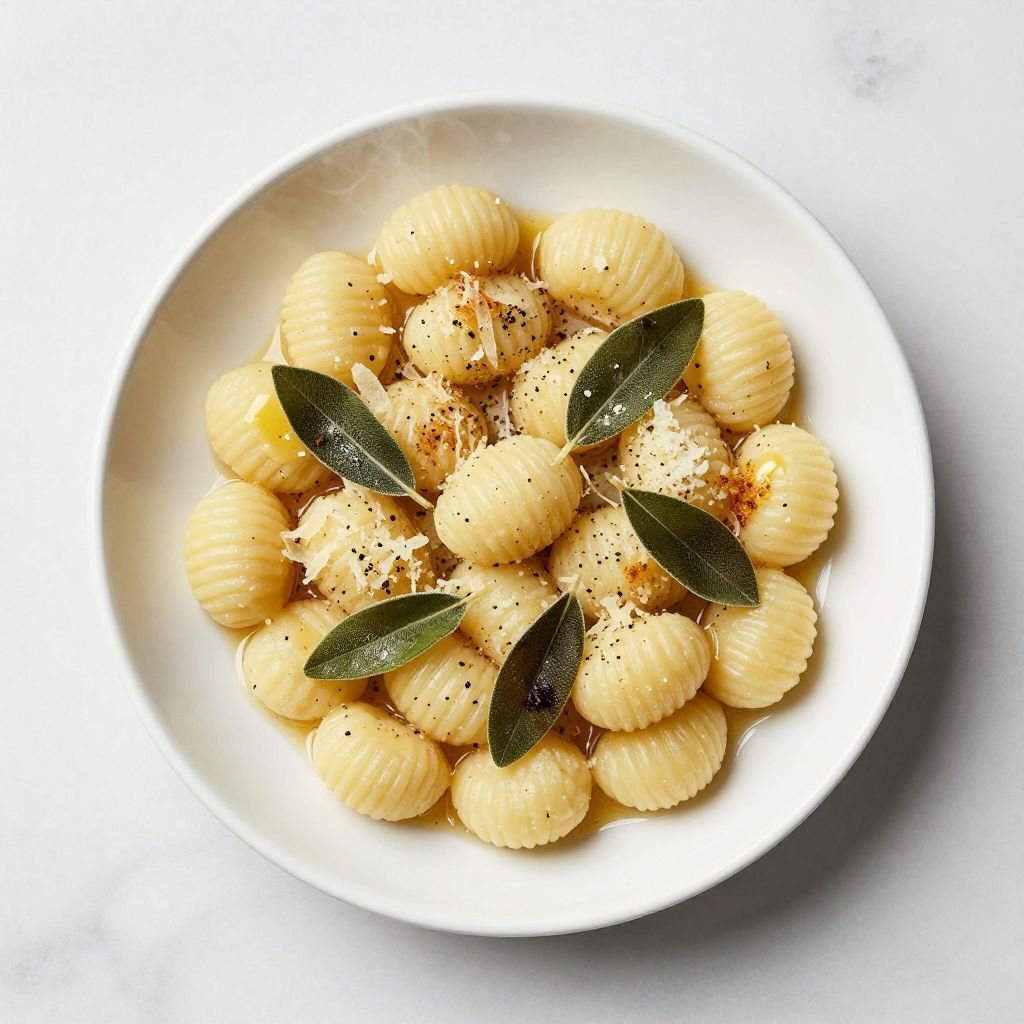
Gluten-Free Gnocchi
Ingredients
Equipment
Method
- Place the russet potatoes in a large pot of cold salted water and bring to a boil over high heat, then reduce heat to medium-high and boil for 15 to 20 minutes until tender.
- Drain the potatoes in a colander and let cool for a few minutes until they are warm enough to handle, then peel off the skins.
- Rice the warm peeled potatoes into a large mixing bowl using a ricer or food mill, then spread the riced potatoes out and let cool for 5 minutes.
- Make a well in the center of the potatoes, add the egg, salt, pepper, and nutmeg, and gently beat the egg before gradually incorporating the potatoes.
- Sprinkle the gluten-free flour blend and grated Parmesan over the mixture and gently fold together with your hands, kneading just 1 to 2 minutes until a soft dough forms.
- Dust a cutting board with flour, divide the dough into four pieces, and roll each into a 3/4-inch thick rope using your palms.
- Cut each rope into 1-inch pieces and press lightly with a fork to create ridges, then place the gnocchi on a lightly floured baking sheet.
- Bring a large pot of generously salted water to a rolling boil, then drop the gnocchi in batches, cooking until they float, about 1 minute.
- After they float, cook for an additional 30 to 60 seconds, then remove with a slotted spoon and toss with unsalted butter to prevent sticking before serving immediately.