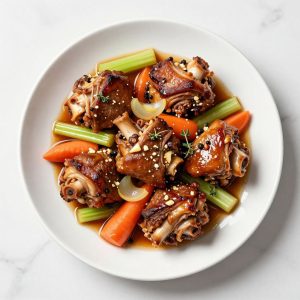
The aroma of spiced meat and caramelized onions fills your kitchen as a bubbling pot of borg simmers on the stove, transforming simple ingredients into something deeply satisfying. This traditional Middle Eastern stew has warmed tables for generations, beloved for its tender meat, fragrant spices, and the way it tastes even better the next day.
Borg is the kind of dish that rewards patience and minimal fuss, making it perfect for home cooks who want maximum flavor with straightforward technique. The magic happens when time and heat do most of the work, creating a rich, aromatic sauce that clings to every piece of meat.
Why You’ll Love This Recipe
This recipe delivers deep, warming flavors with remarkably simple ingredients and hands-on time. Once everything hits the pot, you can step back and let the oven do the heavy lifting.
- Minimal prep work but impressive, restaurant-quality results
- Naturally gluten-free and adapts easily to dietary needs
- Makes excellent leftovers and freezes beautifully for future meals
- Feeds a crowd without complicated techniques or special equipment
- Pairs with rice, bread, or vegetables for flexible serving options
My Experience Making This Recipe
I first made borg on a cold winter evening when I wanted something comforting but not fussy. The smell that emerged from my oven after just thirty minutes hooked me completely, and my family gathered around asking what smelled so good.
What surprised me most was how the flavors deepened with each passing hour, becoming more complex and rounded without me doing anything except occasional stirring. The meat turned so tender it fell apart with a fork, and the sauce coated everything with a glossy richness that made seconds inevitable.
Now I make borg regularly, often doubling the batch to freeze half for busy weeknights when I want something home-cooked without the evening effort. My guests always ask for the recipe, and I love watching their faces light up when they taste how much flavor lives in this unfussy dish.
Recipe Overview
- Recipe Name: Borg (Middle Eastern Spiced Meat Stew)
- Servings: 6 to 8
- Prep Time: 20 minutes
- Cook Time: 2 hours and 30 minutes
- Total Time: 2 hours and 50 minutes
- Course: Main Dish
- Cuisine: Middle Eastern
- Calories per Serving: 385
Equipment You Will Need
- Large heavy-bottomed pot or Dutch oven with lid
- Sharp chef’s knife for cutting meat and vegetables
- Cutting board
- Measuring spoons and cups
- Wooden spoon for stirring
- Paper towels for patting meat dry
- Instant-read meat thermometer (optional but helpful)
Ingredients for Borg
- 3 pounds beef chuck roast, cut into 1.5-inch cubes
- 4 large yellow onions, sliced into thick rings
- 2 tablespoons tomato paste
- 1.5 teaspoons ground cumin
- 1 teaspoon ground coriander
- 0.5 teaspoon ground cinnamon
- 0.25 teaspoon cayenne pepper
- 4 cloves garlic, minced
- 2 cups beef broth
- 3 tablespoons vegetable oil
- Salt and black pepper to taste
- 2 tablespoons fresh cilantro or parsley, chopped (optional, for garnish)
Ingredient Notes and Substitutions
- Beef chuck roast: This cut has enough marbling and connective tissue to become incredibly tender during long cooking, creating a naturally rich sauce. You can substitute with lamb shoulder or beef brisket, though lamb will give a deeper, more distinctive flavor that some find overwhelming.
- Yellow onions: Their sweetness and ability to soften into the sauce without falling apart makes them ideal here. White onions work but taste sharper, while sweet onions lack the structural integrity needed for those perfect caramelized rings.
- Tomato paste: A small amount adds depth without making the dish tomato-forward, balancing the spices beautifully. If unavailable, substitute with one diced fresh tomato, though you’ll lose some concentrated flavor and may need to reduce the broth slightly.
- Cumin: This warm spice is the backbone of borg’s flavor profile, so don’t skip it. Ground coriander cannot replace it, but you can increase it slightly if you prefer a more pronounced cumin presence.
- Beef broth: Use low-sodium broth so you can control the final salt level, and ensure it’s quality stock for deeper flavor. Chicken broth works in a pinch but creates a lighter, less rich result that some consider less authentic.
How to Make Borg
Step 1: Pat the Meat Dry and Season
Remove the beef from your refrigerator fifteen minutes before cooking to bring it closer to room temperature, which helps it brown more evenly. Pat each piece thoroughly dry with paper towels, then season generously with salt and pepper on all sides.
Step 2: Heat Your Pot and Brown the Meat
Heat your Dutch oven or heavy pot over medium-high heat, then add one tablespoon of oil and let it shimmer until just smoking. Working in batches to avoid crowding the pan, brown the meat on two to three sides for two to three minutes per side, then transfer to a plate.
Browning creates flavor through the Maillard reaction, which builds a savory foundation that simple boiling never achieves. Don’t skip this step just because it takes extra time; those browned bits are liquid gold.
Step 3: Cook the Onions
Pour the remaining oil into the pot with the beef drippings still clinging to the bottom, then add all the sliced onions. Cook over medium heat, stirring occasionally, for eight to ten minutes until the onions soften and begin to caramelize at the edges.
Caramelizing the onions brings out their natural sweetness, which balances the spices and the savory meat beautifully. This patient cooking transforms raw onion sharpness into something mellow and deeply flavorful.
Step 4: Add Garlic and Tomato Paste
Stir in the minced garlic and cook for one minute until fragrant, then add the tomato paste. Mix well so the tomato paste coats everything and cook for another two minutes, stirring constantly to prevent sticking.
Cooking tomato paste in fat before adding liquid deepens its flavor and removes any metallic or tinny notes. This quick step prevents raw tomato taste from appearing in your finished dish.
Step 5: Add Spices and Toast Them
Sprinkle the cumin, coriander, cinnamon, and cayenne over the onions and tomato paste mixture. Stir continuously for one minute to bloom the spices, releasing their essential oils and deepening their flavor.
Toasting dried spices in fat is a crucial step that many home cooks skip, but it transforms them from dusty flavors into warm, complex notes that sing throughout the dish. You’ll notice the aroma intensify immediately when you do this right.
Step 6: Return the Meat and Add Broth
Return all the browned meat to the pot along with any accumulated juices, then pour in the beef broth. Stir everything together until the meat is mostly submerged and the spices are evenly distributed.
Adding the broth now allows all the flavorful bits on the bottom of the pot to release and dissolve, creating an enriched liquid base. Make sure the meat sits in enough liquid to braise properly.
Step 7: Bring to a Simmer and Cover
Increase the heat to medium-high and bring the borg to a gentle boil, then immediately reduce the heat to low and partially cover the pot with the lid. The pot should bubble slowly and steadily, not furiously.
A gentle simmer extracts maximum flavor while keeping the meat tender and preventing it from becoming tough. Too much heat causes the exterior to shred before the interior becomes tender.
Step 8: Braise for Two Hours
Let the borg cook undisturbed for one hour and thirty minutes, then stir it and check that the meat is becoming tender. Continue cooking for another thirty to forty-five minutes until the meat shreds easily with a fork and the liquid has reduced to a glossy sauce that coats the back of a spoon.
The connective tissue in chuck roast needs time to break down into gelatin, which is what creates that luxurious sauce. If your meat is still chewy after two hours, continue cooking in fifteen-minute intervals until it reaches that falling-apart tender texture.
Pro Tip: Don’t rush the braise by increasing the heat; patience creates meat so tender it practically melts, while high heat toughens the exterior before the inside softens.
Tips for the Best Borg
- Cut your meat into uniform pieces so they finish cooking at the same time and create an even texture throughout the dish. Pieces that are too large take much longer to tenderize.
- Use a meat thermometer if you’re unsure about doneness; the meat should reach 190 to 200 degrees Fahrenheit for optimal tenderness. This takes the guesswork out of braising.
- Taste and adjust seasonings at the end, as flavors concentrate during cooking and what tasted right at the start may need balancing later. Salt last so you don’t oversalt as the liquid reduces.
- Let the finished borg rest off heat for ten minutes before serving; this allows the sauce to thicken slightly and helps the flavors settle. The dish also becomes slightly easier to serve.
- Make borg a day ahead and reheat it gently; the flavors meld and deepen overnight, often tasting noticeably better the second day. Store it in the refrigerator and reheat slowly over low heat.
Common Mistakes to Avoid
- Skipping the browning step saves time but sacrifices the deep, savory foundation that makes borg special. Raw meat simmered directly in broth tastes thin and one-dimensional.
- Crowding the pan while browning the meat creates steam instead of a nice crust, leaving you with gray, boiled meat. Work in batches even if it takes longer.
- Using a meat cut that’s too lean, like sirloin or tenderloin, creates dry, stringy meat that becomes tough under long cooking. Chuck roast needs that fat and connective tissue.
- Cooking at too high a temperature causes the exterior to shred and separate from the center before the inside is tender. Maintain a gentle, steady simmer throughout.
- Adding the broth too early, before browning the meat and caramelizing the onions, results in watered-down, flat-tasting broth. Build your flavor foundation first.
Serving Suggestions
Borg pairs beautifully with neutral starches that soak up its glossy sauce without competing for attention. Serve it over rice, alongside warm bread, or nestled on creamy mashed potatoes for maximum comfort factor.
- Fluffy white or brown rice for an absorbent base that catches every drop of sauce
- Warm flatbread or naan for scooping and soaking up the pan juices
- Creamy mashed potatoes that provide a buttery counterpoint to the spiced meat
- Couscous for a lighter option that still lets the borg shine as the main attraction
- Roasted vegetables like carrots, potatoes, or bell peppers stirred directly into the pot for added texture and nutrition
Variations to Try
- Lamb Borg: Substitute lamb shoulder or leg for the beef, using the same weight and cutting it the same size. Lamb creates a more assertive, gamey flavor that some find more authentic and others find overpowering; start with half lamb and half beef if you’re unsure.
- Pomegranate Borg: Add one-half cup pomegranate molasses and one-quarter cup pomegranate seeds in the last fifteen minutes of cooking for a tart-sweet complexity. This variation brightens the heavy spices and adds a Middle Eastern depth.
- Vegetable-Loaded Borg: Stir in diced carrots, celery, and potatoes during the last forty-five minutes of braising to make it more of a one-pot meal. The vegetables soften in the broth and absorb the spiced flavors beautifully.
- Spicier Borg: Increase the cayenne pepper to one-half teaspoon and add one-quarter teaspoon of black pepper for heat lovers. Some prefer to add fresh green chilies for a fresher burn alongside the warming spices.
- Wine-Braised Borg: Replace half the beef broth with red wine for added depth and acidity. The wine mellows into the sauce, adding complexity without tasting wine-forward.
Dietary Adaptations
- Gluten-Free: This recipe is naturally gluten-free as written; simply verify that your beef broth contains no gluten-based thickeners. The trade-off is none; the dish is equally delicious.
- Dairy-Free: Borg contains no dairy, making it automatically dairy-free without adjustments. Serve it with dairy-free bread or rice for a complete meal.
- Vegan and Vegetarian: Replace beef with hearty mushrooms like cremini or portobello, cut into large chunks, using vegetable broth instead of beef broth. The mushrooms won’t achieve quite the same tender texture, but the spices create deep, satisfying flavor; use slightly less salt initially since vegetable broth varies widely in sodium.
- Low-Carb and Keto: Omit or significantly reduce the onions and serve over cauliflower rice or zucchini noodles instead of regular rice. The sauce becomes richer and more concentrated without the carbs from onions, though you lose some of borg’s traditional sweetness and body.
Storage and Reheating
Refrigerator
Store cooled borg in an airtight container for up to five days. The flavors actually improve as it sits, with the spices mellowing and melding into a more cohesive sauce.
- Let the borg cool completely before refrigerating to prevent condensation and spoilage
- Store any fat that solidifies on top; you can remove it or leave it for extra richness
- Stir gently before reheating to recombine the sauce evenly throughout the meat
Freezer
Borg freezes beautifully for up to three months when stored properly. Freeze it in portions so you can thaw and reheat exactly what you need.
- Cool completely, then transfer to freezer bags or airtight containers, leaving one-half inch of headspace for expansion
- Label with the date so you use it within the three-month window for best quality
- Thaw overnight in the refrigerator before reheating rather than at room temperature
Reheating
Reheat borg gently to prevent the meat from toughening and to allow the flavors to warm through evenly. Low and slow is always better than high and fast.
- Stovetop: Reheat in a covered pot over low heat for fifteen to twenty minutes, stirring occasionally, until warmed through
- Oven: Cover a baking dish with foil and warm at 325 degrees Fahrenheit for thirty to forty minutes until heated through
- Microwave: Transfer to a microwave-safe container, cover loosely, and heat in two-minute intervals, stirring between each, until warm
Nutrition Information
| Nutrient | Amount |
|---|---|
| Calories | 385 |
| Total Fat | 18 grams |
| Saturated Fat | 6 grams |
| Carbohydrates | 12 grams |
| Fiber | 2 grams |
| Sugar | 5 grams |
| Protein | 48 grams |
| Sodium | 620 milligrams |
| Cholesterol | 155 milligrams |
Nutrition values are approximate and calculated per serving based on a recipe that yields eight servings. Actual values vary based on specific brands used and how much sauce adheres to the meat when plating.
Frequently Asked Questions
Can I make borg in a slow cooker or instant pot?
Yes, brown the meat and onions on the stovetop first, then transfer everything to your slow cooker with the broth and spices and cook on low for six to eight hours. For an instant pot, use the same browning method, then add ingredients and cook on high pressure for thirty-five minutes with natural release.
What’s the difference between borg and other Middle Eastern stews?
Borg specifically emphasizes warm spices like cinnamon and cumin with abundant caramelized onions, creating a slightly sweet and deeply spiced profile. Other stews might use different spices or focus on vegetables rather than meat and onions.
Can I use stew meat from the grocery store instead of a roast?
Absolutely, as long as the pieces are cut to approximately the same size and come from the chuck or shoulder area of the beef. Pre-cut stew meat sometimes comes from inferior cuts, so buying a roast and cutting it yourself often yields better results.
How do I know when the meat is done enough?
The meat should shred easily with a fork and reach 190 to 200 degrees Fahrenheit internally. If it still feels chewy or resists falling apart, continue cooking and checking every fifteen minutes.
Is borg supposed to be thick or soupy?
Properly cooked borg should be somewhere in between, with enough sauce to be saucy but not so much that the meat swims in liquid. The sauce should coat the back of a spoon and cling to the meat when you serve it.
Can I add potatoes or other vegetables directly to the pot?
Yes, add them during the last forty-five minutes of cooking so they don’t fall apart into mush. Hard vegetables like potatoes and carrots need less time than the meat, so they shouldn’t cook for the full two and a half hours.
Final Thoughts
Borg has taught me that the simplest dishes often deliver the most satisfaction, and that patience with heat and time creates flavors no amount of rushing can match. This stew proves that Middle Eastern cooking doesn’t require exotic ingredients or complicated techniques, just respect for the basic elements and willingness to let them work together.
Make a batch of borg this week and discover why this humble stew has remained beloved across generations and regions. Whether you’re serving it for family dinner or impressing guests, this recipe delivers warmth, depth, and the kind of comfort that lingers long after the last bite.
Explore more delicious recipes on our recipe collection page, or try our popular bourbon chicken recipe for another crowd-pleasing main dish. Both recipes showcase how straightforward ingredients transform into restaurant-quality meals when given proper care and attention.
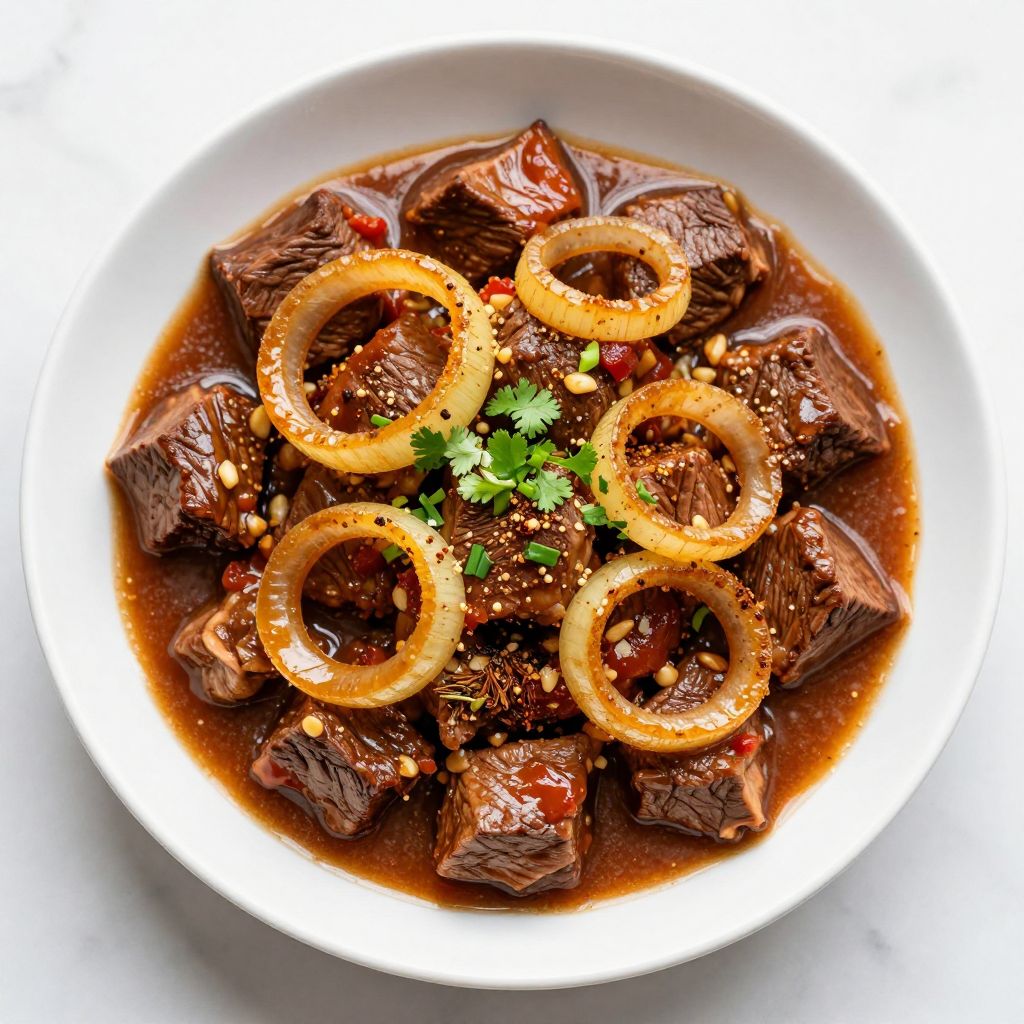
Borg (Middle Eastern Spiced Meat Stew)
Ingredients
Equipment
Method
- Remove the beef from the refrigerator 15 minutes before cooking, pat dry with paper towels, and season generously with salt and pepper.
- Heat a large heavy-bottomed pot or Dutch oven over medium-high heat, add 1 tablespoon of vegetable oil, and brown the beef in batches for 2 to 3 minutes per side, then transfer to a plate.
- Add the remaining 2 tablespoons of vegetable oil to the pot, add the sliced onions, and cook over medium heat for 8 to 10 minutes until softened and caramelized.
- Stir in the minced garlic and cook for 1 minute until fragrant, then add the tomato paste and cook for 2 minutes, stirring constantly.
- Sprinkle in the ground cumin, ground coriander, ground cinnamon, and cayenne pepper; stir continuously for 1 minute to toast the spices.
- Return the browned meat and any juices to the pot, pour in the beef broth, and stir until the meat is mostly submerged.
- Increase heat to medium-high and bring to a simmer, then reduce heat to low, partially cover, and maintain a gentle simmer for 1 hour and 30 minutes.
- Stir the stew, continue cooking for an additional 30 to 45 minutes until the meat shreds easily and the sauce has reduced to a glossy consistency.
- Remove from heat, let rest off heat for 10 minutes, garnish with chopped cilantro or parsley if desired, and serve.