
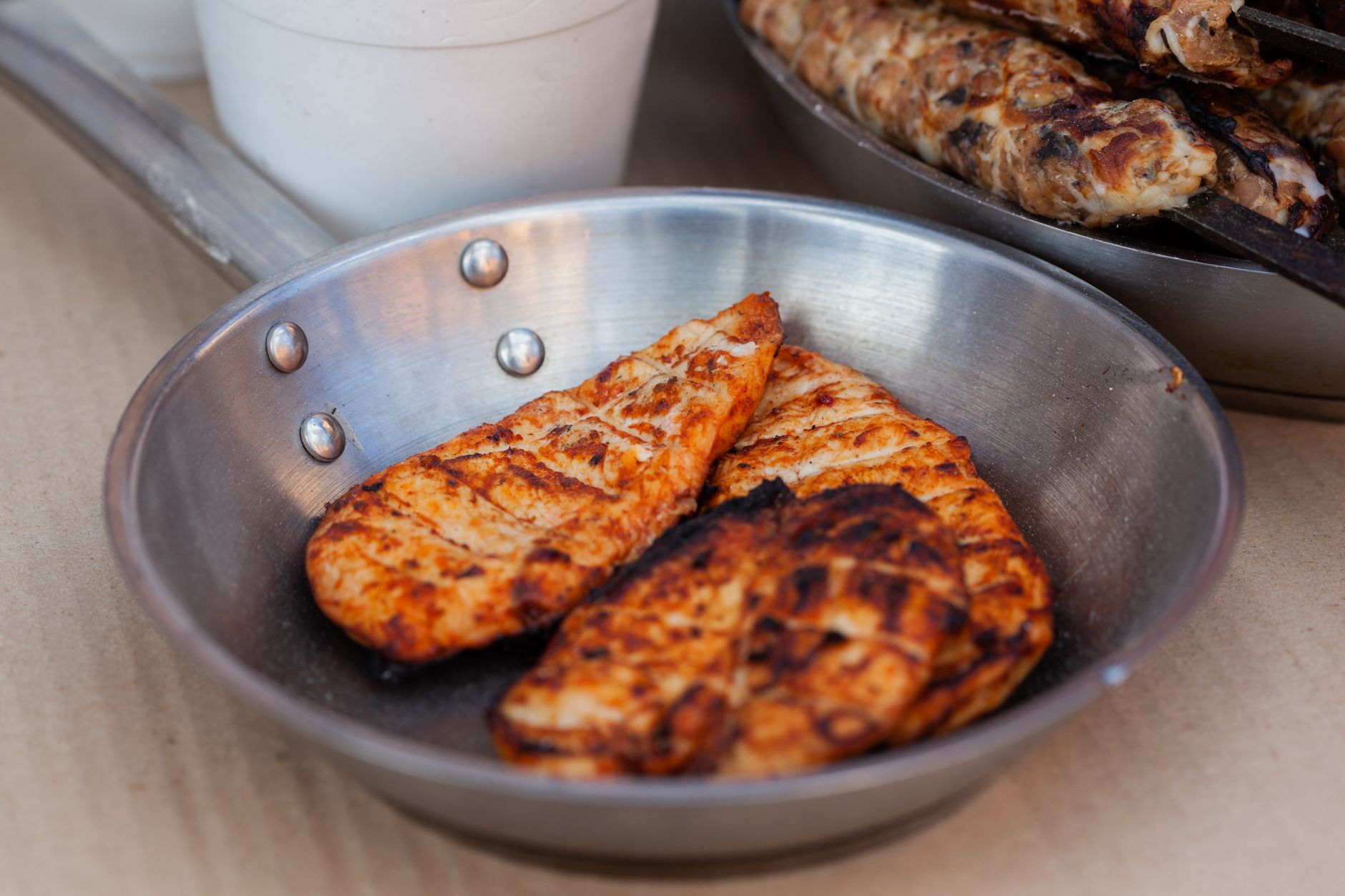
Chicken breast is a popular choice for many due to its versatility, flavor, and protein content. When considering meal planning or dietary needs, understanding the protein content in chicken breast is essential. This article will specifically explore how many grams of protein are found in a 6 oz chicken breast, as well as provide insights into its nutritional value, cooking methods, and tips for incorporating it into your diet.
Whether you are aiming to build muscle, lose weight, or simply maintain a healthy lifestyle, knowing the protein content can help guide your food choices. Let’s delve into the specifics of chicken breast, its preparation options, and practical ways to include it in your meals.
How Many Grams of Protein in 6 Oz Chicken Breast?
A standard 6 oz cooked chicken breast contains approximately 50 to 55 grams of protein. This figure can vary slightly depending on the cooking method and whether any additional ingredients are added. Chicken breast is considered a lean source of protein, which makes it a staple in many diets, especially for athletes and those looking to increase their protein intake.
Nutritional Profile of Chicken Breast
In addition to protein, chicken breast is low in fat and high in essential vitamins and minerals. The nutritional breakdown of a 6 oz cooked chicken breast typically includes:
- Calories: about 280-320
- Protein: 50-55 grams
- Total fat: 5-10 grams
- Saturated fat: 1-3 grams
- Cholesterol: 100-120 mg
- Sodium: approximately 70-90 mg
- Vitamins: B6, B12, niacin (B3), and riboflavin (B2)
- Minerals: phosphorus, selenium, and zinc
This nutritional profile highlights chicken breast as not only a great source of protein but also a valuable contributor to a balanced diet, providing essential nutrients for energy production, muscle repair, and overall health.
Cooking Methods for Chicken Breast
Knowing how to cook chicken breast properly enhances its flavor and maintains its nutritional value. Here are some popular cooking methods:
1. Grilling
Grilling adds a smoky flavor while allowing excess fat to drip away. For best results:
- Preheat the grill to medium-high heat.
- Season the chicken breast with your favorite spices or marinades.
- Grill each side for about 6-8 minutes or until the internal temperature reaches 165°F.
2. Baking
Baking chicken breast is a simple and healthy method. To bake:
- Preheat the oven to 375°F.
- Place the seasoned chicken breast on a baking sheet lined with parchment paper.
- Bake for 25-30 minutes or until the internal temperature reaches 165°F.
3. Sautéing
Sautéing in a pan provides a quick and flavorful meal. Follow these steps:
- Heat a tablespoon of olive oil in a skillet over medium heat.
- Add the chicken breast, cooking for about 5-7 minutes on each side until golden brown and cooked through.
4. Poaching
This method keeps the chicken moist and tender. For poaching:
- Submerge the chicken breast in a pot of simmering water and add herbs for flavor.
- Cook for about 15-20 minutes, ensuring the internal temperature reaches 165°F.
5. Slow Cooking
For those looking for a hands-off approach, slow cooking yields tender and juicy chicken. To slow cook:
- Place the chicken breast in a slow cooker with your favorite sauces or seasonings.
- Cook on low for 4-6 hours or high for 2-3 hours until fully cooked.
Practical Tips for Cooking Chicken Breast
To ensure your chicken breast turns out perfectly every time, consider these practical tips:
- Let chicken breast rest at room temperature for about 15-20 minutes before cooking for even cooking.
- Using a meat thermometer helps to ensure the chicken reaches the correct internal temperature without overcooking.
- Marinating chicken breast for at least 30 minutes or up to overnight enhances flavor and tenderness.
- Slicing against the grain after cooking keeps the meat tender and enjoyable.
Substituting Chicken Breast in Recipes
If you need to substitute chicken breast in a recipe, consider the following alternatives:
- Certain cuts of turkey breast: Similar in protein content and flavor.
- Firm tofu: A great plant-based protein option, though it has a different texture.
- Lean cuts of pork loin: Comparable in protein and cooking methods.
- Seitan: A high-protein meat substitute made from wheat gluten, suitable for various recipes.
Incorporating Chicken Breast into Your Meal Plan
Chicken breast can be incorporated into various meals throughout the day. Here are some ideas:
Breakfast
- Add diced cooked chicken breast to scrambled eggs or omelets.
- Prepare a breakfast burrito with chicken, veggies, and cheese.
Lunch
- Slice cooked chicken breast over a fresh salad.
- Use as a filling for sandwiches or wraps, paired with lettuce and sauces.
Dinner
- Serve grilled chicken breast with steamed vegetables and quinoa for a balanced meal.
- Make a chicken stir-fry with mixed vegetables and terrain brown rice.
Snacks
- Shred leftover chicken breast to add to whole grain crackers as a protein-packed snack.
- Prepare chicken salad using diced chicken, Greek yogurt, and chopped grapes.
Common Mistakes to Avoid
Here are some common pitfalls to avoid when cooking chicken breast:
- Overcooking can lead to dry chicken; always check the internal temperature.
- Skipping the resting period post-cooking can result in juices running out when cut.
- Not seasoning adequately can lead to bland dishes—don’t be shy with herbs and spices!
Storage and Reheating Tips for Chicken Breast
To maximize the shelf life of cooked chicken breast, adhere to the following storage methods:
- Store leftover chicken breast in an airtight container in the refrigerator for up to 3-4 days.
- For longer storage, freeze cooked chicken breast and avoid freezer burn by wrapping it tightly;
- Thaw frozen chicken in the refrigerator overnight and consume within 2-3 days.
When reheating chicken, aim to reach an internal temperature of 165°F to ensure safety. Options for reheating include:
- Microwave: Use medium power and cover the chicken with a damp paper towel.
- Oven: Preheat to 350°F and heat for about 10-15 minutes until warmed through.
- Skillet: Sauté over medium heat with a splash of broth to keep it moist.
The Benefits of Chicken Breast
Incorporating chicken breast into your diet comes with several benefits:
- High protein content supports muscle growth and repair.
- Low fat content makes it suitable for weight management.
- Rich in essential vitamins and minerals promotes overall health.
Conclusion
Understanding the protein content of chicken breast not only aids in meal planning but also supports a balanced and nutritious diet. With about 50-55 grams of protein in a 6 oz serving, chicken breast stands out as a versatile and healthy protein source.
Now that you know the protein content and cooking methods for chicken breast, it’s time to explore further ways to utilize this versatile ingredient. You might enjoy trying a sous vide chicken breast recipe or perhaps some protein-packed brownies for dessert.
For more cooking insights, consider learning how to prepare a delicious sous vide chicken breast or checking out our tasty protein brownies recipe.