
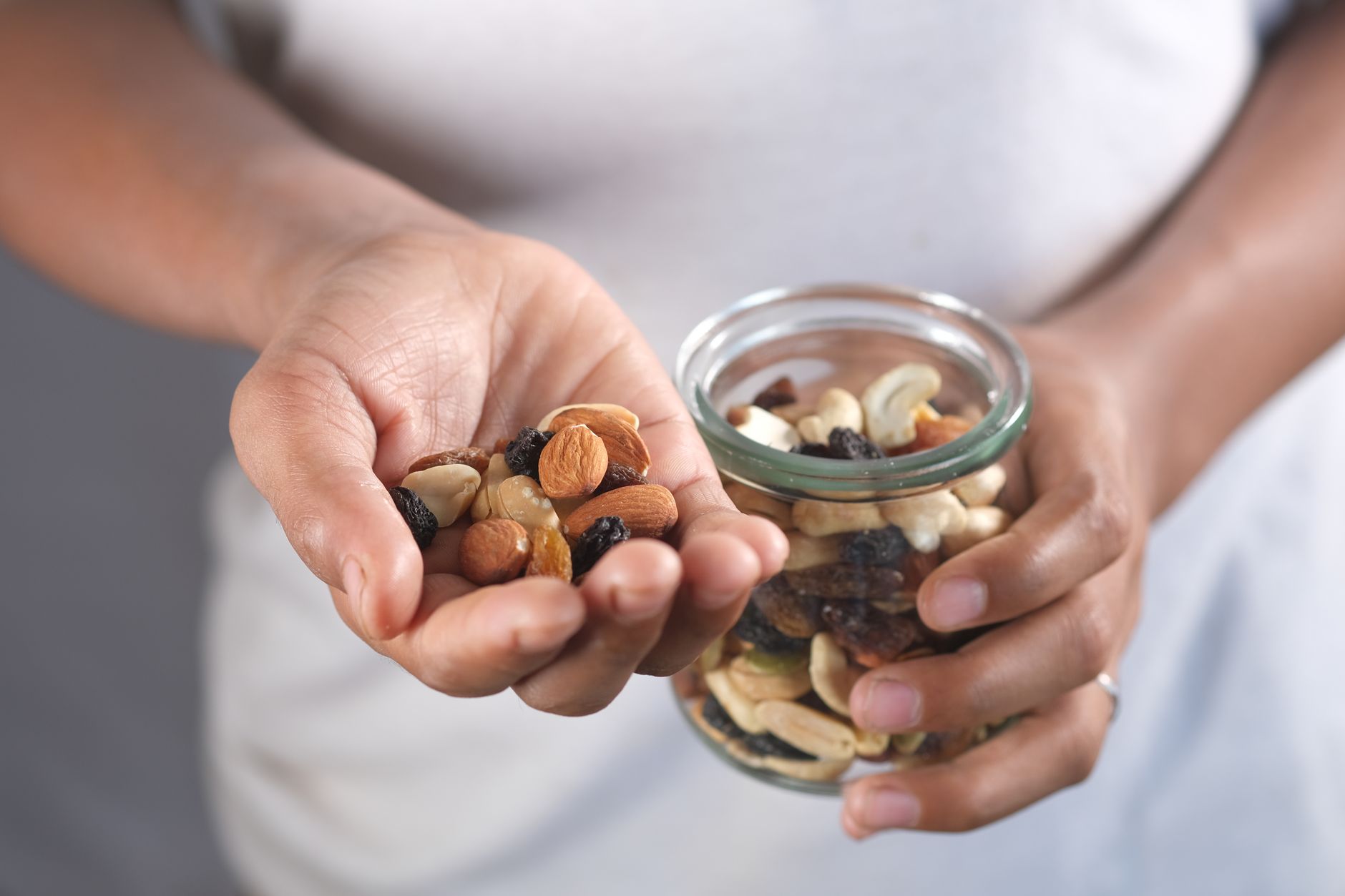
Cashews are a popular nut known for their creamy texture and slightly sweet flavor. They are often enjoyed as a snack, added to various dishes, or used in plant-based recipes. But if you’re incorporating cashews into your diet, a common question arises: how many cashews should you eat a day? Understanding appropriate portions can help you enjoy the benefits of cashews while maintaining a balanced diet.
In this article, we’ll explore the nutritional profile of cashews, recommended daily servings, health benefits, and potential concerns associated with overconsumption. With this information, you can make informed choices about how many cashews to include in your daily intake.
How Many Cashews Should I Eat a Day?
The recommended serving size for cashews is about 1 ounce, which equates to approximately 18 to 20 cashews. This portion provides essential nutrients while helping you manage your calorie intake. For most people, consuming a handful of cashews each day can fit well within a healthy diet.
The Nutritional Profile of Cashews
Cashews are not only tasty but also pack a nutritional punch. Here is a look at their composition:
- Calories: About 157 in a 1-ounce serving
- Protein: Approximately 5 grams
- Fat: Roughly 12 grams (primarily heart-healthy unsaturated fats)
- Carbohydrates: About 9 grams
- Fiber: Around 1 gram
- Vitamins and Minerals: Contains magnesium, phosphorus, copper, and manganese.
These nutrients contribute to various health benefits, including heart health, weight management, and improved metabolic function.
Health Benefits of Consuming Cashews
Regular consumption of cashews as part of a balanced diet offers several potential health benefits, including:
- Heart Health: The healthy fats in cashews can help lower bad cholesterol levels, reducing the risk of heart disease.
- Weight Management: Cashews can promote satiety due to their protein and fat content, potentially helping with weight control.
- Bone Health: The magnesium and phosphorus in cashews are vital for bone strength and density.
- Antioxidant Properties: Cashews contain antioxidants that help combat oxidative stress in the body.
- Blood Sugar Control: The fiber in cashews may help regulate blood sugar levels and prevent spikes.
While cashews are healthy in moderation, overconsumption can lead to unwanted weight gain or other health issues.
Recommended Daily Servings of Cashews
While 1 ounce, or about 18 to 20 cashews, is generally the recommended daily serving size, individual needs can vary based on factors such as age, activity level, and dietary goals. Here are some guidelines to consider:
1. Portion Control
Eating cashews in moderation is key to gaining their health benefits without excessive calorie intake. Stick to the portion of 1 ounce daily, which is sufficient for most individuals.
2. Dietary Needs and Goals
If you are following a calorie-restricted diet for weight loss, you might limit your cashew intake. Conversely, if you require more energy for a physically active lifestyle, increasing your intake moderately can be beneficial.
3. Snacking Alternatives
If you find yourself snacking on cashews frequently, consider incorporating a variety of nuts and seeds into your diet. This variety provides a broader range of nutrients.
Potential Concerns with Overconsumption
Despite their numerous health benefits, there are a few concerns to keep in mind when it comes to eating cashews:
1. High Caloric Content
Cashews are energy-dense, meaning they contain a high number of calories in a small portion. Consuming them in excess can contribute to weight gain if not accounted for in your overall calorie intake.
2. Allergies
Cashew allergies are relatively common and can cause severe reactions in some individuals. If you experience any adverse symptoms after eating cashews, it is essential to seek medical advice.
3. Sodium Intake
Many commercially available cashews are salted or seasoned. Excessive sodium intake can lead to high blood pressure and other health issues. Opting for unsalted or lightly salted varieties can mitigate this concern.
Incorporating Cashews into Your Diet
Cashews are versatile and can be added to various meals and snacks. Here are some practical ways to enjoy cashews:
1. Snacks
A handful of raw or roasted cashews can make an excellent on-the-go snack. Pair them with dried fruit for a balanced trail mix.
2. Salads
Chop roasted cashews and add them to salads for a delightful crunch. They can enhance both flavor and texture.
3. Dishes and Recipes
Cashews can be blended into creamy sauces, added to stir-fries, or used as a topping for various dishes. They also work well in plant-based recipes, offering a dairy-free alternative to cream.
4. Smoothies
Add cashews to smoothies for a creamier texture and additional protein. Soaking them beforehand can further enhance the blendability.
Making Cashew Milk
A popular plant-based alternative to dairy, cashew milk is easy to make at home. Here’s a simple guide:
Ingredients:
- 1 cup raw cashews
- 4 cups water (for blending)
- Optional: Sweeteners like dates or maple syrup, vanilla extract, or a pinch of salt
Essential Equipment:
- Blender
- Nut milk bag or fine strainer
- Airtight container for storage
Instructions:
- Soak the cashews in water for at least 4 hours or overnight.
- Drain and rinse the cashews.
- Add the soaked cashews and 4 cups of fresh water to a blender.
- Blend on high speed until smooth and creamy, about 1-2 minutes.
- If desired, add sweeteners or flavorings during blending.
- Strain the mixture through a nut milk bag or fine strainer into a container.
- Store in the refrigerator for up to 5 days. Shake well before using.
Storage Considerations for Cashews
To keep your cashews fresh and maintain their taste, proper storage is essential. Here’s how to do it:
- Cool, Dry Place: Store cashews in an airtight container at room temperature, away from direct sunlight and moisture.
- Refrigeration: If you live in a warm climate or buy in bulk, consider refrigerating cashews to prolong freshness, ideally in an airtight container.
- Freezing: For long-term storage, cashews can be frozen for up to 6 months. Thaw before use to enjoy their best flavor and texture.
Common Mistakes to Avoid
When it comes to eating cashews, here are some common pitfalls to be wary of:
- Overconsumption: Eating more than the recommended serving can lead to excessive calorie intake.
- Choosing Processed Varieties: Opt for raw or minimally processed cashews over heavily salted or sugar-coated options.
- Neglecting Allergies: Always be cautious if anyone in your household has nut allergies.
Adjusting Cashew Consumption Based on Lifestyle
Based on your lifestyle and health goals, you might adjust your daily cashew intake. For those with active lifestyles, increase your intake to support energy needs. Conversely, for those watching weight or with certain health conditions, maintain or even reduce servings as necessary.
Consulting with a Professional
If you’re unsure of how many cashews to include in your diet, consider consulting a registered dietitian or nutritionist. They can provide personalized guidance based on your unique health profile.
In summary, cashews are a delightful addition to your diet when enjoyed in moderation. With a recommended serving size of about 1 ounce per day, you can reap their nutritional benefits while keeping calorie intake in check. Be mindful of storage, serving sizes, and potential allergies to fully enjoy what cashews have to offer. To expand your culinary horizons, feel free to explore new recipes and cooking techniques.
If you’re interested in discovering more about cashews, check out our article on Is Cashew a Nut? for a deeper understanding. Also, try our Chia Pudding Recipe with Coconut Milk for a delicious and nutritious dessert that you can enjoy any time of day!