
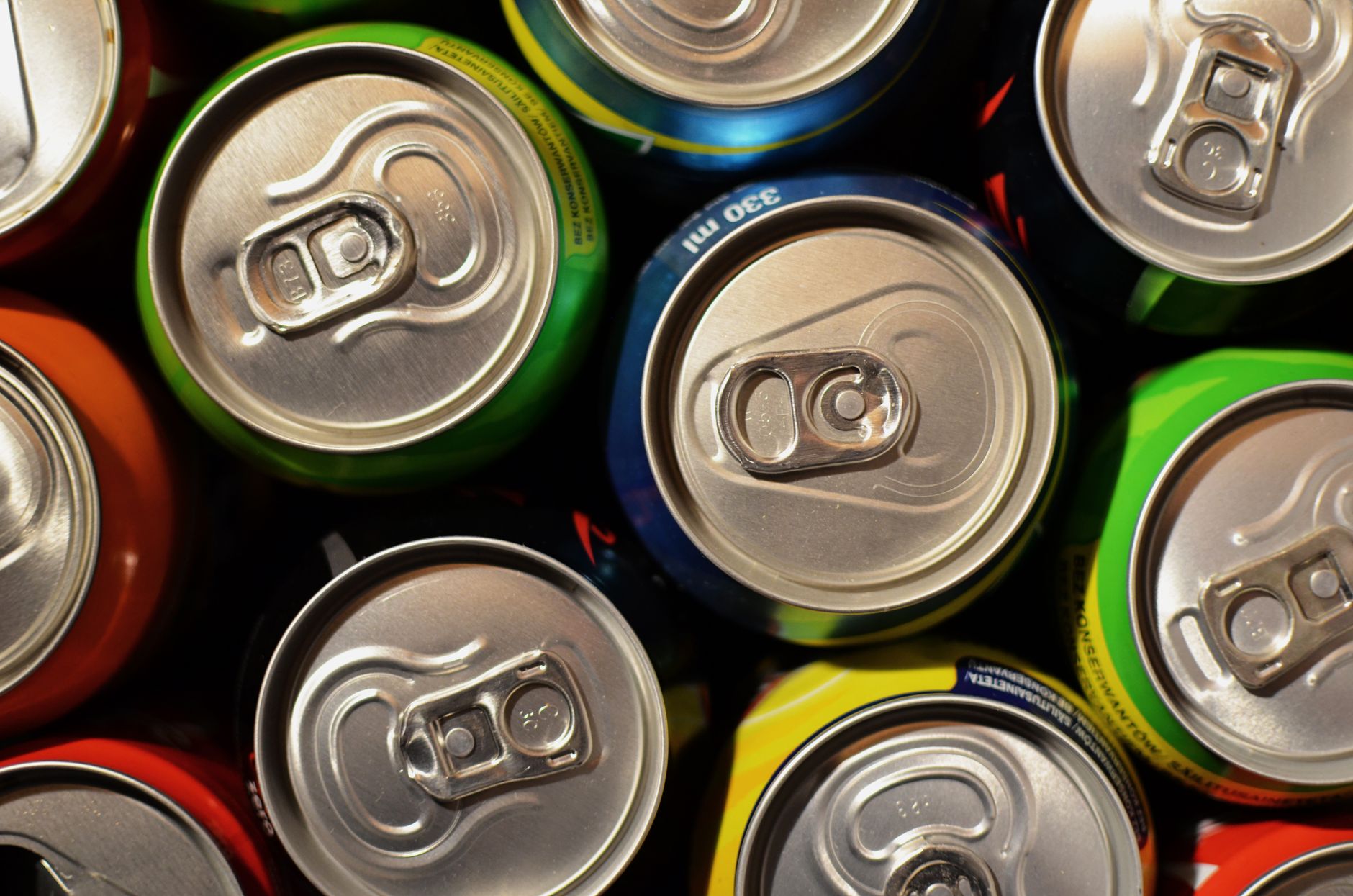
When it comes to enjoying a refreshing can of soda, many people might wonder just how much liquid is actually inside that shiny aluminum container. Understanding the size of a soda can is not only crucial for portion control but also for recipes and other beverage-related calculations. In this guide, we will explore the standard measurement of a soda can, conversions, and some practical tips regarding portion sizes and consumption.
Soda cans come in a variety of sizes and shapes, but the most common one is the 12-ounce can, often simply referred to as a “can of soda.” This article will delve into the reasons behind this standard, as well as how it relates to other measurements and dietary considerations.
How Many Oz Is A Can Of Soda?
A standard can of soda contains 12 ounces, which is approximately 355 milliliters. While there are variations in can sizes, such as mini cans and larger family-sized containers, the 12-ounce can is the most widely used for regular soda consumption.
Understanding Can Sizes
Soda cans are designed to serve various needs, from personal consumption to sharing. Here are the most common soda can sizes:
- 12 Oz Can: The most popular size, ideal for individual servings.
- 8 Oz Can: Often called mini-cans, these are great for smaller servings and portion control.
- 16 Oz Can: A common size for energy drinks and larger sodas, often intended for single servings.
- 20 Oz Bottle: While not a can, this is a popular size for sodas sold in convenience and grocery stores.
- Aluminum Pints: Less common, these cans hold 16 or 19.2 ounces and are often used for craft beverages.
Conversions and Measuring Tips
Understanding how to convert ounces to other measurements can help in several situations, such as cooking and nutrition tracking. Here are some basic conversions:
| Ounces | Milliliters | Cups |
|---|---|---|
| 1 oz | 30 ml | 0.125 cups |
| 12 oz (standard can) | 355 ml | 1.5 cups |
| 16 oz | 473 ml | 2 cups |
| 32 oz | 946 ml | – |
When cooking or preparing drinks, it’s essential to have the right measurement tools. Using a liquid measuring cup with milliliters and ounces marked can make this process simpler, especially if you’re converting recipes or managing beverage servings during an event.
Practical Tips for Portion Control
Understanding the amount of soda consumed is important for managing sugar and calorie intake. Here are some useful tips for portion control:
- Know Your Limits: Being aware of the sugar content in a 12 oz can of soda can help with moderation. Most regular sodas contain around 30-40 grams of sugar, which is significant when compared to recommended daily allowances.
- Opt for Smaller Sizes: Consider choosing the mini 8 oz cans for a satisfying drink without overdoing it.
- Mix It Up: Combine smaller amounts of soda with sparkling water to create a more refreshing beverage with fewer calories and sugar.
- Use Reusable Cups: Pour sodas into reusable cups to better manage how much you’re drinking throughout the day.
Flavor Profiles and Beverage Types
Soda comes in a wide variety of flavors and types, each offering a unique taste experience. Here are some common types of soda:
- Cola: Sweet, caramel-like flavor, usually featuring caffeine.
- Fruit Flavored: Varieties like orange, grape, and lemon-lime are popular among all age groups.
- Diet Sodas: These contain artificial sweeteners and fewer calories but still provide a similar taste experience.
- Craft Beverages: Many newer brands are emerging with unique blends and flavor profiles, often using natural ingredients.
Understanding these flavors can help when creating mixed drinks or pairing sodas with meals. Each type brings its own characteristics that can compliment or clash with various food options.
Dietary Considerations
As consumers become more health-conscious, dietary restrictions and preferences have led to the development of various soda options, including:
- Zero Sugar: Brands have created options without sugar for those monitoring their caloric intake.
- Natural Sodas: Made with real sugar or natural sweeteners, these beverages appeal to health-focused consumers.
- Flavored Sparkling Waters: These offer soda-like fizz with lower or no sugar and calories, catering to those wanting carbonation without the sugar overload.
Common Mistakes When Measuring or Consuming Soda
Here are some common pitfalls that people encounter when dealing with soda measurements and consumption:
- Ignoring Serving Sizes: Many people underestimate how quickly a few cans add up in terms of sugar and calories.
- Assuming All Cans Are the Same Size: With so many varieties available, it’s easy to mistakenly pour more than intended.
- Neglecting Label Information: Always check the nutritional information on the label to know what you’re consuming.
Storage and Serving Suggestions
Knowing how to store soda is key to maintaining its flavor and carbonation. Here are some guidelines:
- Keep It Cool: Soda is best stored in a cool place, ideally in the refrigerator. Warm temperatures can affect taste and carbonation.
- Avoid Sunlight: Exposure to light can change the flavor of soda, so keep cans in a dark place when storing.
- Resealing Tips: If you open a can and don’t finish it, covering it with a can top or transferring to a sealed container can help preserve carbonation.
Alternatives to Soda
If you’re considering reducing soda intake, there are plenty of refreshing alternatives:
- Infused Water: Add fruits, herbs, or spices to water for a flavorful and hydrating option without added sugars.
- Herbal Teas: Many herbal teas can be served cold and offer diverse flavors, often providing a caffeine-free option.
- Cold Brew Coffee: For those still looking for caffeine, cold brew can be a delicious choice without the sugar of traditional sodas.
Conclusion and Next Steps
Understanding how many ounces are in a soda can and knowing the various options available can greatly enhance your beverage experience. Whether you’re conscious of your sugar intake, experimenting with flavors, or simply enjoying a refreshing drink, being informed allows for better choices.
For further exploration of related recipes, cooking tips, or food guides, consider checking out some of our other articles, such as information on beer can sizes in Bud Light can sizes or understanding the unique qualities of drinks in Alani cans. Enjoy your next refreshing beverage!