
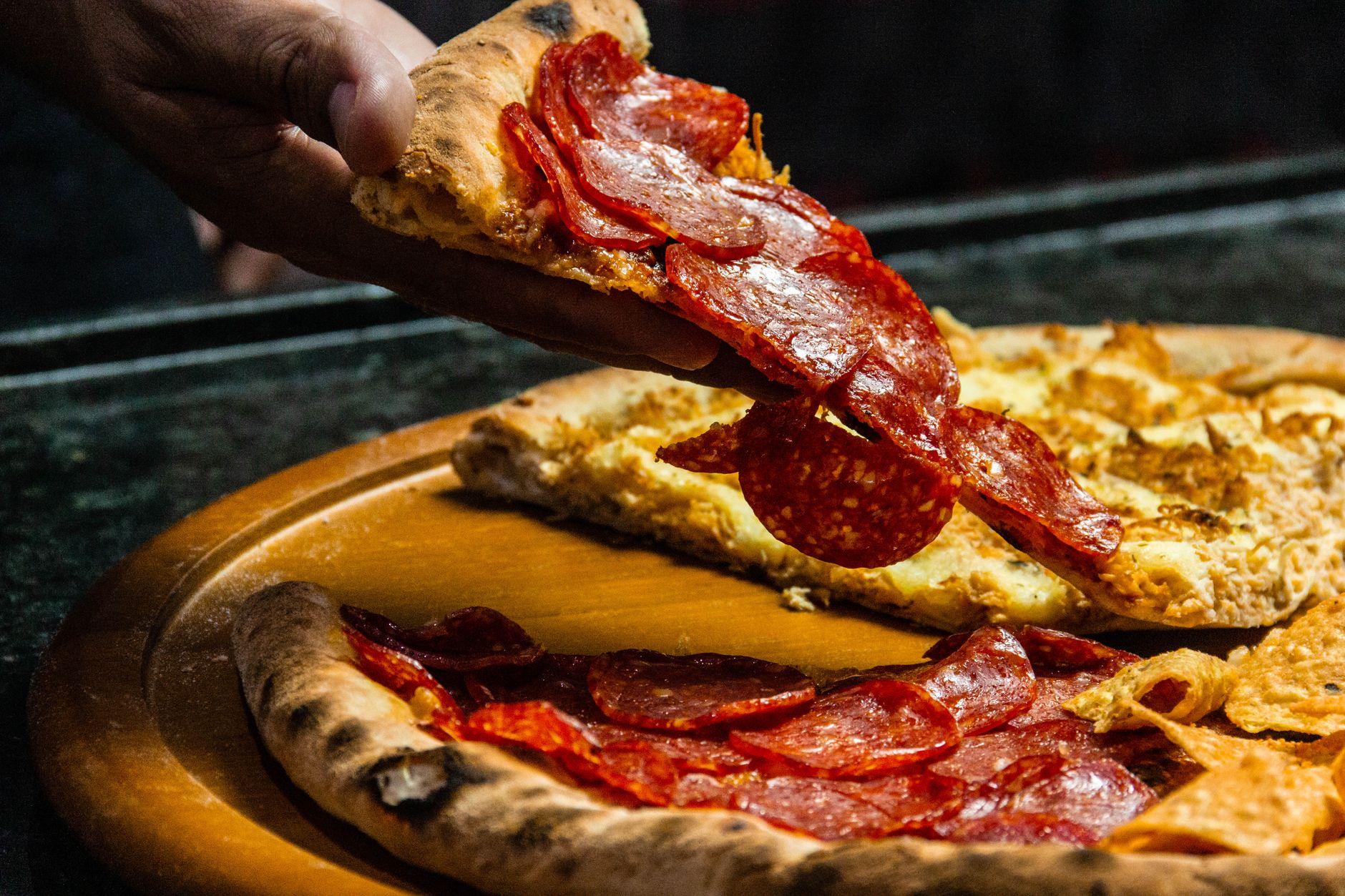
Pizza is a beloved dish enjoyed by many around the world, but if you are counting carbohydrates for dietary reasons, you might wonder about its carb content. This article will delve into how many carbs are in pizza, addressing various types of pizza, portion sizes, and nutritional value.
Understanding the carbohydrate content can help you make informed choices, whether you’re indulging in a slice during a night out or preparing a healthier homemade version. We’ll explore different crust options, toppings, and their impact on total carb counts to guide your pizza enjoyment.
How Many Carbs Are in Pizza?
The carbohydrate content of pizza varies significantly based on the crust type, toppings, and serving size. On average, a standard slice of cheese pizza contains about 25 to 30 grams of carbohydrates. However, this can increase or decrease depending on the thickness of the crust and the ingredients used. For a more accurate understanding, let’s break down the components of pizza.
Types of Pizza Crust and Their Carb Content
The crust is one of pizza’s main components, and its type greatly influences the overall carbohydrate content. Here are some common crust options:
1. Traditional Wheat Crust
A traditional hand-tossed pizza crust is typically made with all-purpose flour. A single slice usually contains:
- Carbohydrates: 25-30 grams
- Fiber: 1-2 grams
- Sugars: 1 gram
For a whole 14-inch pizza, you can expect approximately 150-180 grams of carbs.
2. Thin Crust
A thin crust pizza generally has less dough, resulting in fewer carbs. A slice of thin crust typically contains:
- Carbohydrates: 20-25 grams
- Fiber: 1 gram
- Sugars: 1 gram
A whole thin crust pizza has around 120-150 grams of carbohydrates.
3. Deep-Dish Crust
Deep-dish pizzas are thicker and often have a buttery crust. This type can significantly increase carb content:
- Carbohydrates: 35-40 grams per slice
- Fiber: 1-3 grams
- Sugars: 1-2 grams
A full deep-dish pizza can contain upwards of 200-250 grams of carbohydrates.
4. Cauliflower Crust
For those seeking lower-carb options, cauliflower crust is becoming increasingly popular. A slice usually contains:
- Carbohydrates: 5-10 grams
- Fiber: 2-3 grams
- Sugars: 1-2 grams
A complete cauliflower crust pizza has around 20-40 grams of carbohydrates.
5. Gluten-Free Crust
Gluten-free crusts vary significantly among brands and recipes, but they generally have a moderate carbohydrate content:
- Carbohydrates: 25-30 grams per slice
- Fiber: 1-2 grams
- Sugars: 1-2 grams
A gluten-free pizza might contain 150-180 grams for the whole pie.
6. Whole Wheat Crust
Whole wheat crusts provide more fiber than traditional crusts and can be a healthier option, though they still contain carbs:
- Carbohydrates: 24-28 grams per slice
- Fiber: 3-4 grams
- Sugars: 1-2 grams
Expect around 140-160 grams of carbohydrates for an entire pizza.
Toppings and Their Impact on Carbohydrates
The type of toppings you choose can also affect the carbohydrate content of your pizza, though they typically have a minor influence compared to the crust. Here is a breakdown of how specific toppings can contribute to the total carb count:
1. Cheese
Cheese contributes protein and fat, with minimal carbohydrates:
- Carbohydrates: 1-2 grams per ounce
2. Pepperoni
A classic topping, pepperoni adds flavor and fats but minimal carbs:
- Carbohydrates: 0 grams per slice (1-2 pieces)
3. Vegetables
Vegetable toppings like bell peppers, onions, and mushrooms add nutritional value with low carbs:
- Carbohydrates: 1-3 grams per serving
4. Sauces
Sauces can vary based on whether they incorporate added sugars or not:
- Tomato sauce: 2-4 grams per serving
- Pesto: 1-2 grams per serving
- Barbecue sauce: 6-8 grams per serving
5. Meat Toppings
Meat toppings like sausage or bacon add flavor and fat without significantly increasing carbs:
- Carbohydrates: 0-1 gram per serving
Example Carb Counts for Popular Pizzas
To give you a better understanding, here are some approximate carbohydrate values for popular types of pizza:
| Pizza Type | Carbohydrates per Slice | Whole Pie Carbohydrates |
|---|---|---|
| Cheese Pizza (Traditional) | 25-30g | 150-180g |
| Pepperoni Pizza (Traditional) | 26-32g | 160-200g |
| Margherita Pizza | 24-28g | 140-160g |
| Hawaiian Pizza | 28-34g | 170-210g |
| Thin Crust Cheese | 20-25g | 120-150g |
| Deep-Dish Cheese | 35-40g | 200-250g |
| Cauliflower Crust Cheese | 5-10g | 20-40g |
Portion Control and Serving Sizes
When monitoring carbohydrate intake, portion control becomes crucial. A standard restaurant or pizzeria slice typically averages around 1/8th of a 14-inch pizza. Home-cooked pizzas may vary, with larger slices sometimes being cut from a smaller pie.
For those counting carbs, consider keeping track of the number of slices consumed. It’s easy to overestimate serving sizes, especially when enjoying pizza at social gatherings.
Nutrition of Pizza: Beyond Carbs
While carbohydrates are an essential part of the nutritional profile, pizza also encompasses fats, proteins, vitamins, and minerals. Here’s a general breakdown of nutrients found in a typical slice of cheese pizza:
- Calories: 200-300
- Protein: 10-12 grams
- Fats: 8-12 grams
- Fiber: 1-2 grams
This nutrient composition can vary widely based on toppings, cheese, and the dough used. For instance, pizzas loaded with vegetables may increase fiber and nutrient density, while overloaded meat or extra cheese options would increase fats and calories.
Healthy Pizza Options: Making Informed Choices
If you’re looking to reduce carb intake while still enjoying pizza, consider these tactical choices:
1. Opt for a Cauliflower or Whole Wheat Crust
These alternatives provide lower carbohydrate counts and often include more fiber, which can improve satiety.
2. Load up on Vegetables
Fresh vegetables not only add flavor and texture but also lower the overall calorie density of your pizza, helping you feel fuller.
3. Choose Lean Proteins
Substituting high-fat meats with lean options like grilled chicken or turkey can reduce total fat and calorie counts.
4. Limit Added Sugars in Sauces
Be mindful of sauces that may contain added sugars. Opt for traditional tomato sauce, which typically has lower sugar content compared to barbecue or other specialty sauces.
5. Practice Portion Control
When ordering out, ask for smaller sizes or share pizzas among friends to effectively manage carb intake without feeling deprived.
Common Mistakes and Troubleshooting
When it comes to tracking carbohydrate intake, here are some common mistakes to avoid:
- Ignoring Hidden Carbs: Be aware that certain ingredients, such as sauces and crust types, can contain more carbohydrates than anticipated.
- Underestimating Portion Sizes: Remember that larger slices or thicker crusts significantly increase carb content; measure if needed.
- Assuming All Pizzas Are Created Equal: Compare nutritional information across different restaurants or homemade options as they can vary greatly.
Storage and Reheating Suggestions
If you have leftover pizza, proper storage and reheating can maintain its quality:
- Let the pizza cool completely before storing it in an airtight container or wrapping it securely.
- Refrigerate leftovers to keep them fresh for 3-4 days.
- For reheating, use an oven at 375°F (190°C) for about 10-15 minutes or until heated through for the best texture. Alternatively, reheating in a skillet can restore crispness.
Conclusion
Understanding the carbohydrate content in pizza is key for anyone monitoring their carb intake. With options ranging from traditional crusts to innovative alternatives like cauliflower crust, pizza can still fit into various dietary choices. Always consider portion sizes and topping choices to help manage your carbohydrate consumption effectively while enjoying this favorite dish.
If you’re looking for delicious alternatives or variations, explore our pizza bowl recipe for a creative twist or try our chicken bacon ranch pizza recipe for a flavor-packed alternative. Happy pizza eating!