
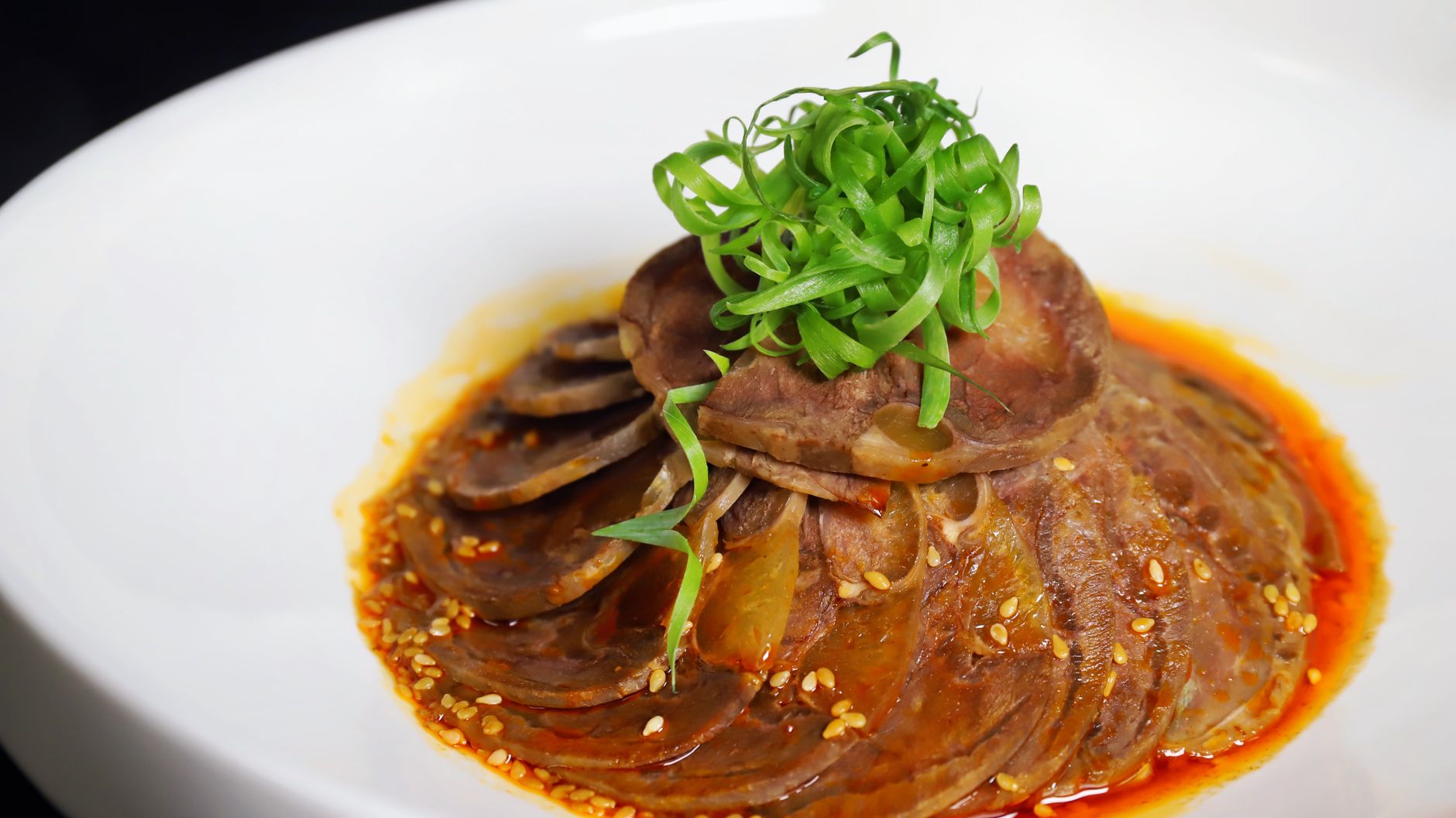
Beef tongue, a lesser-known cut of meat, has garnered attention for its unique flavor and texture, but many people wonder if it is good for their health. It is rich in nutrients and can be a delicious addition to various dishes. However, understanding its benefits alongside potential drawbacks is crucial when considering it in your diet.
This article will explore the nutritional profile of beef tongue, its benefits and drawbacks, recommended portions, and ways to incorporate it into your meals. By the end, you will have a comprehensive understanding of whether beef tongue is a good fit for your dietary preferences.
Is Beef Tongue Good for You?
Yes, beef tongue can be good for you when consumed in moderation. It is packed with essential nutrients, including protein, vitamins, and minerals. However, it is also rich in fat and cholesterol, so it’s important to enjoy it as part of a balanced diet.
Nutritional Composition of Beef Tongue
Beef tongue is often considered a delicacy and is known for its tender texture and rich flavor. Here’s a breakdown of its nutritional components:
- Protein: Beef tongue is an excellent source of protein, providing about 25 grams per 3-ounce serving. Protein is essential for muscle growth, repair, and overall body function.
- Fat: This cut contains approximately 20 grams of fat, with about 8 grams being saturated fat. While some fat is necessary for a healthy diet, watching intake is important for heart health.
- Vitamins: Beef tongue is high in several B vitamins, including B12 (essential for nerve function and DNA synthesis), B6, niacin, and riboflavin.
- Minerals: It is a great source of important minerals like zinc, iron, and selenium. Zinc supports immune function, iron is crucial for oxygen transport in the blood, and selenium plays a role in thyroid function.
Health Benefits of Beef Tongue
Including beef tongue in your diet may offer several health benefits due to its nutritional composition:
1. High in Protein
The high protein content in beef tongue makes it an excellent option for muscle-building and recovery. Athletes and those looking to increase their protein intake can benefit from incorporating this cut into their diets.
2. Nutrient-Rich
With its rich vitamin B and mineral content, beef tongue can contribute to a well-rounded diet. B vitamins help convert food into energy, while minerals like zinc and iron support various bodily functions.
3. Flavorful and Versatile
When cooked properly, beef tongue offers a unique flavor profile that pairs well with a variety of cuisines. Whether braised, smoked, or served in tacos, it provides culinary versatility.
Potential Drawbacks
While beef tongue has its advantages, being aware of potential drawbacks is equally important:
1. High in Fat and Cholesterol
Beef tongue is relatively high in saturated fat and cholesterol, which may not be suitable for individuals with certain health conditions, such as high cholesterol or heart disease. Moderation is key.
2. Preparation Time
Cooking beef tongue can be time-consuming. It requires proper preparation and cooking techniques to make it tender and palatable, which may deter some cooks.
Recommended Portions of Beef Tongue
Considering the nutritional content, it’s important to manage portion sizes. A typical serving size for beef tongue is about 3 ounces. This portion allows you to enjoy its rich flavor without overindulging in fat and calories.
For reference, a 3-ounce serving of beef tongue includes:
- About 190 calories
- 25 grams of protein
- 20 grams of fat
- 50 mg of cholesterol
How to Prepare and Cook Beef Tongue
Cooking beef tongue can be as straightforward or as intricate as you desire. Here’s a general overview of how to prepare and cook beef tongue:
Cleaning
It’s essential to clean beef tongue. Rinse it under cold running water and remove any visible dirt.
Cooking Methods
Beef tongue can be cooked using various methods, such as boiling, braising, or smoking. Below is a basic boiling method:
Boiling Beef Tongue
This method creates a tender and flavorful tongue ready for slicing or using in other recipes.
Ingredients:
- 1 beef tongue
- Water (enough to cover the tongue)
- 1 onion, quartered
- 2 cloves garlic, crushed
- 1 bay leaf
- Salt and pepper to taste
Equipment Needed:
- Large pot
- Slotted spoon
- Cutting board
- Sharp knife
Instructions:
- Place the beef tongue in a large pot and cover it with water.
- Add the onion, garlic, bay leaf, salt, and pepper.
- Bring the water to a boil, then reduce the heat and simmer for about 2.5 to 3 hours, or until tender. Skim off any foam that rises to the surface.
- Once cooked, remove the tongue from the pot and let it cool slightly.
- Peel off the outer skin; it should come off easily. Slice the tongue into desired portions.
- Serve warm or cool, depending on your preference.
Incorporating Beef Tongue into Your Meals
Beef tongue can be enjoyed in various preparations, making it a versatile ingredient. Here are some popular methods of incorporating it into your meals:
1. Tacos de Lengua
Tacos de lengua are a favorite in Mexican cuisine. Thinly sliced beef tongue is warmed and served in soft corn tortillas, accompanied by onions, cilantro, and salsa.
2. Beef Tongue Sandwich
Create a flavorful sandwich by layering sliced beef tongue with pickles, mustard, and cheese on rye or sourdough bread. This combination offers a hearty lunch option.
3. Soups and Stews
Beef tongue can add depth to soups and stews. Add bite-sized pieces of cooked tongue to your favorite broth or chunky vegetable soup for a delicious twist.
4. Cold Plates
Serve thinly sliced beef tongue cold on a charcuterie board with cheeses, nuts, and fruits. It pairs well with a variety of accompaniments.
Common Mistakes to Avoid
When preparing beef tongue, here are some common mistakes to watch out for:
1. Not Removing the Skin
For the best texture and flavor, be sure to peel off the outer layer after cooking. The skin can be tough and unpleasant to eat.
2. Overcooking
While it’s essential to cook beef tongue until tender, overcooking it can lead to a dry texture. Monitor cooking time and check for tenderness periodically.
3. Lack of Seasoning
Beef tongue can be rich in flavor but may require proper seasoning to enhance its taste. Don’t hesitate to include herbs and spices in your cooking process.
Storage and Reheating
Proper storage and reheating will ensure that your cooked beef tongue stays safe and flavorful:
Storing Cooked Beef Tongue
After cooking, let the beef tongue cool completely. Store it in an airtight container in the refrigerator for up to 3 to 4 days. For longer storage, consider freezing it for up to 3 months.
Reheating
To reheat cooked beef tongue, gently warm it in a skillet over low heat or steam it until heated through. Avoid reheating at high temperatures to prevent drying it out.
Beef Tongue in Different Cuisines
Beef tongue appears in a variety of culinary traditions around the world, showcasing its versatility. Here are some examples:
1. Mexican Cuisine
In Mexico, beef tongue (lengua) is celebrated in dishes like tacos de lengua and is often braised in rich spices.
2. Eastern European Cuisine
In countries such as Poland and Russia, beef tongue may be served cold with horseradish or in elaborate salads.
3. Jewish Cuisine
Beef tongue has a long-standing tradition in Jewish cooking, often served as a delicacy at festive meals or on bagels.
Conclusion
Beef tongue can be a nutritious and flavorful addition to your diet when prepared and consumed thoughtfully. Its richness in protein, vitamins, and minerals complements a balanced meal plan, though moderation is key due to its high fat content. With various cooking methods and recipe ideas, beef tongue offers culinary diversity and intrigue.
To explore related recipes and cooking tips, check out how long ground beef is good for in the fridge or try making your own beef stew seasoning!