
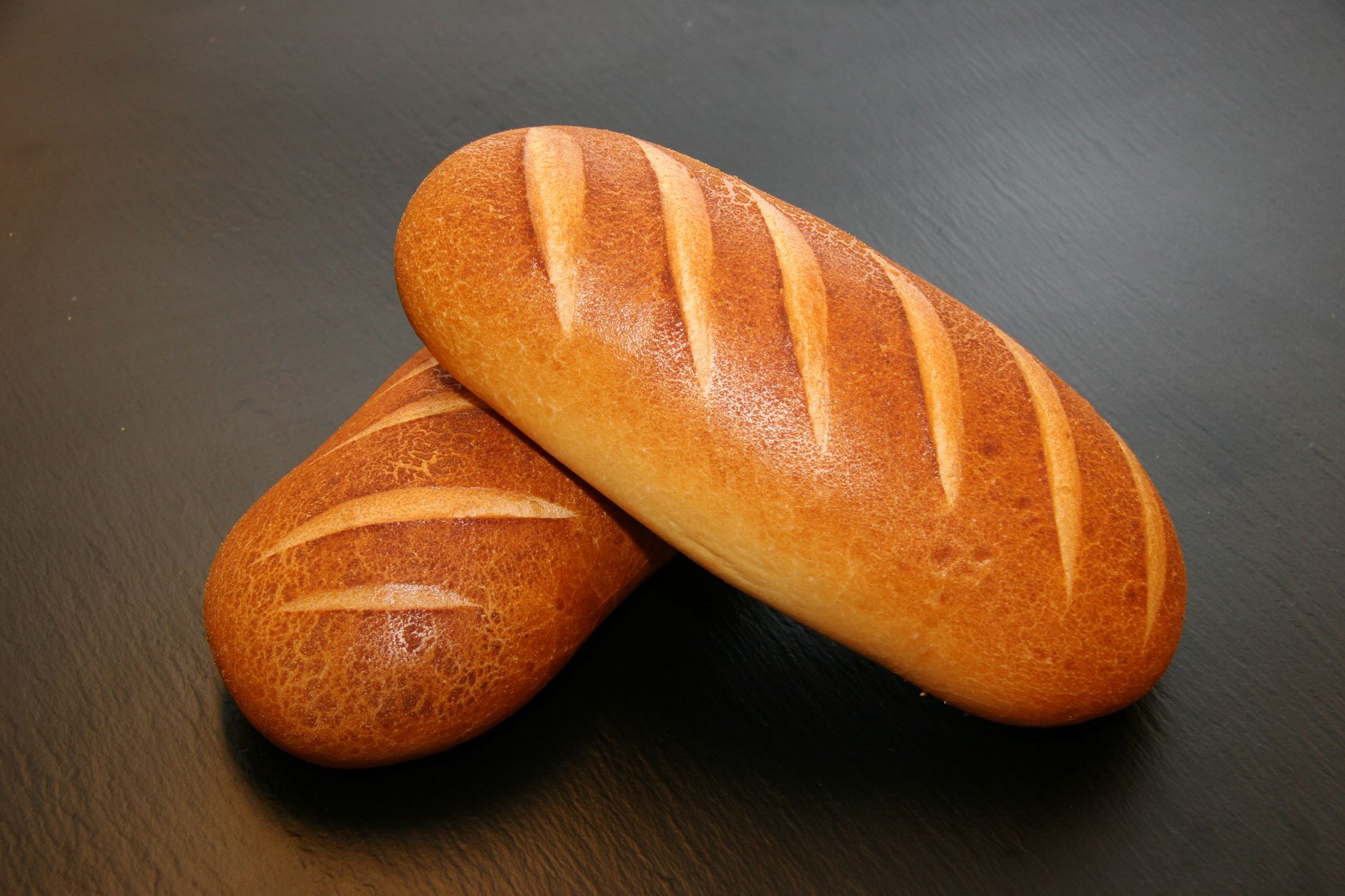
Baking bread at home can be both an art and a science. Understanding the ideal temperature for different types of bread when they are done baking is crucial for achieving that perfect crust and texture. This guide will help you navigate the complexities of bread doneness and ensure your baked goods turn out just right every time.
We’ll cover the specific temperatures for various types of bread, tips on using a thermometer, indicators of doneness without one, and troubleshooting common issues. By mastering these techniques, you’ll elevate your home baking skills and enjoy delicious, homemade bread.
Bread Temp When Done: What Is the Ideal Temperature for Bread?
The ideal internal temperature for most types of bread when done baking is around 190°F to 210°F (88°C to 99°C). However, different types of bread can vary slightly in their ideal temperature. For example, lean breads and artisan loaves typically reach around 200°F (93°C), while enriched breads, such as brioche or challah, are better at around 190°F (88°C).
Why Temperature Matters in Baking Bread
The temperature inside your loaf is critical for determining texture, crust formation, and the overall flavor. Here’s why temperature is important:
- Crust Formation: Bread develops its crust through the Maillard reaction, which occurs at higher temperatures. This reaction creates the beautiful golden-brown color and adds flavor.
- Texture: The internal temperature affects moisture evaporation, which influences the bread’s final texture. The higher the temperature, within reason, the drier the crumb tends to be.
- Flavor Development: Proper baking temperatures enhance the flavor by allowing the bread to develop complex tastes as it cooks.
Measuring Bread Temperature
Using a reliable food thermometer is the best way to ensure your bread is baked to the correct internal temperature. Here are some essential tips for using a thermometer effectively:
- Use an Instant-Read Thermometer: An instant-read thermometer provides quick results and helps you avoid opening the oven door too often.
- Insert Correctly: Insert the thermometer into the center of the loaf, avoiding touching the bottom of the pan. This can give a false reading.
- Remove from Oven: Once the loaf reaches the desired temperature, remove it from the oven immediately for best results.
Indicators of Doneness Without a Thermometer
If you don’t have a thermometer on hand, you can still check whether your bread is done using these methods:
- Color: A golden-brown crust indicates that the bread is likely finished. Darker loaves will need an even deeper color.
- Sound: When you knock on the bottom of the loaf, it should produce a hollow sound.
- Texture: The crust should feel firm to the touch, whereas the internal crumb should feel springy.
Differentiating Between Bread Types
Understanding the specific temperature each type of bread should reach is essential. Let’s look at some common varieties:
1. Lean Breads
Lean breads include baguettes and ciabatta. These typically achieve their perfect doneness at:
- Ideal Temp: 200°F to 210°F (93°C to 99°C)
2. Enriched Breads
Enriched breads contain additional fats, sugars, or eggs, such as brioche or challah. They achieve doneness at:
- Ideal Temp: 190°F to 200°F (88°C to 93°C)
3. Whole Wheat & Grain Breads
These breads typically need slightly higher temperatures to ensure they are baked through properly:
- Ideal Temp: 200°F to 210°F (93°C to 99°C)
4. Sourdough Breads
Sourdough has unique characteristics due to its natural fermentation, and it often requires higher temperatures:
- Ideal Temp: 205°F to 210°F (96°C to 99°C)
Baking Techniques Impacting Doneness
How you bake bread can also influence the internal temperature:
- Oven Preheating: Ensure your oven is fully preheated to avoid inconsistent baking.
- Baking Stone vs. Baking Sheet: A baking stone retains heat better than a sheet pan, helping achieve a crisper crust and may influence the final temperature.
- Steam Bakes: Using steam in the first part of the baking process helps achieve a better rise and crust. This can affect the overall time and temperature control.
Common Mistakes and Troubleshooting
Even the best bakers can make mistakes. Here are some common issues and how to remedy them:
1. Overbaking or Underbaking
Overbaked bread will create a dry and crusty exterior, while underbaked bread may be gummy. Tips:
- Keep an Eye on Time: Start checking your bread about 5-10 minutes before the expected bake time.
- Use a Thermometer: This removes uncertainty regarding doneness.
2. Uneven Baking
Sometimes, bread can bake unevenly due to hot spots in the oven.
- Rotate Breads: Halfway through baking, rotate breads to distribute heat more evenly.
- Use a Baking Stone: As mentioned earlier, it can help with even heat distribution.
3. Checking Bread Too Often
Opening the oven door too frequently can lower the temperature and alter baking conditions.:
- Limit Openings: Check once at the halfway mark, and again towards the end.
How to Cool Baked Bread Properly
It’s important to cool bread properly after baking to ensure the best flavor and texture:
- Cool on a Rack: Always transfer your bread to a wire cooling rack. This prevents moisture build-up on the bottom, which could make the crust soggy.
- Let it Rest: Allow the bread to cool for at least 30 minutes before slicing. This allows the crumb structure to set.
Storage Options for Baked Bread
Once your bread has cooled, proper storage will help maintain its freshness:
- Room Temperature: Store in a bread box or wrapped in a cotton cloth for up to three days.
- Freezing: If not eating within a few days, slice the bread, wrap it tightly in plastic wrap and aluminum foil, and store in the freezer. This preserves freshness for up to three months.
Variations and Substitutions for Bread Recipes
Many bakers like to experiment with flavors and textures. Here’s how different ingredients can affect the baking process:
1. Whole Grain Flours
When substituting whole wheat flour for white flour, expect denser bread and adjust hydration levels. You may need to add more liquid to maintain the right consistency.
2. Alternative Sweeteners
Honey and maple syrup can be used instead of granulated sugar, but note that liquid sweeteners might require you to decrease other liquids in the recipe.
3. Dairy-Free Options
Non-dairy milks can be substituted for regular milk, and yogurt can be replaced with plant-based yogurt for enriched breads.
4. Gluten-Free Recipes
Moving to a gluten-free flour mix often requires adjustments in hydration and usually includes binders like xanthan gum for proper structure.
Conclusion
Mastering the ideal bread temperature when done will transform your baking results, ensuring flavorful, perfectly baked loaves every time. Knowing how to understand and measure doneness, as well as recognizing variations among different types of breads, is a step toward bread-baking success.
If you’re eager to continue your baking journey, consider trying out some recipes like Honey Wheat Bread or Einkorn Sourdough Bread. These recipes will challenge your skills and strengthen your understanding of bread baking!