
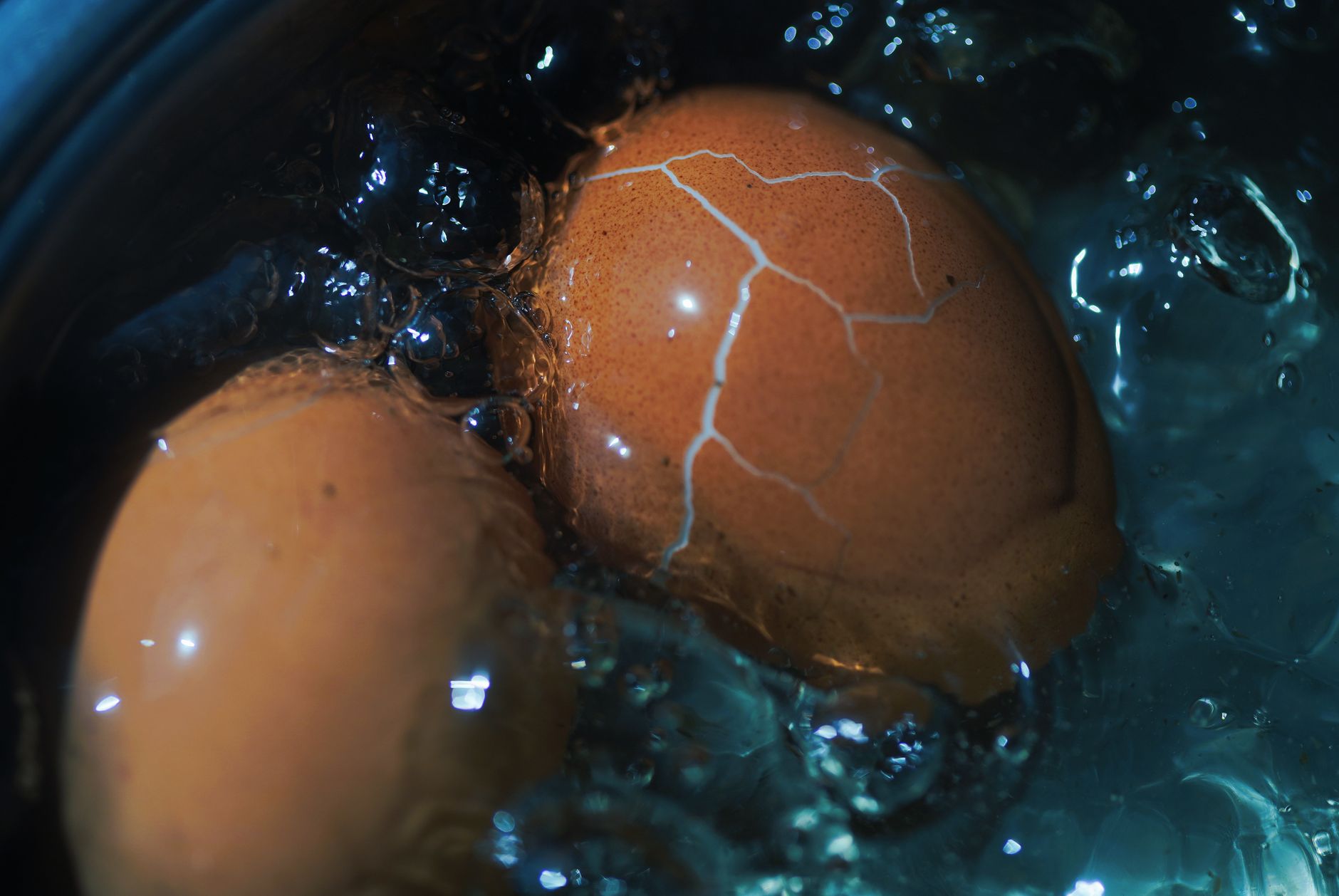
Boiling eggs is a fundamental cooking skill that can yield various results depending on the desired doneness. Whether you crave a soft-boiled egg, a hard-boiled egg for salads, or perfectly cooked eggs for breakfast, the cooking time will vary significantly. In this guide, we will explore how long it takes to boil eggs, techniques for achieving your preferred doneness, and tips for success.
Understanding the process and science behind boiling eggs will help you master this simple task. We will cover cooking times, methods, and troubleshooting tips to ensure you get consistent results every time you prepare boiled eggs.
How Long Do It Take to Boil Eggs?
The time it takes to boil an egg depends on how you want the yolk to be cooked. Typically, soft-boiled eggs take about 4 to 6 minutes, while hard-boiled eggs require approximately 9 to 12 minutes. These cooking times ensure the desired texture and doneness.
Factors Affecting Boiling Time
Several factors can influence the boiling time of eggs, including:
- Egg Size: Larger eggs may require slightly more time than standard large eggs.
- Temperature: Starting with room temperature eggs or cold eggs straight from the fridge affects cooking time. Room temperature eggs cook faster.
- Altitude: At higher altitudes, water boils at lower temperatures, potentially extending cooking times.
- Cooking Method: The technique used to boil the eggs can also impact timing.
The Perfect Boil: Steps and Timing
Soft-Boiled Eggs
For a soft-boiled egg with a runny yolk, follow these steps:
- Place eggs in a single layer in a saucepan and fill with enough water to cover them by about an inch.
- Bring the water to a boil over medium-high heat.
- Once boiling, reduce heat to maintain a gentle simmer and set a timer for:
- 4 minutes for a very soft yolk
- 5 to 6 minutes for a slightly firmer but still runny yolk
- When the timer goes off, immediately transfer the eggs to an ice bath for at least 5 minutes to stop the cooking process.
Hard-Boiled Eggs
For hard-boiled eggs, use the following method:
- Place the eggs in a single layer in a saucepan and cover with cold water.
- Bring the water to a rapid boil over medium-high heat.
- Once boiling, reduce heat to low and simmer for:
- 9 minutes for creamy, fully cooked yolks
- 10 to 12 minutes for fully cooked but slightly rubbery yolks
- After cooking, promptly transfer the eggs to an ice bath for 5 to 10 minutes.
Equipment and Tools Needed
To boil eggs effectively, keep these tools handy:
- Pot or saucepan with a lid
- Slotted spoon
- Ice bath (bowl filled with ice and water)
- Kitchen timer or stopwatch
Common Mistakes to Avoid
Avoiding these common pitfalls can help you achieve perfect boiled eggs:
- Overcrowding the pot: Cooking too many eggs at once may lead to uneven cooking.
- Skipping the ice bath: Failing to cool the eggs immediately can lead to overcooking and green rings around the yolks.
- Using old eggs: Fresh eggs are more challenging to peel and may result in subpar results.
Tips for Easy Peeling
Peeled eggs can sometimes be a challenge, especially if they are fresh. Here are some tips for easier peeling:
- Use older eggs, which tend to peel more easily.
- Shock the eggs in an ice bath after boiling to create steam and separate the membrane from the shell.
- Crack the egg all over before peeling it under running water to help dislodge small bits of shell.
Egg Storage
Proper egg storage is essential for freshness and safety:
- Store raw eggs in the refrigerator for up to 3 weeks.
- Hard-boiled eggs can be stored in the fridge for up to one week.
- Keep unpeeled hard-boiled eggs in their shells for the freshest taste.
Variations and Uses for Boiled Eggs
Boiled eggs are versatile and can be used in many dishes:
- Salads: Chopped hard-boiled eggs can add protein to green salads or pasta salads.
- Breakfast: Serve soft-boiled eggs with toast soldiers for a classic breakfast.
- Deviled Eggs: Mix the yolks with mayonnaise, mustard, and spices for a popular appetizer.
- Bowl Meals: Add sliced boiled eggs to grain bowls for a nutritious boost.
Troubleshooting Common Issues
Even experienced cooks can encounter issues when boiling eggs. Here are some common problems and solutions:
- Green Rings Around Yolks: This occurs from overcooking. To avoid, strictly adhere to cooking times and use an ice bath.
- Broken Shells: If eggs crack while boiling, they may be too cold. Let them sit at room temperature for a few minutes before cooking.
- Hard to Peel: This can occur with fresh eggs. Opt for slightly older eggs or follow the peeling tips mentioned above.
Conclusion
Boiling eggs is a straightforward process that can lead to various delicious results. By understanding timing, techniques, and handling tips, you can make perfectly boiled eggs for any meal of the day. Experiment with the cooking times and methods to find the texture that suits your taste.
For more food tips and cooking guides, you may find useful information on how long to boil asparagus or learn about egg storage to keep your eggs fresh. Enjoy your cooking adventures!