
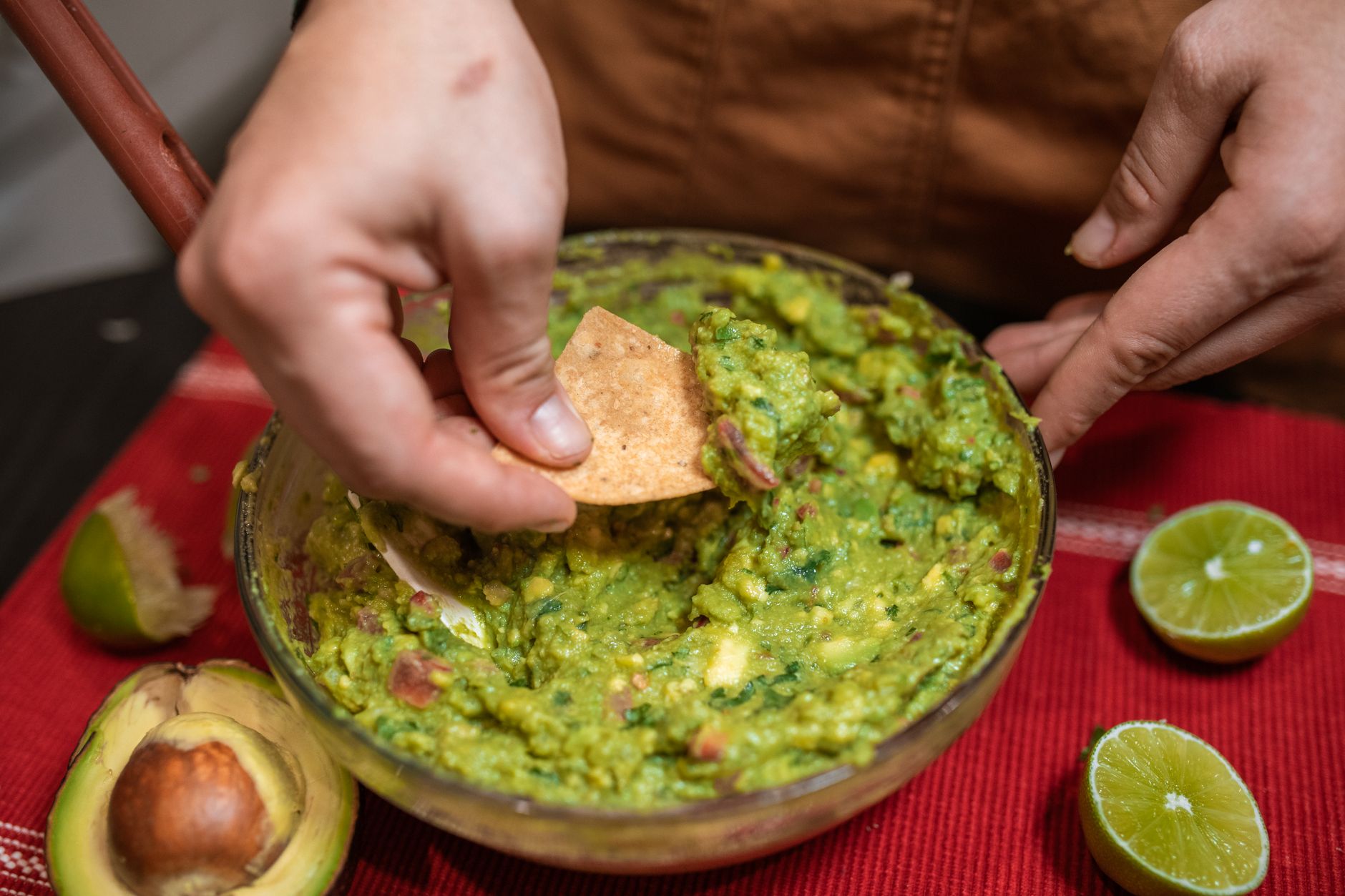
Guacamole is a popular dip made primarily from avocados, known for its creamy texture and rich flavor. Many enjoy it as a topping for tacos, a spread on sandwiches, or simply as a dip for tortilla chips. But with its increasing popularity comes the question: is guacamole healthy for you?
This article delves into the nutritional value of guacamole, its key ingredients, health benefits, portion control, and some delicious variations. By understanding its properties, you can make informed decisions about including it in your diet.
Is Guacamole Healthy for You?
Yes, guacamole can be healthy for you, provided it is consumed in moderation. Made primarily from avocados, it contains healthy fats, vitamins, and minerals. However, the overall healthiness can be affected by additional ingredients, such as salt and sour cream, and portion size.
Understanding Guacamole: Ingredients and Nutrition
Guacamole is most commonly made from ripe avocados, but various recipes may include additional ingredients like lime juice, tomatoes, garlic, onion, cilantro, and spices. Here, we break down the nutritional components and health benefits of its primary ingredient: the avocado.
Avocado: The Star Ingredient
- Healthy Fats: Avocados are rich in monounsaturated fats, which are beneficial for heart health. These fats can help lower bad cholesterol levels.
- Vitamins and Minerals: Avocados are a good source of vitamins C, E, K, and B-6, as well as potassium and magnesium, which are crucial for various bodily functions.
- Fiber: One avocado contains about 10 grams of fiber, aiding in digestion and contributing to feelings of fullness.
- Antioxidants: Avocados contain antioxidants like lutein and zeaxanthin, which are beneficial for eye health.
Nutritional Breakdown of Guacamole
While the specific nutritional content of guacamole can vary based on the recipe, the following is a general breakdown for a standard serving (about 1/4 cup) of plain guacamole:
- Calories: ~100
- Fat: ~9 grams
- Saturated Fat: ~1.5 grams
- Carbohydrates: ~6 grams
- Fiber: ~2 grams
- Sugar: ~1 gram
- Protein: ~1 gram
Health Benefits of Guacamole
Aside from being delicious, guacamole offers several health benefits that make it a worthy addition to your diet:
- Heart Health: The monounsaturated fats in avocados can help reduce the risk of heart disease by improving cholesterol levels.
- Weight Management: Due to its high fiber and fat content, guacamole can promote satiety, helping you to feel full longer and potentially aiding in weight management.
- Improved Digestion: The fiber in avocados supports digestive health, promoting regular bowel movements.
- Potential Anti-Inflammatory Effects: The antioxidants present in avocados may help reduce inflammation in the body.
- Enhanced Nutrient Absorption: Eating avocados can increase the absorption of fat-soluble vitamins (like vitamins A, D, E, and K) from other foods.
Portion Control: How Much Guacamole Can You Eat?
While guacamole is healthy, portion control is important. The high fat content, though heart-healthy, also means that it can be calorie-dense. A good rule of thumb is to limit your serving size to about 1/4 cup, which is approximately 100 calories. This portion can easily accompany a healthy meal without excessive calorie intake.
Common Add-Ins and Their Effects on Nutrition
Many recipes for guacamole include additional ingredients that can alter its nutritional profile. Here’s a look at common add-ins and how they influence health:
Tomatoes
Adding diced tomatoes increases the vitamin C content and adds antioxidants. However, be cautious with the overall amount to keep the calorie count in check.
Onion
Onions add flavor and can enhance the immune-boosting properties of guacamole due to their antibacterial and anti-inflammatory compounds. Use fresh onions for the best health benefits.
Garlic
Garlic not only contributes flavor but also has been linked to various health benefits, including improved heart health and antimicrobial properties.
Spices
Traditional spices such as cumin or chili powder can add flavor without significantly impacting calorie content. Spicing up your guacamole can also increase its appeal.
Healthy Variations of Guacamole
If you’re looking to add a twist to your guacamole while keeping it healthy, consider trying some of these variations:
- Mango Guacamole: Add diced ripe mango for a touch of sweetness, rich in vitamins A and C.
- Spicy Jalapeño Guacamole: Add chopped jalapeños or a dash of hot sauce for a kick; just be careful with the quantity to suit your heat tolerance.
- Herbed Guacamole: Mix in fresh herbs like basil or dill for a different flavor profile.
- Greek Yogurt Guacamole: Replace some of the avocado with non-fat Greek yogurt for increased protein without compromising creaminess.
- Lime and Cilantro Guacamole: Elevate the fresh flavor with lime juice and chopped cilantro for a refreshing twist.
Common Guacamole Mistakes and How to Avoid Them
While preparing guacamole, avoid common pitfalls that can ruin your dish:
- Using Unripe Avocados: Ripe avocados are essential for creamy guacamole. Gently squeeze avocados; they should yield slightly to pressure.
- Over-Mixing: For textural variety, avoid over-mixing your guacamole. You want it to maintain some chunks instead of becoming completely smooth.
- Neglecting Lime Juice: Lime juice not only adds flavor but also helps prevent browning. Don’t skip this essential ingredient!
- Not Storing Properly: If you have leftovers, cover guacamole with plastic wrap pushed directly against the surface to minimize oxidation and browning.
Storage Tips for Guacamole
Though fresh guacamole is best consumed immediately, leftovers can be stored to enjoy later:
- Transfer guacamole to an airtight container.
- Press plastic wrap directly onto the surface of the guacamole before sealing the container. This helps prevent discoloration.
- Refrigerate and consume within 1-2 days for the best flavor and freshness.
Healthy Pairings with Guacamole
Pair guacamole with healthy options to enhance your snacking experience:
- Veggies: Use sliced cucumbers, carrots, or bell peppers for a nutritious dip option.
- Whole Grain Crackers: Opt for whole-grain options for extra fiber.
- Salads: Use guacamole as a salad dressing alternative or a topping for added creaminess.
Conclusion
Guacamole is not only a delicious addition to your meals but also a nutritious option when enjoyed in moderation. Loaded with healthy fats, essential vitamins, and minerals, it provides numerous health benefits. Be mindful of portion sizes and ingredient choices, and you can indulge guilt-free!
For further exploration of healthy recipes, try your hand at making a delicious chia pudding with coconut milk or whip up some avocado bread for a delightful breakfast. Check out these recipes for more culinary inspiration: chia pudding and avocado bread.