
Understanding food safety is essential for anyone involved in food preparation, whether at home or in a professional kitchen. One important concept in food safety is “FAT TOM,” an acronym that outlines the six conditions that allow bacteria to thrive. By knowing what FAT TOM stands for, you can take necessary precautions to prevent foodborne illnesses.
The six components of FAT TOM are: Food, Acidity, Time, Temperature, Oxygen, and Moisture. Each factor plays a crucial role in the growth of pathogens and spoilage organisms in food. This article will explore each element in detail to help you become more knowledgeable about food safety practices.
What Does Fat Tom Stand For?
FAT TOM stands for Food, Acidity, Time, Temperature, Oxygen, and Moisture. These factors are critical for understanding and controlling the growth of bacteria and pathogens in food.
Understanding Each Component of FAT TOM
Food
The first component of FAT TOM is Food. Bacteria need nutrients to grow, and food provides them with the necessary environment. Foods that are high in protein, such as meat, fish, dairy products, and eggs, are particularly susceptible to bacterial growth. Additionally, cooked pasta and rice are other examples of favorable environments for bacteria.
Acidity
Acidity refers to the pH level of food. Most pathogens thrive in a neutral to slightly acidic environment, with a pH of 4.6 to 7.0 being optimal. Foods such as meats, seafood, and dairy typically fall into this range. Conversely, highly acidic foods, like vinegar or citrus fruits, inhibit bacterial growth. Understanding the pH levels of various foods can help in determining how long they can be stored safely and whether they should be refrigerated or cooked.
Time
Time is another critical variable in the FAT TOM acronym. Bacteria can grow rapidly when food is left at unsafe temperatures. Specifically, the “danger zone” for bacteria is between 40°F and 140°F (4°C – 60°C). It’s essential to minimize the time food spends in this temperature range. Ideally, food should not be left out for more than two hours, and less than one hour if the ambient temperature is above 90°F (32°C).
Temperature
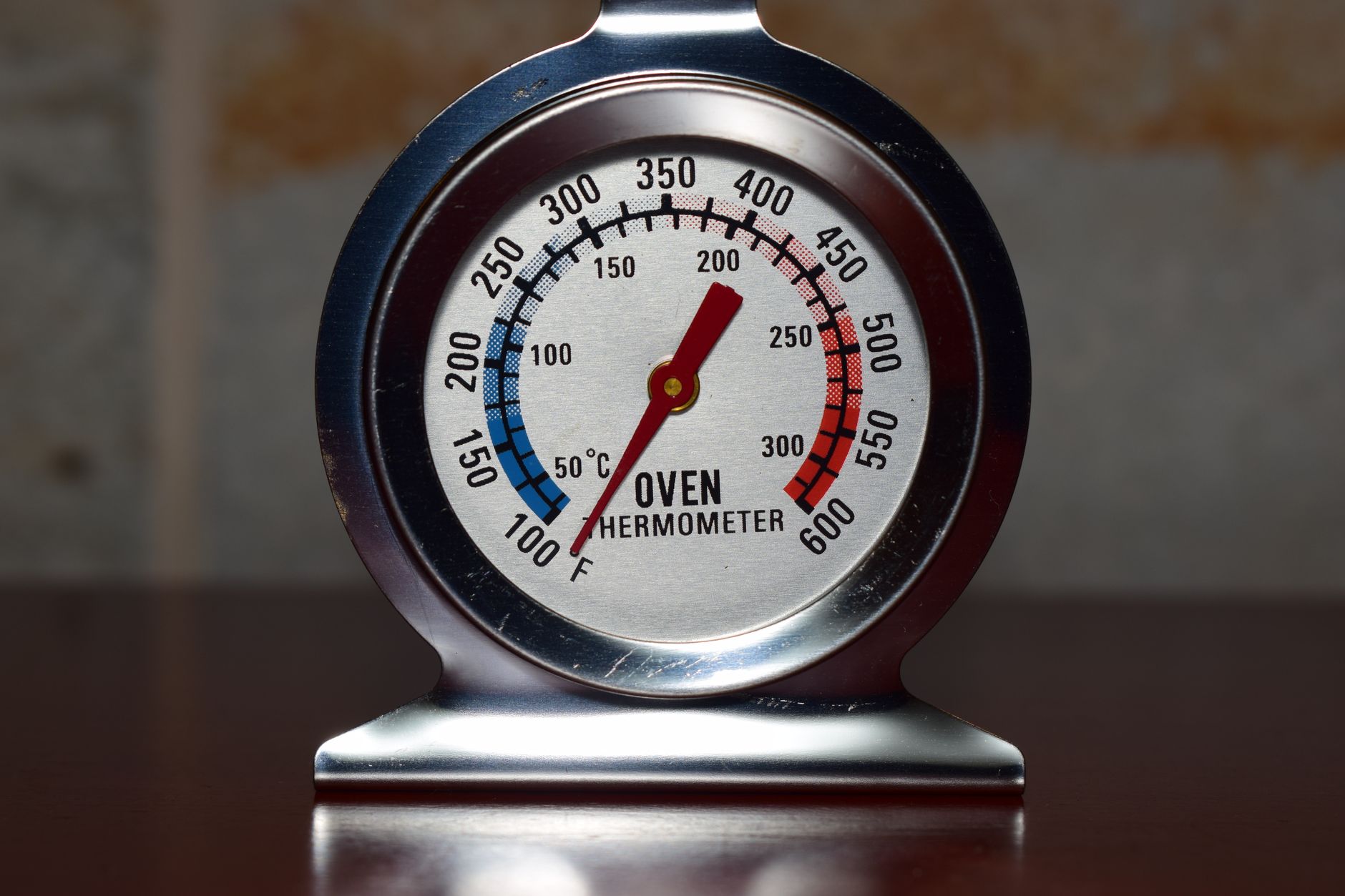
Temperature management is pivotal in food safety. Cooking food to a safe internal temperature kills most pathogens. Using a food thermometer ensures that meat, poultry, and seafood reach the appropriate cooking temperatures. For example, poultry should be cooked to a minimum of 165°F (74°C), ground meats should reach at least 160°F (71°C), and fish should be cooked to 145°F (63°C). Additionally, keeping food hot (above 140°F/60°C) or cold (below 40°F/4°C) can help keep bacteria at bay.
Oxygen
Oxygen is another factor that influences bacterial growth. While many bacteria require oxygen to thrive, others can grow in anaerobic (absence of oxygen) conditions, such as in vacuum-sealed packaging or improperly canned foods. Understanding this component can guide proper storage methods that limit oxygen exposure, thus reducing the risk of bacterial growth.
Moisture
The final element of FAT TOM is Moisture, which is essential for bacterial growth. The water activity (aw) level indicates the moisture available for bacteria. Foods with high moisture levels, such as meats and dairy products, are more susceptible to spoilage. Reducing food moisture through drying, dehydrating, or cooking can help inhibit bacteria growth. Foods with lower water activity, such as honey or dry grains, are less likely to support bacterial life.
How to Control FAT TOM Factors in Food Safety
Practice Proper Food Storage
- Ensure that your refrigerator is set to 40°F (4°C) or lower to keep foods fresh and safe.
- Store raw meats on the bottom shelf of the refrigerator to prevent juices from contaminating other foods.
- Use airtight containers to limit oxygen exposure and maintain moisture levels.
Cook Food Thoroughly
Cooking food to the recommended temperatures helps eliminate harmful bacteria. Always use a food thermometer to measure food’s internal temperature. Here are some critical cooking guidelines:
- Cook ground meats to 160°F (71°C).
- Poultry should reach a minimum internal temperature of 165°F (74°C).
- Fish should be cooked to 145°F (63°C).
Avoid Time in the Danger Zone
- Keep food refrigerated when not in use.
- Use timers when preparing food to alert you if it has sat out for too long.
Monitor Acidity Levels
For home canning and preserving, it’s crucial to understand the acidity of your foods. Foods with a pH level below 4.6 should be pickled or pressure canned to ensure their safety. You can use laboratory-grade pH strips or meters to test acidity levels.
Maintain Proper Hygiene
- Always wash your hands before and after handling food.
- Sanitize surfaces and utensils to avoid cross-contamination.
- Keep raw and cooked foods separate to minimize risks.
Common Misconceptions About FAT TOM
Bacteria Can’t Grow in Cold Temperatures
Many people believe that bacteria cannot grow in cold temperatures. While refrigeration slows down bacterial growth, it does not eliminate it entirely. It’s essential to still adhere to best practices for food storage and keep perishable items refrigerated until they are ready to be cooked or served.
You Can Tell If Food Is Safe by Its Appearance or Smell
Another misconception is that food is safe if it looks and smells fine. However, many harmful bacteria do not significantly change the appearance, texture, or smell of food. It’s safer to rely on food temperature and storage guidelines rather than sensory evaluation.
Practical Applications of FAT TOM in Food Preparation
Understanding FAT TOM can help in various scenarios, including meal prep, catering, and daily cooking. Here are tips for practical applications:
Meal Planning and Prepping
- Plan meals that utilize similar ingredients to reduce waste.
- Prepare and portion foods in individual servings to minimize time spent in the danger zone.
- Store prepared foods in airtight containers to control moisture and oxygen levels.
Catering and Large-Scale Cooking
For large events or catering services, manage FAT TOM factors by:
- Cooking foods in small batches to ensure proper temperatures.
- Using transport containers that can maintain temperature, such as insulated carriers.
- Setting up food stations to serve food immediately to guests.
Baking Considerations
FAT TOM is also relevant in baking. Ingredients like eggs and dairy products can be potential sources of pathogens. Ensure proper handling and cooking of baked goods to safe temperatures, and always keep ingredients refrigerated before use. To maintain moisture, baked goods can be stored in airtight containers.
Storage and Reheating Guidelines
Storing leftovers properly is vital to food safety. Here are specific guidelines:
- Refrigerate leftovers within two hours of cooking.
- Consume leftovers within three to four days. If unsure, freeze them for later use.
- When reheating food, ensure it reaches 165°F (74°C) to destroy any lingering bacteria.
Conclusion
Understanding FAT TOM is key for anyone interested in food safety. Each component—Food, Acidity, Time, Temperature, Oxygen, and Moisture—plays a crucial role in the growth of bacteria and pathogens. By controlling these factors, you can significantly reduce the risk of foodborne illnesses.
For practical applications, consider how FAT TOM affects both home cooking and professional kitchen environments. Whether you’re meal prepping, catering, or simply cooking at home, implementing these guidelines can promote safe and enjoyable food experiences.
Explore more about food safety by checking out what FAT TOM stands for and how long other cooked foods, like ground beef, are safe in the fridge at cooked ground beef storage.