
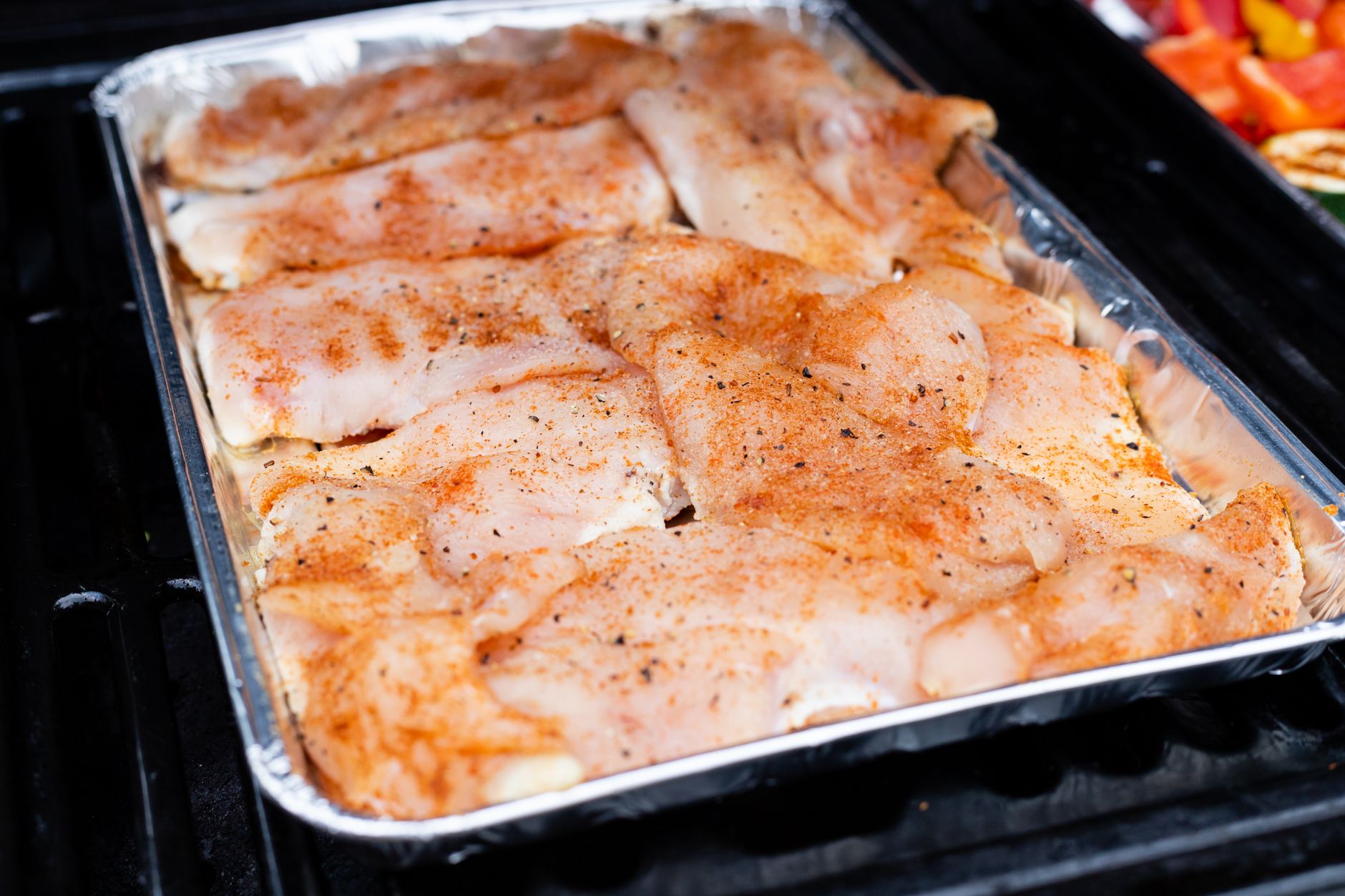
Marinating chicken is a fantastic way to enhance its flavor and tenderness. But how long can you marinate chicken without compromising its quality or safety? Finding the right balance of marinating time can significantly impact your culinary results and overall enjoyment of the dish. This guide aims to provide you with clear information about marinating chicken, including the ideal duration based on different types of marinades and chicken cuts.
In this article, you’ll discover the optimal marinating times for chicken, tips for choosing the right marinade, and essential guidelines for food safety. Understanding these factors will help you prepare delicious, juicy chicken every time you cook.
How Long Can I Marinate Chicken?
The time you should marinate chicken depends on the marinade composition and the specific cut of chicken. Generally, chicken can be safely marinated for anywhere between 30 minutes to 24 hours. For more precise recommendations, consider the components of your marinade and the type of chicken you are working with.
Marinating Chicken: A Breakdown of Time
To make the most of your marinade, it’s essential to understand how the marinating process affects chicken over time. Below is a guideline for different marinating durations based on chicken cuts and marinade types:
- Chicken Breasts: 30 minutes to 2 hours for acidic marinades (like citrus or vinegar), up to 24 hours for yogurt or non-acidic marinades.
- Chicken Thighs and Drumsticks: 1 to 4 hours is ideal for acidic marinades; these cuts can be marinated for up to 24 hours in milder marinades.
- Whole Chicken: Marinate for 4 to 12 hours in acidic marinades; up to 24 hours for milder ones.
- Breaded Chicken (like Chicken Parmesan): 30 minutes to 2 hours in a marinade that enhances flavor. Avoid long marination times, as it may cause the breading to become soggy.
Short Marinating Times: 30 Minutes to 2 Hours
Short marinating periods are ideal for chicken breasts and thin cuts. Here, the primary goal is to infuse flavor without rendering the texture too mushy. Acidic marinades, which include ingredients like vinegar or lemon juice, can effectively tenderize the chicken while adding a burst of flavor.
Moderate Marinating Times: 2 to 4 Hours
For chicken thighs or drumsticks, a moderate marinating period of 2 to 4 hours allows for a deeper penetration of flavors. The richness of these cuts benefits from the additional time, making the chicken more flavorful.
Long Marinating Times: 12 to 24 Hours
Long marinating times apply primarily to whole chickens or in situations where a non-acidic marinade is used, like yogurt-based or herb-infused options. These marinades can work effectively to tenderize the meat and create a more complex flavor profile over time. However, it’s crucial not to exceed 24 hours, as the texture may start to break down excessively, resulting in a mushy consistency.
Choosing the Right Marinade
The type of marinade you choose greatly influences how long you should marinate your chicken. Marinades can be broadly categorized into three types: acidic, enzymatic, and non-acidic.
Acidic Marinades
Common ingredients include vinegar, citrus juices, and wine. These ingredients quickly tenderize chicken, making them suitable for shorter marinating times. The acidity helps break down the meat fibers, enhancing flavor and tenderness.
Enzymatic Marinades
Enzymatic marinades utilize ingredients like pineapple, papaya, or ginger, which contain natural enzymes that tenderize proteins. These marinades are potent so they should also be used for shorter periods, usually no more than 2 hours.
Non-Acidic Marinades
Using yogurt, buttermilk, or sour cream results in a creamy and milder marinade. These can be safely used for longer marinating periods, up to 24 hours, giving time for flavors to develop without overly tenderizing the meat.
Important Food Safety Guidelines
Safe food handling practices are vital when marinating chicken. Follow these guidelines to ensure your chicken stays safe and free from harmful bacteria:
- Always use a clean container: Avoid using metal containers, as acidic marinades can react with them. Instead, opt for glass, ceramic, or food-safe plastic.
- Keep it cool: Marinate chicken in the refrigerator to slow down bacterial growth. Never marinate at room temperature.
- Don’t reuse marinades: If you want to reuse the marinade, be sure to cook it first to kill any bacteria from the raw chicken.
- Discard leftover marinades: If you have leftover marinade that has been in contact with raw chicken, it’s essential to discard it to avoid contamination.
Common Mistakes When Marinating Chicken
To achieve the best results, avoid these common marinating mistakes:
- Using harsh marinades for too long: Over-marinating chicken in acidic marinades can lead to a rubbery texture. Aim to follow the recommended time based on your marinade type.
- Skipping the refrigerator: Always marinate in the fridge, as room temperature can promote bacterial growth.
- Not seasoning enough: Make sure to add sufficient salt and spices to your marinade, as these help enhance the overall flavor of the chicken.
- Ignoring different cuts: Different chicken parts react differently to marinades. Be sure to adjust marinating time based on the cut you are using.
Practical Tips for Marinating Chicken
Here are some helpful tips to ensure your marinated chicken turns out flavorful and tender:
- Use a marinade injector: For whole chickens or thick cuts, consider using a marinade injector to infuse the flavor deep into the meat.
- Combine ingredients wisely: Balance your marinade components by combining acids, fats, and flavoring agents (like herbs and spices) to create a well-rounded flavor.
- Let it rest: After marinating, give the chicken some time to rest before cooking. This helps the meat relax and reabsorb some of the marinade for enhanced flavor.
- Stay consistent: When cooking marinated chicken, aim for consistent cooking temperatures to avoid uneven cooking.
How to Cook Marinated Chicken
Once your chicken is marinated, it’s time to cook it! Here’s a simple guide on how to cook marinated chicken effectively:
Grilling
- Preheat your grill to medium-high heat.
- Remove the chicken from the marinade, allowing any excess marinade to drip off.
- Oil the grill grates lightly to prevent sticking.
- Grill the chicken until it reaches an internal temperature of 165°F (75°C), usually around 6-8 minutes per side for breasts.
- Let it rest for a few minutes before serving.
Baking
- Preheat the oven to 375°F (190°C).
- Place the marinated chicken in a baking dish, discarding any leftover marinade.
- Bake until the internal temperature reaches 165°F (75°C). Chicken breasts may take around 25-30 minutes, while thighs or drumsticks might take 35-40 minutes.
- Allow to cool for a few minutes before cutting.
Pan-Searing
- Heat a tablespoon of oil in a skillet over medium-high heat.
- Add the marinated chicken after allowing excess marinade to drip off.
- Sear each side for 4-6 minutes until golden brown, then cover and lower the heat to cook through until the internal temperature reaches 165°F (75°C).
Storing Marinated Chicken
If you’re not ready to cook your marinated chicken immediately, it’s essential to store it properly:
- Refrigeration: Keep marinated chicken in the fridge if you plan to cook it within 24 hours. Ensure it is in an airtight container or tightly covered.
- Freezing: For longer storage, you can freeze marinated chicken. Use a freezer-safe bag, and be sure to remove as much air as possible. Marinated chicken can be frozen for about 3 months.
- Defrosting: When you’re ready to use frozen marinated chicken, thaw it in the fridge overnight, not at room temperature, to maintain food safety.
Creative Marinade Ideas
Experimenting with various marinade flavors can keep your chicken dinners exciting. Here are a few creative ideas:
- Honey Mustard: Combine honey, Dijon mustard, olive oil, garlic, and a splash of apple cider vinegar.
- Lemon Herb: Mix fresh lemon juice, olive oil, rosemary, thyme, and garlic for a bright and zesty profile.
- Indian Spices: Use yogurt, garlic, ginger, cayenne pepper, cumin, and coriander for a robust flavor.
- Soy Ginger: Blend soy sauce, ginger, sesame oil, and garlic for an Asian-inspired twist.
Conclusion
Marinating chicken enhances both flavor and tenderness when done correctly. The key lies in selecting the right marinade, understanding marinating durations, and practicing safe food handling. Remember to adjust marinating times based on the type and cut of chicken you have, and feel free to experiment with your marinades for the best results.
For more culinary inspiration, check out our pork chop marinade recipe and try marinating chicken using tips from our chicken brine recipe.