
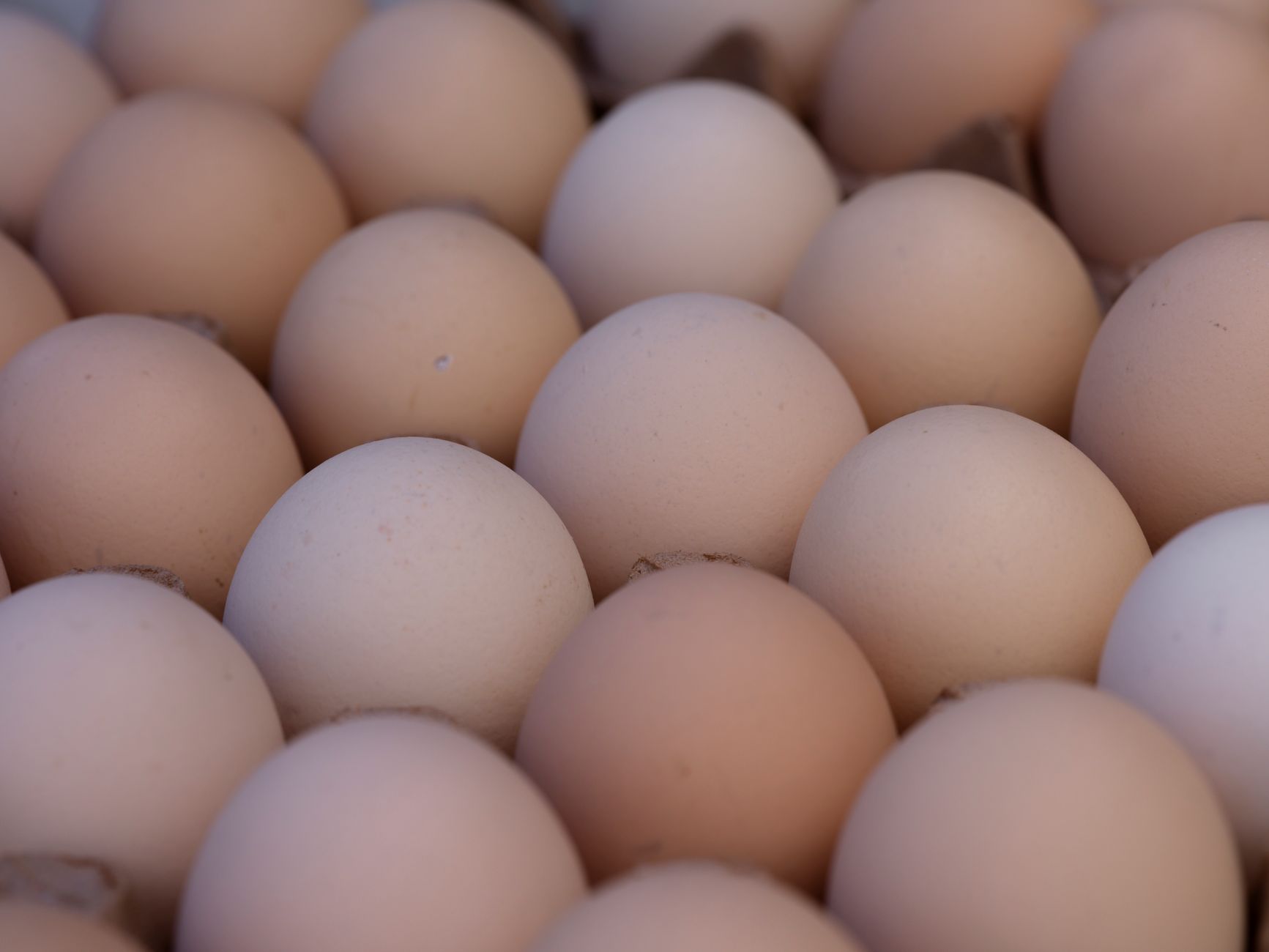
Eggs are a staple in many kitchens, cherished for their versatility and nutritional value. However, concerns about food safety can sometimes lead to recalls, creating uncertainty for consumers. In this article, we’ll explore how eggs are monitored for safety, what to do in the event of a recall, and offer guidance on proper handling and storage to help you keep your eggs safe and delicious.
With rising health consciousness and increased awareness of foodborne illnesses, understanding the potential for egg recalls is essential for every consumer. This comprehensive guide will cover the current state of egg safety, previous recalls, and best practices for using eggs in your cooking and baking endeavors.
Is There a Recall on Eggs?
As of now, there are occasional recalls on eggs, often prompted by concerns over potential contamination. The United States Department of Agriculture (USDA) and the Food and Drug Administration (FDA) monitor egg production and distribution to ensure safety. Keeping up with these recalls is important to protect your health and ensure the quality of your meals.
Understanding Egg Recalls
When contamination occurs, it can lead to serious health risks, particularly salmonella. Recalls may happen for several reasons, including:
- Potential bacterial contamination
- Undeclared allergens
- Mislabeling issues
- Quality control failures
How Recalls Are Issued
Egg recalls typically happen when a producer discovers a problem during routine testing or if customers report illnesses. The FDA and USDA work closely with producers to prevent widespread health risks.
Recent Egg Recalls
While it is crucial to stay informed, recalls can vary based on region and time. Checking the FDA and USDA websites regularly will ensure you have the latest information. Specific brands to watch and the reasons for recall are listed in these resources, helping you make informed decisions when purchasing eggs.
How to Check for Egg Recalls
To stay updated on egg recalls, take the following steps:
- Visit the official websites of the FDA and the USDA for the latest news.
- Sign up for notifications or alerts regarding food recalls.
- Follow reputable news sources that report on food safety issues.
Shopping for Eggs: What to Look For
When buying eggs, it’s vital to choose fresh and safe products. Here are key factors to consider:
- Grade and quality: Look for USDA grading (AA, A, B) to determine quality. Grade AA is the highest, with firm whites and yolks.
- Packaging: Always check the packaging for the sell-by date.
- Farm-to-table options: Consider purchasing from local farms where quality control measures are often more stringent.
Storing Eggs Safely
Proper storage is essential for maintaining the freshness and safety of eggs. Here are some best practices:
- Refrigeration: Store eggs in their original carton in the refrigerator. This helps keep them fresh and preserves quality.
- Temperature: Keep your refrigerator below 40°F (4°C) to inhibit bacterial growth.
- Avoid washing: Do not wash eggs before storage, as this can remove the protective bloom that helps keep them fresh.
How Long Can You Keep Eggs in the Refrigerator?
While most eggs can last for several weeks in the refrigerator, it’s crucial to understand their shelf life.
- Fresh eggs can last about 3 to 5 weeks beyond the sell-by date.
- Hard-boiled eggs should be consumed within one week.
Identifying Fresh Eggs
Even with proper storage, there may come a time when you need to check for freshness. Use these methods:
- Float test: Place the egg in a bowl of water. Fresh eggs sink, while older eggs float.
- Crack test: Check for any unusual odor or consistency when cracking an egg. Fresh eggs have little to no smell.
Cooking with Eggs Safely
Using eggs in your kitchen can be safe and enjoyable if you follow these safety protocols:
- Cook thoroughly: Eggs should be cooked until both the whites and yolks are firm to reduce the risk of foodborne illness.
- Avoid raw eggs: Be cautious with recipes that call for raw or undercooked eggs, such as homemade mayonnaise or certain desserts.
- Use pasteurized eggs: For recipes that require raw eggs, always opt for pasteurized varieties.
Common Egg Recipes and Their Safety Tips
Below are some popular egg dishes along with helpful tips for safely preparing them:
Scrambled Eggs
- Crack eggs into a bowl, beating them gently.
- Heat a non-stick skillet over medium heat and add butter or oil.
- Pour in the eggs and gently stir with a spatula until fully cooked.
Ensure that the eggs reach a safe temperature of 160°F (71°C) before serving.
Omelets
- Beat eggs and pour into a hot skillet.
- Add fillings such as vegetables, cheese, or meats.
- Fold the omelet in half and cook until fully set.
Again, ensure thorough cooking to avoid any bacteria.
Egg Salad
- Hard boil eggs and let them cool before peeling.
- Chop the eggs and mix with mayonnaise, mustard, and seasonings.
Keep egg salad refrigerated and consume it within three days.
What to Do If You Have Affected Eggs
If you find that you have purchased eggs involved in a recall, follow these steps:
- Check for recall notices that detail which specific batches or brands are affected.
- If your eggs match the recall criteria, return them to the store or dispose of them safely.
- Keep your receipt if you plan to return the eggs for a refund.
Practical Tips for Egg Usage
Here are some additional tips to help ensure the best quality and safety when using eggs:
- Use eggs at room temperature: This is particularly helpful for baking, as it leads to better emulsification and fluffiness.
- Plan your meals: Use eggs within their freshest days to maximize their flavor and safety.
- Label and date: If freezing eggs, label them clearly with the date of freezing.
Storage and Reheating Guidance
For cooked eggs and dishes, proper storage is essential:
- Cooked egg dishes should be refrigerated promptly and kept in airtight containers. They are typically safe for 3 to 4 days.
- When reheating, ensure that the food reaches at least 165°F (74°C) to kill any harmful bacteria.
Potential Substitutes for Eggs
If you find yourself needing to substitute eggs in a recipe, whether for dietary restrictions or allergies, consider the following options:
- Flaxseed meal: Use 1 tablespoon of flaxseed meal mixed with 3 tablespoons of water as one egg substitute.
- Applesauce: 1/4 cup of applesauce can replace one egg in baking.
- Mashed bananas: 1/4 cup of mashed banana can also serve as a substitute but may alter the flavor slightly.
Conclusion
Keeping eggs in your kitchen safe and fresh requires awareness of recalls, proper handling, and cooking practices. Regularly check for recall information from reliable sources, store your eggs properly, and follow cooking guidelines that maximize flavor while minimizing risk.
To further enhance your culinary skills, explore guides on egg storage and how long eggs last after their sell-by date. Stay informed and enjoy the versatility of eggs in your meals! For more details, check out our articles on how long you can keep eggs in the refrigerator and how long do eggs last after the sell-by date.