
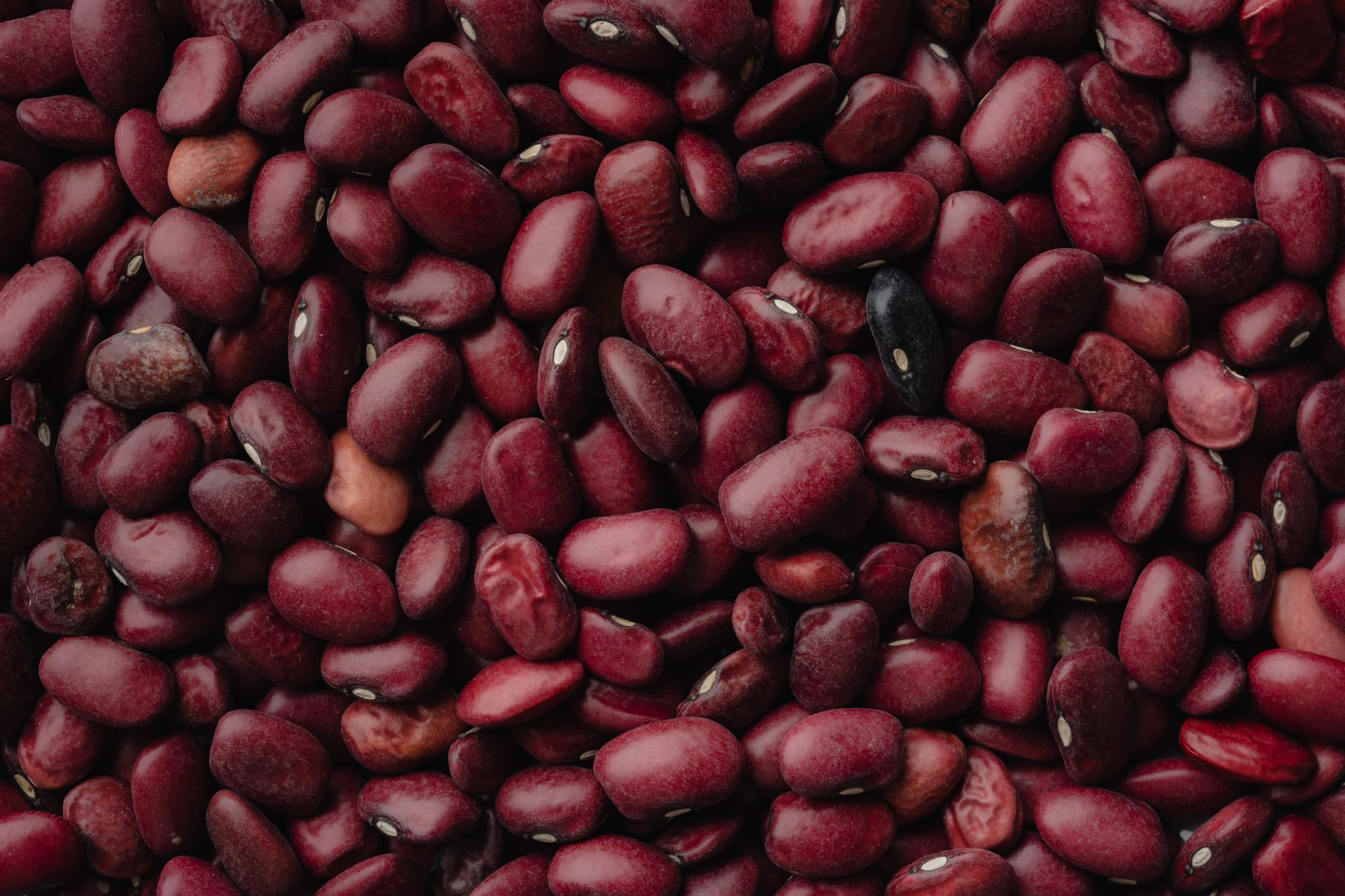
Beans are a cornerstone in many diets around the world, valued not only for their versatility in cooking but also for their nutritional value. Specifically, beans are an excellent source of protein, making them a popular choice for vegetarians, vegans, and those simply looking to increase their protein intake without relying on animal products.
This article explores how many grams of protein are typically found in various types of beans, their nutritional benefits, cooking techniques, and meal-planning suggestions to help you make the most of these nutrient-rich legumes.
How Many Grams of Protein in Beans?
The protein content in beans varies depending on the type. On average, beans contain between 15 to 25 grams of protein per cooked cup. For instance, black beans offer about 15.24 grams of protein, while chickpeas can provide upwards of 14.53 grams per cooked cup. Understanding these differences can assist you in meal planning and dietary choices.
Nutritional Value of Beans
Beyond protein, beans are a powerhouse of essential nutrients. They are high in dietary fiber, which aids digestion and promotes a feeling of fullness. In addition to protein and fiber, beans provide an array of vitamins and minerals, including:
- Folate
- Iron
- Magnesium
- Potasium
- Vitamin B6
These nutrients play vital roles in maintaining overall health, supporting metabolic processes, and improving heart health. Regular consumption of beans may also contribute to better weight management and reduced risk of chronic diseases.
Types of Beans and Their Protein Content
Here, we break down some popular types of beans and their protein content, along with a brief description of their culinary uses:
| Type of Bean | Protein per Cooked Cup (grams) | Culinary Uses |
|---|---|---|
| Black Beans | 15.24 | Used in salads, soups, and Mexican dishes. |
| Chickpeas | 14.53 | Used for hummus, salads, and stews. |
| Pinto Beans | 15.2 | Popular in Mexican cuisine, especially in refried beans. |
| Kidney Beans | 13.4 | Commonly used in chili and bean salads. |
| Navy Beans | 15.8 | Ideal for soups and casseroles. |
| Great Northern Beans | 15.7 | Best suited for braises and stews. |
| Lentils | 17.86 | Versatile in soups, salads, and as a meat substitute. |
Cooking Techniques for Beans
Cooking beans properly can enhance their flavor and nutritional benefits. Here are some common methods:
Soaking
Many dried beans benefit from soaking before cooking. Soaking helps to soften them, reduce cooking time, and enhance digestibility. There are two primary soaking methods:
- Overnight Soaking: Submerge beans in water and let them soak for 8-12 hours. Drain and rinse before cooking.
- Quick Soaking: Boil beans in water for 2-3 minutes, then remove from heat and let them sit for an hour. Drain and rinse before cooking.
Cooking
After soaking, beans can be cooked by various methods, including:
- Stovetop: Place soaked beans in a pot, cover with fresh water (about 2 inches above the beans), and bring to a boil. Reduce to a simmer and cook for 1-2 hours until tender.
- Pressure Cooking: Place soaked beans in the pressure cooker with water and cook according to the manufacturer’s instructions, usually around 30-45 minutes.
- Slow Cooking: Add soaked beans to a slow cooker with water and cook on low for 6-8 hours.
Practical Meal Planning with Beans
Incorporating beans into your meals can enhance nutrition while being budget-friendly. Here’s how to effectively plan meals around beans:
Batch Cooking
Cooking a large batch of beans can save time and make meal prep easier. Here are some tips:
- Cook dry beans in bulk, then portion and freeze them for later use.
- Use cooked beans in multiple recipes throughout the week, such as soups, salads, and grain bowls.
- Label containers with cooking dates to ensure freshness.
Versatile Recipes
Beans can be the star of the show or a supporting ingredient. Consider these dishes:
- Bean Chili: Combine various beans with spices, tomatoes, and vegetables for a hearty chili.
- Salads: Toss beans with fresh vegetables, herbs, and vinaigrette for a nutritious salad.
- Soups: Blend beans into creamy soups or add whole beans to chunky vegetable soups for extra protein.
Snack Ideas
Beans aren’t just for main meals. Use them for snacks, too!
- Roasted Chickpeas: Toss chickpeas with spices and olive oil, then roast until crispy.
- Bean Dips: Puree beans with garlic, lemon, and tahini for a delicious dip.
Common Mistakes to Avoid
While preparing beans can be straightforward, some common pitfalls may hinder your success. Here are some tips to avoid them:
- Skipping the soak: Always soak dried beans to reduce cooking time and improve digestibility.
- Overcooking: Monitor cooking time closely, especially if using a pressure cooker, to prevent mushiness.
- Not adding flavor: Enhance the taste of beans by cooking them with aromatics such as onions, garlic, and herbs.
Storing Beans
Proper storage is crucial for maintaining the freshness of beans, whether they are cooked or dried:
Dried Beans
Store dried beans in a cool, dry place in an airtight container. They can last for several years, but they are best used within the first one to two years for optimal freshness.
Cooked Beans
Cooked beans should be refrigerated within two hours of cooking. Store them in a sealed container where they can last for up to 4-5 days. For longer storage, freeze cooked beans in portions, which can last for up to six months.
Exploring Bean Varieties Internationally
Beans are frequently used in various cuisines worldwide, each bringing unique flavors to the table:
- Hummus: A Middle Eastern dip made from chickpeas.
- Feijoada: A Brazilian stew traditionally made with black beans and pork.
- Bean Burritos: A staple in Mexican cuisine consisting of beans wrapped in tortillas.
Alternatives and Substitutions
If you find yourself without a specific type of bean or want to try something different, there are several alternatives:
- Peas: Green peas can substitute in recipes for a slightly sweet flavor.
- Lentils: These can replace beans in soups and stews, offering a quicker cooking time.
- Quinoa: While not a bean, quinoa can be a protein-packed alternative in salads and bowls.
Conclusion
Beans are a rich source of protein and nutrients that can easily fit into a variety of meals. With their versatile nature and myriad culinary uses, understanding how to incorporate them into your diet can enhance both your health and your cooking experience. Start experimenting with different types of beans and recipes today!
For some delicious recipes that feature beans, check out our Southern Pinto Beans Recipe and Great Northern Beans Recipe for some inspiring ideas to elevate your meals.