
Understanding which fats are beneficial for your health can be perplexing, since not all fats are created equal. As we navigate the world of nutrition, it’s essential to differentiate between various types of fats, their sources, and their impact on our bodies. This comprehensive guide will delve into the types of fats that are good for you, how to incorporate them into your diet, and the benefits they offer.
In this article, we’ll cover the characteristics of healthy fats, dietary considerations, and practical tips for selecting and using fats in your meals. By the end, you’ll have a clearer understanding of how to make better choices that align with your nutritional goals.
What Fat Is Good For You?
Healthy fats, specifically unsaturated fats, can benefit your body when consumed in moderation. Sources include avocados, nuts, seeds, olive oil, and fatty fish. These fats can help with nutrient absorption, support heart health, and maintain hormone balance.
Types of Fats: A Breakdown
Fats are categorized into several types, and understanding these differences can help you make informed dietary decisions. Here’s a brief overview of the main types of fats:
- Saturated Fats: Typically solid at room temperature and found in animal products like butter, cheese, and red meat, as well as some tropical oils.
- Trans Fats: Often found in processed foods, these fats can raise bad cholesterol levels (LDL) and lower good cholesterol levels (HDL), leading to an increased risk of heart disease.
- Unsaturated Fats: Divided into monounsaturated and polyunsaturated fats, these are considered healthy fats that can improve heart health.
- Monounsaturated Fats: Found in foods like olives, avocados, and nuts.
- Polyunsaturated Fats: Includes omega-3 and omega-6 fatty acids, which are essential for health and can be found in fatty fish, flaxseeds, and walnuts.
Healthy Fats to Include in Your Diet
Incorporating healthy fats into your diet is crucial for overall health. Here’s a closer look at some of the best sources of good fats:
Avocados
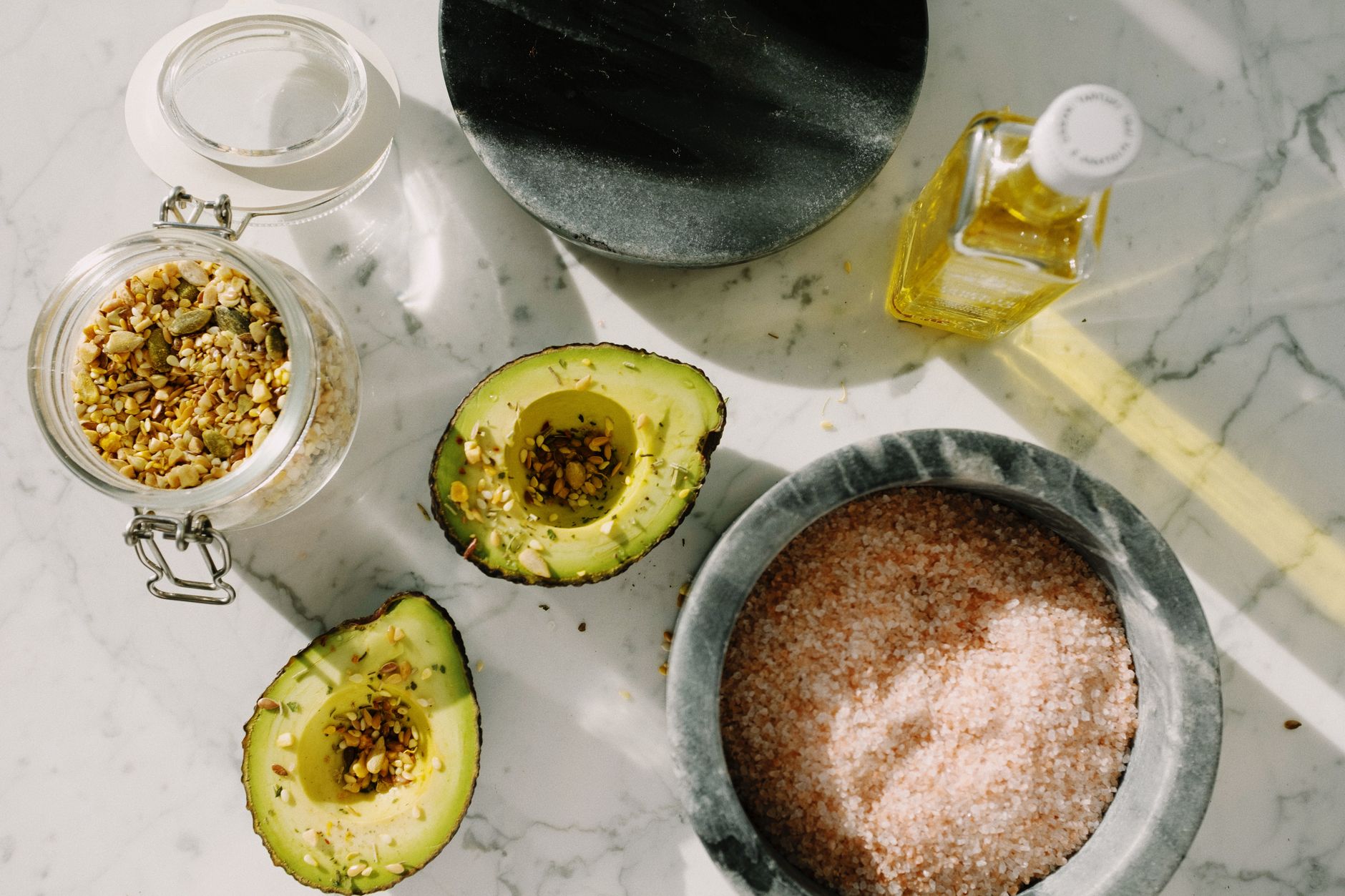
Rich in monounsaturated fats, avocados are also loaded with vitamins, minerals, and fiber. They can promote heart health and help in the absorption of nutrients. You can enjoy avocados in salads, smoothies, or as spread on whole-grain toast.
Nuts and Seeds
Nuts such as almonds, walnuts, and pistachios, along with seeds like chia and flaxseed, provide a wealth of nutrients including protein, fiber, and healthy fats. A small handful of nuts makes for a satisfying snack, while seeds can be sprinkled over salads or blended into smoothies.
Olive Oil
Known for its heart-healthy properties, extra virgin olive oil is high in monounsaturated fats and antioxidants. It’s perfect for salad dressings, drizzling over vegetables, or using in low-heat cooking. Aim for unrefined and cold-pressed versions for the best quality.
Fatty Fish
Fish like salmon, mackerel, and sardines are excellent sources of omega-3 fatty acids, which offer numerous benefits including reducing inflammation and supporting heart health. Aim to include fatty fish in your diet at least twice a week.
Dark Chocolate
In moderate amounts, dark chocolate (70% cacao or higher) can provide healthy fats along with antioxidants. Look for varieties with minimal sugar and enjoy them occasionally as a treat.
Cooking With Healthy Fats
Using healthy fats in cooking can enhance the flavor and nutrition of your meals. Here are some practical tips for cooking with fats:
Choosing the Right Fat for Cooking
Not all fats are suitable for every cooking method. Some fats have lower smoke points, making them unsuitable for high-heat cooking. Here’s a guide:
- High Smoke Point Fats: Avocado oil and refined coconut oil are great for frying and sautéing.
- Medium Smoke Point Fats: Olive oil is versatile, suitable for medium-heat cooking.
- Low Smoke Point Fats: Use fats like unrefined sesame oil or flaxseed oil for dressings or finishing touches.
Practical Cooking Techniques
Consider these cooking techniques to incorporate healthy fats effectively:
- Sautéing: Use olive oil or avocado oil to sauté vegetables; this retains the nutrients while enhancing flavor.
- Roasting: Drizzle vegetables with olive oil before roasting them to add flavor and healthy fats.
- Dressings and Marinades: Create homemade salad dressings using olive oil, vinegar, and herbs to keep meals fresh and healthy.
Practical Tips for Incorporating Healthy Fats
Adding healthy fats to your diet doesn’t have to be complicated. Here are some practical ways to do so without drastic changes:
- Start Your Day Right: Add nuts or seeds to your morning oatmeal or yogurt.
- Use Olive Oil Liberally: Replace butter or margarine with olive oil in cooking and baking.
- Snack Wisely: Choose a handful of nuts or a slice of avocado on whole-grain toast instead of processed snacks.
- Experiment with Spreads: Make a healthy spread by blending avocado with herbs or nut butters.
Common Myths About Fats
Many misconceptions exist about dietary fats. Let’s debunk some of the most common myths:
Myth 1: All Fats Are Bad
Not all fats are detrimental. As mentioned, unsaturated fats support health, while trans fats and excessive saturated fats are harmful. Focus on the quality of fats consumed.
Myth 2: Low-Fat Diets Are Healthier
Low-fat diets can deprive the body of essential nutrients found in healthy fats. Instead of eliminating fats, aim for a balanced intake of healthy fats.
Myth 3: Eating Fat Makes You Fat
Weight gain occurs when there’s a surplus of calories consumed, not solely from fat. Healthy fats can help keep you satisfied and may aid in weight management.
Nutritional Considerations
When adding fats to your diet, consider the following:
- Portion Control: Although healthy, fats are calorie-dense. Monitor portion sizes to avoid overeating.
- Balance with Other Nutrients: Incorporate a variety of food groups to ensure a well-rounded diet.
- Quality Over Quantity: Choose whole, minimally processed fats whenever possible.
Storage and Shelf Life of Fats
Proper storage of fats ensures their freshness and quality. Here are some tips:
- Refrigeration: Store oils like flaxseed and nut oils in the refrigerator to extend shelf life.
- Dark Containers: Keep oils in dark glass bottles or cans to protect them from light.
- Expiration Dates: Be mindful of expiration dates, especially with oils, as they can become rancid.
Conclusion
Making informed choices about dietary fats can significantly impact your overall health. By incorporating sources of healthy fats like avocados, nuts, and olive oil, you can enhance your meals while supporting important bodily functions.
Take the next step in transforming your diet by exploring recipes rich in healthy fats or tips for meal planning. For delicious ideas, check out our Chia Pudding Recipe and find out Is Ghee Healthy?.