
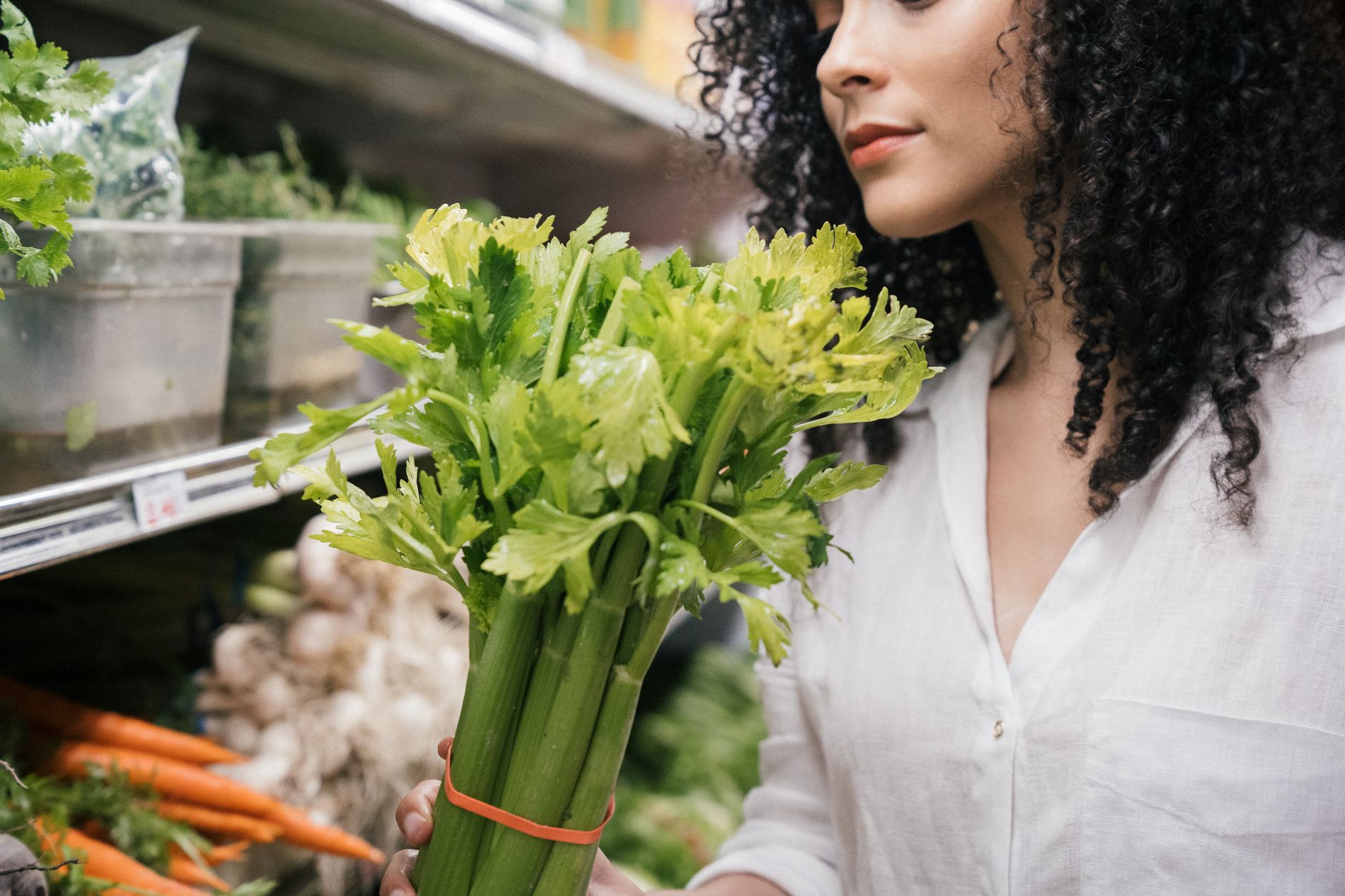
Celery, often overlooked in the kitchen, is a nutrient-rich vegetable that offers various health benefits. Among these, its potential support for liver health has garnered attention. In this article, we will explore the nutritional profile of celery, its benefits for the liver, and practical ways to incorporate it into your diet.
The liver plays a crucial role in detoxifying the body, making its health essential for overall well-being. Including celery in your diet may aid liver health through its high water content, vitamins, and antioxidants. Let’s delve deeper into whether celery truly is good for your liver.
Is Celery Good for Your Liver?
Yes, celery can be beneficial for liver health. It contains antioxidants and essential nutrients that support detoxification processes and help maintain optimal liver function. Additionally, celery is hydrating, low in calories, and rich in vitamins and minerals, which contribute to overall health.
Nutritional Profile of Celery
Understanding celery’s nutrient makeup is essential to appreciate its health benefits. Here are the key nutrients found in one cup (about 101 grams) of raw celery:
- Calories: 16
- Water: 95% of celery’s weight
- Carbohydrates: 3 grams
- Fiber: 1.6 grams
- Protein: 0.7 grams
- Fat: 0.2 grams
- Vitamin K: 30% of the Daily Value (DV)
- Vitamin A: 10% of the DV
- Vitamin C: 5% of the DV
- Folate: 6% of the DV
- Potassium: 6% of the DV
Why Celery Supports Liver Health
Several properties of celery contribute to its potential benefits for liver health:
1. High Water Content
Celery is composed mainly of water, promoting hydration. Proper hydration is essential for optimal liver function, aiding in the elimination of toxins and waste products from the body.
2. Antioxidant Properties
Celery contains various antioxidants, such as flavonoids and vitamin C, which help neutralize harmful free radicals. Reducing oxidative stress can protect liver cells from damage and inflammation.
3. Anti-Inflammatory Effects
Chronic inflammation can lead to liver diseases. The anti-inflammatory compounds in celery may help reduce inflammation in the liver, supporting overall health.
4. Fiber Content
Celery is a good source of dietary fiber, which aids digestion and supports healthy bowel movements. A well-functioning digestive system reduces the burden on the liver, allowing it to perform its detoxification processes more efficiently.
5. Nutrient Density
The vitamins and minerals in celery contribute to overall liver health. Vitamin K, for instance, is crucial for liver function and helps maintain optimal blood clotting.
Incorporating Celery into Your Diet
Adding celery to your diet can be easy and enjoyable. Here are some delicious and practical ways to include this vegetable in your meals:
1. Raw Snacking
One of the simplest ways to enjoy celery is by eating it raw. Combine it with healthy dips like hummus or guacamole for a nutritious snack.
2. Smoothies
Blend celery into your favorite smoothie for an added boost of nutrition. Its mild flavor pairs well with fruits like bananas, apples, and berries.
3. Soups and Stews
Add diced celery to soups and stews for enhanced flavor and added nutrients. It works well in many recipes, providing a crunchy texture.
4. Salads
Chop celery into salads for added crunch and freshness. It complements many ingredients, such as carrots, cucumbers, and leafy greens.
5. Juicing
Juicing celery can be an excellent way to enjoy its health benefits. Celery juice is popular for its purported detoxifying effects.
Portion Recommendations
While incorporating celery into your diet, consider portion sizes for optimal benefits:
- As a snack: 1-2 stalks of celery.
- In salads: 1/2 cup diced celery.
- In soups and stews: 1 cup diced celery.
- In smoothies: 1/2 cup of celery juice or blended with other ingredients.
Potential Side Effects of Celery
While celery is generally safe for most people, there are a few considerations:
1. Allergies
Some individuals may experience allergic reactions to celery. Symptoms can include hives, swelling, and difficulty breathing. If you suspect an allergy, discontinue use and consult a healthcare professional.
2. Pesticide Residues
Celery is known to have pesticide residues. To minimize exposure, consider purchasing organic celery or thoroughly washing conventional celery before consumption.
3. Sodium Content
Celery does contain sodium, though in modest amounts. For those on sodium-restricted diets, moderation is key.
Common Mistakes and Tips
Here are some tips to ensure you get the most out of celery as part of a liver-friendly diet:
- Always wash celery thoroughly to remove dirt and pesticide residues.
- Don’t discard the leaves! Celery leaves are also nutritious and can be used in salads or soups.
- Stay hydrated. While celery has a high water content, complement it with an adequate intake of fluids throughout the day.
Creative Ways to Use Celery
For those looking to expand their culinary horizons, here are some innovative ideas for using celery:
1. Celery Salad
Mix chopped celery with apples, walnuts, and a yogurt dressing for a refreshing salad. This dish combines crunchy celery with sweet and nutty flavors.
2. Celery Stir-Fry
Slice celery and sauté it with bell peppers, carrots, and your choice of protein, such as tofu or chicken, for a quick and nutritious stir-fry.
3. Stuffed Celery
Stuff celery stalks with almond butter or cream cheese and top with raisins or cranberries for a delightful snack.
Storing Celery for Freshness
To maintain the freshness of celery, follow these storage tips:
- Keep celery in the refrigerator, wrapped in a damp paper towel and placed in a plastic bag to retain moisture.
- Avoid cutting celery until you’re ready to use it, as this can accelerate spoilage.
- For long-term storage, consider freezing chopped celery. Spread it on a baking sheet to freeze individually, then transfer it to a freezer bag.
Conclusion
Including celery in your diet can offer a variety of health benefits, particularly for liver health. Its hydrating properties, antioxidants, and fiber contribute to overall well-being. Enjoy celery in various forms—raw, cooked, or juiced—to maximize its benefits. Remember to maintain portion control and complement celery with a diverse diet for optimal health advantages.
For further exploration, consider trying a dandelion tea recipe or check out a chia pudding recipe with coconut milk for additional liver-friendly options.