
The first time I made pink sauce, I was standing in my kitchen at 7 p.m., hungry and armed with nothing but pantry staples and a vague memory of a restaurant version I’d eaten years ago. Twenty minutes later, I had a creamy, tangy, slightly spicy sauce coating fresh pasta, and I haven’t looked back since.
This sauce sits in that sweet spot between marinara and Alfredo, giving you rich comfort without the heaviness of pure cream. It comes together in one pan, tastes like you spent an hour cooking, and works beautifully on literally any pasta shape you have on hand.
Why You’ll Love This Recipe
Pink sauce delivers restaurant-quality flavor in about 20 minutes, making it perfect for weeknight dinners when you want something impressive without the fuss.
- Ready in under 30 minutes from start to finish
- Uses simple pantry ingredients you likely already have
- Smooth, creamy texture with a subtle tomato tang
- Works with any pasta shape or even as a dipping sauce
- Naturally vegetarian and easily adaptable for dietary needs
My Experience Making This Recipe
I make this sauce at least twice a month, and every time I’m surprised at how forgiving it is. The first batch I made was slightly too acidic because I used canned tomatoes straight from the can without draining them properly, but a splash more cream fixed it instantly.
My partner declared it “better than the restaurant version” on the second try, which honestly felt like a small victory in the kitchen. The sauce has a way of tasting buttery and elegant while genuinely being one of the easiest things you can make on a stovetop.
I’ve served it to dinner guests, meal-prepped it for the week, and even used leftovers as a pizza sauce. It never disappoints, and guests always ask for the recipe thinking there’s some secret ingredient I’m hiding (spoiler: there isn’t).
Recipe Overview
- Recipe Name: Classic Pink Sauce with Cream and Tomato
- Servings: 4
- Prep Time: 5 minutes
- Cook Time: 18 minutes
- Total Time: 23 minutes
- Course: Main Course
- Cuisine: Italian
- Calories per Serving: 285
Equipment You Will Need
- Large saucepan or skillet (12-inch preferred)
- Wooden spoon or silicone spatula
- Measuring cups and spoons
- Can opener
- Colander (for draining tomatoes if using canned)
- Whisk (optional but helpful)
- Fine mesh sieve (optional, for straining tomatoes)
Ingredients for Pink Sauce
For the Sauce Base
- 3 tablespoons butter
- 4 cloves garlic, minced
- 1 can (28 ounces) crushed tomatoes or 1.5 cups tomato puree
- 3/4 cup heavy cream
- 2 tablespoons tomato paste
- 1/2 teaspoon red pepper flakes (adjust to taste)
- 1 teaspoon salt
- 1/2 teaspoon black pepper
- 1/2 teaspoon sugar (optional, balances acidity)
- 1/4 cup fresh basil, chopped (or 1 teaspoon dried)
- 1/4 cup grated Parmesan cheese (optional, for serving)
Ingredient Notes and Substitutions
- Crushed tomatoes: They form the tangy base that balances cream and gives the sauce its signature flavor. Fresh tomato puree works equally well and tastes slightly brighter, though you may need to add a bit more to get the same depth.
- Heavy cream: This creates the signature pink color and silky texture. Half-and-half works as a lighter substitute but makes the sauce thinner and less luxurious.
- Butter: It adds richness and helps emulsify the cream and tomato. Olive oil gives a different flavor profile and works fine if you prefer a more Mediterranean angle.
- Tomato paste: A small amount concentrates tomato flavor and adds natural depth. If you skip it, the sauce tastes more watered down, though you can compensate with more crushed tomatoes.
- Garlic: Fresh garlic gives a sharp, lively bite that bottled minced garlic cannot match. Use jarred as a last resort, but expect a flatter, more one-dimensional flavor.
- Red pepper flakes: They add a subtle heat and complexity that keeps the sauce from tasting one-note. Omit them entirely if you prefer no spice, or use fresh red chile if you want more intense heat.
How to Make Pink Sauce
Step 1: Melt the Butter and Toast the Garlic
Place your saucepan over medium heat and add the butter, letting it melt for about 30 seconds. Once it’s foaming slightly, add your minced garlic and stir constantly for 1 to 2 minutes until fragrant but not browned.
This short toasting step matters because it mellows the raw garlic bite and releases aromatic compounds that flavor the entire sauce. If you let garlic brown, it turns bitter and can ruin the entire dish.
Step 2: Stir in the Tomato Paste
Add the tomato paste to your garlic and butter, stirring well to combine. Cook this mixture for about 1 minute, still on medium heat, to caramelize the paste slightly.
This step deepens the tomato flavor and removes the raw, canned taste that can linger if you skip it. You’ll notice the mixture darkens slightly and smells noticeably richer.
Step 3: Add the Crushed Tomatoes
Pour in your crushed tomatoes and give everything a good stir to blend with the butter and tomato paste. If you’re using canned tomatoes, make sure to drain excess liquid first so your sauce isn’t watery.
The mixture will bubble gently as the liquid heats up. Stir occasionally to prevent sticking on the bottom of the pan.
Step 4: Season the Tomato Base
Add the salt, black pepper, and red pepper flakes, stirring to distribute evenly. Taste a tiny spoonful carefully (it’s hot) and adjust seasonings now while you can still taste the raw tomato flavor.
This is your chance to get the base right before cream softens all the flavors. More salt brings out the tomato taste, while red pepper flakes add depth even if you don’t taste heat explicitly.
Step 5: Simmer the Sauce
Reduce your heat to medium-low and let the sauce bubble gently for about 5 minutes, stirring occasionally. You want a gentle simmer, not a rolling boil, which can cause the cream to curdle later.
This simmering step allows flavors to meld and gives tomato acidity time to mellow naturally. The sauce should smell deeply savory and concentrated, not watery or thin.
Step 6: Check the Acidity and Add Sugar if Needed
Taste the sauce again after simmering. If it tastes sharp or acidic, add the optional sugar and stir well, then simmer for 30 more seconds.
Sugar balances acidity without making the sauce taste sweet, similar to how salt works on tomato dishes. You only need a small amount, and you can always add more if needed.
Step 7: Add the Heavy Cream
Lower the heat to medium-low and slowly pour in the heavy cream while stirring constantly. This gradual addition prevents the cream from curdling and helps it emulsify smoothly into the tomato sauce.
Keep stirring for about 1 to 2 minutes as the sauce comes together and turns from red to pink. The texture should be smooth and creamy, with no graininess or separation.
Step 8: Finish with Fresh Basil
Remove the pan from heat and stir in your fresh basil, reserving a small handful for garnish if desired. Fresh basil wilts instantly in the warm sauce and adds a bright, herbaceous note that dried basil simply cannot match.
Give the sauce a final taste and adjust salt or pepper if needed. The sauce should taste balanced, creamy, and aromatic without any one flavor dominating.
Pro Tip: Keep your heat low once cream enters the picture, and never let the sauce come to a rolling boil after adding cream, or it may separate and lose its silky texture.
Tips for the Best Pink Sauce
- Drain canned tomatoes before using them. Excess liquid dilutes your sauce and forces you to simmer longer to reach the right consistency. A quick pour through a fine sieve does the trick.
- Use freshly grated Parmesan if you can. Pre-shredded cheese contains anti-caking agents that make it grainy when mixed into warm sauce, while fresh grating melts smoothly into the cream.
- Don’t skip the tomato paste. It transforms the sauce from one-dimensional to deeply savory and gives you that restaurant-quality depth in a small amount.
- Add cream slowly and keep heat low. This prevents the sauce from breaking and ensures a silky, emulsified final texture instead of a greasy, separated mess.
- Make it ahead and reheat gently. Pink sauce actually tastes better the next day as flavors meld overnight, and reheating on low heat maintains its creamy texture.
- Taste constantly as you cook. Every tomato brand and cream has slightly different acidity, so adjusting seasonings as you go ensures your sauce tastes perfect.
Common Mistakes to Avoid
- Using cold cream from the fridge and dumping it in quickly causes the sauce to seize and separate, giving you a broken, greasy mess instead of silky sauce. Always add cream slowly and keep heat low.
- Skipping the tomato paste makes the sauce taste thin and watery, like ketchup mixed with cream. That small spoonful of paste delivers concentrated tomato flavor that makes all the difference.
- Letting the sauce boil after adding cream causes the cream to break down and curdle, resulting in graininess and a separated texture. Medium-low heat is your friend here.
- Not draining canned tomatoes leaves excess liquid that waters down your sauce and forces you to cook it much longer than necessary to reach the right consistency.
- Burning the garlic at the start creates a bitter flavor that runs through the entire sauce and cannot be fixed. Medium heat and constant stirring for just 1 to 2 minutes is all you need.
Serving Suggestions
Pink sauce belongs on pasta, but it’s versatile enough for far more than just that. Serve it over your favorite noodles, or try it alongside grilled chicken, roasted vegetables, or crusty bread.
- Pappardelle or fettuccine capture the creamy sauce beautifully with their wide ribbons
- Penne rigate holds sauce in its ridges for maximum flavor in every bite
- Grilled chicken breast becomes restaurant-worthy when topped with warm pink sauce and fresh basil
- Roasted zucchini, mushrooms, or bell peppers pair wonderfully with the sauce’s tangy creaminess
- Garlic bread or crostini make excellent vehicles for any leftover sauce
Variations to Try
- Spicy Pink Sauce: Double the red pepper flakes or add fresh sliced red chiles for heat that builds as you eat. The extra spice cuts through the cream and makes the sauce feel lighter and more exciting.
- Vodka Pink Sauce: Add 1/4 cup vodka after the crushed tomatoes and let it simmer for 2 minutes before adding cream. The alcohol burns off but adds subtle complexity and helps emulsify the sauce more smoothly.
- Pink Sauce with Sausage: Brown 8 ounces of Italian sausage in the pan first, set it aside, then make the sauce as written and stir the cooked sausage back in at the end. This adds savory, meaty depth and turns the sauce into a complete meal.
- Creamy Pink Sauce with Mushrooms: Saute sliced mushrooms in the butter before adding garlic, or stir them in at the end for a meatier texture. Mushrooms add umami richness that complements the creamy tomato base beautifully.
- Pink Sauce with Fresh Tomatoes: In summer, substitute 1.5 pounds of fresh tomatoes (seeded and chopped) for canned tomatoes and simmer 10 minutes longer to break them down. Fresh tomatoes give the sauce a brighter, more delicate flavor.
Dietary Adaptations
- Gluten-Free: Pink sauce is naturally gluten-free, but serve it over gluten-free pasta or rice. Most plain tomatoes and cream have no gluten, though always check your brand’s label to be certain.
- Dairy-Free: Substitute the butter with olive oil and the heavy cream with full-fat coconut milk or cashew cream. The sauce won’t taste identical but will still be creamy and delicious, with a slightly different flavor profile.
- Vegan: Use olive oil instead of butter, and replace heavy cream with oat cream or coconut cream. Nutritional yeast adds a savory depth that mimics Parmesan and rounds out the sauce.
- Low-Carb/Keto: Serve pink sauce over spiralized zucchini, shirataki noodles, or cauliflower rice instead of traditional pasta. The sauce itself is naturally low-carb and works perfectly with these alternatives.
Storage and Reheating
Refrigerator
Pink sauce stores beautifully in an airtight container for up to 4 days. The flavors actually improve as it sits, making it an ideal make-ahead sauce for busy weeks.
- Transfer cooled sauce to glass or plastic containers with tight lids
- Keep at the back of your fridge where temperature stays most consistent
- Stir occasionally if you notice any separation, though this is rare
Freezer
This sauce freezes beautifully for up to 3 months, making it perfect for batch cooking. Let it cool completely before freezing to prevent condensation and freezer burn.
- Use freezer-safe containers or heavy-duty freezer bags, leaving an inch of headspace for expansion
- Label with the date so you use oldest sauce first
- Thaw overnight in the refrigerator before reheating
Reheating
Reheat pink sauce gently over low heat to maintain its creamy texture and prevent separation. Never microwave it directly, as microwaves heat unevenly and can cause the cream to curdle.
- Place sauce in a saucepan over low heat and stir occasionally until warmed through, about 5 to 8 minutes
- Add a splash of cream or milk if the sauce seems too thick after storage
- Taste and adjust seasonings before serving, as salt can intensify during storage
Nutrition Information
| Nutrient | Amount |
|---|---|
| Calories | 285 |
| Total Fat | 19g |
| Saturated Fat | 12g |
| Carbohydrates | 18g |
| Fiber | 2g |
| Sugar | 8g |
| Protein | 6g |
| Sodium | 620mg |
| Cholesterol | 55mg |
Nutrition values are estimates based on standard ingredient brands and serving size of sauce only, not including pasta or protein. Actual values vary based on specific products used and preparation method.
Frequently Asked Questions
Can I make pink sauce without heavy cream?
Yes, half-and-half works fine and creates a thinner sauce with slightly less richness. For a dairy-free option, full-fat coconut milk or oat cream deliver similar creaminess with a subtly different flavor.
Why is my pink sauce separating?
Separation happens when heat is too high or cream is added too quickly to an overly hot tomato base. Always add cream slowly over low heat and stir constantly to prevent this issue.
Can I make this sauce a day ahead?
Absolutely, and I recommend it. Pink sauce tastes better after sitting overnight as flavors meld and deepen, and you can simply reheat it gently on the stovetop.
Is pink sauce supposed to be thick or thin?
Pink sauce should coat the back of a spoon without being chunky or too watery. If yours is too thin, simmer it a few more minutes on low heat; if too thick, add a splash of cream or pasta water.
What if I don’t have tomato paste?
You can skip it, though your sauce will taste noticeably less concentrated and complex. Adding an extra half-can of crushed tomatoes compensates slightly but requires longer simmering time.
Can I use fresh basil instead of dried?
Fresh basil is actually superior and should be added at the very end, right before serving, to preserve its brightness. Dried basil works in a pinch but tastes more muted and should be added earlier during cooking.
How do I fix oversalted pink sauce?
Add more cream or cook the sauce without salt for a few minutes. The dilution and cooking time help balance excessive salt, though prevention is easier than the fix.
Can I make this sauce without garlic?
Yes, though you’ll lose significant depth and flavor that makes pink sauce special. Garlic is fundamental to the sauce’s character, but if you must skip it, add extra fresh basil and a pinch of onion powder.
Final Thoughts
Pink sauce is one of those recipes that tastes far more complicated than it actually is, which is exactly what makes it so satisfying to master. You’ll find yourself returning to it again and again because it works with almost anything and never fails to impress.
Start with the basic recipe, then play with variations once you feel confident with your technique. The real magic is in how something this simple and quick can taste like you’ve been cooking all day.
If you’re curious about other creamy sauces that pair beautifully with pasta and proteins, check out our cocktail sauce recipe for a tangy option, or explore our whiskey sour recipe for a different flavor adventure altogether. Both offer interesting taste profiles that complement different dishes and occasions just as well.
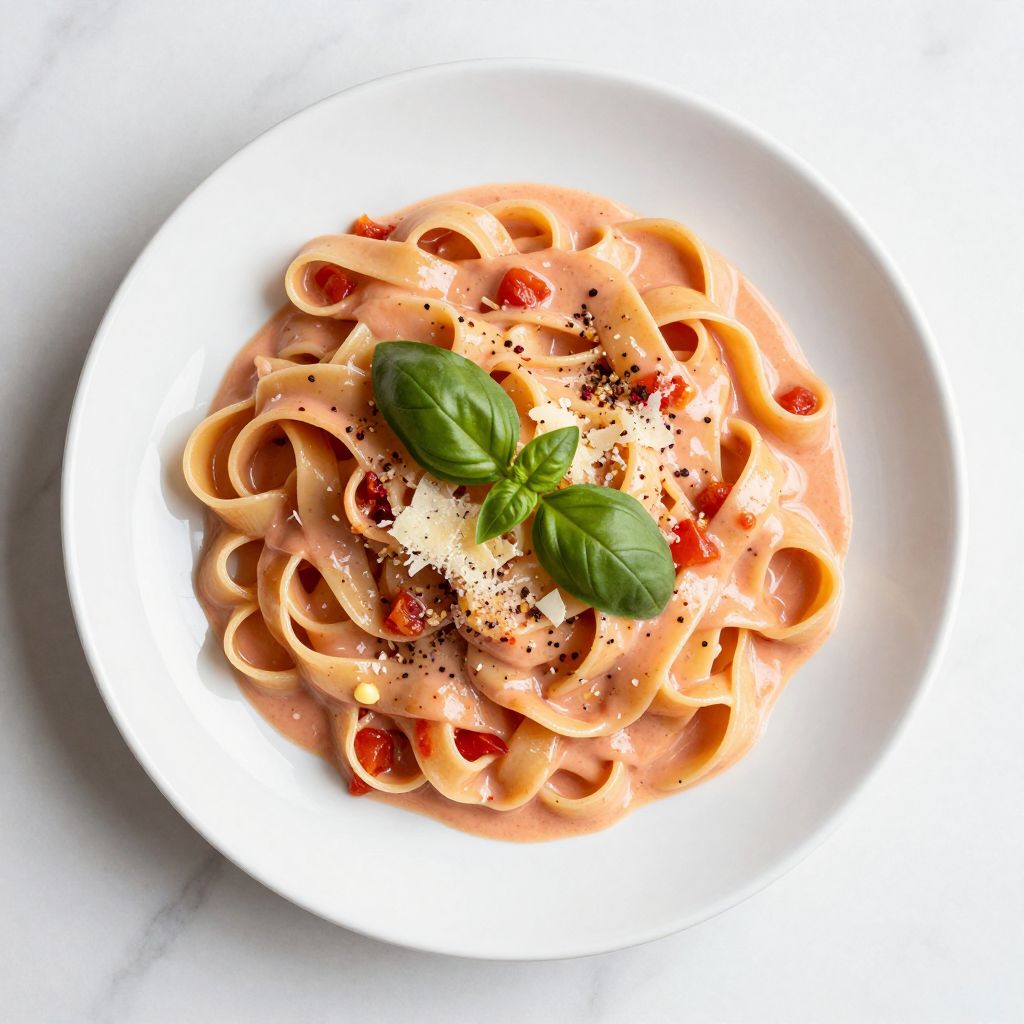
Classic Pink Sauce with Cream and Tomato
Ingredients
Equipment
Method
- Melt 3 tablespoons butter in a large saucepan over medium heat for about 30 seconds until foaming.
- Add 4 cloves minced garlic and cook, stirring constantly, for 1 to 2 minutes until fragrant without browning.
- Stir in 2 tablespoons tomato paste and cook for 1 minute to caramelize and deepen flavor.
- Pour in 28 ounces crushed tomatoes (drained if canned) and stir to combine.
- Season with 1 teaspoon salt, 1/2 teaspoon black pepper, and 1/2 teaspoon red pepper flakes; taste and adjust.
- Reduce heat to medium-low and simmer gently for 5 minutes, stirring occasionally.
- If the sauce is too acidic, stir in 1/2 teaspoon sugar and simmer for 30 seconds.
- Lower heat to medium-low, slowly pour in 3/4 cup heavy cream while stirring, and cook for 1 to 2 minutes until the sauce turns pink and emulsifies.
- Remove from heat and stir in 1/4 cup chopped fresh basil; reserve extra basil for garnish.