
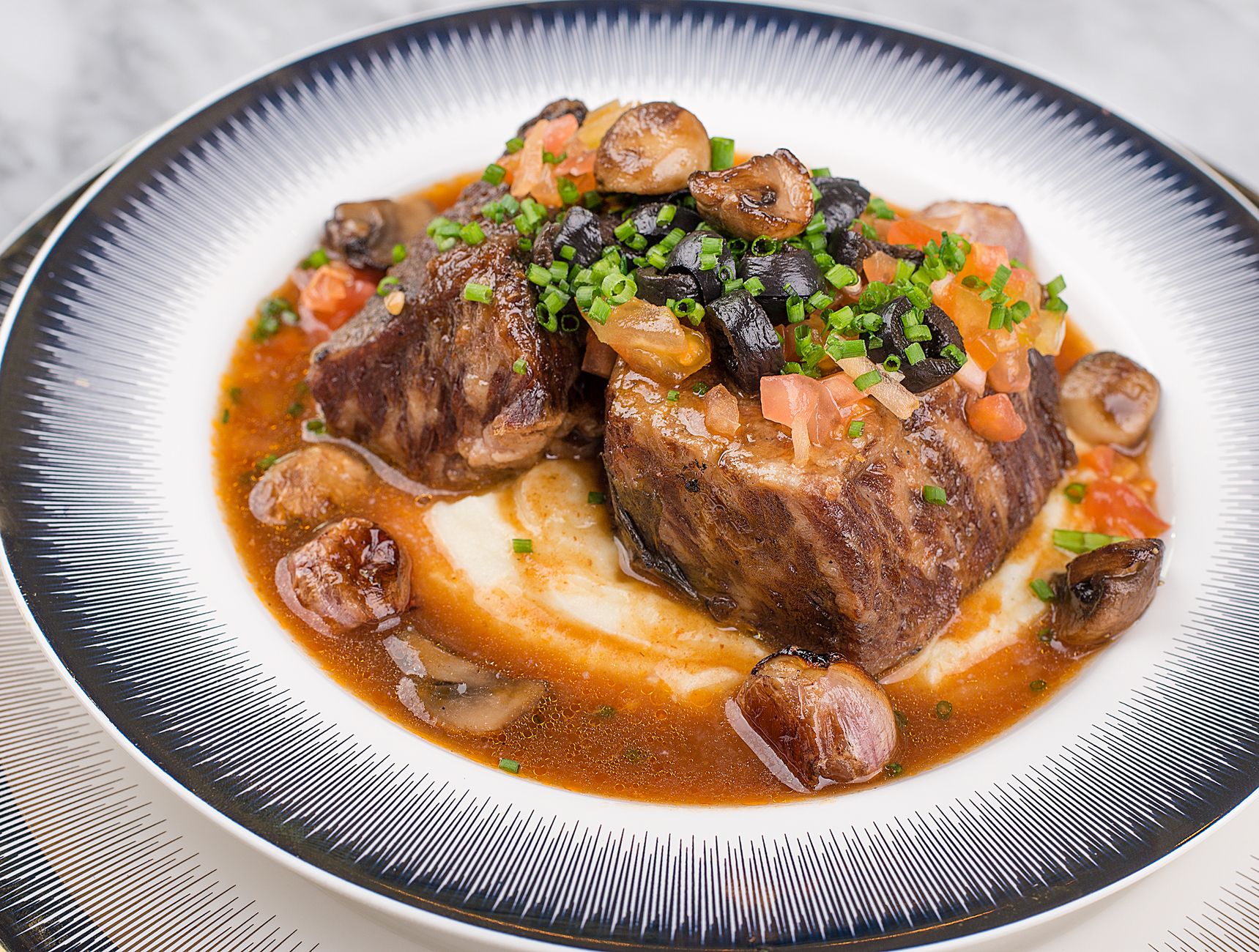
Short ribs are a flavorful cut of beef taken from the lower part of the rib cage. Known for their rich taste and tender texture, they are enjoyed in a variety of cuisines worldwide. This cut is prized for its marbling, which contributes to intense flavor when cooked properly.
In this article, we will explore the characteristics of short ribs, their flavor profile, cooking methods, and how to properly serve this delicious cut of meat. Whether you’re preparing a family dinner or entertaining guests, understanding how to work with short ribs will enhance your culinary repertoire.
What Is Short Ribs?
Short ribs consist of the rib bone and a considerable amount of meat surrounding it. Typically, they come from the chuck (shoulder) or plate (belly) sections of the cow. The most common types of short ribs are the English cut and the Flanken cut. Each has unique characteristics that make them suitable for various cooking methods.
Types of Short Ribs
- English Cut: This cut includes a section of rib bone with a thick piece of meat on top. It’s generally rectangular in shape and is well-suited for braising or slow cooking.
- Flanken Cut: This cut is sliced across the bone, resulting in shorter segments with multiple small bones. This cut is popular in Korean barbecue, where it is marinated and grilled.
Flavor Profile of Short Ribs
The flavor of short ribs is rich, meaty, and slightly sweet, thanks in part to the marbling of fat that melts during cooking. When prepared properly, the result is melt-in-your-mouth tenderness and a deep, savory flavor that enhances sauces and gravies.
Short ribs also absorb marinades and seasonings exceptionally well, making them versatile for use in different recipes. The unique taste combined with varied cooking techniques allows home cooks to explore diverse flavor profiles ranging from traditional American to Asian-inspired dishes.
Cooking Methods for Short Ribs
Short ribs lend themselves well to several cooking methods, primarily because of their high-fat content, which helps keep the meat tender during cooking. Here are some of the most popular techniques for cooking short ribs:
Braising
Braising is one of the most recommended cooking methods for short ribs, as it combines moist heat with long cooking times. This method breaks down tough fibers and makes the meat incredibly tender. Here’s how to braise short ribs:
- Preparation: Season the short ribs with salt and pepper. Optional: sear them in a hot pan with oil to develop a crust and enhance flavor.
- Deglazing: Remove the short ribs and add aromatics such as onions, garlic, and carrots to the pan, cooking until softened. Add a work of liquid (wine, broth, or water) to deglaze the pan, scraping up any browned bits.
- Cooking: Return the short ribs to the pot, add herbs (rosemary, thyme) and enough liquid to cover the meat about halfway. Cover the pot and simmer on low heat on the stove or transfer it to a preheated oven (typically 300°F / 150°C) until the meat is fork-tender, around 2.5 to 3 hours.
Grilling
Short ribs can also be grilled, particularly the Flanken cut. This method requires marinating the ribs beforehand to enhance flavor. Follow these steps for grilling:
- Marinating: Combine soy sauce, garlic, ginger, sugar, and sesame oil to create a marinade. Let the Flanken cut short ribs marinate for at least 30 minutes, preferably overnight.
- Preheat the Grill: Heat the grill to medium-high. For charcoal, make sure the coals are glowing white and are spread evenly.
- Grilling: Remove the ribs from the marinade, shaking off excess. Grill for about 3-5 minutes per side, depending on thickness, until nicely charred and cooked to your desired doneness.
Slow Cooking
If you prefer a hands-off approach, slow cooking is an excellent way to prepare short ribs. This method is similar to braising but can easily be done in a slow cooker.
- Preparation: Season the ribs with salt and pepper. Sear in a skillet if desired for additional flavor.
- Layering: Place aromatic vegetables (onions, carrots, and garlic) in the slow cooker, followed by the short ribs.
- Adding Liquid: Pour in beef broth, wine, or a mix, ensuring it covers halfway. Add herbs for flavor.
- Cooking: Cook on low for 7-8 hours or high for 4-5 hours until the meat is tender.
Serving Suggestions for Short Ribs
Short ribs can be served in a variety of ways, making them adaptable to different occasions. Here are some popular serving options:
Traditional Pairings
In many traditional cultures, short ribs are served with hearty sides that complement their richness:
- Mashed Potatoes: The creamy texture of mashed potatoes pairs perfectly with the tender meat and rich sauce.
- Polenta: Creamy polenta provides a comforting base and absorbs the savory flavors from the short ribs.
- Coleslaw: A crunchy coleslaw can be a refreshing contrast to the richness of the ribs.
International Dishes
Short ribs are also common in various international cuisines. Here are some ideas for incorporating them:
- Korean BBQ: Flanken cut short ribs are marinated in a savory-sweet sauce and grilled, often served with rice and kimchi.
- Mexican Tacos: shredded short ribs can be served in tacos with toppings like avocado, fresh cilantro, and salsa.
Storing and Reheating Short Ribs
If you have leftover short ribs, it’s important to store them properly to maintain their flavor and texture. Follow these guidelines:
Storage
- Refrigerate leftover short ribs in an airtight container for up to 3-4 days.
- For longer-term storage, freeze the cooked short ribs in plastic wrap or vacuum-sealed bags for up to 3 months.
Reheating
To reheat short ribs while keeping them moist and tender, consider the following methods:
- Oven: Preheat to 300°F (150°C), place the ribs in an oven-safe dish with some braising liquid, cover with foil, and heat for about 30-40 minutes.
- Stovetop: Place short ribs in a skillet with a splash of broth. Cover and heat over low until warmed through.
Common Mistakes When Cooking Short Ribs
To achieve the best results when cooking short ribs, be mindful of these common mistakes:
- Not Enough Time: Short ribs need ample time to become tender. Avoid rushing the cooking process.
- Searing Too Fast: If searing, ensure your pan is hot to achieve a good crust without overcooking the meat inside.
- Overcrowding the Pan: If cooking multiple ribs, avoid overcrowding to ensure proper browning.
Popular Variations and Substitutions
Short ribs are versatile and can be adapted based on flavor preferences and dietary needs. Consider these variations:
Flavor Enhancements
- Spices: Experiment with spices such as smoked paprika, cumin, or coriander for different flavor profiles.
- Herbs: Fresh herbs like thyme, rosemary, or parsley add a fresh touch to the dish.
Dietary Considerations
If you’re looking for alternatives to traditional short ribs, consider these substitutions:
- Chuck Roast: A more affordable cut that can also be slow-cooked to achieve a similar tender texture.
- Vegetarian Option: Consider using mushrooms or eggplant as a base for a vegetarian “short rib” dish with rich sauces.
Conclusion
Short ribs are a flavorful and versatile cut of meat that can elevate any meal. Whether you choose to braise, grill, or slow-cook them, the combination of their rich flavors and tender texture makes them a favorite in many cuisines. With various cooking methods and pairing options, short ribs can adapt to any occasion.
If you’re looking for delicious recipes, explore our short rib recipe or check out our easy slow cooker ribs recipe for some inspiration.