
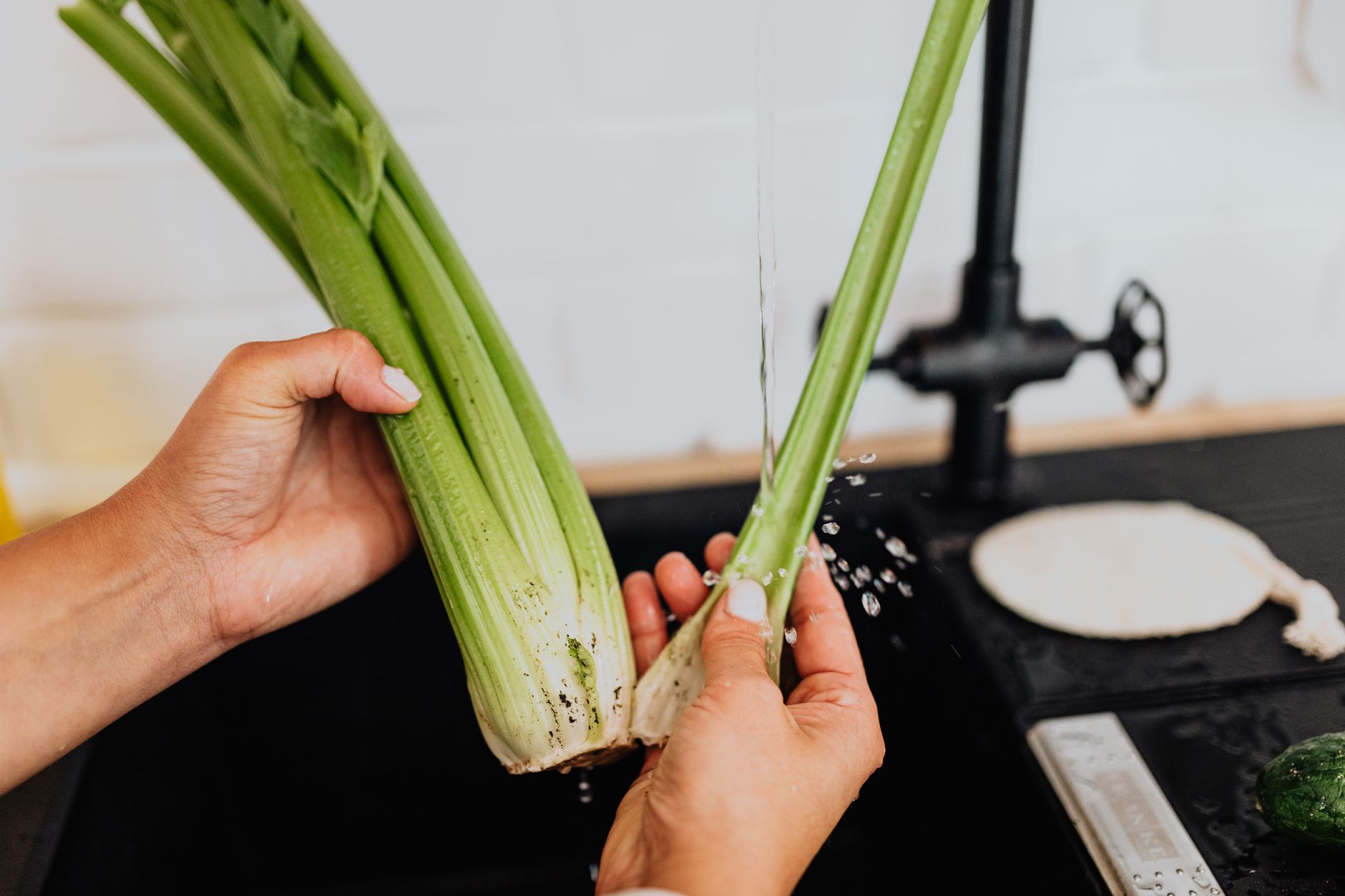
Celery is often regarded as a crunchy low-calorie snack that’s perfect for dipping, salads, and juices. One common question arises among health-conscious individuals: Is celery high in fiber? This article explores celery’s fiber content, its nutritional profile, and how to incorporate this versatile vegetable into your meals.
Understanding the importance of fiber in your diet is crucial for overall health. In this guide, we’ll detail celery’s fiber content, provide insights into its other nutrients, and offer practical tips for using celery in everyday cooking.
Is Celery High in Fiber?
Celery is not considered a high-fiber food. A single medium stalk of celery (about 40 grams) contains roughly 1 gram of dietary fiber. While this may not be a significant amount compared to other vegetables and fruits, it still contributes to your daily fiber intake, especially when consumed as part of a balanced diet.
Understanding Dietary Fiber
Before we delve deeper into the fiber content of celery, it’s essential to understand what dietary fiber is and why it matters. Dietary fiber is a type of carbohydrate found in plant foods that the body cannot digest. It comes in two varieties:
- Soluble Fiber: This type dissolves in water and can help lower blood cholesterol levels and stabilize blood sugar. Foods rich in soluble fiber include oats, beans, and apples.
- Insoluble Fiber: This type does not dissolve in water and aids in digestion by helping food pass through the digestive system. Whole grains, nuts, and vegetables like celery are good sources of insoluble fiber.
Nutritional Profile of Celery
Along with its fiber content, celery offers several nutrients important for health. Here’s a brief overview of celery’s nutritional composition per 100 grams:
- Calories: 16
- Water: 95%
- Protein: 0.7 grams
- Fat: 0.2 grams
- Carbohydrates: 3 grams
- Fiber: 1.6 grams
- Vitamin K: 30% of the Daily Value (DV)
- Potassium: 8% of the DV
- Folate: 6% of the DV
While celery’s fiber content may not be as high as other vegetables, its low calorie content and high water content make it an excellent choice for hydration and overall health.
How to Incorporate Celery in Your Diet
While celery may not be fiber-rich compared to other foods, it can be easily integrated into a variety of meals and snacks. Here are some practical ways to add celery to your diet:
Raw Snacks
Celery sticks make for a crunchy, low-calorie snack. Pair them with:
- Nut butter, such as almond or peanut butter
- Hummus for a creamy dip
- Guacamole for a fresh flavor
Salads
Chopped celery can add a delightful crunch to salads. Consider adding it to:
- Chicken or tuna salad for enhanced texture
- Mixed green salads to diversify flavors
- Coleslaw for a refreshing twist
Soups and Stews
Celery is a classic ingredient in soups and stews. It adds depth to the flavor profile. Here’s how to use it:
- Dice celery and sauté it with onions and carrots as a base for soups (often called mirepoix).
- Add it to vegetable or chicken broth for additional flavor.
Stir-Fries
Celery can bring a satisfying crunch to stir-fry dishes. Simply:
- Cut celery into thin slices and toss it into your stir-fry during the last few minutes of cooking to maintain its texture.
Juicing and Smoothies
For a refreshing drink, blend celery into juices and smoothies. It pairs well with:
- Spinach and apple for a nutritious green smoothie
- Cucumber and lemon for a light, hydrating juice
Common Misconceptions about Celery
When discussing fiber, it’s essential to address some common myths about celery:
- Myth: Celery is a negative-calorie food.
Fact: While it is low in calories, it still contains calories and cannot be considered typically negative-calorie. - Myth: Celery has no nutritional value.
Fact: Celery does provide important nutrients and can be an integral part of a healthy diet.
How Does Celery Compare to Other Vegetables in Fiber Content?
To better understand celery’s fiber contribution, let’s compare it to some other commonly consumed vegetables:
| Vegetable | Fiber per 100g |
|---|---|
| Celery | 1.6 g |
| Broccoli | 2.6 g |
| Carrots | 2.8 g |
| Spinach | 2.2 g |
| Brussels Sprouts | 3.8 g |
As you can see, while celery is not high in fiber compared to other vegetables, it has its place in a healthy diet and can complement fiber-rich foods.
Fiber and Health: Benefits Beyond Celery
While celery contributes fiber to your diet, understanding fiber’s broader health benefits is essential. Consuming enough fiber is linked to several health benefits, including:
- Digestive Health: Insoluble fiber promotes regular bowel movements and helps prevent constipation.
- Heart Health: Soluble fiber can help lower cholesterol levels, reducing the risk of heart disease.
- Weight Management: High-fiber foods tend to be more filling, which can help with weight control.
Cooking Tips for Celery
When preparing celery, consider these practical cooking tips to maximize flavor and maintain texture:
- Wash and dry celery thoroughly before cutting to remove any dirt or grit.
- For enhanced flavor, sauté celery before adding it to soups or stews.
- Always trim the ends of the stalks before using them in recipes.
- If you prefer a milder flavor, peel the outer ribs of the celery stalks, as they can be a bit bitter.
Storing Celery
Proper storage helps maintain the freshness of celery. Here are some tips for storing celery:
- Keep celery in the vegetable crisper of your refrigerator, wrapped in aluminum foil or placed in a perforated plastic bag to retain moisture.
- Celery can last up to two weeks when stored correctly.
- If you notice the stalks becoming limp, placing them in a cup of water in the refrigerator can help restore their crunch.
Practical Substitutions for Celery
If you find yourself out of celery, here are some practical substitutes that can maintain a crunchy texture in your recipes:
- Carrots: They provide similar crunch and sweetness.
- Cucumber: Offers a refreshing, hydrating option, especially in salads.
- Jicama: This root vegetable adds a crunchy texture to dishes.
Conclusion and Next Steps
While celery is not a high-fiber vegetable, it can still play a valuable role in a healthy diet, adding crunch, flavor, and essential nutrients. Integrating it into meals can enhance your dishes without significantly increasing calorie intake. If you are looking for more ways to boost your fiber intake, consider adding foods like kale and bananas, which are also nutritious.
Explore related recipes, cooking tips, or food guides for more culinary inspiration. Check out how much fiber is in kale and learn more about the fiber content in bananas.