
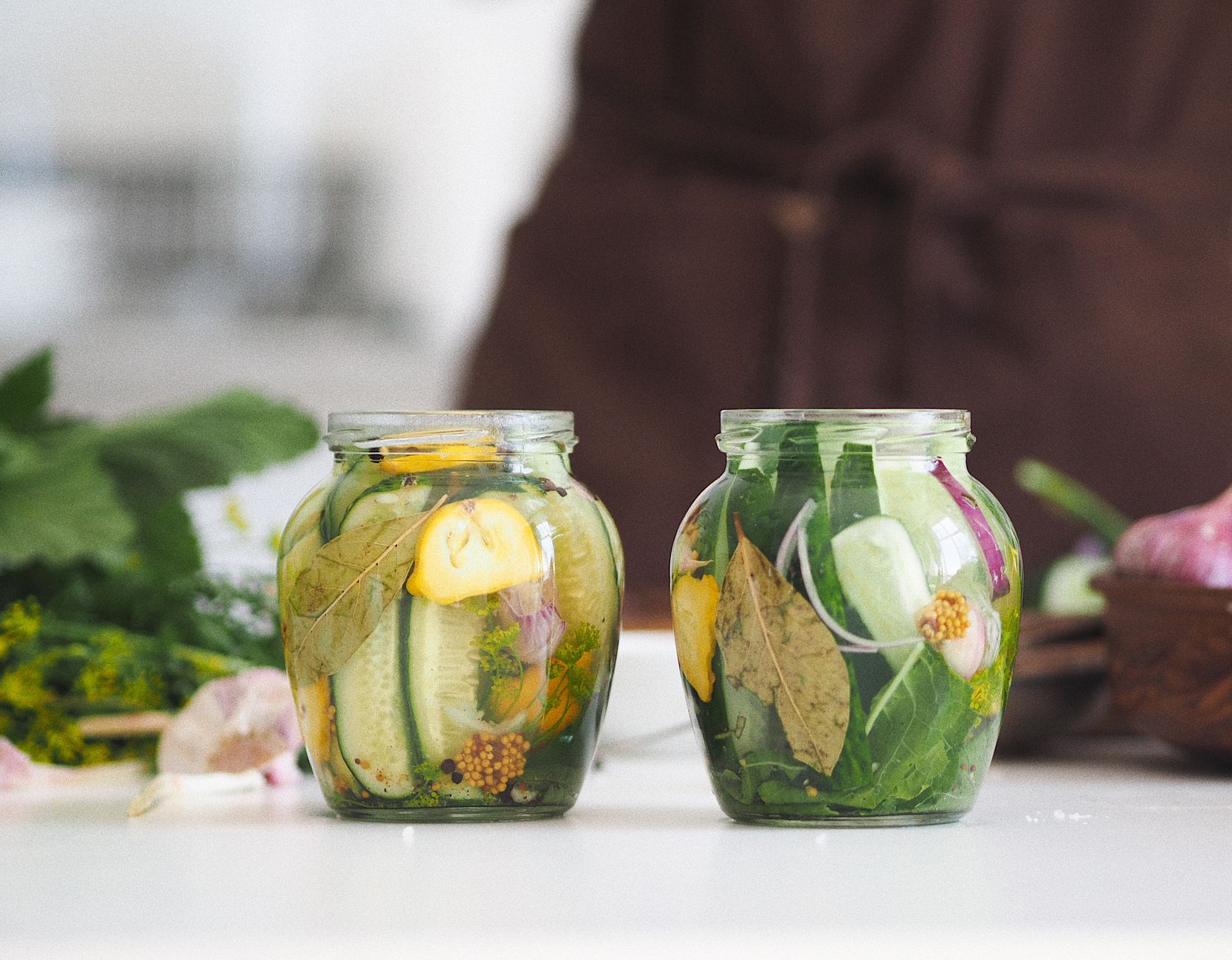
Pickles are a beloved condiment and snack that add a tangy crunch to a variety of dishes. They can elevate sandwiches, complement charcuterie boards, or provide a zesty twist in salads. Understanding how pickles are made allows you to appreciate this culinary marvel even more and opens the door to making your own variations at home.
This guide will explore the essential ingredients, methods of preparation, and tips on serving pickles. Whether you’re interested in sweet, dill, or spicy pickles, there’s a method here to suit your taste, making it easy to craft your own at home.
How Are Pickles Made?
Pickles are made through a process known as fermentation or brining, which preserves the cucumbers and infuses them with flavor. The basic process involves soaking cucumbers in a vinegar-based brine or a saltwater solution, allowing the flavors to penetrate and the cucumbers to become crisp and tangy.
Essential Ingredients for Making Pickles
To make pickles, you only need a handful of ingredients. Here’s a detailed overview:
- Cucumbers: The base ingredient, usually whole pickling cucumbers or sliced cucumbers. They should be fresh and firm, with no blemishes.
- Vinegar: Commonly white distilled vinegar or apple cider vinegar. The acidity is crucial for preservation and flavor.
- Salt: Pickling salt or kosher salt, adding flavor and drawing moisture from cucumbers.
- Water: Clean or filtered water for making brine or diluting vinegar.
- Spices and Flavorings: Common spices include mustard seeds, dill, garlic, peppercorns, and bay leaves, depending on the flavor profile you desire. Sweet pickles may also require sugar.
Types of Pickles
Understanding the different types of pickles can help you decide which style to make:
- Dill Pickles: Infused with fresh dill and garlic, these are the most popular type of pickle.
- Sweet Pickles: Made with added sugar and often flavored with spices, resulting in a sweet and tangy taste.
- Bread and Butter Pickles: A sweet and tangy variety, usually served on sandwiches.
- Spicy Pickles: Infused with red pepper flakes or jalapeños for a kick.
- Fermented Pickles: Made without vinegar, these are cultured in a saltwater brine to develop a unique probiotic-rich flavor over time.
Equipment Needed
To make pickles, you will need some essential kitchen equipment:
- Large Bowl: For soaking cucumbers in salt and water.
- Pot: For heating the brine if needed.
- Measuring Cups and Spoons: For accuracy in your ratios.
- Clean Jars: Glass jars with lids for storage; can use mason jars for canning.
- Pot with Lid or Canning Pot: Necessary for processing jars if canning.
Step-by-Step Process for Making Pickles
Here’s a detailed method for creating basic dill pickles:
Ingredients
- 1 quart small pickling cucumbers (about 1-2 inches long)
- 2 cups water
- 1 cup white vinegar
- 1/4 cup pickling salt or kosher salt
- 4 cloves garlic, peeled and halved
- 2 tablespoons dill seeds or several sprigs of fresh dill
- 1 teaspoon mustard seeds (optional)
- 1 teaspoon black peppercorns (optional)
Preparation Steps
- Prepare the Cucumbers: Wash the cucumbers thoroughly. Trim off the ends, as this can help prevent them from becoming soft during fermentation.
- Brine Creation: In a saucepan, combine water, vinegar, and pickling salt. Heat the mixture over medium heat until the salt dissolves. Remove from heat and let it cool completely.
- Pack the Jars: In clean glass jars, place the cucumbers upright. Add garlic cloves, dill, mustard, and peppercorns evenly among the jars.
- Pour the Brine: Once cooled, pour the brine over the cucumbers, ensuring they are fully submerged. Leave a bit of headspace at the top of the jar.
- Seal the Jars: Wipe the rims of the jars and seal with lids. If you’re canning, follow proper methods, such as processing in hot water.
- Refrigerate: Place the jars in the refrigerator. Allow the pickles to sit for at least 24-48 hours. Flavors will deepen over the next week. For fermented pickles, leave them at room temperature for 3–7 days before refrigerating.
Common Mistakes to Avoid
Here are some common pitfalls when making pickles and how to avoid them:
- Using Non-Pickling Salt: Avoid using regular table salt, as it contains anti-caking agents that can cloud the brine.
- Not Following Ratios: Be careful with vinegar-to-water ratios; they are crucial for preserving the pickles properly.
- Packing Jars Too Tightly: Leave enough space in the jars for the cucumbers to expand and create bubbles during the pickling process.
- Skipping Cooling Time: Always allow the brine to cool before pouring it over the cucumbers to preserve their crunchiness.
Serving Tips
Pickles are incredibly versatile. Here are a few serving ideas:
- Serve alongside sandwiches for a crunchy texture.
- Add to burgers for extra flavor and crunch.
- Use chopped pickles in potato salads or tartar sauce.
- Pair pickles with cheese and cured meats for a charcuterie board.
Storage and Shelf Life
Proper storage is crucial for maintaining the quality of your pickles:
- Store unopened jars of pickles in a cool, dark place. They can last up to a year if properly sealed.
- Once opened, keep jars in the refrigerator. Consume within 1-2 months for the best quality.
- For fermented pickles, ensure they are refrigerated after the initial fermentation period to slow further fermentation.
Pickle Variations to Try
Once you’ve mastered the basic dill pickle, consider experimenting with these variations:
- Spicy Garlic Pickles: Add crushed red pepper and additional garlic cloves to the brine for a spicy kick.
- Sweet Mustard Pickles: Mix brown sugar with mustard seeds in your brine for a sweet-spicy profile.
- Herbed Pickles: Experiment with different herbs like thyme, rosemary, or basil for unique flavor profiles.
Conclusion
Making pickles is a rewarding process that not only enhances your meals but also allows for creativity in your culinary adventures. Now that you understand how pickles are made, gather your ingredients and equipment to start your pickling journey. You can always experiment with different flavors and techniques.
For more delicious pickling inspiration, explore our Claussen Pickle Recipe or consider trying our Pickled Okra Recipe for a fun twist. Happy pickling!