
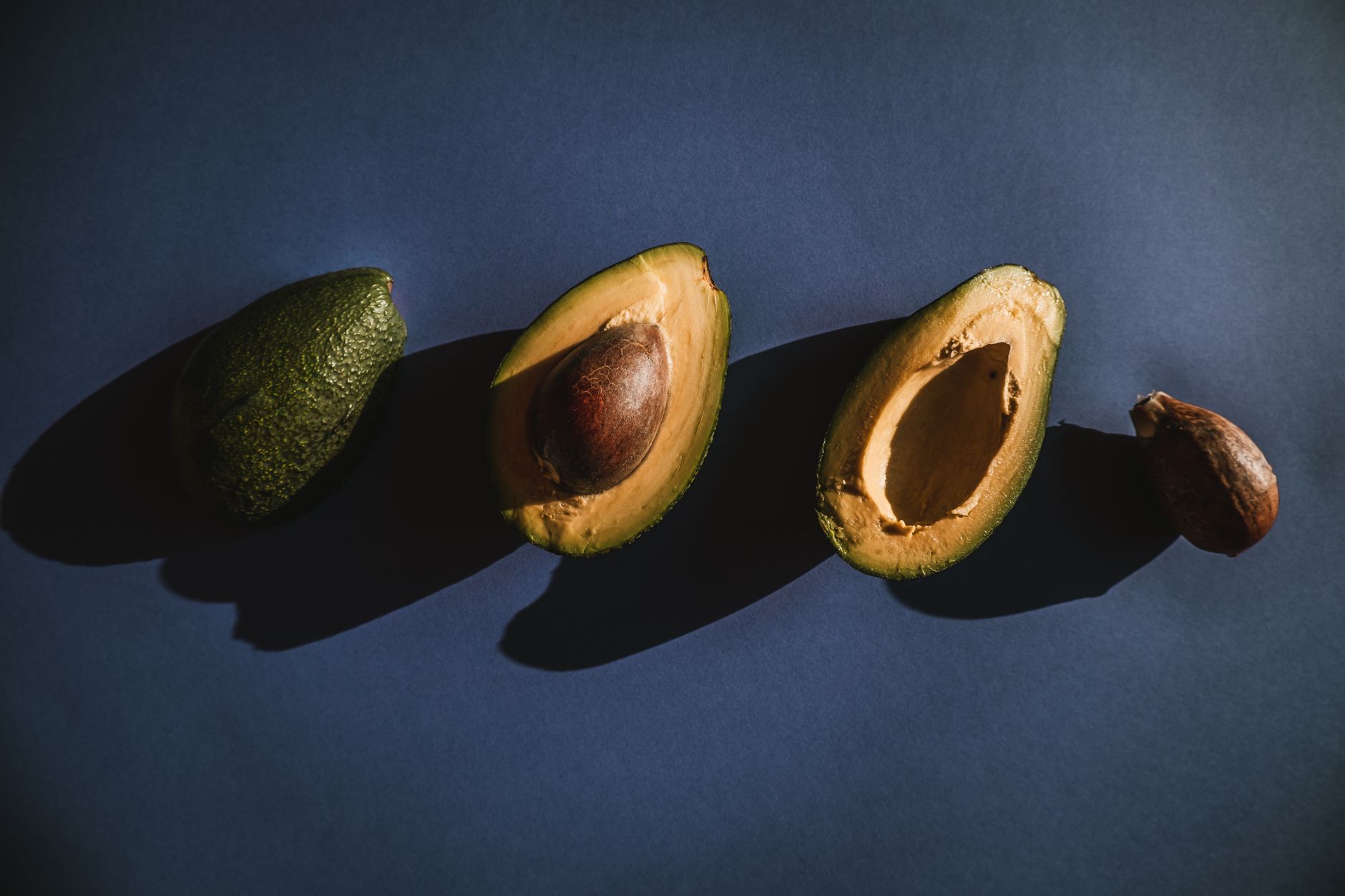
Avocado, a creamy and delicious fruit, has gained popularity around the world for its rich flavor and numerous health benefits. One of the key questions that often arises is whether eating avocado can influence bowel movements. Understanding the relationship between avocado consumption and digestion can help you make informed dietary choices.
This article explores the composition of avocados, their fiber content, how they affect digestion, optimal portion sizes, and tips for incorporating avocados into your diet to promote regularity without causing discomfort.
Does Avocado Make You Poop?
Yes, avocados can make you poop, primarily due to their high fiber content. Approximately 10 grams of fiber are found in one medium-sized avocado, which plays a crucial role in healthy digestion. The type of fiber and how your body reacts to it can vary from person to person.
The Role of Fiber in Digestion
Fiber is an essential component of a healthy diet, aiding digestion and promoting regular bowel movements. There are two types of dietary fiber: soluble and insoluble. Both types contribute to digestive health but in different ways.
Soluble Fiber
Soluble fiber dissolves in water, forming a gel-like substance that slows digestion. This type of fiber can help manage blood sugar levels and lower cholesterol.
Insoluble Fiber
Insoluble fiber does not dissolve in water and adds bulk to stool, helping to move it through the digestive tract. It is essential for preventing constipation and promoting regular bowel movements.
Avocado’s Fiber Content
Avocados are particularly rich in both forms of fiber. In addition to their other health benefits—such as being a source of healthy fats and vitamins— avocados provide approximately 9 to 10 grams of fiber per 200-gram serving. Here’s a breakdown:
- Soluble fiber: Approximately 25-30% of total fiber content
- Insoluble fiber: Approximately 70-75% of total fiber content
This unique combination makes avocados an excellent choice for supporting digestive health. Eating avocados regularly can help maintain a balanced intake of fiber while ensuring an optimal digestive process.
How Avocados Affect Bowel Movements
The high fiber content in avocados can effectively promote bowel regularity. Additionally, the fats found in avocados can help lubricate the digestive tract, enhancing the movement of food through the intestines. While many people may experience a positive effect on digestion from eating avocados, individual responses can vary significantly.
Regular Consumption
Incorporating avocados into your diet regularly can help improve overall gut health and bowel regularity. However, for those who are not accustomed to high-fiber foods, suddenly increasing fiber intake can lead to discomfort, bloating, or even diarrhea.
Portion Size Matters
Understanding appropriate portion sizes is crucial when incorporating avocados into your diet. While avocados are nutritious, they are also calorie-dense. Moderation is key:
- A typical portion size is around one-third to one-half of a medium avocado.
- This amounts to roughly 80-120 calories per serving, making it easier to control calorie intake while maximizing fiber benefits.
Incorporating Avocados into Your Diet
Finding ways to enjoy avocados can help increase fiber intake without overwhelming your system. Below are various suggestions for incorporating this nutrient-rich fruit into your meals:
Breakfast Ideas
- Avocado toast topped with a poached egg
- Avocado and banana smoothie
- Avocado mixed with Greek yogurt and honey for a flavorful dip
Lunch and Dinner Options
- Adding sliced avocado to salads
- Integrating avocado into grain bowls with quinoa or brown rice
- Using avocado as a topping for tacos or burritos
Snacks and Dips
- Making guacamole to enjoy with whole-grain chips or vegetables
- Using avocado as a spread on crackers or toast
Recipe Ideas
To make the most of avocados, try experimenting with recipes that highlight their flavor and texture. For example, making avocado crema can create a creamy and delicious sauce to accompany various dishes.
Potential Discomforts
While avocados can facilitate healthy bowel movements, some individuals may experience digestive discomfort when consuming them. Here are the common concerns:
Increased Bloating
For those who are not accustomed to high fiber intake, incorporating too many avocados in one sitting can cause bloating or gas. It is best to gradually increase fiber intake to allow your digestive system to acclimate.
Fat Content
Avocados are high in fat, primarily healthy monounsaturated fats. However, excessive consumption may lead to digestive upset for some individuals. Consuming reasonable portions is essential to prevent unnecessary discomfort.
Food Sensitivities
Some individuals may have sensitivities to avocados, leading to mild gastrointestinal discomfort or allergic reactions. If this is suspected, consulting a healthcare provider for guidance is crucial.
Common Mistakes When Eating Avocados
When incorporating avocados into your diet, there are several common mistakes to avoid:
- Not balancing fiber intake: Ensure that you’re consuming other fiber sources alongside avocados to maintain a balanced diet.
- Skipping hydration: High fiber intake requires adequate hydration to support digestion, so be sure to drink plenty of water.
- Overindulgence: Moderation is key. Consuming too many avocados can increase calorie intake significantly.
Storage and Ripening Tips
Storing avocados properly can help maintain their freshness and flavor. Here are a few tips:
- Store unripe avocados at room temperature until they yield slightly to pressure when gently squeezed.
- Once ripe, refrigerate avocados to slow down the ripening process and extend their shelf life.
- To store a cut avocado, sprinkle the exposed flesh with lemon or lime juice, wrap it tightly in plastic wrap, and refrigerate.
Final Thoughts
Avocados are a versatile and nutrient-rich food that can positively impact digestion and regularity due to their high fiber content. Understanding their effects on your body is crucial for making informed dietary choices. By incorporating avocados in moderation and addressing any digestive concerns, you can maximize their benefits while enjoying their rich flavor and creamy texture.
For those looking to try new ways to enjoy avocados, consider making a delicious avocado crema or a unique dessert option like chia pudding made with coconut milk. Explore more recipes and cooking tips to expand your culinary repertoire.
For more creative ways to include ingredients like chia in your meals, check out this chia pudding recipe. You will discover that avocados are not just good for you, but they also add a delightful flavor and a creamy texture to a variety of dishes!